11 Years Manufacturer Konjac Gum Powder Barcelona
11 Years Manufacturer Konjac Gum Powder Barcelona Detail:
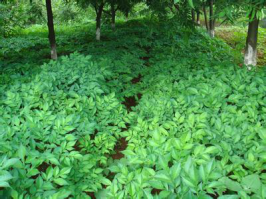
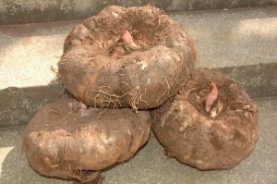
[Latin Name] Amorphophallus konjac
[Plant Source] from China
[Specifications] Glucomannan85%-90%
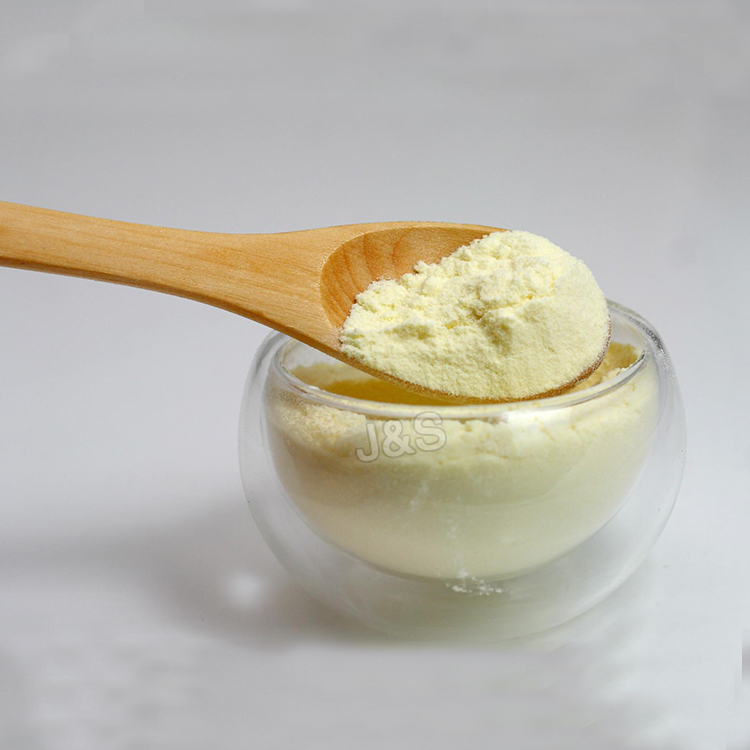
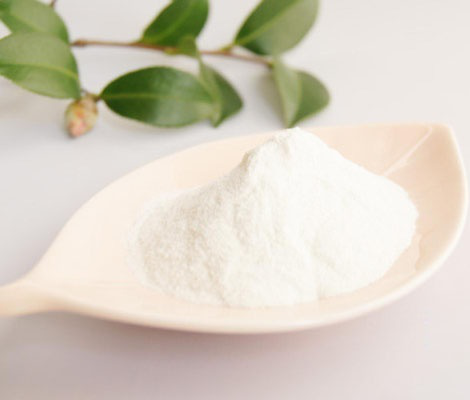
[Appearance] White or cream-color powder
Plant Part Used:Root
[Particle size] 120 Mesh
[Loss on drying] ≤10.0%
[Heavy Metal] ≤10PPM
[Storage] Store in cool & dry area, keep away from the direct light and heat.
[Shelf life] 24 Months
[Package] Packed in paper-drums and two plastic-bags inside.
[Net weight] 25kgs/drum
[Introduction]
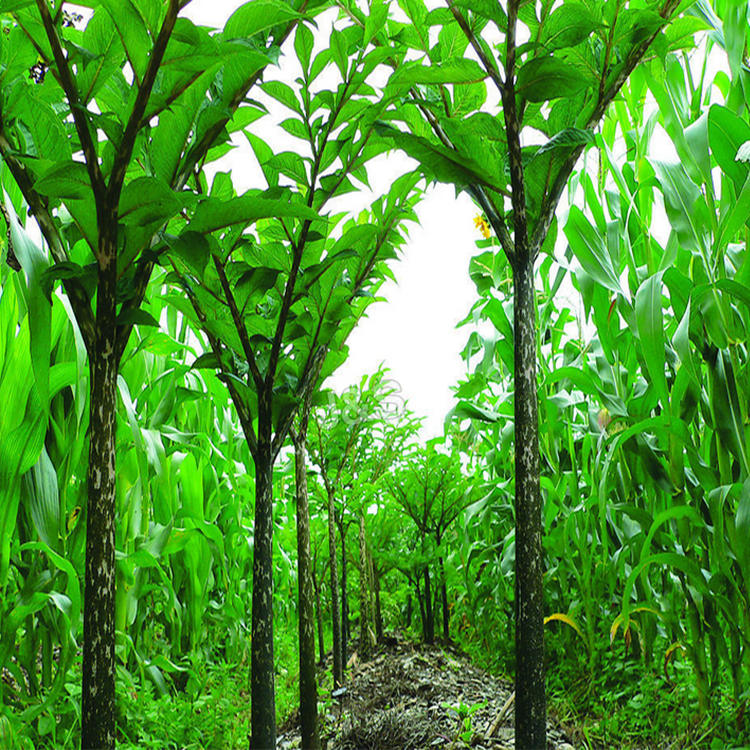
Konjac is a plant that is found in China, Japan and Indonesia. The plant is part of the genus Amorphophallus. Typically, it thrives in the warmer regions of Asia.
The extract of the Konjac root is referred to as Glucomannan. Glucomannan is a fiber-like substance traditionally used in food recipes, but now it is utilized as an alternative means of weight loss. Along with this benefit, konjac extract contains other benefits for the rest of the body as well.
The main material of the natural konjac gum is fresh konjac, which grow in virgin forest in Hubei area. We use advanced method to distill the KGM, aminophenol, Ca, Fe, Se which are good for health. Konjac is known as“ the seventh nutriment for human”.
Konjac Gum with its special water holiding capacity, stability, emulsibility, thickening property,suspension property and gel propery can especially adopted in food industry.
[Main Function]
1.It could reduce postprandial glycemia, blood cholesterol and blood pressure.
2.It could control appetite and reduce body weight.
3.It could increase insulin sensitivity.
4.It could control insulin resistant syndrome and diabetesII development.
5.It could reduce heart disease.
[Application]
1) Gelatinizer(jelly, pudding, Cheese, soft candy, jam );
2) Stabilizer(meat, beer);
3) Film Former(capsule, preservative)
4) Water-keeping agent( Baked Foodstuff );
5) Thickener (Konjac Noodles, Konjac Stick, Konjac Slice, Konjac Imitating Food stuff);
6) Adherence agent( Surimi );
7) Foam Stabilizer (ice cream, cream, beer)
Product detail pictures:
Related Product Guide:
We regularly perform our spirit of ''Innovation bringing progress, Highly-quality making certain subsistence, Administration marketing benefit, Credit score attracting customers for 11 Years Manufacturer Konjac Gum Powder Barcelona , The product will supply to all over the world, such as: Sri Lanka, Israel, Borussia Dortmund, We welcome you to visit our company, factory and our showroom displayed various products that will meet your expectation, meanwhile, it is convenient to visit our website, our sales staff will try their efforts to offer you the best service. If you need to have more information, remember to do not hesitate to contact us by E-mail or telephone.
Top 5 Orgain Plant Review Or Vitamins & Dietary Supplements That Work Fast
Orgain Plant Based Protein Powder, Sweet Vanilla Bean, 2.03 Pound, 1 Count
by Orgain
https://amzn.to/2eGlFKs
Optimum Nutrition 100% Whey Gold Standard, Double Rich Chocolate, 5 Pound, 80 Ounce
by Optimum Nutrition
https://amzn.to/2dzrnMc
https://www.youtube.com/watch?v=SPyJqi73ji8
Hyperbiotics PRO-15 Probiotics: 60 Once Daily Time Release Pearls – 15x More Effective than Capsules with Patented Delivery Technology – Easy to Swallow – Promotes Digestive Health
by Hyperbiotics Probiotics
https://www.youtube.com/watch?v=ut6CMi5TEMU
Orgain Plant Based Protein Powder, Creamy Chocolate Fudge, 2.03 Pound, 1 Count
by Orgain
https://www.youtube.com/watch?v=0Tav90TT0bw
Optimum Nutrition Creatine Powder, Unflavored, 600g
by Optimum Nutrition
https://www.youtube.com/watch?v=cLgNJ6tqEWU
Orgain Plant Based Protein Powder, Sweet Vanilla Bean, 2.03 Pound, 1 Count
From Orgain
Product Description
Orgain Sweet Vanilla Bean Protein Powder is a naturally smooth and delicious nourishment drink with 21g of protein and 5g fiber per serving. USDA , Gluten Free, Kosher, Vegan, Non-GMO, Soy Free. No artificial flavors, colors or preservatives.
Features
Includes 1 (2.03lb) Plant Based Sweet Vanilla Bean Protein Power
Ideal for healthy, on-the-go nourishment for busy professionals, moms, athletes and students
21g Plant Based Protein, 5g Fiber, 5g Net Carbs, 150 Calories per Serving
Gluten Free, Kosher, Vegan, Non-GMO, Soy Free
USDA
Perfect Vegan Protein Powder
By Carolyn Rome
I became a vegetarian in 1972 and switched to a plant based diet solely in 2010. Trust me, in this period of time I have tried some really good vegan products, as well as some really bad vegan products. This one is a ‘really good’ product.
Ingredients – The ingredients are clean and contain per serving (2 scoops): 4 grams of fat, 180 mg of sodium, 5 grams of fiber and 21 grams of protein. **This is the chocolate. The vanilla may vary slightly, but I have purchased both numerous times.
Flavor – The flavor is outstanding. I often wonder how it can taste so good, without being full of not so healthy ingredients. There is zero after taste, chemical or fake taste.
Recipe – I have purchased both vanilla and chocolate numerous times. As a matter of fact, I order 2 containers a month. I always mix with almond milk – either vanilla or chocolate. Chocolate almond milk + chocolate protein is a chocolate lovers delight. Vanilla almond milk + vanilla protein is a vanilla bean lovers delight. Any combo of both flavors is a perfect mocha flavor. During the day I mix 2 scoops of the protein with 8 ounces of almond milk. I sometimes add chia and flax seeds and they mix well, considering I am only using a shaker cup. In the evening I mix 1 frozen banana, 2 scoops of protein with almond milk and again, sometimes add chia and flax seeds. This is my favorite way to make it. When adding the banana and seeds, it actually becomes more of a custard than a shake. You can’t even detect the seeds, whereas you can when you only use a shaker cup. The consistency in general is more on the thicker side. I do not like watery or really thin shakes. I use a straw to consume out of the shaker cup, but a spoon when mixing with a banana.
Cost – This is probably the most reasonable cost I have come across for a good vegan protein. There are 20 two scoop servings per container. The chocolate costs just over $22 per canister and the vanilla costs about $1.50 more. I am not sure of the reason for the cost difference, but at one point it was a $5 difference. Even at that price, it was still the best I have come across.
This is definitely a 5 star product. I purchase this with my own money and have not received a discount, nor incentive to purchase. I chose to try it based on the reviews.
There are some other products that you can consider to Vitamins & Dietary Supplements. I have found an awesome site that is just perfect to get some quality information relating to your interest.
On a positive note, you will learn more from it, and you can’t go wrong with learning. Do You Want To See The Proof? Click This Link https://amzn.to/2eGlFKs To Learn More About Discounts, Prices, Ratings, Customer Reviews !!
Thanks!!
SUBSCRIBE
https://www.youtube.com/channel/UCV68yoHRFXdTpmTkXKPyjVg?sub_confirmation=1
FOR MORE RECIPES ON
www.worldrecipes.tv
For more Information on
www.shanthiinfo.com
EASY RECIPES PLAYLISTS
https://www.youtube.com/user/utubefoods/playlists
https://www.pinterest.com/qrecipes/
FACE BOOK
https://www.facebook.com/utubefoods?sk=app_212104595551052
GOOGLE PLUS
https://plus.google.com/+utubefoods/posts
GOOGLE BLOG
https://www.quickrecipes4ublog.blogspot.in/
 By Prima from Bangladesh - 2018.06.21 17:11
Adhering to the business principle of mutual benefits, we have a happy and successful transaction, we think we will be the best business partner.
By Karl from New York - 2017.04.08 14:55