13 Years Factory wholesale Acai berry extract Factory for Morocco
13 Years Factory wholesale Acai berry extract Factory for Morocco Detail:
[Latin Name] Euterpe Oleracea
[Plant Source] Acai Berry from Brazil
[Specifications] 4:1, 5:1, 10:1
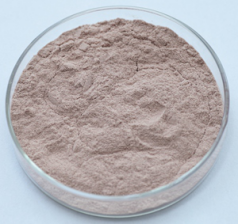
[Appearance] Violet Fine Powder
[Plant Part Used]:Fruit
[Particle size] 80 Mesh
[Loss on drying] ≤5.0%
[Heavy Metal] ≤10PPM
[Pesticide residue] EC396-2005, USP 34, EP 8.0, FDA
[Storage] Store in cool & dry area, keep away from the direct light and heat.
[Shelf life] 24 Months
[Package] Packed in paper-drums and two plastic-bags inside.
[Gerneral feature]
- 100% extract from Acai berry fruit;
- Pesticide residue: EC396-2005, USP 34, EP 8.0, FDA;
- Directly import fresh frozen acai berry fruits from Brazil;
- The standard of the heavy mental is strictly according to the
foreign pharmacopoeia USP, EU.
- High standard of the quality of imported raw materials.
- Good water solubility, reasonable price.
[What is Acai berry]
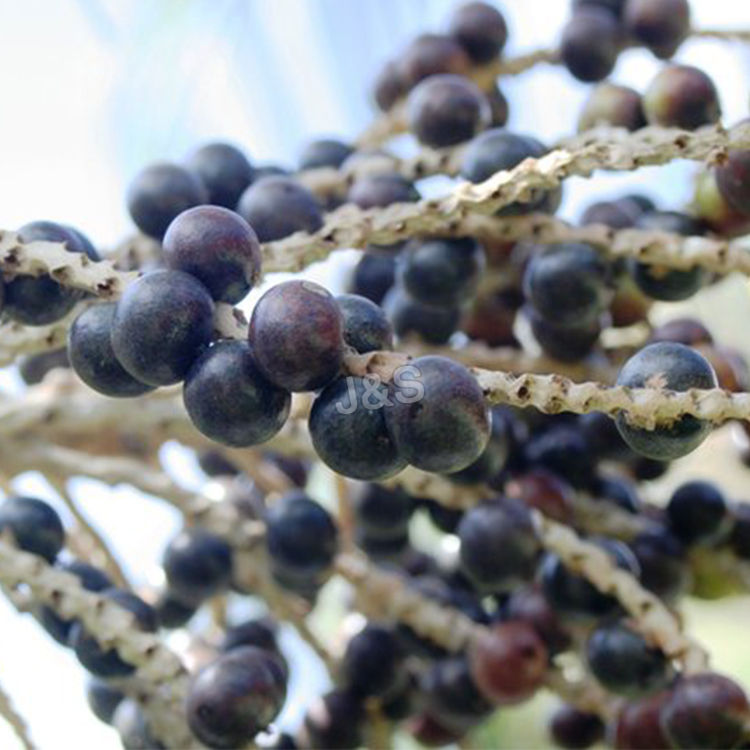
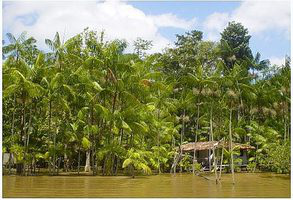
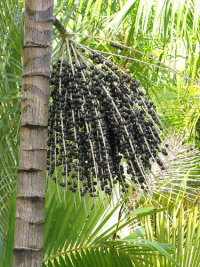
The south American Acai palm(Euterpe oleracea)-known as the tree of life in Brazil-provides a small berry which is growing in fame, particularly following recent studies by well-known herbalists and naturopaths that have categorised it as a “superfood”. Acai berries are extremely rich in antioxidants, vitamins and minerals. The acai berry is also famous for its capacity to support dieting, protect the skin, reduce the risk of cardiovascular disease and prevent the development of certain types of cancer.
[Function]
While there are many different berry and fruit juices on the market, Acai contains the most complete array of vitamins, minerals, and essential fatty acids. Acai contains Vitamin B1 (Thiamin), Vitamin B2 (Riboflavin),
Vitamin B3 (Niacin), Vitamin C, Vitamin E (tocopherol), iron, potassium, phosphorus and calcium. It also contains the essential fatty acids Omega 6 and Omega 9, all the essential amino acids, and more protein than an average egg.
1)Greater Energy and Stamina
2)Improved Digestion
3)Better Quality Sleep
4)High Protein Value
5)High Level of Fiber
6)Rich Omega Content for Your Heart
7)Boosts Your Immune System
8)Essential Amino Acid Complex
9)Helps Normalize Cholesterol Levels
10)Acai Berries Have 33 Times the Antioxidant Power of Red Grapes and Red Wine
Product detail pictures:
Related Product Guide:
Attaining consumer satisfaction is our company's purpose without end. We will make wonderful endeavours to produce new and top-quality merchandise, satisfy your exclusive requirements and supply you with pre-sale, on-sale and after-sale services for 13 Years Factory wholesale Acai berry extract Factory for Morocco , The product will supply to all over the world, such as: Czech, Uruguay, Bulgaria, We aim to build a famous brand which can influence a certain group of people and light up the whole world. We want our staff to realize self-reliance, then achieve financial freedom, lastly obtain time and spiritual freedom. We do not focus on how much fortune we can make, instead we aim to obtain high reputation and be recognized for our products. As a result, our happiness comes from our clients satisfaction rather than how much money we earn. Ours team will do best for you always.
For More Info or to Buy Now: https://www.hsn.com/products/seo/7503474?rdr=1&sourceid=youtube&cm_mmc=Social-_-Youtube-_-ProductVideo-_-357108
Andrew Lessman New Ginger450 360 capsules
Andrew Lessmans Ginger450 contains a pure standardized extract of the most important active components from ginger root in a small, easytoswallow…
Prices shown on the previously recorded video may not represent the current price. View hsn.com to view the current selling price. HSN Item #357108
Stevia sugar is a natural no calorie, non-glycemic sweetener derived from the thick, sweet leaves of the S. rebaudiana plant species. The leaves are one of the sweetest substances found in nature and abundant in steviol glycosides, containing glucose that does not get absorbed into the bloodstream. Learn more about the plant, how to grow your own and why stevia may or may not be appropriate for everyone.
Stevia Leaf Powder, Mountain Rose Herbs, , 1oz-1lb – https://bit.ly/2d1wTXz
Stevia Leaf, Mountain Rose Herbs, , 1oz-1lb – https://bit.ly/2glzj97
Starwest Botanicals, Org Stevia Leaf and Powder, 4oz-1lb – https://bit.ly/2fJxq2K
Sweet Leaf Whole Leaf Stevia Concentrate, 2 fl – https://amzn.to/2fsJkNy
Omica s, Liquid Stevia Botanica Liquid Stevia, Plain – https://amzn.to/2g8ze5G
Stevia Liquid Concentrate, Body Ecology, Plain – https://bit.ly/1AiAhm8
Omica s, Liquid Stevia, Vanilla , 2oz – https://amzn.to/2fvxbKY
Omica s Liquid Stevia, Butterscotch Toffee, 2oz – https://amzn.to/2gEJy9i
Omica s, Liquid Stevia, 3-pack, Plain, Vanilla & Toffee – https://amzn.to/2fsOBo8
Omica s, Stevia 4-pack, Plain, Vanilla, Butterscotch & Sweet Blossom – https://amzn.to/2gEByVF
Omica s, Stevia Extract Sweetener Powder, 1.2 oz – https://amzn.to/2fW4sj5
SweetLeaf Natural Stevia Sweetener, 70 Count – https://amzn.to/2fWaAaY
Stevia Plant, Two Live Plant Starts, 3.5in pots – https://amzn.to/2fc1Ez2
Stevia Page: https://bit.ly/1xi699f
Additional Sourced Info:
Stevioside acts directly on pancreatic beta cells to secrete insulin: https://1.usa.gov/1Fgv4Rt
Antidiabetic activity of medium-polar extract from the leaves of Stevia rebaudiana Bert. (Bertoni) on alloxan-induced diabetic rats: https://1.usa.gov/1b6iTvb
Stevia in the Raw Owned by Sweet’n Low: https://bit.ly/1b6iZTt
Effects of chronic administration of Stevia rebaudiana on fertility in rat: https://1.usa.gov/1x0dbVr
Potential Roles of Stevia rebaudiana Bertoni in Abrogating Insulin Resistance and Diabetes: A Review: https://1.usa.gov/1F5s2ii
The Diterpene Glycoside, Rebaudioside A, Does not Improve Glycemic Control or Affect Blood Pressure After Eight Weeks Treatment: https://1.usa.gov/1Cb8jyJ
The effect of stevioside on blood pressure and plasma catecholamines: https://1.usa.gov/1EEcyU1
Sugar of substitute stevioside in chewing gum: comparative double blind controllable study: https://1.usa.gov/1MwPGa0
Antioxidant, anti-diabetic and renal protective properties of Stevia rebaudiana: https://1.usa.gov/19fopLj
All information is for educational purposes only and is the personal view of the author; not intended as medical advice,
diagnosis or prescription. This information has not been evaluated by the FDA and is not intended to cure or prevent any disease.
 By Cora from Philippines - 2017.06.22 12:49
Hope that the company could stick to the enterprise spirit of "Quality, Efficiency, Innovation and Integrity", it will be better and better in the future.
By Pandora from Uruguay - 2017.08.28 16:02