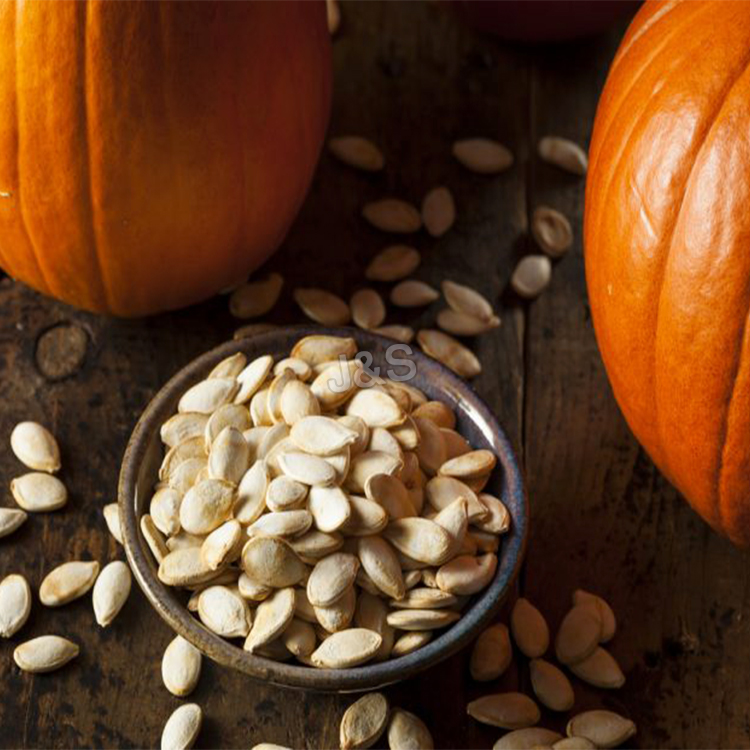
14 Years Manufacturer Pumpkin Seed Extract Supply to Uzbekistan
14 Years Manufacturer Pumpkin Seed Extract Supply to Uzbekistan Detail:
[Latin Name] Cucurbita pepo
[Plant Source]from China
[Specifications] 10:1 20:1
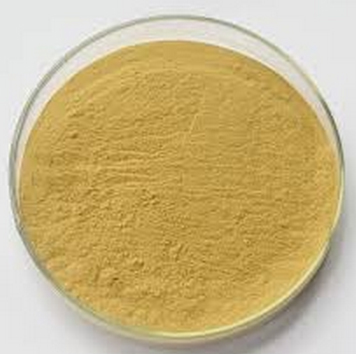
[Appearance] Brown yellow fine powder
Plant Part Used:Seed
[Particle size] 80 Mesh
[Loss on drying] ≤5.0%
[Heavy Metal] ≤10PPM
[Storage] Store in cool & dry area, keep away from the direct light and heat.
[Shelf life] 24 Months
[Package] Packed in paper-drums and two plastic-bags inside.
[Net weight] 25kgs/drum
Introduction
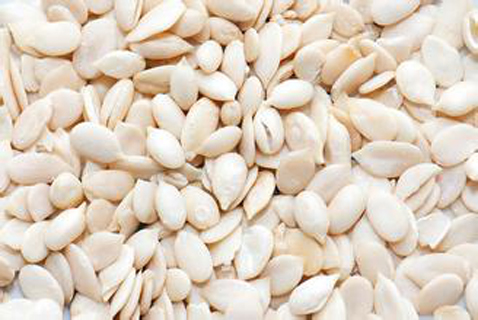
Pumpkin seed is used medicinally to help improve bowel function by ridding the intestinal tract of parasites and worms.
As raw material of drugs for eliminating insecticide, swelling, andpertussis, pumpkin seed extract is widely used in pharmaceutical industry;
As product of treating malnutrition and prostate, pumpkin seed extract is widely used in health industry.
FUNCTION:
1.Pumpkin seed extract can help to prevent the prostate disease.
2.Pumpkin seed extract has the function of treating whooping cough and children with sorethroat.
3.Pumpkin is also a natural source of magnesium, phosphorus, selenium, zinc, vitamin A, and vitamin C.
4.The cushaw extract is also a laxative, which can help to moisture the skin, is indeed a good beauty food for women.
5.Pumpkin seed is used medicinally to help improve bowel function by ridding the intestinal tract of parasites and worms.
6.The cushaw seed extract have much acid , this acid can relax the rest angina, and have a function to low the high blood liquid
Product detail pictures:
Related Product Guide:
Sticking to the belief of "Creating products of high quality and making friends with people from all over the world", we always put the interest of customers in the first place for 14 Years Manufacturer Pumpkin Seed Extract Supply to Uzbekistan , The product will supply to all over the world, such as: Brunei, Zimbabwe, Vietnam, If you are interested in any of our products or would like to discuss a custom order, please feel free to contact us. We are looking forward to forming successful business relationships with new clients around the world in the near future.
Goji berries are the red-orange fruits of certain Lycium species, highly revered as a major Chinese tonic herb for their blood building qualities and restorative effects on the liver, kidney and immune functions. Commonly brewed for centuries as an herbal substance in numerous tea preparations, they are known for their ability to replenish Yin Jing essence, the primordial energy of the body associated with the kidney-adrenal system, sexual libido and fertility. Containing specific phytonutrients, like lycium barbarum polysaccharides (LBPs), they have been utilized for centuries as a Chinese tea ingredient in herbal formulations. Today they are commonly consumed in the West as a dried fruit or soaked and blended into drinks.
Earth Circle s, Goji Berries – 1 lb – https://amzn.to/1UwifGy
Earth Circle s Raw Goji Berries — 8 oz – https://amzn.to/25YHn0r
Goji Berry Powder, 8oz, Raw, Sunfood – https://bit.ly/24MZEeC
Goji Berries, 16oz, Raw – Sunfood – https://bit.ly/1UMvk0M
Dragon Herbs Heaven Mountain Goji Berries – 8oz – https://bit.ly/1iQSPRD
Goji Berry Powder, Lost Empire Herbs, 50g – https://bit.ly/2ghLwvE
Nativas Naturals – Goji Berries, 4oz-16oz – https://bit.ly/1UMur8G
Mountain Rose Herbs, Lycii (Goji) Berries, , 1oz – 1lb – https://bit.ly/2gmwxhJ
JIng Herbs, Lycium (Goji) Extract Powder – 50 grams – https://bit.ly/25YGRzA
Dragon Herbs, Goji and Schizandra Drops – 2 fl oz, Dragon Herbs – https://bit.ly/18LPu6U
Goji Berries Page: https://bit.ly/1ushlAK
Additional Sourced Info:
Tibetan Goji Berries are not Chinese Wolfberries: https://bit.ly/1tt5sPa
Lycium barbarum polysaccharides: Protective effects against heat-induced damage of rat testes: https://1.usa.gov/1PpGdlc
The protective effect of goji berry extract in ischemic reperfusion in testis torsion: https://1.usa.gov/1VVUwV2
The effect of Lycium barbarum polysaccharides on erectile function recovery in a rat model of cavernous nerve injury: https://bit.ly/28A0TCP
An evidence-based update on the pharmacological activities and possible molecular targets of Lycium barbarum polysaccharides: https://1.usa.gov/1JCcuGv
Improvement effect of Lycium barbarum polysaccharide on sub-health mice: https://1.usa.gov/28A1SCS
Comparative analysis of carotenoid accumulation in two goji (Lycium barbarum L. and L. ruthenicum Murr.) fruits: https://1.usa.gov/1tncxjM
Fasting plasma zeaxanthin response to Fructus barbarum L. (wolfberry; Kei Tze) in a food-based human supplementation trial: https://1.usa.gov/1YogHE5
Lycium barbarum Polysaccharides Protect Human Lens Epithelial Cells against Oxidative Stress–Induced Apoptosis and Senescence: https://1.usa.gov/1tncmEZ
Nutrition Data, Goji Berries (Tibetan): https://bit.ly/1rmzdPJ
Lycium barbarum (goji) juice improves in vivo antioxidant biomarkers in serum of healthy adults: https://1.usa.gov/1YogD7s
Neuroprotective effects of anti-aging oriental medicine Lycium barbarum against beta-amyloid peptide neurotoxicity: https://1.usa.gov/1sCZSsO
All information is for educational purposes only and is the personal view of the author; not intended as medical advice,
diagnosis or prescription. This information has not been evaluated by the FDA and is not intended to cure or prevent any disease.
Goodbye Bad Cholesterol – Luxxe Protect Pure Grape-seed Extract
#LiveToInspire
#Stronghold
Be One of Us:
website: https://imfrontrow.com/join-jhan
mobile : 09101231290
facebook page : www.facebook.com/jhandim
fb profile: Mrstronghold Jhandim
email address : warrenisfrontrow@gmail.com
https://bit.ly/MAKEMONEYPH
 By Emma from France - 2018.12.10 19:03
We feel easy to cooperate with this company, the supplier is very responsible, thanks.There will be more in-depth cooperation.
By Jason from Kyrgyzstan - 2017.08.18 18:38