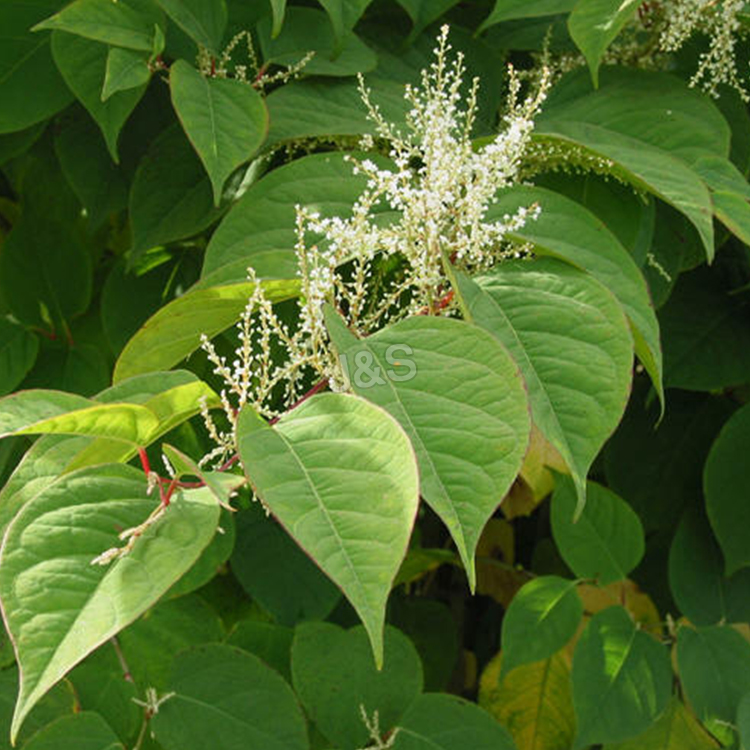
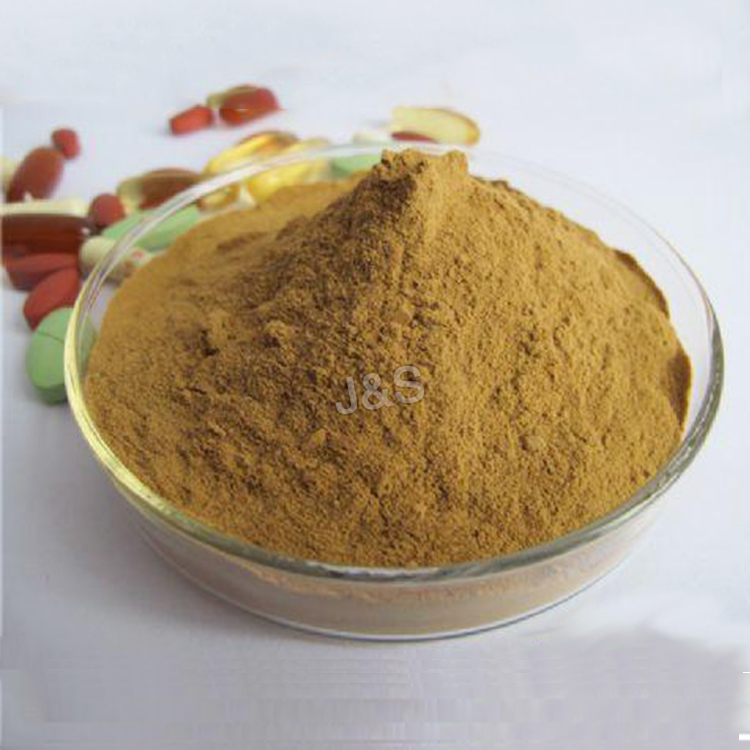
14 Years Manufacturer White Willow Bark Extract Factory for South Africa
14 Years Manufacturer White Willow Bark Extract Factory for South Africa Detail:
[Latin Name] Salix alba L.
[Plant Source] from China
[Specifications] Salicin 15-98%
[Appearance] Yellow Brown to White powder
Plant Part Used: Bark
[Particle size] 80 Mesh
[Loss on drying] ≤5.0%
[Heavy Metal] ≤10PPM
[Storage] Store in cool & dry area, keep away from the direct light and heat.
[Shelf life] 24 Months
[Package] Packed in paper-drums and two plastic-bags inside.
[Net weight] 25kgs/drum
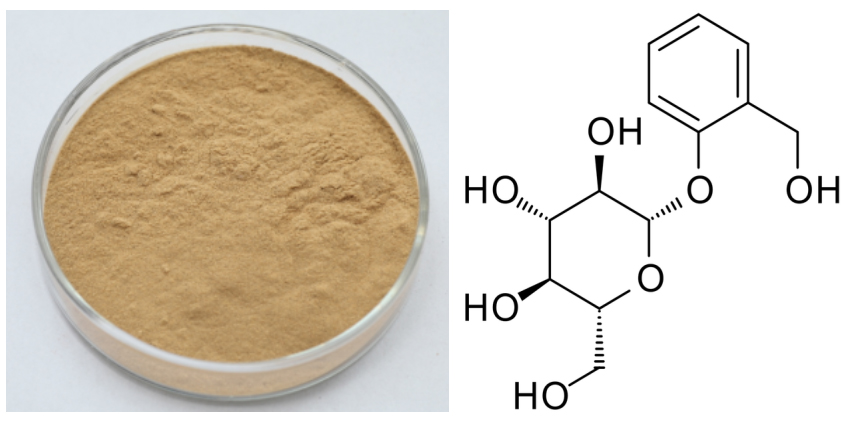
Brief Introduction
Salicin is a naturally occurring compound found in the bark of several species of trees, primarily North American in origin, that are from the willow, poplar, and aspen families. White willow, from whose Latin name, Salix alba, the term salicin is derived, is the most well known source of this compound, but it is found in a number of other trees, shrubs, and herbaceous plants as well being synthesized commercially. It is a member of the glucoside family of chemicals and is used as an analgesic and antipyretic. Salicin is used as a precursor for the synthesis of salicylic acid and acetylsalicylic acid, commonly known as aspirin.
A colorless, crystalline solid in its pure form, salicin has the chemical formula C13H18O7. Part of its chemical structure is equivalent to the sugar glucose, meaning it is classified as a glucoside. It is soluble, but not strongly so, in water and alcolhol. Salicin has a bitter taste and is a natural analgesic and antipyretic, or fever reducer. In large quantities, it can be toxic, and overdoses may lead to liver and kidney damage. In its raw form, it may be mildly irritating to skin, respiratory organs, and eyes.
Function
1. Salicin is used to ease pain and reduce inflammation.
2. Relieve acute and chronic pain, including headache, back and neck pain, muscle aches, and menstrual cramps; Control arthritis discomforts.
3. Relieve acute and chronic pain.
4. It has the same effect on the body as aspirin without any of the side effects.
5. It is an anti-inflammatory, a fever reducer, an analgesic, an anti-rheumatic, and an astringent. Specifically, it helps to relieve headaches.
Application
1.Anti-inflammatory, anti-rheumatic,
2.Reduce a fever,
3.Use as an analgesic and astringent,
4.Relieve headache,
5.Ease pain caused by rheumatism, arthritis, and carpal tunnel syndrome.
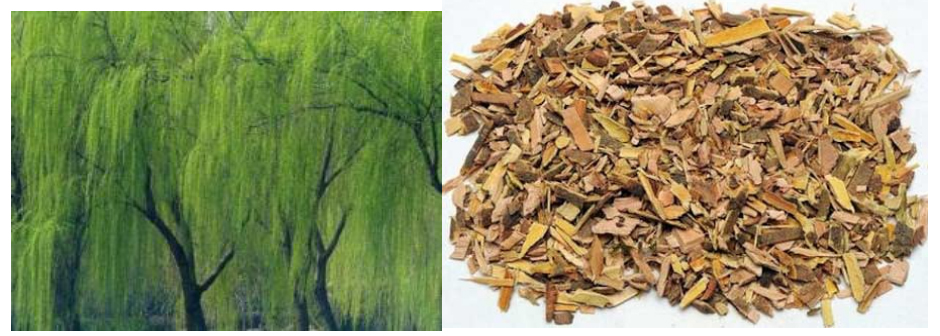
Product detail pictures:
Related Product Guide:
We are experienced manufacturer. Wining the majority of the crucial certifications of its market for 14 Years Manufacturer White Willow Bark Extract Factory for South Africa , The product will supply to all over the world, such as: UK, France, Hungary, We set a strict quality control system. We have return and exchange policy, and you can exchange within 7 days after receive the wigs if it is in new station and we service repairing free for our products. Please feel free to contact us for further information if you have any questions. We are glad to work for every client.
Fluffy Slime – Satisfying Slime ASMR !
I hope you like it; if it is please hit the like button and subscribe. Thanks!I
Slime was a toy product manufactured by pillo, sold in a plastic trash can and introduced in the winter of 1976. It consisted of a non-toxic viscous, squishy and oozy green or other color material made primarily from guar gum.[1] Different variations of Slime were released over the years, including Slime containing rubber insects, eyeballs, and worms and Masters of the Universe Slime for Hordak’s Slime Pit playset in the 1980s.
The late 1970s also introduced a Slime Monster board game; the object of the game was to avoid having your game piece slimed on by a foot-tall plastic monster that had slime oozing from its mouth. Other toy companies have produced their own slime such as the Ecto-Plazm play gel[2] sold with select figures in Kenner’s Real Ghostbusters toyline. Playmates’ Teenage Mutant Ninja Turtles figure line also had Retro-Mutagen slime sold in containers and included with playsets.
he main components are the polysaccharide guar gum and sodium tetraborate. As an alternative to the polysaccharide, other alcohol-group containing polymers (such as polyvinyl alcohol) may be used to a similar result. These non-polysacharide polymer products are more often referred to as flubber.
Polyvinyl acetate (Elmer’s glue), borax and water can also be used to approximate Slime’s characteristics.
An acronym for “Autonomous Sensory Meridian Response.”
The sole purpose of ASMR is to relax people. The ASMR community is constantly growing on Youtube. Ideally, ASMR videos are meant to give the viewer a relaxing tingle at the back of their head and/or spine. ASMR videos usually involve one or more of the following things:
• Gentle whispering
• Relaxing hand movements
• Smacking of the lips
• Nail tapping/scratching on hard surfaces such as tables
• Brushing sounds
• Etc.fluffy slime, fluffy slime asmr, fluffy slime poking, slime asmr, fluffy bubblegum slime, bubblegum slime, slime video, satisfying slime, slime poking, bubbly slime, crunchy slime, diy fluffy slime, diy bubblegum slime, slime sounds, satisfying video, slime, oddly satisfying, diy satisfying, asmr slime, pink slime, shaving foam slime, bubbly slime asmr, slimey
Penis Advantage – Natural Erection Enlargement
DOWNLOAD https://tinyurl.com/Penis-Enlargement-Guide-Advant
Penis Advantage Review
—————————————————————–
Did you know that it’s possible to enlarge your erection at home using nothing but your hands and a few specially designed and highly secret NATURAL exercises that anybody with two hands can do?
NO pills, NO pumps, NO weights, NO surgery
PenisAdvantage is well renowned for being a pioneer of the natural penis exercise movement and is truly on the map as the best site for guys looking for a REAL SOLUTION to their erection and sexual confidence problems, not some over-hyped scam.
Features:
- Lengthening of your erection – feel better about your penis when it appears longer and grow in confidence when your partner notices!
- Thickening of your erection – women often state it’s the thickness or girth of a penis that they prefer, a feeling of fullness is what pleasures them the most as opposed to length.
- Get a fuller, thicker and bigger head – the healthier your erection and the more blood you can squirt in there, the larger your penis head will appear when erect. There’s nothing better than a more muscular, mushroomed looking penis head!
- Get More Powerful erections – Develop ‘rock hard’ erections, each and every time no matter your age!
- Get better sexual control – when you can control the precise moment you ejaculate, delaying orgasm for long periods of time, you’ll feel like the master of the bedroom and she’ll love you more for it – we show you how!
- Have POWERFUL multiple orgasms for you and her – Learn the sex secrets of the PC muscle and have sex for hours, ejaculating multiple times.
- End premature ejaculation – Have sex for as long as you want, and satisfy her fully!
AND MANY MORE!
Link: https://tinyurl.com/Penis-Enlargement-Guide-Advant
Penis Advantage – Natural erection enlargement
 By Karen from Florida - 2018.12.22 12:52
The customer service reprersentative explained very detailed, service attitude is very good, reply is very timely and comprehensive, a happy communication! We hope to have a opportunity to cooperate.
By James Brown from Albania - 2018.09.21 11:01