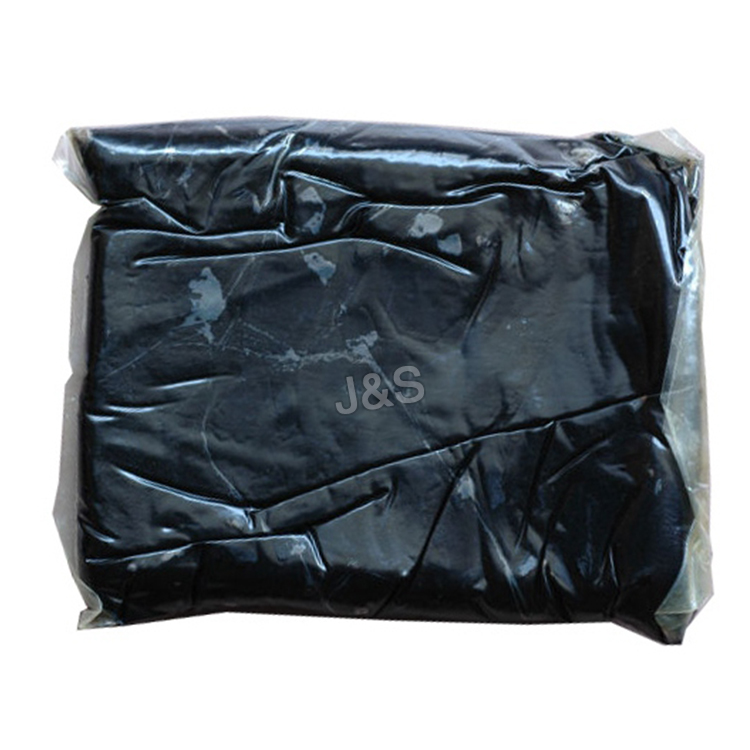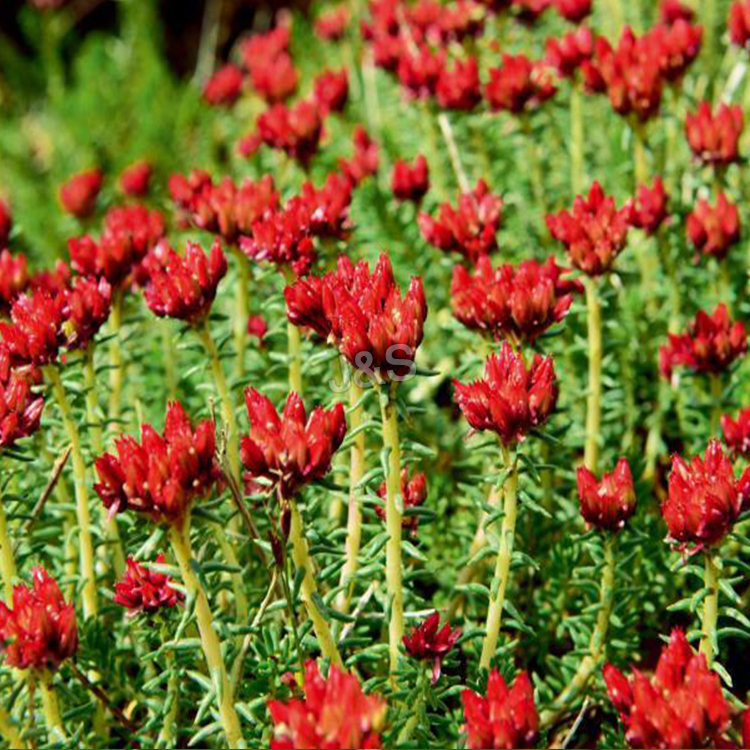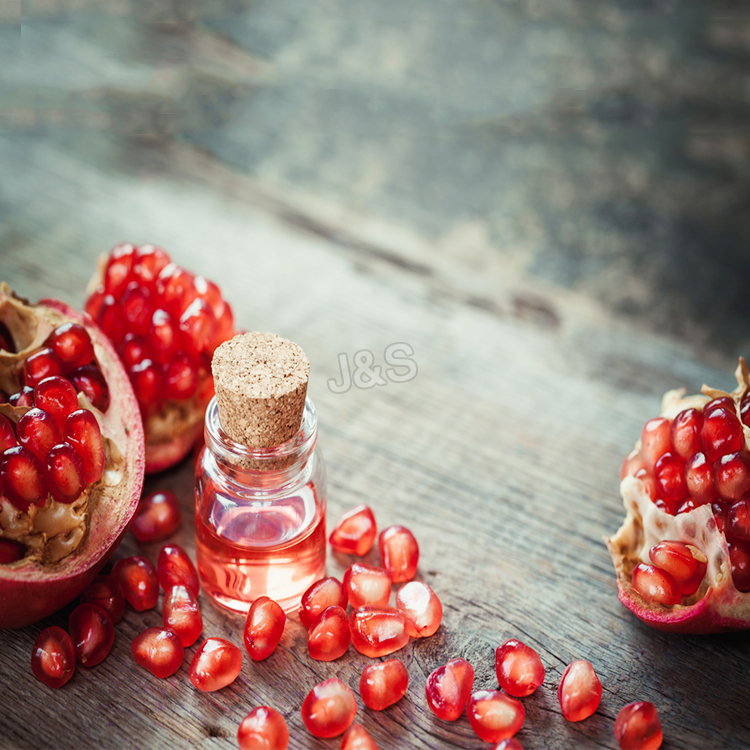
15 Years Factory wholesale Pomegranate seed extract Factory from Kyrgyzstan
15 Years Factory wholesale Pomegranate seed extract Factory from Kyrgyzstan Detail:
[Latin Name] Punica granatum L
[Plant Source] from China
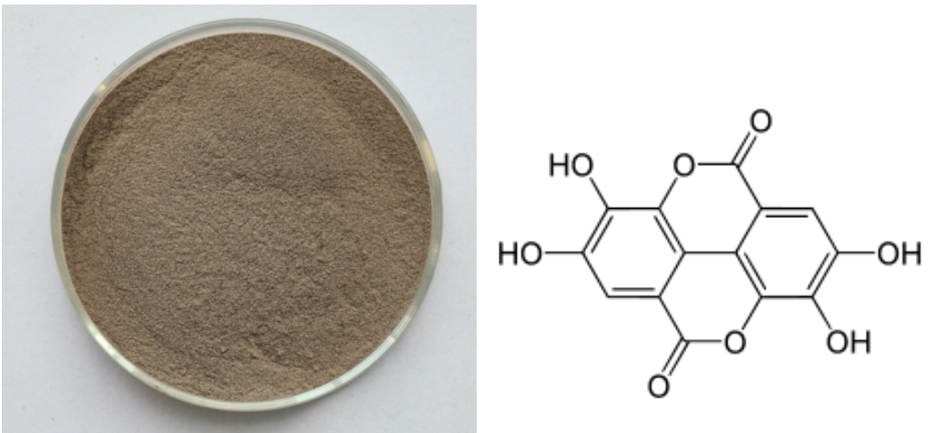
[Specifications]Ellagic acid≥40%
[Appearance] Brown Fine Powder
Plant Part Used:Seed
[Particle size] 80 Mesh
[Loss on drying] ≤5.0%
[Heavy Metal] ≤10PPM
[Storage] Store in cool & dry area, keep away from the direct light and heat.
[Shelf life] 24 Months
[Package] Packed in paper-drums and two plastic-bags inside.
[Net weight] 25kgs/drum
Introduction
Pomegranate, (Punica granatum L in Latin), belongs to the family Punicaceae which includes only one genus and two species. The tree is native from Iran to the Himalayas in northern India and has been cultivated since ancient times throughout the Mediterranean region of Asia, Africa and Europe.
Pomegranate offers abundant benefits for the cardiovascular system by preventing damage to arterial walls, promoting healthy blood pressure levels, improving blood flow to the heart, and preventing or reversing atherosclerosis.
Pomegranate may benefit people with diabetes and those at risk for the disease. It helps lower after-meal blood sugar levels and protects the cardiovascular system from diabetes-induced damage.
Pomegranate shows promise in killing prostate cancer cells, whether the cells are hormone-sensitive or not. Pomegranate also helped halt the progression of prostate cancer in men who had undergone surgery or radiation for the disease.
Pomegranate may fight the degeneration of joint tissue that leads to painful osteoarthritis, and may protect the brain against oxidative stress-induced changes that can lead to Alzheimer’s. Pomegranate extracts—alone or in combination with the herb gotu kola—help kill the bacteria that contribute to dental plaque, while helping to heal gum disease. Pomegranate also appears to protect the health of the skin and liver.
Function
1.Anti-cancer of rectum and colon, esophageal carcinoma,liver cancer,lung cancer,carcinoma of tongue and skin.
2.Restrain to human immunodeficiency virus(HIV) and many kinds of microbe and virus.
3.Anti-oxidant, coagulant, descenting blood pressure and sedation.
4.Resist to anti-oxidance, senescence inhibition and skin whitening
5.Treat kinds of symptoms caused by high blood sugar, hypertension.
6.Resist to atherosclerosis and tumour.
Application
Pomegranate P.E. can be made into capsules, troche and granule as healthy food. Besides, it has good solubility in water plus the solution transparence and brilliance color, has been widely added into the beverage as the functional content.
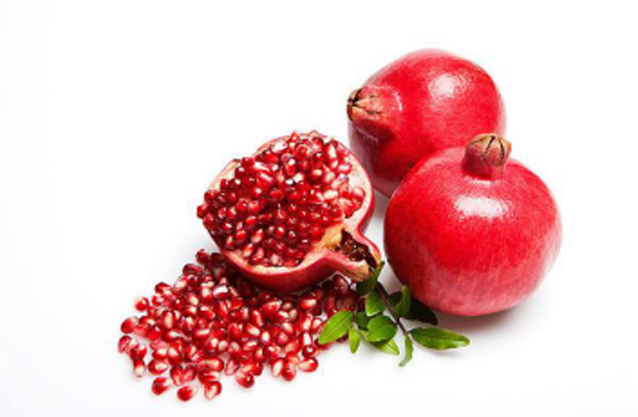
Product detail pictures:
Related Product Guide:
We take pleasure in a really excellent name amongst our shoppers for our exceptional product or service excellent, competitive rate and also the greatest services for 15 Years Factory wholesale Pomegranate seed extract Factory from Kyrgyzstan , The product will supply to all over the world, such as: Albania, Morocco, venezuela, With the goal of "zero defect". To care for the environment, and social returns, care employee social responsibility as own duty. We welcome friends from all over the world to visit and guide us so that we can achieve the win-win goal together.
Why wait Order now :
https://myrainoffice.com/enroll/self_enroll_pc.php?sponsor=125969
Information :
www.rainsoul2u.com
call & delivery +6013-373 0101
https://www.myrainlife.com/johnnylee
https://www.facebook.com/rainsoul2u
What is Rain Soul ?
Rain Soul Powerful Antioxidants & Essential Fatty Acids to energize, revitalize, detoxify your mind, body & soul. Black cumin seed, Black raspberry seed, Grape seed, Ribose-D, Resveratrol.
富 含 抗 氧 化, 人 体 内 必 需 脂 肪 酸, 帮 助 人 脑 和 身 体 排 毒. 古 书 记 载 黑 小 茴 香 除 了 无 法 起 死 回 生, 种 籽 可 做 为 每 种 疾 病 的 治 疗 药 物.
Dr Otto Heinrich Warburg (Germany)
Nobel Prize in Medicine 1931 : Biochemist
The body requires special fats that, among other important functions. make it possible for sufficient oxygen to reach the cells via the cellular membranes. Which are the key, These special fats are highly oxygen-absorbing. Called Essential Fatty Acids, or EFAs, these special fats must be supplied from outside the body every day.
Black raspberry seed :
Contain antioxidant-like phytonutrients including ellagitannins and anthocyanins. These may help fight viruses, inflammation, and a number of other serious health conditions. Antioxidants seek out and eliminate cell-damaging substances, called free radicals. Free radicals can occur naturally in the body or from exposure to environmental toxins. Although ellagitannins exist in most berries, raspberries contain the the most potent levels.
Black raspberry seed :
Contain antioxidant-like phytonutrients including ellagitannins and anthocyanins. These may help fight viruses, inflammation, and a number of other serious health conditions. Antioxidants seek out and eliminate cell-damaging substances, called free radicals. Free radicals can occur naturally in the body or from exposure to environmental toxins. Although ellagitannins exist in most berries, raspberries contain the the most potent levels.
Grape seed :
Grape seeds have an abundant source of flavonoids called proanthocyanidins. This is important for brain health due to their free radical-quenching antioxidant and collagen-protecting effects. Proanthocyanidins have also been shown to noticeably delay the onset of lipid peroxidation and to effectively chelate iron ions. Free iron ions are some of the most powerful promoters of lipid peroxide, hydrogen peroxide and hydroxyl radical production. This is a major contributor to the pathogenesis of Parkinsons disease, one of the most common neurological diseases in older individuals.
Ribose-D :
Ribose-D is a five-carbon sugar found in every cell in our bodies that combines with oxygen and ATP (adenosine triphoshate) to give energy to each cell. Ribose is also present in RNA (ribonucleic acid), which is one of the main information carriers of living organisms. Oxidative stress, as measured by free radical damage to cells, leads to systematic inflammation. Fortunately, our bodies handle this problem daily. However, if our bodies experience an abnormal increase in free radicals due to exercise, daily stress, excess smoking, excess saturated fat intake, depressed immune system, aging, etc., the body becomes fatigued and less efficient in producing Ribose-D to replenish cellular energy. Because of this, we need to supplement with Ribose-D in order to regenerate the cells energy system.
Grape Extracts Resveratrol :
Grape skin extract contains trans-resveratrol which is considered a natural antibiotic that can fight bacterial diseases. Resveratrol may help protect the body from various diseases and slowing down the aging process.
BUY NOW RAIN SOUL :
Rain International . rain soul Asia . rain soul North America . rain soul Canada . rain soul United States . rain soul USA . rain soul Europe . rain soul Germany . rain soul United Kingdom . rain soul Croatia . rain soul Hungary . rain soul Romania . rain soul Serbia . rain soul Slovakia . rain soul Asia . rain soul China . rain soul Hong Kong . rain soul Indonesia . rain soul Japan . rain soul Malaysia . rain soul Philippines . rain soul Singapore . rain soul Brunei . rain soul Taiwan . rain soul Thailand . rain soul Shanghai
BUY NOW RAIN CORE :
Rain International . rain core Asia . rain core North America . rain core Canada . rain core United States . rain core USA . rain core Europe . rain core Germany . rain core United Kingdom . rain core Croatia . rain core Hungary . rain core Romania . rain core Serbia . rain core Slovakia . rain core Asia . rain core China . rain core Hong Kong . rain core Indonesia . rain core Japan . rain core Malaysia . rain core Philippines . rain core Singapore . rain core Brunei . rain core Taiwan . rain core Thailand . rain core Shanghai
How to order rain soul . how to buy rain soul . buy rain soul . rain nutrition . rain soul how to buy . be a rain soul distributor .
God is Good & Great…!!!
Jesus Bless You & Love You…!!!
“Human Physiology” is a free online course on Janux that is open to anyone. Learn more at https://janux.ou.edu.
Created by the University of Oklahoma, Janux is an interactive learning community that gives learners direct connections to courses, education resources, faculty, and each other. Janux courses are freely available or may be taken for college credit by enrolled OU students.
Dr. Heather R. Ketchum is an Associate Professor of Biology.
Video produced by NextThought (https://nextthought.com).
Copyright © 2000-2014 The Board of Regents of the University of Oklahoma, All Rights Reserved.
 By Nana from Guinea - 2017.06.19 13:51
This company has the idea of "better quality, lower processing costs, prices are more reasonable", so they have competitive product quality and price, that's the main reason we chose to cooperate.
By Jean Ascher from Curacao - 2018.12.28 15:18