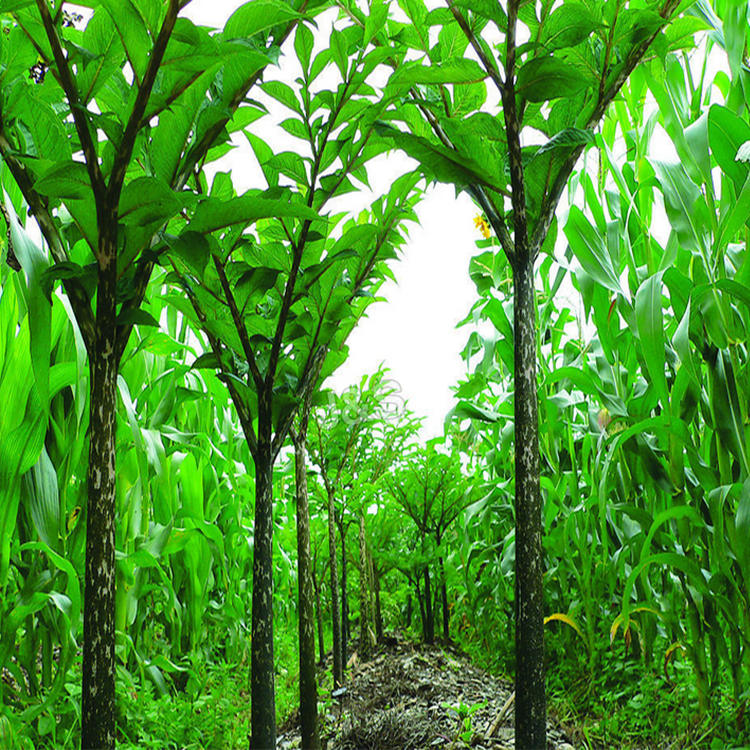
15 Years Manufacturer Konjac Gum Powder Factory for Serbia
15 Years Manufacturer Konjac Gum Powder Factory for Serbia Detail:
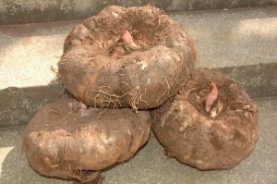
[Latin Name] Amorphophallus konjac
[Plant Source] from China
[Specifications] Glucomannan85%-90%
[Appearance] White or cream-color powder
Plant Part Used:Root
[Particle size] 120 Mesh
[Loss on drying] ≤10.0%
[Heavy Metal] ≤10PPM
[Storage] Store in cool & dry area, keep away from the direct light and heat.
[Shelf life] 24 Months
[Package] Packed in paper-drums and two plastic-bags inside.
[Net weight] 25kgs/drum
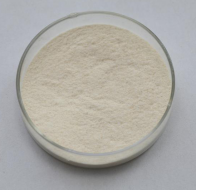
[Introduction]
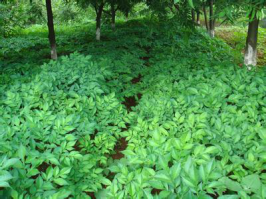
Konjac is a plant that is found in China, Japan and Indonesia. The plant is part of the genus Amorphophallus. Typically, it thrives in the warmer regions of Asia.
The extract of the Konjac root is referred to as Glucomannan. Glucomannan is a fiber-like substance traditionally used in food recipes, but now it is utilized as an alternative means of weight loss. Along with this benefit, konjac extract contains other benefits for the rest of the body as well.
The main material of the natural konjac gum is fresh konjac, which grow in virgin forest in Hubei area. We use advanced method to distill the KGM, aminophenol, Ca, Fe, Se which are good for health. Konjac is known as“ the seventh nutriment for human”.
Konjac Gum with its special water holiding capacity, stability, emulsibility, thickening property,suspension property and gel propery can especially adopted in food industry.
[Main Function]
1.It could reduce postprandial glycemia, blood cholesterol and blood pressure.
2.It could control appetite and reduce body weight.
3.It could increase insulin sensitivity.
4.It could control insulin resistant syndrome and diabetesII development.
5.It could reduce heart disease.
[Application]
1) Gelatinizer(jelly, pudding, Cheese, soft candy, jam );
2) Stabilizer(meat, beer);
3) Film Former(capsule, preservative)
4) Water-keeping agent( Baked Foodstuff );
5) Thickener (Konjac Noodles, Konjac Stick, Konjac Slice, Konjac Imitating Food stuff);
6) Adherence agent( Surimi );
7) Foam Stabilizer (ice cream, cream, beer)
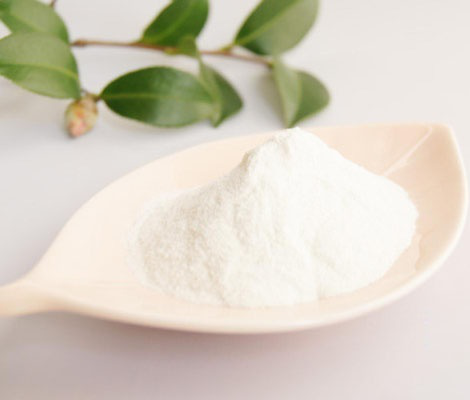
Product detail pictures:
Related Product Guide:
We now have a specialist, efficiency workforce to deliver excellent service for our purchaser. We always follow the tenet of customer-oriented, details-focused for 15 Years Manufacturer Konjac Gum Powder Factory for Serbia , The product will supply to all over the world, such as: Irish, Tanzania, United Kingdom, We warmly welcome your patronage and will serve our clients both at home and abroad with products and solutions of superior quality and excellent service geared to the trend of further development as always. We believe you will benefit from our professionalism soon.
Trà Xanh và Nấm Linh Chi là hai dược liệu quí trong tự nhiên giúp ngăn chặn tế bào ung thư, mà không làm tổn hại đến các tế bào lành.
Đây là một trong các video phóng sự được làm tại Đài Loan, ghi nhận các trường hợp thực tế đã điều trị thành công bệnh Ung thư bằng cách kết hợp các phương pháp hiện có với Cao Khô Linh Chi Đỏ Reishimax & Chiết Xuất Trà Xanh Tegreen’97. Reishimax và Tegreen97 là 2 sản phẩm đã được chứng minh hiệu quả tốt trên lâm sàng và đã được đưa vào danh mục thuốc điều trị tại liên bang Mỹ – The Federal Physical Desk Reference (PDR.net)
Bạn hãy chia sẻ cho thật nhiều người biết để giúp họ hoặc người thân có thêm phương pháp thiết thực thoát khỏi căn bệnh quái ác này nhé.
Để biết thêm chi tiết về cơ chế tác dụng xin vui lòng liên hệ qua email songtresongkhoe@gmail.com
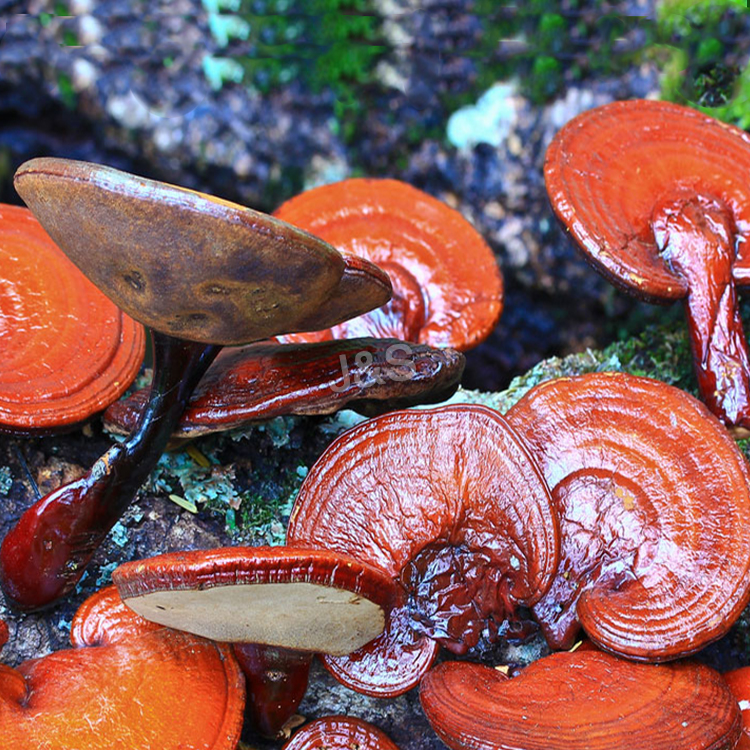
More and more proofs of EGCG in green tea and Polysacchride in Lingzhi help killing maglinent cells but protect healthy cells.
This is one of video reports from Taiwan, about successful testimonials of different type cancer patients who applied a combine treatment of current oncology plus high concentrate red Ganoderma Lucidum mushroom (Reishimax) and green tea high concentrate (Tegreen’97). We can trust the safety and effectiveness of Reishimax & Tegreen97 as they are listed in The Federal Physical Desk Reference (PDR.net)
Please share to more friends and beloves to help them get rid of this devil disease
For more details on treatment and dosage please contact through email songtresongkhoe@gmail.com
Components of the gastrointestinal tract (GI tract) and digestive enzymes. This video and other related animations and images are available for instant download licensing here: https://www.alilamedicalmedia.com/-/galleries/images-videos-by-medical-specialties/gastroenterology-digestive-diseases
Voice by: Sue Stern
©Alila Medical Media. All rights reserved.
The digestive system is composed of 2 main components: the gastrointestinal tract, or GI tract, where digestion and absorption take place; and accessory organs which secrete various fluids/enzymes to help with digestion. The GI tract is a continuous chain of organs where food enters at one end and waste gets out from the other. These organs are lined with smooth muscles whose rhythmic contractions generate waves of movement along their walls, known as peristalsis. Peristalsis is the force that propels food down the tract.
Digestion is the process of breaking down food into smaller, simpler components, so they can be absorbed by the body. Basically, carbohydrates such as sugars and starch are broken down into glucose, proteins into amino acids, and fat molecules into fatty acids and glycerol.
Digestion starts in the oral cavity where the food is moistened with saliva and chewed, food bolus is formed to facilitate swallowing. Saliva is secreted by the salivary glands and contains the enzyme amylase. Amylase breaks down starch into maltose and dextrin which are processed further in the small intestine.
The food bolus is propelled down the esophagus into the stomach, the major organ of the GI tract. The stomach produces gastric juice containing pepsin, a protease, and hydrochloric acid which act to digest proteins. At the same time, mechanical churning is performed by muscular contraction of the stomach wall. The result is the formation of chyme, a semi-liquid mass of partially digested food. Chyme is stored in the stomach and is slowly released into the first part of the small intestine, the duodenum. The duodenum receives the following digestive enzymes from accessory organs:
- Bile, produced in the liver and stored in the gallbladder; bile emulsifies fats and makes it easier for lipases to break them down.
- Pancreatic juice from the pancreas. This mixture contains proteases, lipases and amylase, and plays major role in digestion of proteins and fats.
The small intestine also produces its own enzymes: peptidases, sucrase, lactase, and maltase. Intestinal enzymes contribute mainly to the hydrolysis of polysaccharides.
The small intestine is where most of digestion and absorption take place. The walls of the small intestine absorb the digested nutrients into the bloodstream, which in turn delivers them to the rest of the body. In the small intestine, the chyme moves more slowly allowing time for thorough digestion and absorption. This is made possible by segmentation contractions of the circular muscles in the intestinal walls. Segmentation contractions move chyme in both directions. This allows a better mixing with digestive juices and a longer contact time with the intestinal walls.
The large intestine converts digested left-over into feces. It absorbs water and any remaining nutrients. The bacteria of the colon, known as gut flora, can break down substances in the chyme that are not digestible by the human digestive system. Bacterial fermentation produces various vitamins that are absorbed through the walls of the colon. The semi-solid fecal matter is then stored in the r. until it can be pushed out from the body during a bowel movement.
All images/videos by Alila Medical Media are for information purposes ONLY and are NOT intended to replace professional medical advice, diagnosis or treatment. Always seek the advice of a qualified healthcare provider with any questions you may have regarding a medical condition.
A good manufacturers, we have cooperated twice, good quality and good service attitude.