15 Years Manufacturer Pomegranate seed extract Supply to Saudi Arabia
15 Years Manufacturer Pomegranate seed extract Supply to Saudi Arabia Detail:
[Latin Name] Punica granatum L
[Plant Source] from China
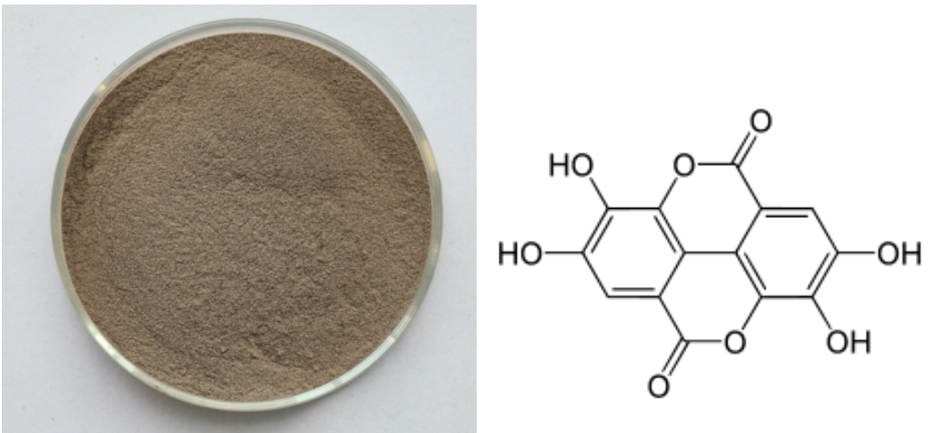
[Specifications]Ellagic acid≥40%
[Appearance] Brown Fine Powder
Plant Part Used:Seed
[Particle size] 80 Mesh
[Loss on drying] ≤5.0%
[Heavy Metal] ≤10PPM
[Storage] Store in cool & dry area, keep away from the direct light and heat.
[Shelf life] 24 Months
[Package] Packed in paper-drums and two plastic-bags inside.
[Net weight] 25kgs/drum
Introduction
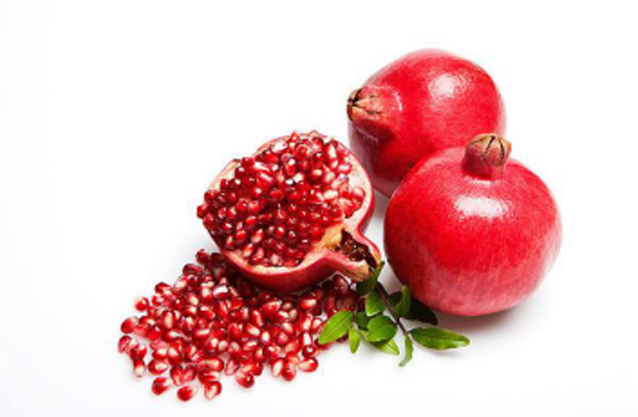
Pomegranate, (Punica granatum L in Latin), belongs to the family Punicaceae which includes only one genus and two species. The tree is native from Iran to the Himalayas in northern India and has been cultivated since ancient times throughout the Mediterranean region of Asia, Africa and Europe.
Pomegranate offers abundant benefits for the cardiovascular system by preventing damage to arterial walls, promoting healthy blood pressure levels, improving blood flow to the heart, and preventing or reversing atherosclerosis.
Pomegranate may benefit people with diabetes and those at risk for the disease. It helps lower after-meal blood sugar levels and protects the cardiovascular system from diabetes-induced damage.
Pomegranate shows promise in killing prostate cancer cells, whether the cells are hormone-sensitive or not. Pomegranate also helped halt the progression of prostate cancer in men who had undergone surgery or radiation for the disease.
Pomegranate may fight the degeneration of joint tissue that leads to painful osteoarthritis, and may protect the brain against oxidative stress-induced changes that can lead to Alzheimer’s. Pomegranate extracts—alone or in combination with the herb gotu kola—help kill the bacteria that contribute to dental plaque, while helping to heal gum disease. Pomegranate also appears to protect the health of the skin and liver.
Function
1.Anti-cancer of rectum and colon, esophageal carcinoma,liver cancer,lung cancer,carcinoma of tongue and skin.
2.Restrain to human immunodeficiency virus(HIV) and many kinds of microbe and virus.
3.Anti-oxidant, coagulant, descenting blood pressure and sedation.
4.Resist to anti-oxidance, senescence inhibition and skin whitening
5.Treat kinds of symptoms caused by high blood sugar, hypertension.
6.Resist to atherosclerosis and tumour.
Application
Pomegranate P.E. can be made into capsules, troche and granule as healthy food. Besides, it has good solubility in water plus the solution transparence and brilliance color, has been widely added into the beverage as the functional content.
Product detail pictures:
Related Product Guide:
Our merchandise are commonly identified and dependable by end users and will meet continually altering financial and social desires for 15 Years Manufacturer Pomegranate seed extract Supply to Saudi Arabia , The product will supply to all over the world, such as: Palestine, Greek, Sudan, Welcome to visit our company and factory, there are various products displayed in our showroom that will meet your expectation, meanwhile, if you are convenient to visit our website, our sales staff will try their efforts to provide you the best service
https://realgoodformen.com presents news on the natural aphrodisiac known as “horny goat weed” that is used in some “natural Viagra” pills to help men get a bigger penis.
Pinched Nerve in Neck Symptoms, Causes, Treatment to Help Cure Pinched Nerve and Neck Pain, Shoulder Pain. A “pinched nerve” is the name given to the uncomfortable sensation, pain, or numbness caused when increased pressure leads to irritation or damage to a peripheral nerve (A peripheral nerve is one that is outside the brain and spinal cord.). Although this condition is often associated with back pain or a neck injury, almost any nerve is susceptible. The perception of pain varies with each individual; terms such as stabbing, prickling, burning, tingling, and other descriptions have been used. Nerve pain is difficult to live with but in most individuals, it can be reduced. Nerve pain is also called neuropathic pain. What are the risk factors for a pinched nerve?
Anything which increases pressure around a nerve can cause a pinched nerve. Common causes include body position such as leaning on elbows, habitually crossing legs, or poor posture. Over time this may lead to pressure injury to nerves in these regions.
Disc herniation or bulging discs and arthritis in the spine can cause pressure on nerve roots which leads to the pain or discomfort associated with a pinched nerve.
Weight gain or water retention can predispose people to developing pinched nerves; thyroid disease (especially hypothyroidism, or low thyroid hormone levels) can contribute to both water retention and weight gain and can increase the risk of certain types of pinched nerves.
Pregnancy, which is associated with increased weight and occasionally associated with water retention, is also a common risk factor for developing certain types of pinched nerves.
Repetitive activities (typing and using certain tools) can also increase swelling around specific nerves and lead to symptoms of a pinched nerve.
 By Nicci Hackner from kazakhstan - 2018.10.31 10:02
High production efficiency and good product quality, fast delivery and completed after-sale protection, a right choice, a best choice.
By Rigoberto Boler from Czech - 2018.12.11 11:26