2016 China New Design Huperzine A Factory from Montreal
2016 China New Design Huperzine A Factory from Montreal Detail:
[Latin Name]Huperzia serratum
[Source] Huperziceae whole herb from China
[Appearance]Brown to white
[Ingredient]Huperzine A
[Specification]Huperzine A 1% – 5%, HPLC
[Solubility] Soluble in chloroform, methanol, ethanol, slightly soluble in water
[Particle size] 80 Mesh
[Loss on drying] ≤5.0%
[Heavy Metal] ≤10PPM
[Pesticide residue] EC396-2005, USP 34, EP 8.0, FDA
[Storage] Store in cool & dry area, keep away from the direct light and heat.
[Shelf life] 24 Months
[Package] Packed in paper-drums and two plastic-bags inside.
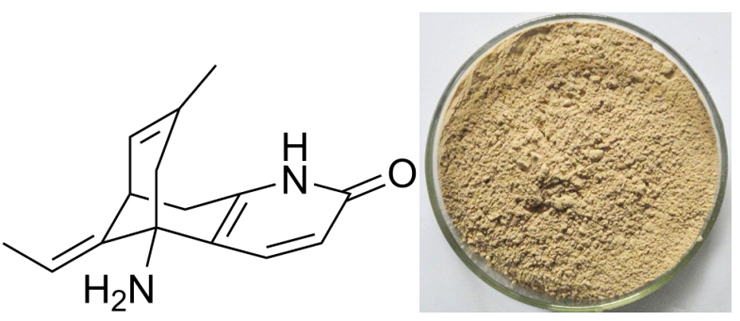
[What is Huperzine A]
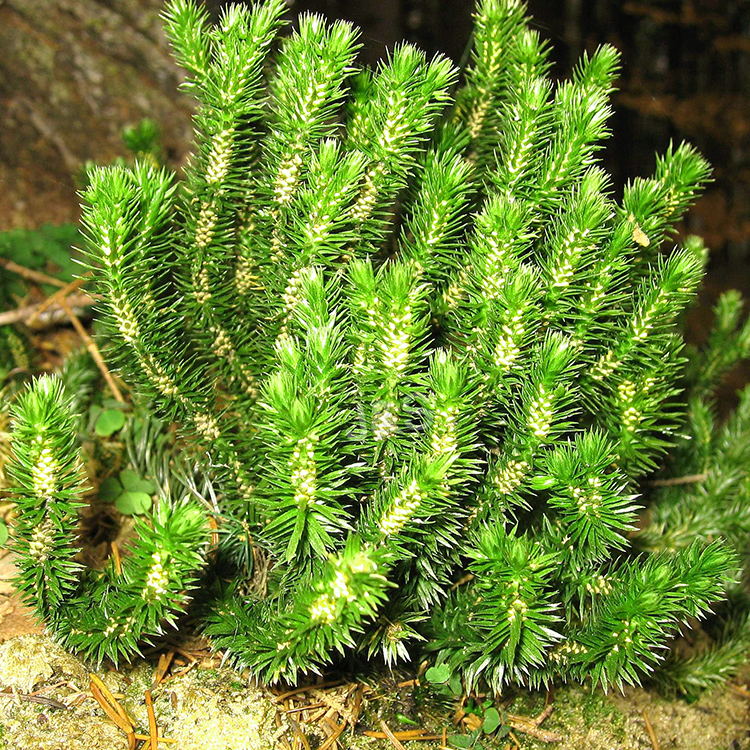
Huperzia is a type of moss that grows in China. It is related to club mosses (the Lycopodiaceae family) and is known to some botanists as Lycopodium serratum . The whole prepared moss was used traditionally. Modern herbal preparations use only the isolated alkaloid known as huperzine A. Huperzine A is an alkaloid found in huperzia that has been reported to prevent the breakdown of acetylcholine, an important substance needed by the nervous system to transmit information from cell to cell. Animal research has suggested that huperzine A’s ability to preserve acetylcholine may be greater than that of some prescription drugs. Loss of acetylcholine function is a primary feature of several disorders of brain function, including Alzheimer’s disease . Huperzine A may also have a protective effect on brain tissue, further increasing its theoretical potential for helping reduce symptoms of some brain disorders.
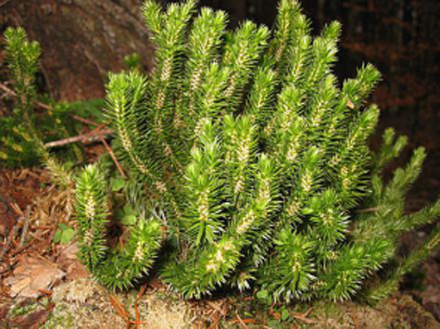
[Function] Used in alternative medicine, huperzine A has been found to act as a cholinesterase inhibitor, a type of medicine used to prevent the breakdown of acetylcholine (a chemical essential to learning and memory).
Not only used as a treatment for Alzheimer’s disease, huperzine A is also said to enhance learning and memory and to protect against age-related cognitive decline.
In addition, huperzine A is sometimes used to boost energy, increase alertness, and aid in the treatment of myasthenia gravis (an autoimmune disorder that affects the muscles).
Product detail pictures:
Related Product Guide:
We can constantly satisfy our respected customers with our good high quality, good price tag and good support due to we have been additional specialist and extra hard-working and do it in cost-effective way for 2016 China New Design Huperzine A Factory from Montreal , The product will supply to all over the world, such as: Amman, Brisbane, Florence, As an experienced factory we also accept customized order and make it same as your picture or sample specifying specification and customer design packing. The main goal of the company is to live a satisfactory memory to all the customers,and establish a long term win-win business relationship. For more information,please contact us. And it's our great pleasure if you like to have a personally meeting in our office.
En Ucuz Nature’s Bounty Ürünleri
Nature,s Bounty ,nature’s bounty biotin, Nature’s Bounty calcium magnesium zinc, Nature’s Bounty ginseng complex, Nature’s Bounty l-carnitine, Nature’s Bounty omega 3, Nature’s Bounty ürünleri, Nature’s Bounty therm complex, Nature’s Bounty türkiye, Nature’s Bounty formula snh, Natures Bounty,natures bounty türkiye,natures bounty fish oil,natures bounty vitamin,natures bounty vitamins,natures bounty calcium,natures bounty codes,natures bounty jobs,natures bounty morganton nc,natures bounty coupons,
Nature’s Bounty ürünlerine en uygun fiyatlar ve ödeme koşulları ile https://www.dermobakim.com/Nature-s-Bounty_br_262 den satın alarak sahip olabilirsiniz
Nature’s Bounty Evening Primrose Oil 1000 mg 60 Soft jel https://www.dermobakim.com/Nature-s-Bounty-Evening-Primrose-Oil-1000-mg-60-Soft-jel_3220.html#0
Nature’s Bounty Biotin 5000 Mcg 60Kapsül https://www.dermobakim.com/Nature-s-Bounty-Biotin-5000-Mcg-60Kapsul_3228.html#0
Nature’s Bounty Ginseng Complex Plus Royal Jelly 75 Kapsül https://www.dermobakim.com/Nature-s-Bounty-Ginseng-Complex-Plus-Royal-Jelly-75-Kapsul_3213.html#0
Nature’s Bounty Chromium Picolinate 200 mcg 100 Tablet Nature’s Bounty Chromium Picolinate 200 mcg 100 Tablet
Nature’s Bounty Gentle Iron 28mg 90 Kapsül https://www.dermobakim.com/Nature-s-Bounty-Gentle-Iron-28mg-90-Kapsul_3215.html#0
Nature’s Bounty Folic Acid 400 mcg 100Tablet https://www.dermobakim.com/Nature-s-Bounty-Folic-Acid-400-mcg-100Tablet_3217.html#0
Nature’s Bounty L-Carnitine 500mg 30Kapsül https://www.dermobakim.com/Nature-s-Bounty-L-Carnitine-500mg-30Kapsul_3212.html#0
Nature’s Bounty Flush Free Niacin 500 mg 50Kapsül https://www.dermobakim.com/Nature-s-Bounty-Flush-Free-Niacin-500-mg-50Kapsul_3218.html#0
Nature’s Bounty Cla 1000 Mg 50 Soft jel https://www.dermobakim.com/Nature-s-Bounty-Cla-1000-Mg-50-Soft-jel_3222.html#0
Nature’s Bounty ThermComplex 60 Kapsül https://www.dermobakim.com/Nature-s-Bounty-ThermComplex-60-Kapsul_3206.html#0
Nature’s Bounty St. John,s Wort 300 Mg 100 Kapsül https://www.dermobakim.com/Nature-s-Bounty-St-John-s-Wort-300-Mg-100-Kapsul_3207.html#0
Nature’s Bounty Q-Sorb Co-Q10 100mg Plus 60 Softjel https://www.dermobakim.com/Nature-s-Bounty-Q-Sorb-Co-Q10-100mg-Plus-60-Softjel_3208.html#0
Nature’s Bounty Natural Selenium 200 mcg 50 Tablet https://www.dermobakim.com/Nature-s-Bounty-Natural-Selenium-200-mcg-50-Tablet_3209.html#0
Nature’s Bounty Multi-DayTM with Green Tea 50Tablet https://www.dermobakim.com/Nature-s-Bounty-Multi-DayTM-with-Green-Tea-50Tablet_3210.html#0
Nature’s Bounty Milk Thistle 175 mg 50Kapsül https://www.dermobakim.com/Nature-s-Bounty-Milk-Thistle-175-mg-50Kapsul_3211.html#0
Nature’s Bounty Ginkgo Biloba 60 Mg 60 Tablet https://www.dermobakim.com/Nature-s-Bounty-Ginkgo-Biloba-60-Mg-60-Tablet_3214.html#0
Nature’s Bounty Formula SNHTM 60Tablet https://www.dermobakim.com/Nature-s-Bounty-Formula-SNHTM-60Tablet_3216.html#0
Nature’s Bounty Fish Oil 1000 Mg 50Soft jel https://www.dermobakim.com/Nature-s-Bounty-Fish-Oil-1000-Mg-50Soft-jel_3219.html#0
Nature’s Bounty Echinacea Extract 30ml https://www.dermobakim.com/Nature-s-Bounty-Echinacea-Extract-30ml_3221.html#0
Nature’s Bounty Chelated Zinc 25 Mg 100Tablet https://www.dermobakim.com/Nature-s-Bounty-Chelated-Zinc-25-Mg-100Tablet_3224.html#0
Nature’s Bounty Oystercal Calcium 500mg 60 Tablet https://www.dermobakim.com/Nature-s-Bounty-Oystercal-Calcium-500mg-60-Tablet_3226.html#0
Nature’s Bounty Calcium 600 With Vitamin D3 60 Tablet https://www.dermobakim.com/Nature-s-Bounty-Calcium-600-With-Vitamin-D3-60-Tablet_3227.html#0
Nature’s Bounty Vitamin E-400 IU ( 100 Natural) 50Soft Jel https://www.dermobakim.com/Nature-s-Bounty-Vitamin-E-400-IU-100-Natural-50Soft-Jel_3229.html#0
Nature’s Bounty Calcium Magnesium Zinc 100 Tablet https://www.dermobakim.com/Nature-s-Bounty-Calcium-Magnesium-Zinc-100-Tablet_3225.html#0
Ivana TATAROVA, Graz University, AT
Some European Polysaccharide Network of Excellence (EPNOE) results
PLASTiCE Conference, Bologna, October 24-25 2011
More information: www.plastice.org
 By Delia Pesina from Morocco - 2017.10.27 12:12
A nice supplier in this industry, after a detail and careful discussion, we reached a consensus agreement. Hope that we cooperate smoothly.
By Daphne from Thailand - 2017.06.19 13:51