2016 Good Quality Siberian Ginseng Extract Supply to Los Angeles
2016 Good Quality Siberian Ginseng Extract Supply to Los Angeles Detail:
Siberian Ginseng Extract
Key Words: American Ginseng Extract
[Latin Name] Acanthopanax senticosus (Rupr. Maxim.) Harms
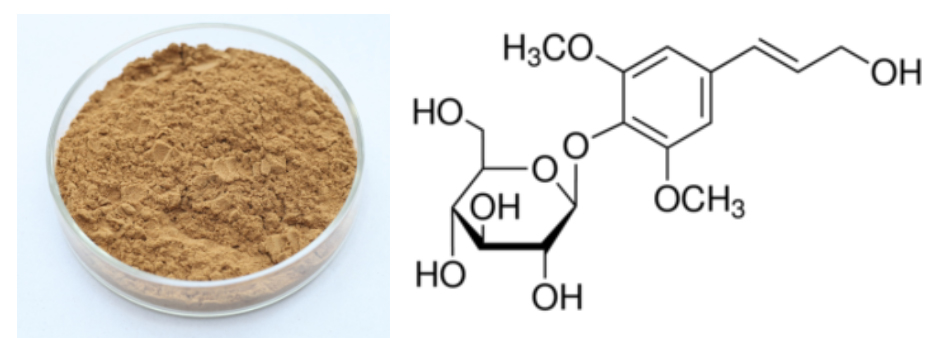
[Specification] Eleuthroside ≧0.8%
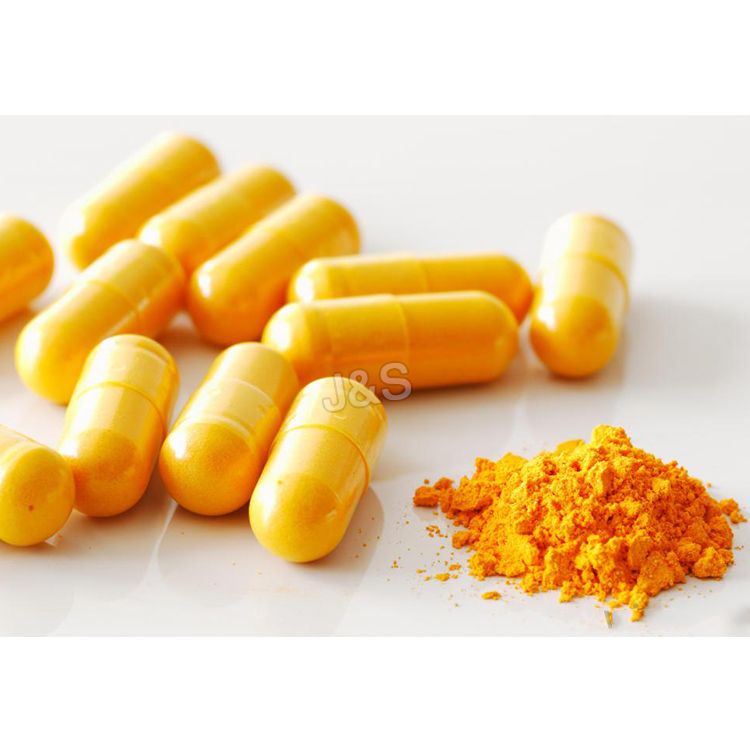
[Appearance] Light yellow powder
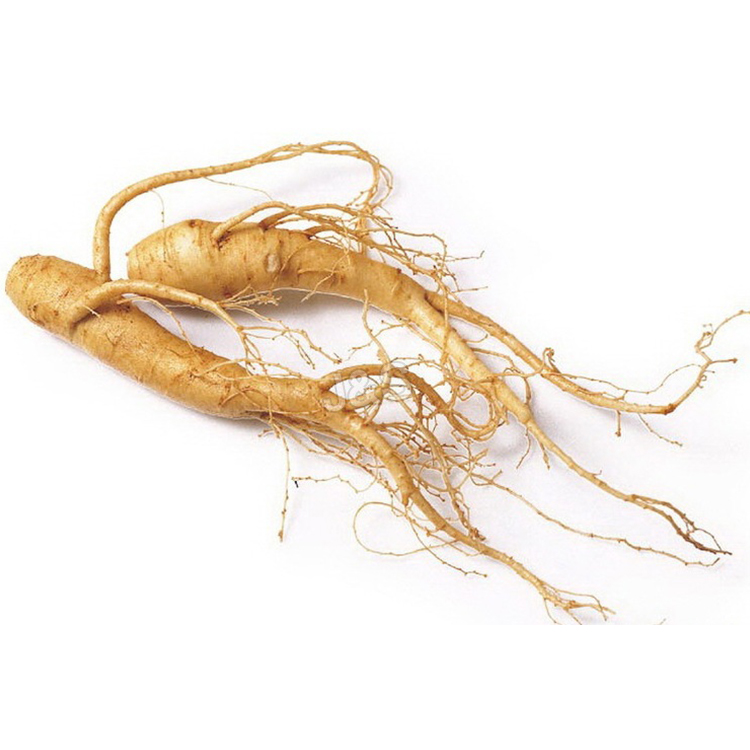
Plant Part Used: Root
[Particle size] 80Mesh
[Loss on drying] ≤5.0%
[Heavy Metal] ≤10PPM
[Storage] Store in cool & dry area, keep away from the direct light and heat.
[Shelf life] 24 Months
[Package] Packed in paper-drums and two plastic-bags inside.
[Net weight] 25kgs/drum
[What is Siberian Ginseng?]
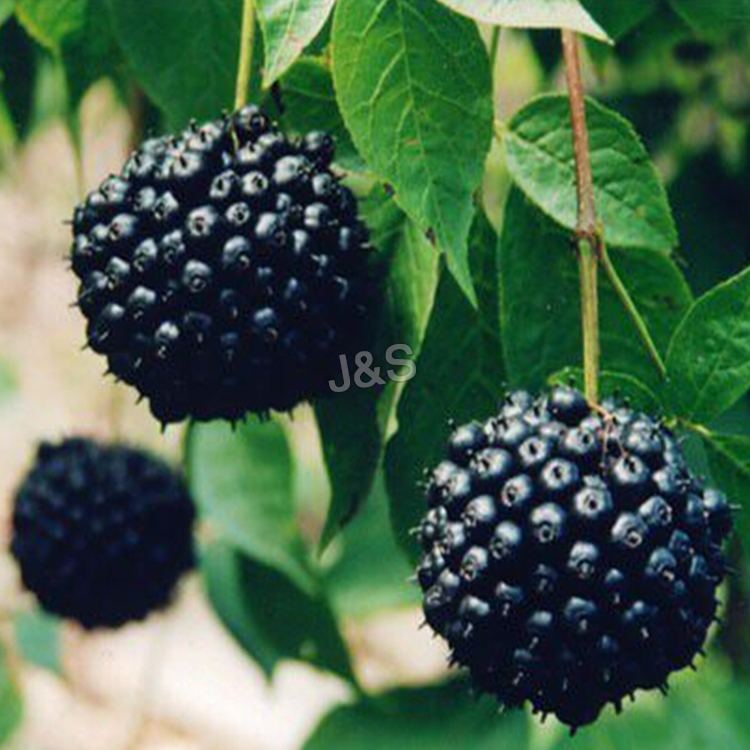
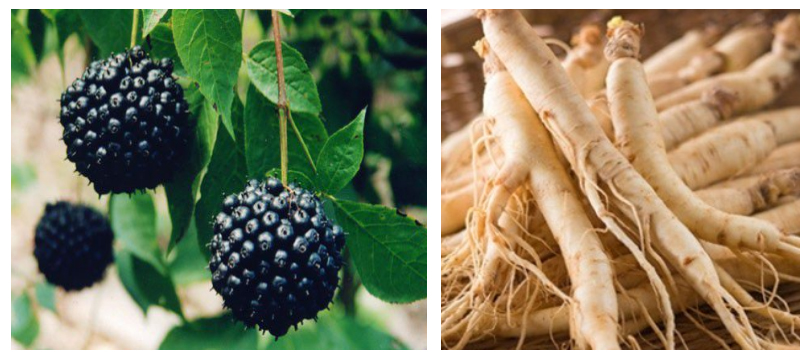
Eleutherococcus, also known as eleuthero or Siberian ginseng, grows in mountain forests and is native to eastern Asia including China, Japan, and Russia. Traditional Chinese Medicine has used eleutherococcus for reducing lethargy, fatigue, and low stamina as well as increasing endurance and resilience to environmental stresses. Eleutherococcus is considered an “adaptogen,” a term that describes herbs or other substances that, when ingested, appears to help an organism increase resistance to stress. There is strong evidenceEleutherococcus senticosus increases endurance and mental performance in patients with mild fatigue and weakness.
[Benefits]
Eleutherococcus senticosus is a pretty awesome plant and has a lot more benefits that just the graphic above highlights. Here are some of the ones worth mentioning.
- Energy
- Focus
- Anti-Anxiety
- Anti-Fatigue
- Chronic Fatigue Syndrome
- Common Colds
- Immune Booster
- Liver Detox
- Cancer
- Antiviral
- High Blood Pressure
- Insomnia
- Bronchitis
Product detail pictures:
Related Product Guide:
No matter new buyer or old purchaser, We believe in long expression and trusted relationship for 2016 Good Quality Siberian Ginseng Extract Supply to Los Angeles , The product will supply to all over the world, such as: Malawi, panama, Niger, It using the world's leading system for reliable operation, a low failure rate, it suitable for Argentina customers choice. Our company is situated within the national civilized cities, the traffic is very convenient, unique geographical and economic conditions. We pursue a people-oriented, meticulous manufacturing, brainstorm, build brilliant" business philosophy. Strict quality management, perfect service, reasonable price in Argentina is our stand on the premise of competition. If necessary, welcome to contact us by our website or phone consultation, we'll be happy to serve you.
Descarca pe shop-ul nostru: https://bit.ly/DescarcaPrivescInainte
Pentru concerte, licentieri, publicitate sau intrebari generale va rugam sa ne contactati: office@redclover.ro
Concerte: info@clubmanagement.ro (+4) 0723 632 639
https://www.facebook.com/GeorgeHoraOfficial
https://www.facebook.com/RedCloverLabel
George Hora – Privesc inainte
Versuri:
Ți se-ntâmplă uneori
Să pățești ca și mine
Să te doară și să ții în tine
Să visezi că o să fie bine
Că lumea nu e rea
Ți se-ntâmplă uneori
Să-ți dorești de la viață
Să te ajute cumva să fii în față
Să existe cineva care te învăța
Ce e bine, ce e rău, da da.
Și te gândești
Cum ar fi
Să reușești
Într-o zi
Să-ți plănuiești
Fiecare pas fără să uiți de unde ai plecat
Și, am prieteni puțini da buni
Ce răspund la telefon când sun
Știu că înțelegi ce vreau spun
Da, hai ridică o mână sus și cântă tare așa:
Privesc înainte, nu mai vreau
Să cred în cuvinte
Știu doar că inima nu minte
Ea îmi spune mereu ce să fac. x2
Așa, așa, așa
Așa e viața mea
Așa, așa, așa
Fac ce-mi spune inima mea!
Ți se-ntâmplă uneori
Să fi singur pe stradă
Să-ți dorești, ploaia să cadă
Să-ți spele durerea și gândul
Să plângă cu tine pământul,
Și ceru, și norii, suspină și zorii
Nu vreau să cred că
Nu poate fi mai bine
Nu pot să uit că
Cei dragi sunt lângă mine.
Și te gândești
Cum ar fi
Să reușești
Într-o zi
Să-ți plănuiești
Fiecare pas fără să uiți de unde ai plecat
Și, am prieteni puțini da buni
Ce răspund la telefon când sun
Știu că înțelegi ce vreau spun
Dar hai ridică o mână sus și cântă tare așa:
Privesc înainte, nu mai vreau
Să cred în cuvinte
Știu doar că inima nu minte
Ea îmi spune mereu ce să fac. x2
Așa, așa, așa
Așa e viața mea
Așa, așa, așa
Fac ce-mi spune inima mea!
Așa, așa, așa
Așa e viața mea
Așa, așa, așa
Fac ce-mi spune inima ta!
Eu știu că ea nu minte x2
Privesc înainte, nu mai vreau
Să cred în cuvinte
Știu doar că inima nu minte
Ea îmi spune mereu ce să fac.
Așa, așa, așa
Așa e viața mea
Așa, așa, așa
Fac ce-mi spune inima mea!
Muzica si text: George Hora si Kamelia
Productie/Mix/Master @ Studio66 de George Hora
Regie/Scenariu/Montaj: George Hora
Cameramani: Valentin Solomie si Ionut Trandafir
(c)&(p) 2013 Red Clover Media
Contact: office@redclover.ro
https://redclover.ro
Stevia grows best in upland areas in sub-tropical climate. In other places it can be grown as an annual. The plant prefers a lightly textured, well-drained soil to which matter has been added. It needs ample water so that the soil is consistently moist, but not wet. In hot, sunny climates it will do best in semi-shade. Propagation is from seed sown in spring, but germination rates can be low-expect half the seeds sown not to germinate. Plant seedlings out once all danger of frost is over. Leaves are best harvested just before flowering. The plants will also grow from cuttings,which are best taken in late winter.The concentration of stevioside in the leaves of Stevia increasing when the plants are grown under long day condition.While, cultivating stevia on a large scale, it can be grown in well-drained red soil and sandy loam soil. The soil should be in the pH range of 6.5-7.5. Saline soils should be avoided to cultivate this plant.
Stevia can be successfully cultivated all around the year all over India expect theareas, which receive snowfall, or temperatures go below 5 degree Celsius in winter.The summer temperatures actually do not affect this plant if the high summer temperatures have already been factored in the cultivation practices.Since seed germination rate is very poor,it is propagated vegetative. Though stem cuttings are used for vegetative tissue culture plants have proven to be the best planting material for Stevia. Tissue culture plants of Stevia are genetically pure, free from pathogens and haveexcellent vigor. The tissue culture plants can be planted throughout the year,expect during peak summer. An ideal planting density is 40,000 plants per acre with spacing of 25×40 cm in a raised bed system. The soil can be enriched with abasal dressing of 25 tons of well rotten farmyard manure/hectare
Soil Type
Stevia requires very good drainage any soil that retain the moisture for very long period of time are unsuitable for Stevia cultivation and should be religiously avoided.Red soil and sandy loam with a 6-7 pH are best for the cultivation of Stevia.
Raised bed preparation
Forming raised beds is the most economical way to grow Stevia. The raised bed should be of 15 cm in height and 60 cm in width. The distance between each plant 23 cm. This would give a plant population of around 40,000 per acre.
Planting Material
There are basically two options for multiplication. The first is the tissue culture and second the stem cutting. Tissue culture is the best option but many farmers are tempted to try the stem cutting method for multiplication. As per practical experience, stem cutting is sometimes more expensive to produce than the tissue culture since the success rate of the stem cuttings establishment is very low, it takes minimum of 25 weeks for the stem cutting to develop in proper feeding roots for transplantation (younger stem cuttings transplants have shown more than 50% mortality in first few weeks of transplants in main field).
Harvesting
Another important aspect of harvesting is the timing of harvest. It should be noted that at no point of time plants should be allowed to flower since after flowering the Stevioside percentage goes down rapidly and leaves are rendered unmarketable. Leaves are harvested by plucking in a small quantity, or the entire plant with the side branches is cut leaving 10 to 15 cm from the base.The first harvesting can be done four to five months after planting. Subsequent harvesting can be done every three months, for five consecutive years. The sweetener in the leaf is maximum till the plant flowers. Just before flowering, the plant should be cut completely leaving 10 cm from the ground. The new flush of leaves will sprout from here. The new plant will be ready for harvest again in three months. The plant yields around 3000 kg of dried leaves from an acre of plantation every year. Harvesting should be done as late as possible, since cool autumn temperatures and shorter days tend to intensify the sweetness of the plants as they evolve into a reproductive state.
Unlocking the sweetness in your harvest
Once all leaves have been harvested it’s required to dry them. This can be
accomplished on a net. The drying process is not one that requires excessive heat;more important is good air circulation. On a moderately warm fall day, stevia crop can be quick dried in the full sun in about 12 hours. (Drying times longer than that will lower the stevioside content of the final product.)
Crushing the dried leaves is the final step in releasing stevia’s sweetening power. The
dried leaves are powdered, sieved and the fine powder is stored in containers. This can be done either by hand or, for greater effect, in a coffee grinder or in a special blender for herbs.
Web: https://www.natureherbs.org | www.natureherbs.co
Email : natureherbs@ymail.com
Watsapp: +91 841 888 5555
Skype: nature.herbs
 By Hilda from Algeria - 2017.09.26 12:12
Wide range, good quality, reasonable prices and good service, advanced equipment, excellent talents and continuously strengthened technology forces,a nice business partner.
By Elaine from Lithuania - 2017.08.18 18:38