2016 Latest Design Grape Skin Extract Wholesale to Naples
2016 Latest Design Grape Skin Extract Wholesale to Naples Detail:
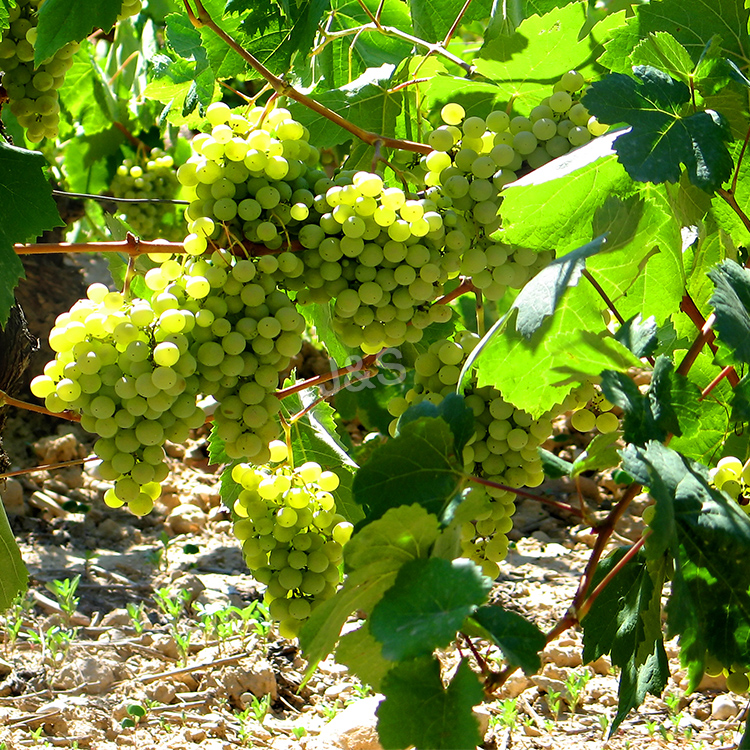
[Latin Name] Vitis vinifera L.
[Plant Source]from China
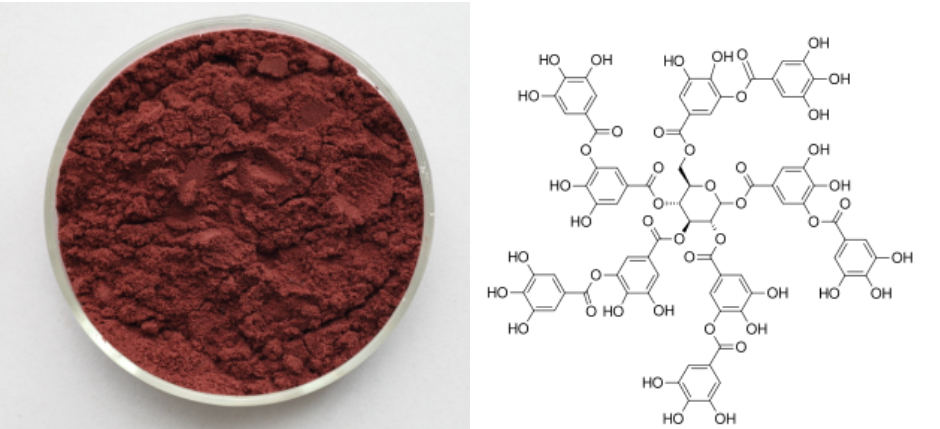
[Specifications]Proanthocyanidins polyphenol
[Appearance]Purple red fine powder
Plant Part Used:Skin
[Particle size] 80 Mesh
[Loss on drying] ≤5.0%
[Heavy Metal] ≤10PPM
[Pesticide residue] EC396-2005, USP 34, EP 8.0, FDA
[Shelf life] 24 Months
[Package] Packed in paper-drums and two plastic-bags inside.
[Net weight] 25kgs/drum
Function
1.Grape skin extract used to reduce cancer risk;
2.Grape skin extract has the useage of antioxidant activity;
3.Grape skin extract has anti-inflammatory, removal of swollen;
4.Grape skin extract can reduce the incidence of spots and cataracts;
5.Grape skin extract will reduced exercise-induced vascular sclerosis porridge;
6.Grape skin extract will strengthen the blood vessels the flexibility of the wall.
Application
1.Grape skin extract can be made into capsules, troche and granule as healthy food;
2.High quality grape skin extract has been widely added into the beverage and the wine, cosmetics as the functional content;
3. Grape skin extract is widely added into all kinds of foods such as cake, cheese as the nurture, natural antiseptic in Europe and USA, and it has increased the safety of the food.
What is Grape Skin extract?
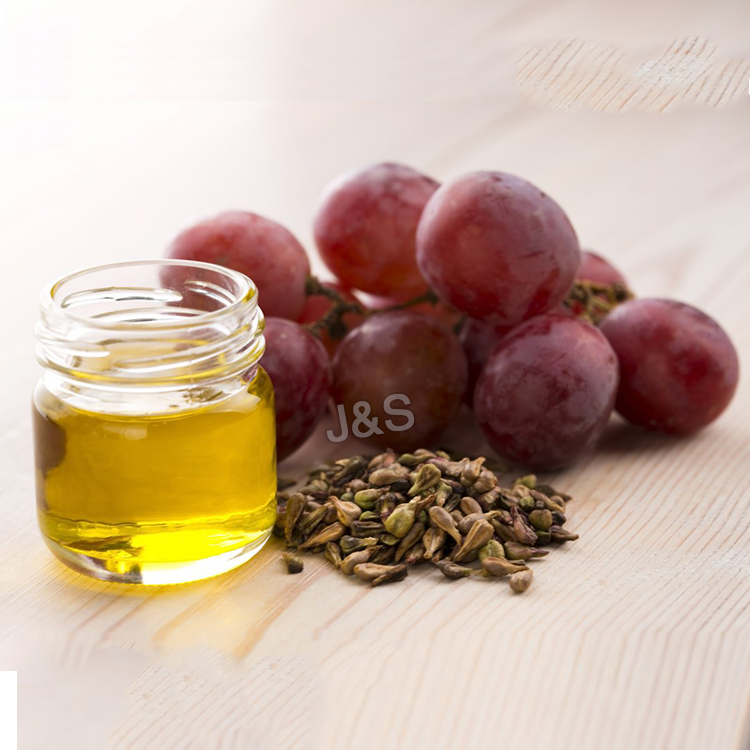
Grape skin extract are industrial derivatives from whole grape seeds that have a great concentration of vitamin E, flavonoids, linoleic acid, and OPCs. Typically, the commercial opportunity of extracting grape seed extract constituents has been for chemicals known as polyphenols, including oligomeric proanthocyanidins recognized as antioxidants.
Grape skin extract is rich in Oligomers Procyanidin Complexes (OPC) , which is a powerful antioxidant. In addition to the ultra rich potence of over 20 times higher than Vitamin C. Grape skin extract is also 50 times better than Vitamin E. Grape skin extract helps to strengthen the immune system, and also slowdown the aging process, which is of very high market value. Procyanidin B2, which is the most active compound to neutralize free radicals that cause aging, is available only in Grape Seed.
In Europe, OPC from grape skin extract proanthocyanidins has been adopted and used for several decades as a safe and effective compound. Grape skin extract has no record of any acute or chronic toxicity, no harmful reaction even under very high dosage. For these reasons, grape skin extract proanthocyanidins has become a new star in the food supplement market.
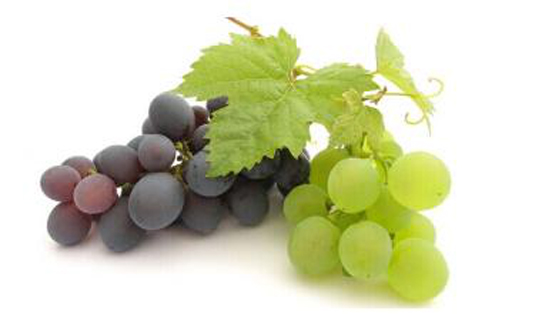
Product detail pictures:
Related Product Guide:
Our business sticks for the basic principle of "Quality could be the life with the firm, and track record will be the soul of it" for 2016 Latest Design Grape Skin Extract Wholesale to Naples , The product will supply to all over the world, such as: Swansea, Liverpool, Cairo, We welcome you to visit our company, factory and our showroom displayed various products that will meet your expectation, meanwhile, it is convenient to visit our website, our sales staff will try their efforts to provide you the best service. If you need more information, please do not hesitate to contact us by E-mail or telephone.
The lovely Mdme Chua on the left who is a lady that’s very caring, very helpful and quietly feeds everyone….I’ve known her for 18 years now. She is pictured here with her daughter Su Ming who is the dedicated head of Kechara Care Dept…
Madam Chua, who is Su Ming’s mother, is used to cooking food with meat as she brought up her 3 kids. People started to realize how good her vegetarian cooking is when she started cooking a variety of vegetarian food every Wednesday. They would be available at Kechara Care, and people can come and eat and donate as they wish. This was her way in supporting her daughter who heads that department.
Tsem Rinpoche
RECIPE: Seaweed, Winter Melon, Chickpeas and Black fungus Soup
Ingredients1. Winter melon x 1/2
2. Red dates x ½ cup
3. Honey dates x 8 pcs
4. Wolfberries x ½ cup
5. Chickpeas 500g
6. Black fungus (dry) x 1cup soak in water and remove hard parts
7. Tofu x 2 large blocks cut into cubes
8. Celery to be added to soup when ready
9. Seaweed to be added to soup when ready
10. Rock sugar to taste
11. Stock seasoning to taste
12. Salt to taste
13. Water 4L
14. Optional : vegetarian chicken or mutton pan fried and added to soup when ready
Method
1. Wash 2-6 above, add to pot of water, bring to a boil
2. Add cut winter melons and then simmer for 1 ½ hours.
3. Add 10-12 to taste.
4. Add 8, 9 and 14. Serve hot.
Soup benefits
Cools body heat (Winter melon)
Enhance our eye sight, detox our liver, improve the liver function and immune system (Wolf berries)
Strengthen the functions of heart and lung, invigorate the spleen and stomach, nourishes the blood (Red dates)
Lower cholesterol in the body, prevents heart attacks and diabetes, repairs the body tissue (Seaweed)
https://blog.tsemtulku.com/tsem-tulku-rinpoche/2010/12/madam-chuas-delicious-soup-recipe-video.html
————————————
For a complete listing of Tsemtulku Youtube Videos
https://blog.tsemtulku.com/you-tube-channel
How to approach histology for Human Anatomy students. Using a key will help get you through it! Add some penguin fairy dust will help too!
There are lots of histology keys out there, but the one I showed in the video is here: https://www.penguinprof.com/uploads/8/4/3/1/8431323/histology_key.jpg
Want more?
Subscribe: https://www.youtube.com/user/ThePenguinProf
FB Page: https://www.facebook.com/ThePenguinProf
Twitter: https://twitter.com/penguinprof
Web: https://www.penguinprof.com/
—————————————————————————————————
Details:
Tissue in the human body:
Epithelial: Is made of cells arranged in a continuous sheet with one or more layers, has apical & basal surfaces.
A basement membrane is the attachment between the basal surface of the cell & the underlying connective tissue.
Two types of epithelial tissues: (1) Covering & lining epithelia and (2) Glandular Epithelium.
The number of cell layers & the shape of the cells in the top layer can classify epithelium.
Simple Epithelium – one cell layer
Stratified epithelium – two or more cell layers
Pseudostratified Columnar Epithelium – When cells of an epithelial tissue are all anchored to the basement Membrane but not all cells reach the apical surface.
Glandular Epithelium — (1) Endocrine: Release hormones directly into the blood stream and (2) Exocrine – Secrete into ducts.
Connective: contains many different cell types including: fibroblasts, macrophages, mast cells, and adipocytes. Connective Tissue Matrix is made of two materials: ground substance – proteins and polysaccharides, fiber — reticular, collagen and elastic.
Classification of Connective Tissue:
Loose Connective – fibers & many cell types in gelatinous matrix, found in skin, & surrounding blood vessels, nerves, and organs.
Dense Connective – Bundles of parallel collagen fibers& fibroblasts, found in tendons& ligaments.
Cartilage – Cartilage is made of collagen & elastin fibers embedded in a matrix glycoprotein & cells called chondrocytes, which was found in small spaces.
Cartilage has three subtypes:
Hyaline cartilage — Weakest, most abundant type, Found at end of long bones, & structures like the ear and nose,
Elastic cartilage- maintains shape, branching elastic fibers distinguish it from hyaline and
Fibrous Cartilage – Strongest type, has dense collagen & little matrix, found in pelvis, skull & vertebral discs.
Muscle: is divided into 3 categories, skeletal, cardiac and smooth.
Skeletal Muscle — voluntary, striated, striations perpendicular to the muscle fibers and it is mainly found attached to bones.
Cardiac Muscle — involuntary, striated, branched and has intercalated discs
Smooth Muscle — involuntary, nonstriated, spindle shaped and is found in blood vessels & the GI tract.
Nervous: Consists of only two cell types in the central nervous system (CNS) & peripheral nervous system (PNS):
Neurons – Cells that convert stimuli into electrical impulses to the brain, and Neuroglia — supportive cells.
Neurons — are made up of cell body, axon and dendrites. There are 3 types of neurons:
Motor Neuron — carry impulses from CNS to muscles and glands,
Interneuron – interpret input from sensory neurons and end responses to motor neurons
Sensory Neuron — receive information from environment and transmit to CNS.
Neuroglia — is made up of astrocytes, oligodendrocytes, ependymal cells and microglia in the CNS, and schwann cells and satellite cells in the PNS.
 By Mavis from United Kingdom - 2017.10.23 10:29
The company has rich resources, advanced machinery, experienced workers and excellent services, hope you keep improving and perfecting your products and service, wish you better!
By Flora from Paraguay - 2017.04.18 16:45