2016 Latest Design Wolfberry Extract Supply to Germany
2016 Latest Design Wolfberry Extract Supply to Germany Detail:
[Latin Name] Lycium barbarum L.
[Plant Source]from China
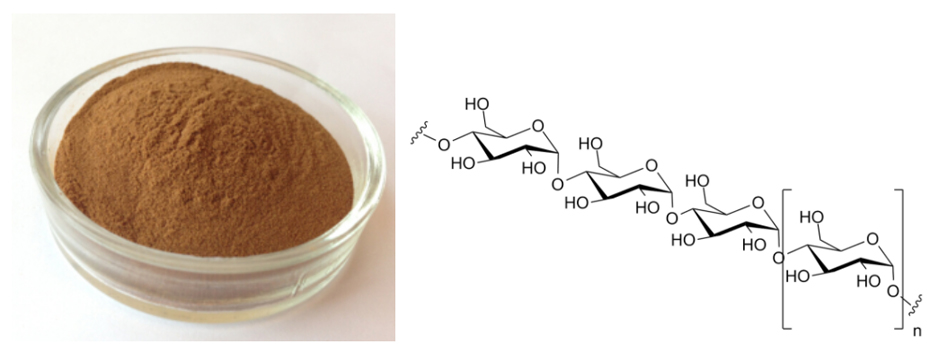
[Specifications]20%-90%Polysaccharide
[Appearance] Reddish brown powder
Plant Part Used:Fruit
[Particle size] 80 Mesh
[Loss on drying] ≤5.0%
[Heavy Metal] ≤10PPM
[Shelf life] 24 Months
[Package] Packed in paper-drums and two plastic-bags inside.
[Net weight] 25kgs/drum
Product Description
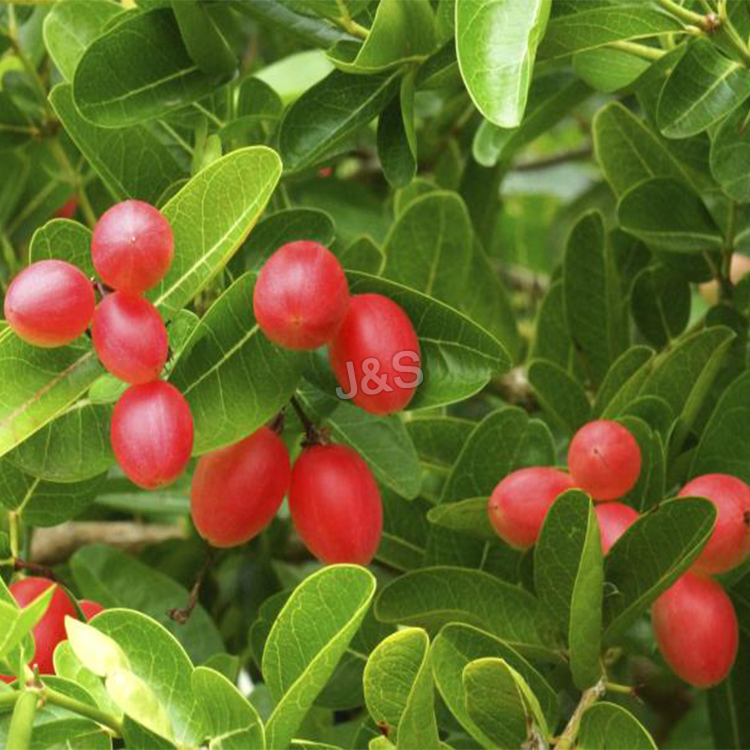
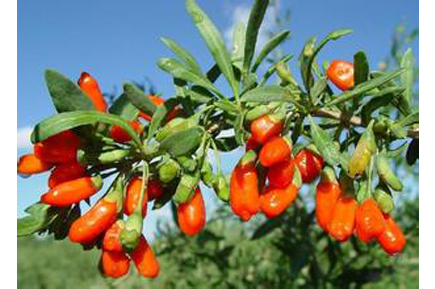
The wolfberry is harvested when the fruit is orange red. After drying to the skin wrinkles, it is exposured to the skin moist and soft fruit, then removed the stem. Wolfberry is a kind of rare traditional Chinese medicine which is very rich in nutrients and has high medicinal value The materials contain not only such as iron, phosphorus, calcium, but also a lot of sugar, fat and protein. It also contains polysaccharide with good health care function to human body and organic germanium that is beneficial to human’s intelligence.
Function
1. With the function of regulating immune, inhibiting tumor growth and cell mutation;
2. With the function of lipid-lowering and anti-fatty liver;
3. Promoting the function of hematopoietic;
4. With the function of anti-tumor and anti-aging.
Applications:
1. Applied in food field, it can be produced into wine, canned, condensed juice and other more nourishment;
2. Applied in health product field , it can be made into suppositories, lotions, injection, tablets, capsules and other dosage forms to regulate immunity;
3. Applied in pharmaceutical field, effectively treating cancer, hypertension, cirrhosis and other diseases;
4. Applied in cosmetics field, it can prevent skin aging and improve skin elasticity.
Product detail pictures:
Related Product Guide:
We always believe that one's character decides products' quality, the details decides products' quality ,with the REALISTIC,EFFICIENT AND INNOVATIVE team spirit for 2016 Latest Design Wolfberry Extract Supply to Germany , The product will supply to all over the world, such as: Saudi Arabia, America, Ghana, We have now a good reputation for stable quality goods, well received by customers at home and abroad. Our company would be guided by the idea of "Standing in Domestic Markets, Walking into International Markets". We sincerely hope that we could do business with car manufacturers, auto part buyers and the majority of colleagues both at home and abroad. We expect sincere cooperation and common development!
Please share this video far and wide to help heal the suffering. Thank You.
MORE INFO AT WWW.MARKJAMESGORDON.COM Order consults, JIvana Detox-All Tea, and herbs.
QUESTIONS? mark@markjamesgordon.com
Reishi Mushroom (aka Ganoderma, Ling Zhi, or Mannentake)
REISHI AND HIV
Called “the mushroom of immortalty” Reishi is one of the top medicinal plants in the Chinese herbal system.
Non-Toxic –
Reishi is non-toxic when used appropriately and can be taken daily on a long-term basis with few known side effects.
Interference with the effectiveness of some drugs (especially immunosuppressants) is possible.
It’s always a good idea to consult a qualified health physician (preferably someone with experience in complementary health care) before consuming any dietary supplement. This is not medical advice.
The “Great Protector”
Reishi is also known as the “Great Protector” because of it’s well documented ability to strengthen the immune system .
Active Components – Beta-glucan polysaccharides and triterpenes:
The active components of Reishi include both beta-glucan polysaccharides and triterpenes in the form of Ganodermic Acid.
The fruiting body (above-ground part) and mycelium (filaments connecting a group of mushrooms) are used as medicine. It’s now being shown that that mushroom spores contain up to 70 times more of these active constituents.
Increases T-Cells
As Dr. Andrew Weil writes, Reishi “has been the subject of a surprising amount of scientific research in Asia and the West.” Research shows that the polysaccharide beta-d-glucan in Reishi boosts the immune system by raising the amount of immune-boosting T-cells. HIV, the virus responsible for causing AIDS, attacks the immune system, specifically targeting these T-cells, reducing the body’s ability to fight infection. By stimulating them, Reishi strenghtens the immune system’s ability to combat AIDS and other diseases.
Anti-Viral
It’s also known for it’s anti-viral properties and studies indicate that Reishi inhibits the HIV-1 PR enzyme.
Now Being Used In the West
Western medicine is starting to embrace Reishi where it’s currently being used as an immune stimulant by patients with HIV according to the Memorial Sloan-Kettering Cancer Center. WEbMD and other well-known medical websites also list Reishi as a treatment for HIV/AIDS.
https://www.mskcc.org/cancer-care/herb/reishi-mushroom
https://www.webmd.com/vitamins-supplements/ingredientmono-905-REISHI%20MUSHROOM.aspx?activeIngredientId=905&activeIngredientName=REISHI%20MUSHROOM
An Approved Cancer Drug in Japan
Reishi contains over 400 bioactive components and is an approved cancer drug in Japan.
Interlukins, Glucans, and Canthaxanthin
They evidently recognize it’s abiltiy to stimulate interlukins which combat tumors, as well as it’s immune enhancing properties. Studies also show that the “glucans” in Reishi help immune cells bind to tumor cells. Another substance in Reishi called “canthaxanthin” slows down the growth of tumors according to “The Prescription for Dietary Wellness” by Phyllis A. Balch and other experts.
Red vs Black Reishi
Please note that Black Reishi is also used as a medicinal herb but is not as potent as the red variety due to it’s lower polysaccharide levels.
The “Medicine of Kings”
With all these benefits, Reishi is truly “the medicine of Kings.”
US National Library of Medicine
Numerous medical journals published in the US National Library of Medicine have shown Reishi mushroom to be effective.
Cancer Research UK (CRC), the City of Hope National Medical Center in California and the Memorial Sloan-Kettering Cancer Center
Health institutions such as the Cancer Research UK (CRC), the City of Hope National Medical Center in California and the Memorial Sloan-Kettering Cancer Center are now pursuing researches and studies on Reishi mushrooms.
Toyama Medical and Pharmaceutical Universit
A study in Japan at the Toyama Medical and Pharmaceutical University indicated that “Ganodermic” compounds in Reishi were “found to be active as anti-HIV-1 agents.”
https://www.sciencedirect.com/science/article/pii/S0031942298002544
https://www.reishi.com/sites/default/files/Inhibitory%20Effects%20of%20Components%20from%20Ganoderma%20lucidum.pdf
October 1998 issue of Chemical and Pharmaceutical Bulletin
Another study published in the October 1998 issue of Chemical and Pharmaceutical Bulletin, found that triterpene compounds, found in the reishi mushroom and it’s spores significantly inhibit anti-HIV activity.
https://ukpmc.ac.uk/abstract/MED/9810695/reload=0;jsessionid=WfvhjwRusm9T5m1QmJno.0
Nothing on this web site should be construed as an attempt to offer or render a medical opinion or otherwise engage in the practice of medicine.
June 14, 2016 (Persian calendar 1395/3/25)
Mazandaran province (استان مازندران)
https://en.wikipedia.org/wiki/Mazandaran_Province
Sari county (شهرستان ساري)
https://en.wikipedia.org/wiki/Sari_County
Stevia استويا is a sweetener and sugar substitute extracted from the leaves of the plant species Stevia rebaudiana.
The active compounds of stevia are steviol glycosides (mainly stevioside and rebaudioside), which have up to 150 times the sweetness of sugar, are heat-stable, pH-stable, and not fermentable. These steviosides have a negligible effect on blood glucose, which makes stevia attractive to people on carbohydrate-controlled diets. Stevia’s taste has a slower onset and longer duration than that of sugar, and some of its extracts may have a bitter or licorice-like aftertaste at high concentrations.
The legal status of stevia extracts as food additives and supplements varies from country to country. In the United States, stevia was banned in 1991 after early studies found that it might be carcinogenic; after additional studies, the FDA approved some specific glycoside extracts for use as food additives in 2008. The European Union approved stevia additives in 2011, and in Japan, stevia has been widely used as a sweetener for decades.
It is a very good, very rare business partners, looking forward to the next more perfect cooperation!