8 Year Exporter Bilberry extract Factory in Niger
8 Year Exporter Bilberry extract Factory in Niger Detail:
[Latin Name] Vaccinium myrtillus l.
[Plant Source] Wild bilberry fruit cultivated from Sweden & Finland
[Specifications]
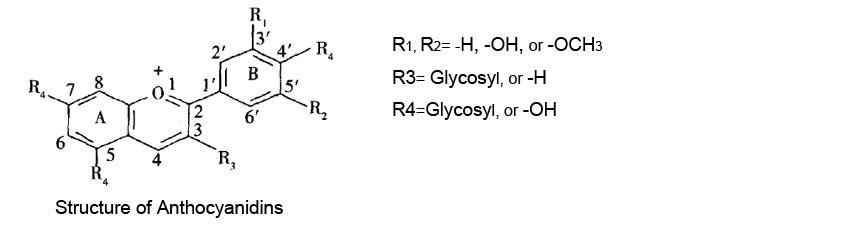
1) Anthocyanidins 25% UV (Glycosyl removed)
2) Anthocyanins 25% HPLC
3) Anthocyanins 36% HPLC
[Particle size] 80 Mesh
[Loss on drying] ≤5.0%
[Heavy Metal] ≤10PPM
[Pesticide residue] EC396-2005, USP 34, EP 8.0, FDA
[Storage] Store in cool & dry area, keep away from the direct light and heat.
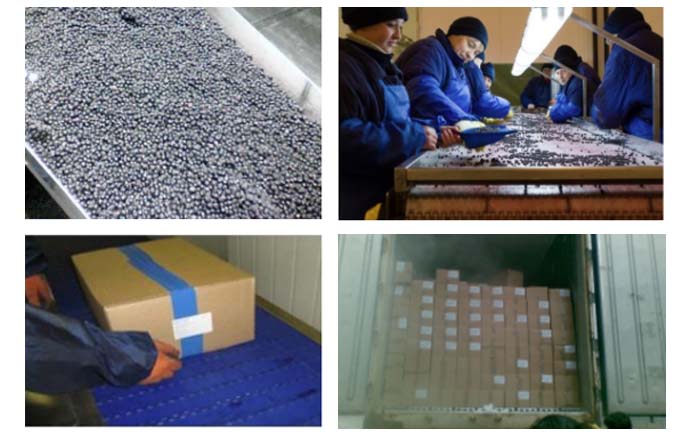
[Package] Packed in paper-drums and two plastic-bags inside.
[General feature]
1. 100% extracted from European bilberry fruit, approved ID test from ChromaDex andAlkemist Lab;
2.Without any adultery of other relative species of Berries,such as Blueberry, Mulberry,Cranberry,etc;
3. Pesticide residue: EC396-2005, USP 34, EP 8.0, FDA
4. Directly import the frozen fruit from North Europe;
5. Perfect water solubility,water insolubles<1.0%
6. Chromatographic fingerprint match EP6 requirement
[What is bilberry fruit]
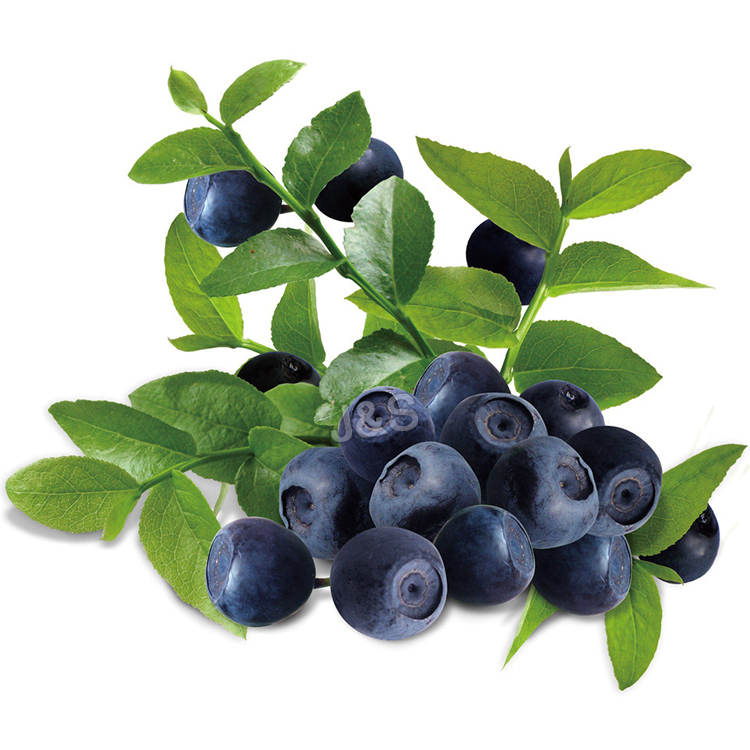
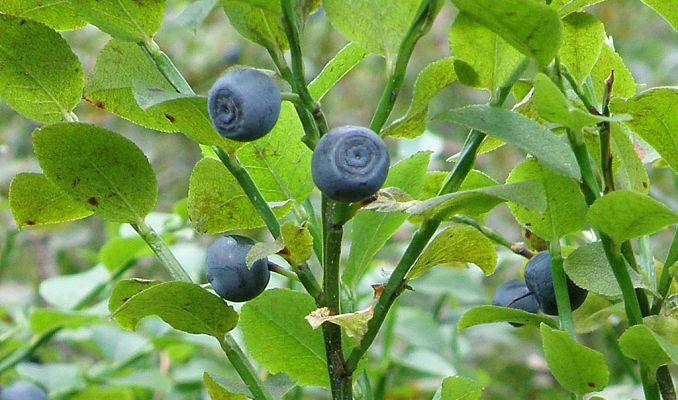
Bilberry (Vaccinium Myrtillus L.) is a kind of perennial deciduous or evergreen fruit shrubs, mainly found in subarctic regions of the world as in Sweden, Finland and Ukraine, etc. Bilberries contain dense levels of anthocyanin pigments, which was said popularly to have been used by World War II RAF pilots to sharpen night vision. In fork medicine, Europeans have been taking bilberry for a hundred years. Bilberry extracts entered the healthcare market as a kind of dietary supplement for effects on vision enhancement and visual fatigue relief.
[Function]
Protect and regenerate rhodopsin and cure the eye diseases;
Prevent the cardiovascular diseases
Antioxidant and anti-aging
Softening blood capillary, enhancing the heart function and resisting cancer
Product detail pictures:
Related Product Guide:
abide by the contract", conforms into the market requirement, joins in the market competition by its good quality also as provides a lot more comprehensive and great company for purchasers to let them turn into huge winner. The pursue from the firm, would be the clients' gratification for 8 Year Exporter Bilberry extract Factory in Niger , The product will supply to all over the world, such as: Canada, Niger, Argentina, With more and more Chinese products and solutions around the world, our international business is developing rapidly and economic indicators big increase year by year. We have enough confidence to supply you both better solutions and service, because we've been more and more powerful, specialist and experience in domestic and international.
https://davesmith.ludaxx.com
https://www.davegsmith.com/
https://bluelineproducts.com/
How it Works for Diet using Sugar Blocker in this area Mobile
Why it Works for
F21 is an All Natural Sugar Blocker that assists restrict your blood sugar level absorption. It includes different substances discovered to have various wellness perks, such as L-Arabinose, Coriolus Versicolor Polysacchride, Konjac-Mannan, Magnesium Stearate, Mint taste: Menthol and Natural Colors. F21 not just does it assist advertise weight-loss, (PSK) enhances your immune system feedback. In fact, for each gram of F21, you can block approximately 20 grams of sugar (sucrose). The formula not just assists advertise weight-loss, it benefits the intestinal system by permitting the obstructed sucrose to sustain helpful probiotic germs while the polysaccharide (PSK) enhances your immune system feedback.
DG Smith https://www.davegsmith.com/
diabetes care :
00:00:05 sugar cravings
00:00:12 safe appetite suppressant
00:00:19 F21 Sugar Blocker
00:00:27 Weigh tloss
00:00:34 Fitness
SUPPORT THE HODGETWINS BY SHOPPING AT:
https://officialhodgetwins.com/
Hodgetwins INSTAGRAM
https://instagram.com/officialhodgetwins
Hodgetwins FACEBOOK Fan Page
https://www.facebook.com/thehodgetwins
LINKS TO Hodgetwins Other Youtube Channels:
Hodgetwins Main Fitness Channel
https://www.youtube.com/twinmuscleworkout
Hodgetwins Current Events Channel
https://www.youtube.com/hodgetwins
Hodgetwins Relationship and Life Coaching Channel
https://www.youtube.com/askhodgetwins
Hodgetwins Intermittent Fasting & Weight Loss Channel
https://www.youtube.com/fastingtwins
Hodgetwins Bio:
Keith and Kevin Hodge the Hodgetwins are famously known for their comedic commentary on the following Youtube channels Hodgetwins, Twinmusleworkout, AskHodgetwins and fastingtwins. They have earned a respectable 2.8 million loyal subscribers and grossed over 450 million views over these channels. YouTube Inaugural #YouTubeBLACK Event To Support Creators Of Color really changed our outlook and we would like to thank youtube for holding such an event.
 By Elva from Brisbane - 2018.12.11 11:26
Staff is skilled, well-equipped, process is specification, products meet the requirements and delivery is guaranteed, a best partner!
By Eleanore from Swedish - 2018.11.06 10:04