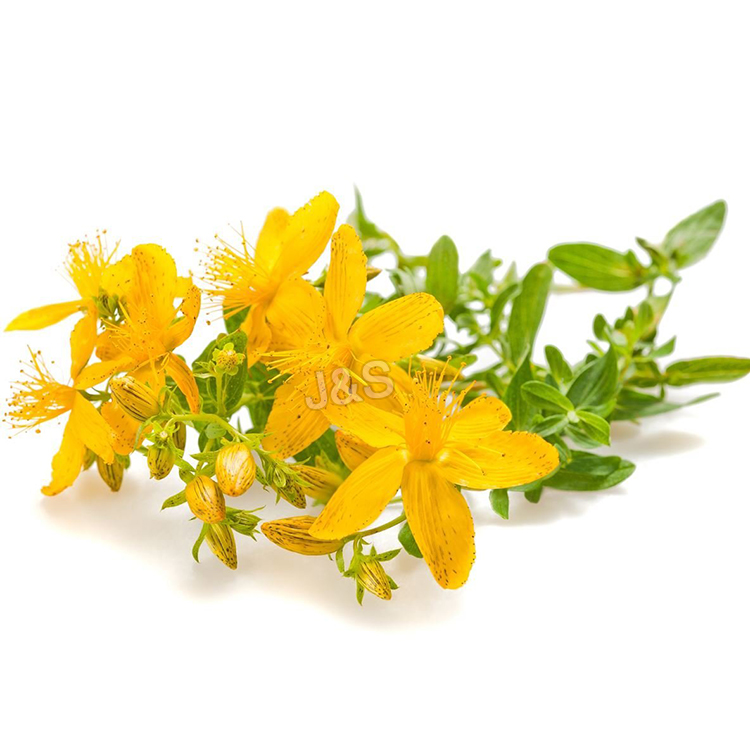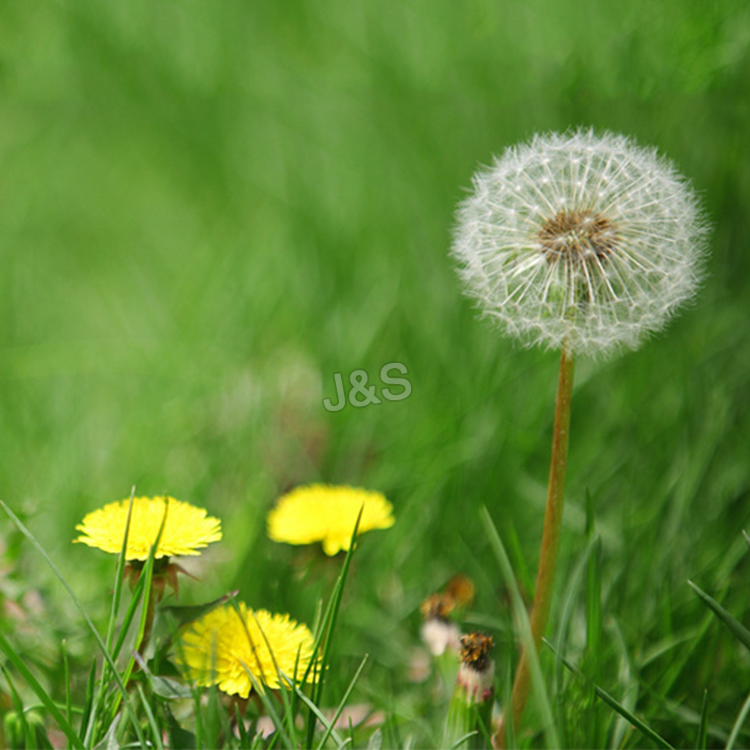
8 Years Manufacturer Dandelion root extract Factory for Orlando
8 Years Manufacturer Dandelion root extract Factory for Orlando Detail:
[Latin Name] Taraxacum officinale
[Plant Source] from China
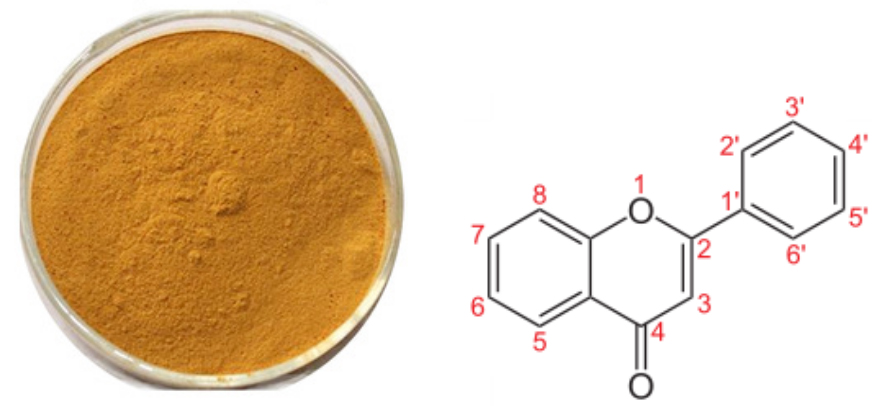
[Specifications] Flavones 3%-20%
[Appearance] Brown fine powder
Plant Part Used:Root
[Particle size] 80 Mesh
[Loss on drying] ≤5.0%
[Heavy Metal] ≤10PPM
[Storage] Store in cool & dry area, keep away from the direct light and heat.
[Shelf life] 24 Months
[Package] Packed in paper-drums and two plastic-bags inside.
[Net weight] 25kgs/drum
[Function]
(1) It is a general stimulant to the system, but especially to the urinary organs, and is chiefly used in kidney and liver disorders;
(2) Dandelion is also used as a remedy for hemorrhoids, gout, rheumatism, eczema, other skin conditions, and diabetes.
(3) Dandelion is used to treat chronic ulcers, stiff joints, and tuberculosis. It is also used to induce milk production in nursing mothers and to soothe inflamed breast tissue.
[Pharmacological effects]
(1) the antibacterial action: made of injection to extract the dandelion staphylococcus aureus and have strong hemolytic streptococcus pneumoniae, to kill, meningococci, diphtheria bacili, pseudomonas aeruginosa, proteus, dysenteric bacili, typhoid bacillus and card he also must kill staphylococcus, fungi, viruses, and some of the leptospira bacterium.
(2)other function. Advantageous bravery,diuresis and bitter soa, mild diarrhea inferior.
[Applications]
Dandelions extract injection, decoction, tablet, syrup, etc for a variety of infection are dampness.the curative effects, including the upper respiratory tract infection and chronic bronchitis, pneumonia, contagious hepatitis, urinary tract infection, surgical disorders, surgery, dermatology inflammation and sepsis inflammation, typhoid, biliary feeling, mumps, etc.
Product detail pictures:
Related Product Guide:
We have been also concentrating on enhancing the things management and QC method so that we could preserve terrific edge inside the fiercely-competitive enterprise for 8 Years Manufacturer Dandelion root extract Factory for Orlando , The product will supply to all over the world, such as: Muscat, Muscat, Paraguay, They are sturdy modeling and promoting effectively all over the world. Never ever disappearing major functions within a quick time, it's a have to in your case of fantastic good quality. Guided by the principle of "Prudence, Efficiency, Union and Innovation. the corporation. ake an excellent efforts to expand its international trade, raise its organization. rofit and raise its export scale. We have been confident that we've been going to have a bright prospect and to be distributed all over the world in the years to come.
Milestones in Cranberry Supplements contact
กระเพาะปัสสาวะอักเสบ (Urinary Tract Infections. UTI)
#แครนเบอรี่ #cranberry
#โปรแอนโทไซยานิดิน #proanthocyanidin
#Pacs #36mg
สอบถามข้อมูลเพิ่มเติม
Tel 0888-515-666, 02-718-0700 ถึง2
www.harnthai.com
What is BIOPOLYMER? What does BIOPOLYMERmean? BIOPOLYMER meaning – BIOPOLYMER pronunciation – BIOPOLYMER definition – BIOPOLYMER explanation – How to pronounce BIOPOLYMER?
Source: Wikipedia.org article, adapted under https://creativecommons.org/licenses/by-sa/3.0/ license.
Biopolymers are polymers produced by living organisms; in other words, they are polymeric biomolecules. Since they are polymers, biopolymers contain monomeric units that are covalently bonded to form larger structures. There are three main classes of biopolymers, classified according to the monomeric units used and the structure of the biopolymer formed: polynucleotides (RNA and DNA), which are long polymers composed of 13 or more nucleotide monomers; polypeptides, which are short polymers of amino acids; and polysaccharides, which are often linear bonded polymeric carbohydrate structures.
Cellulose is the most common compound and biopolymer on Earth. About 33 percent of all plant matter is cellulose. The cellulose content of cotton is 90 percent, for wood it is 50 percent.
A major defining difference between biopolymers and synthetic polymers can be found in their structures. All polymers are made of repetitive units called monomers. Biopolymers often have a well-defined structure, though this is not a defining characteristic (example: lignocellulose): The exact chemical composition and the sequence in which these units are arranged is called the primary structure, in the case of proteins. Many biopolymers spontaneously fold into characteristic compact shapes (see also “protein folding” as well as secondary structure and tertiary structure), which determine their biological functions and depend in a complicated way on their primary structures. Structural biology is the study of the structural properties of the biopolymers. In contrast, most synthetic polymers have much simpler and more random (or stochastic) structures. This fact leads to a molecular mass distribution that is missing in biopolymers. In fact, as their synthesis is controlled by a template-directed process in most in vivo systems, all biopolymers of a type (say one specific protein) are all alike: they all contain the similar sequences and numbers of monomers and thus all have the same mass. This phenomenon is called monodispersity in contrast to the polydispersity encountered in synthetic polymers. As a result, biopolymers have a polydispersity index of 1.
The convention for a polypeptide is to list its constituent amino acid residues as they occur from the amino terminus to the carboxylic acid terminus. The amino acid residues are always joined by peptide bonds. Protein, though used colloquially to refer to any polypeptide, refers to larger or fully functional forms and can consist of several polypeptide chains as well as single chains. Proteins can also be modified to include non-peptide components, such as saccharide chains and lipids.
The convention for a nucleic acid sequence is to list the nucleotides as they occur from the 5′ end to the 3′ end of the polymer chain, where 5′ and 3′ refer to the numbering of carbons around the ribose ring which participate in forming the phosphate diester linkages of the chain. Such a sequence is called the primary structure of the biopolymer.
Sugar-based biopolymers are often difficult with regards to convention. Sugar polymers can be linear or branched and are typically joined with glycosidic bonds. The exact placement of the linkage can vary, and the orientation of the linking functional groups is also important, resulting in ?- and ß-glycosidic bonds with numbering definitive of the linking carbons’ location in the ring. In addition, many saccharide units can undergo various chemical modifications, such as amination, and can even form parts of other molecules, such as glycoproteins.
 By Nicci Hackner from Lebanon - 2018.12.11 14:13
This manufacturer can keep improving and perfecting products and service, it is in line with the rules of market competition, a competitive company.
By Ann from Netherlands - 2018.09.12 17:18