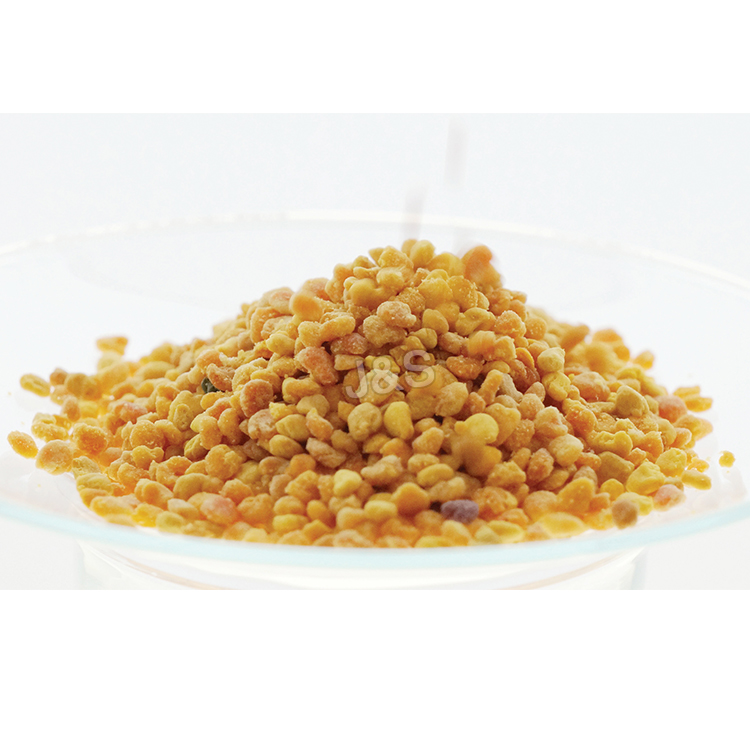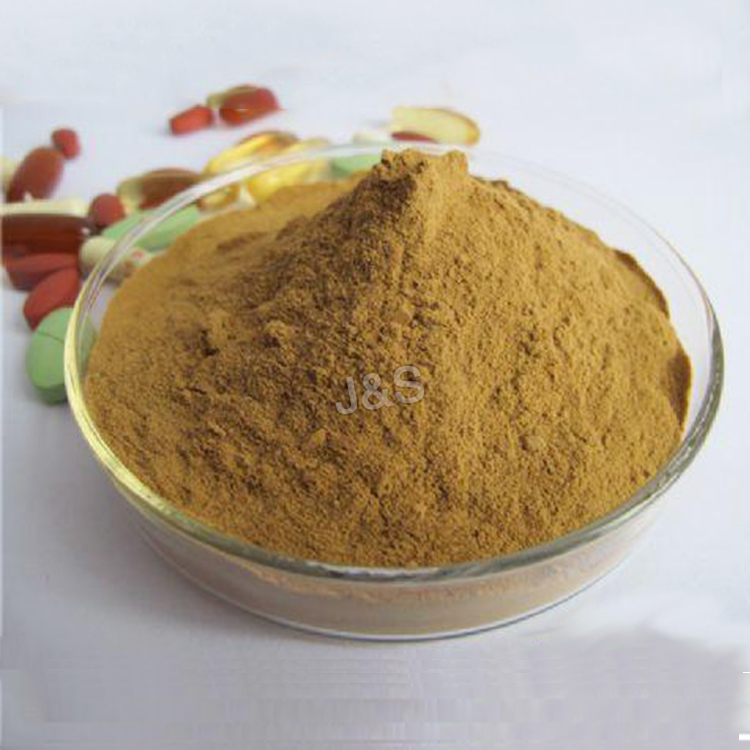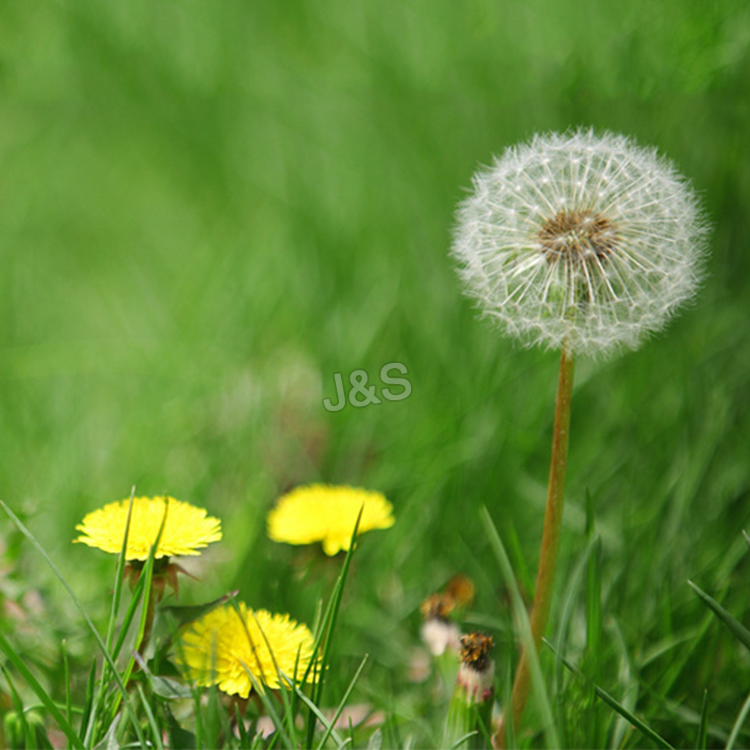
8 Years Manufacturer Dandelion root extract Factory from Mecca
8 Years Manufacturer Dandelion root extract Factory from Mecca Detail:
[Latin Name] Taraxacum officinale
[Plant Source] from China
[Specifications] Flavones 3%-20%
[Appearance] Brown fine powder
Plant Part Used:Root
[Particle size] 80 Mesh
[Loss on drying] ≤5.0%
[Heavy Metal] ≤10PPM
[Storage] Store in cool & dry area, keep away from the direct light and heat.
[Shelf life] 24 Months
[Package] Packed in paper-drums and two plastic-bags inside.
[Net weight] 25kgs/drum
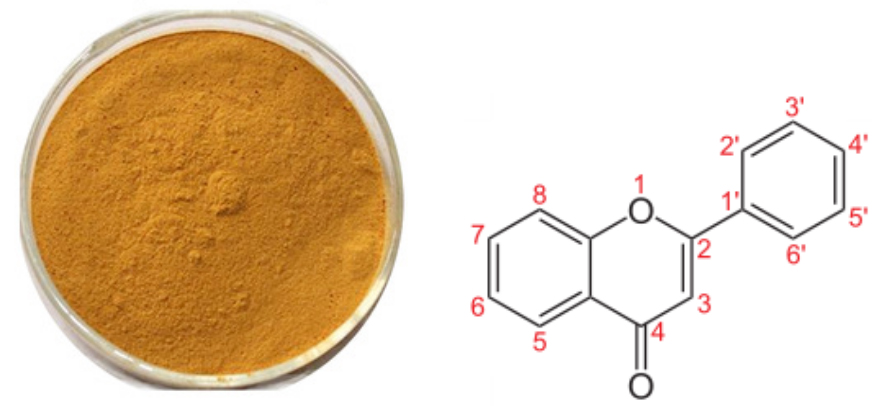
[Function]
(1) It is a general stimulant to the system, but especially to the urinary organs, and is chiefly used in kidney and liver disorders;
(2) Dandelion is also used as a remedy for hemorrhoids, gout, rheumatism, eczema, other skin conditions, and diabetes.
(3) Dandelion is used to treat chronic ulcers, stiff joints, and tuberculosis. It is also used to induce milk production in nursing mothers and to soothe inflamed breast tissue.
[Pharmacological effects]
(1) the antibacterial action: made of injection to extract the dandelion staphylococcus aureus and have strong hemolytic streptococcus pneumoniae, to kill, meningococci, diphtheria bacili, pseudomonas aeruginosa, proteus, dysenteric bacili, typhoid bacillus and card he also must kill staphylococcus, fungi, viruses, and some of the leptospira bacterium.
(2)other function. Advantageous bravery,diuresis and bitter soa, mild diarrhea inferior.
[Applications]
Dandelions extract injection, decoction, tablet, syrup, etc for a variety of infection are dampness.the curative effects, including the upper respiratory tract infection and chronic bronchitis, pneumonia, contagious hepatitis, urinary tract infection, surgical disorders, surgery, dermatology inflammation and sepsis inflammation, typhoid, biliary feeling, mumps, etc.
Product detail pictures:
Related Product Guide:
"Quality very first, Honesty as base, Sincere assistance and mutual profit" is our idea, in an effort to create consistently and pursue the excellence for 8 Years Manufacturer Dandelion root extract Factory from Mecca , The product will supply to all over the world, such as: Algeria, California, Victoria, Our company follows laws and international practice. We promise to be responsible for friends, customers and all partners. We would like to establish a long-term relationship and friendship with every customer from all over the world on the basis of mutual benefits. We warmly welcome all old and new customers to visit our company to negotiate business.
Xylitol Reduces Plaque,
Fights tooth decay & cavities,
Remineralizes Tooth Enamel,
Fights and prevents ear infections,
Is safe for Diabetics and Hypoglycemics,
Has a low Glycemic Index of 7,
Has 40% less calories than sugar,
Inhibits bacteria,
Reduces yeast growth and candida albicans,
Enhances protective factors in saliva,
Minimal effect on blood glucose levels,
Reduces sugar contact time on teeth…
Many studies done in Europe and North America have clinically proven the dental advantages of xylitol but how does it work? Here is a brief explanation: Streptococcus mutans bacteria. (S. mutans) is the primary cause of tooth decay. S. mutans is a common bacteria that lives in the plaque that is continually building up on our teeth. This bacteria ferments the sugar and carbohydrates from our diets. A by-product of the fermentation is an acid that erodes away the protective tooth enamel and forms cavities. However, it has been discovered that S. mutans are not able to digest xylitol, so fermentation and acid production is stopped. As the bacteria were exposed to more xylitol over time, their numbers decreased and they became less aggressive. So people who use more xylitol in place of sugar decrease their oral bacteria levels and experience far less plaque, tooth decay and cavities. Since these bacteria are no longer able to live in the mouth, they get washed down the throat with saliva and die a miserable death in the flood of stomach enzymes and acids. It has been clinically proven that xylitol aids in the remineralization of tooth enamel. The tooth enamel is the hard layer that protects the teeth from harmful substances like sugar and acids.
Other studies have clinically proven that eight grams of daily, oral xylitol use reduces the occurrence of Acute Otitis Media (AOM) or ear infections by 40%. Also, the unborn baby also benefits from mother’s xylitol consumption. Still other researchers at the University of Minnesota, using rabbits have found a correlation between poor dental health and high blood pressure and coronary clotting which leads to heart attacks. Results still must be confirmed in humans. Researchers at the State University of New York-Buffalo in a new study found people with poor dental health had almost twice the risk of emphysema and other lung diseases. The worse the dental health of the person, the greater the risk. The germs and bacteria in the saliva travels through the throat to the lining of the lungs making it more susceptible to infection with common respiratory germs.
The herb, STEVIA rebaudiana, has been used for centuries by the Guarani Indians of Paraguay, who had several names for the plant, several of which are Kaa’-he-E, Caa’-ehe, or Ca-a-yupe- all. referring to the sweet leaf or honey leaf. It is commonly known in South America as yerba dulce meaning sweet herb. The Guarani used stevia nutritionally and medicinally. The plant came to the attention of the rest of the world when South American naturalist, Bertoni, “discovered” the plant in the late 1800′s. After his report,. the herb became widely used by herbalists in Paraguay. Stevia’s most obvious and notable characteristic is its sweet taste. However, the sweet taste is not due to carbohydrate-based molecules, but to several non-caloric molecules called glycosides. Individuals who cannot tolerate sugar or other sweeteners can use stevia. The first glycoside molecule was isolated from stevia in 1931 by two French chemists named Bridel and Lavieille and called stevioside. During WW II, sugar shortages prompted England to begin investigation of stevia for use as a sweetener. Cultivation began under the direction of the Royal Botanical Gardens at Kew, but the project ‘was abandoned in the aftermath of the war. Japan began cultivating stevia in hothouses in the 1950′s. By the 1970′s, Japan started using stevia commercially and today, they are the biggest users of the extract, which has captured 50% of Japan’s sweetener industry. Other aspects of stevia are capturing people’s attention. The herb is sold in some South American countries to aid diabetics and hypoglycemics. Research has shown that a whole leaf concentrate has a regulating effect on the pancreas and helps stabilize blood sugar levels. Stevia is therefore useful to people with diabetes, hypoglycemia, and Candidiasis. Other traditional uses of stevia are: lowers elevated blood pressure (hypertension), digestive aid that also reduces gas and stomach acidity, and for obesity. The herb acts as general tonic which increases energy levels and mental acuity. Stevia has been shown to inhibit the growth and reproduction of bacteria that cause gum disease and tooth decay, making it an excellent addition to tooth pastes and mouthwashes. Many people have reported improvement in their oral health after adding stevia concentrate to their tooth paste and using it, diluted in water, as a daily mouthwash.
ALL NATURAL MALE ENHANCEMENT INTERVIEW. WHAT WOMEN WANT
The accounts manager made a detailed introduction about the product, so that we have a comprehensive understanding of the product, and ultimately we decided to cooperate.