Best-Selling Pine bark Extract Supply to Denmark
Best-Selling Pine bark Extract Supply to Denmark Detail:
[Latin Name] Pinus pinaster.
[Specification] OPC ≥ 95%
[Appearance] Red brown fine powder
Plant Part Used: Bark
[Particle size] 80Mesh
[Loss on drying] ≤5.0%
[Heavy Metal] ≤10PPM
[Storage] Store in cool & dry area, keep away from the direct light and heat.
[Shelf life] 24 Months
[Package] Packed in paper-drums and two plastic-bags inside.
[Net weight] 25kgs/drum
[What is Pine bark?]
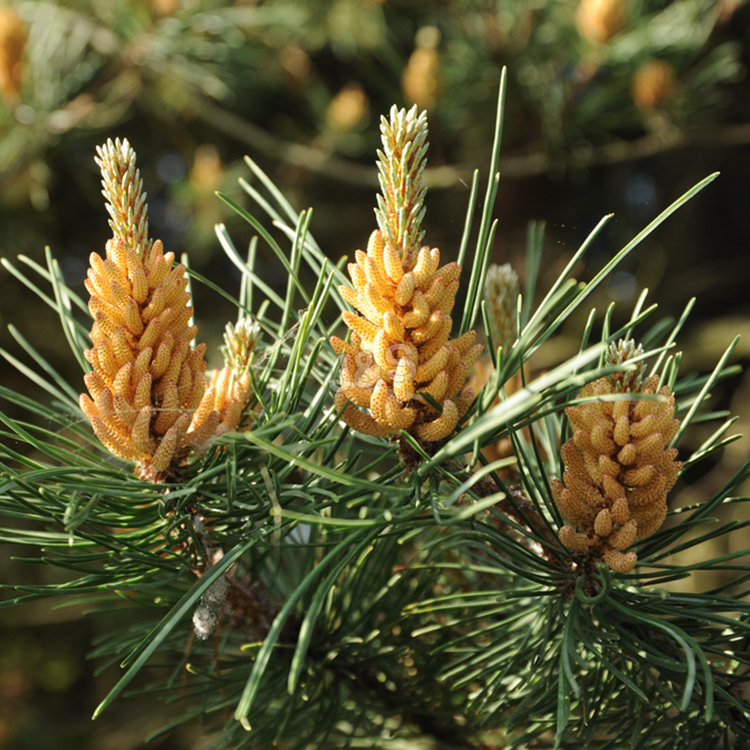
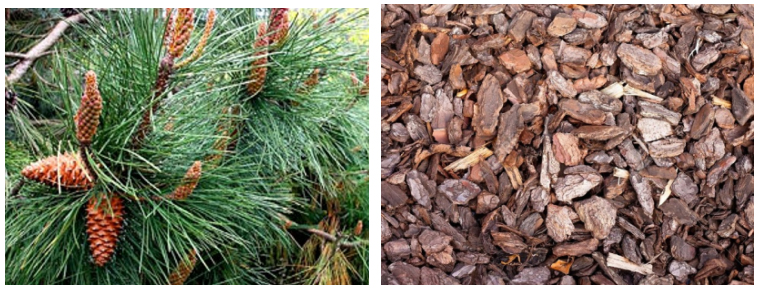
Pine bark, botanical name Pinus pinaster, is a maritime pine native to southwest France that also grows in countries along the western Mediterranean. Pine bark contains a number of beneficial compounds that are extracted from the bark in a way that doesn’t destroy or damage the tree.
[How does it work?]
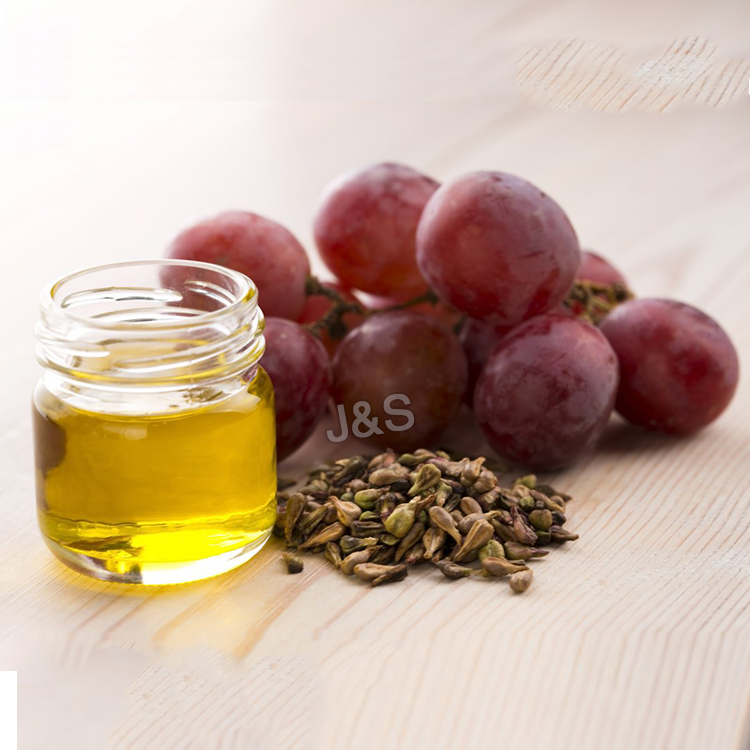
What gives pine bark extract its notoriety as a powerful ingredient and super antioxidant is that it’s loaded with oligomeric proanthocyanidin compounds, OPCs for short. The same ingredient can be found in grape seeds, the skin of peanuts and witch hazel bark. But what makes this miracle ingredient so amazing?
While OPCs found in this extract are mostly known for their antioxidant-producing benefits, these amazing compounds exude antibacterial, antiviral, anticarcinogenic, anti-aging, anti-inflammatory and anti-allergic properties. Pine bark extract can help reduce muscle soreness and may help improve conditions relating to poor circulation, high blood pressure, osteoarthritis, diabetes, ADHD, female reproductive issues, skin, erectile dysfunction, eye disease and sports stamina.
Seems like it must be pretty amazing, but let’s look closer. The list goes on a bit further, as the OPCs in this extract may “inhibit lipid peroxidation, platelet aggregation, capillary permeability and fragility, and to affect enzyme systems,” which basically means it may be a natural treatment for many serious health conditions, such as stroke and heart disease.
[Function]
- Lowers Glucose Levels, Improving Diabetic Symptoms
- Helps Prevent Hearing Loss and Balance
- Staves Off Infections
- Protects the Skin from Ultraviolet Exposure
- Decreases Erectile Dysfunction
- Reduces Inflammation
- Helps Increase Athletic Performance
Product detail pictures:
Related Product Guide:
Our products are greatly acknowledged and reliable by users and may fulfill repeatedly shifting financial and social wants for Best-Selling Pine bark Extract Supply to Denmark , The product will supply to all over the world, such as: New Delhi, Ghana, Pakistan, We welcome customers from all over the world come to discuss business. We supply high quality products, reasonable prices and good services. We hope to sincerely build business relationships with customers from at home and abroad, jointly striving for a resplendent tomorrow.
With this unique formula and the stimulation in growth of the penile tissue you can be up to 0-4 inches longer and up to 5%-25% wider. The average penis size when erect is only 5.7″ to 6″. Over 90% of men posses this size, so why not stand out from the crowd and enlarge your penis with sX Plus Don’t just be an average guy for your lady! https://www.facebook.com/758sXPlus
Regular Vs. Soy Milk – as part of the expert series by GeoBeats.
When figuring out whether you should drink regular cow’s milk or soy milk, you want to kind of look at what would be best for you. The cow’s milk, actually, has a better nutrient profile. It has a wider array of nutrients. It has more vitamins and minerals. It has more protein and it has more calcium than soy milk. Whole milk, though has a lot of fat where as soy milk is low in fat and low in calories. Although, cow’s milk you can get reduced fat which is 2 percent milk, you can get low fat milk which is 1 percent, or fat free which is skim milk, so the fat is not really an issue. But cow’s milk definitely has more B12, whereas soy milk does not have as much B12.
The downside of cow’s milk comes in when you look at the lactose. A lot of people are lactose intolerant, so in that case they cannot tolerate a lot, they cannot handle a lot of lactose, a lot of milk. Soy milk is completely lactose free, so that is a good choice for those people. But even people who are lactose intolerant can handle up to 4 ounces of milk at a time, most people who are lactose intolerant. So, that still is not a major issue unless you drink a lot of milk. A lot of people who are lactose intolerant can still tolerate yogurt, ice cream, and cheese. Cheese is especially very low in lactose.
Soy milk though, has isoflavones which has been shown to lower LDL, which is bad cholesterol, so that is one benefit that soy milk has over cows milk, but there is research to show that soy’s milk can increase the risk of breast cancer, it can also inhibit the absorption of protein and some minerals. More research is needed, though. At this time, soy is generally regarded as safe. Soy milk would definitely be better for someone with a milk protein allergy, which means that they are allergic to the protein in milk, and they would actually have an immune response to milk. In that case, you completely want to avoid milk and go with soy. For most people its just a personal choice.
 By Judy from Palestine - 2018.11.28 16:25
We always believe that the details decides the company's product quality, in this respect, the company conform our requirements and the goods are meet our expectations.
By Janet from Spain - 2017.02.14 13:19