Bottom price for Citrus Aurantium Extract Factory for Philippines
Bottom price for Citrus Aurantium Extract Factory for Philippines Detail:
[Latin Name] Citrus aurantium L.
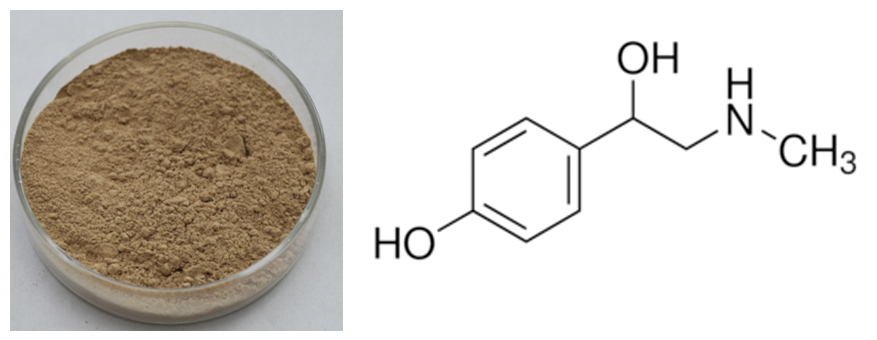
[Specification] Synephrine 4.0%–80%
[Appearance] Yellow brown powder
Plant Part Used: Fruit
[Particle size] 80Mesh
[Loss on drying] ≤5.0%
[Heavy Metal] ≤10PPM
[Storage] Store in cool & dry area, keep away from the direct light and heat.
[Shelf life] 24 Months
[Package] Packed in paper-drums and two plastic-bags inside.
[Net weight] 25kgs/drum
[What is Citrus Aurantium]
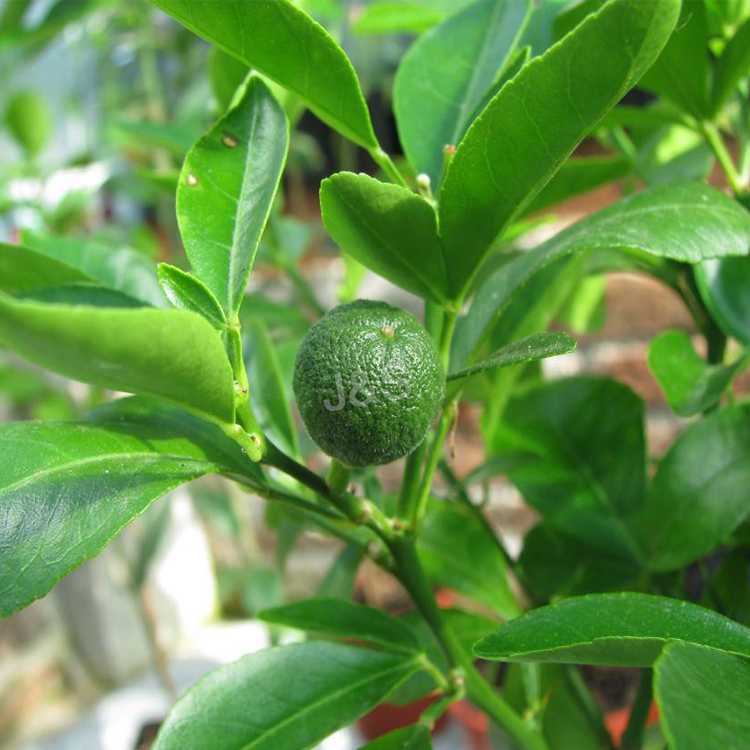
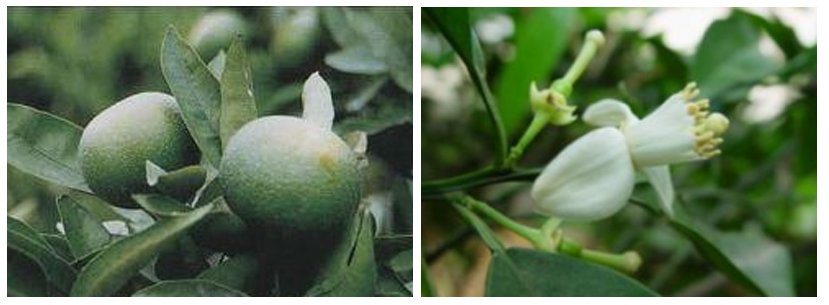
Citrus aurantium L, belonging to the family Rutaceae, is widely distributed in China. Zhishi, the Chinese traditional name for Citrus aurantium, has long been a folk medicine in traditional Chinese medicine (TCMto improve indigestion and help stimulate the Qi (energy force).
[Function]
1. Have the function of antioxidant, anti-inflammatory, hypolipidemic, vasoprotective and anticarcinogenic and cholesterol lowering actions.
2. Have the function of inhibiting following enzymes: Phospholipase A2, lipoxygenase, HMG-CoA reductase and cyclo-oxygenase.
3. Have the function of improving the health of capillaries by reducing the capillary permeability.
4. Have the function of reducing hay fever and other allergic conditions by inhibiting the release of histamine from mast cells. The possible activity of hesperidin could be explained by the inhibition of polyamine synthesis. (bitter orange extract)
Product detail pictures:
Related Product Guide:
We know that we only thrive if we can guarantee our combined rate competiveness and good quality advantageous at the same time for Bottom price for Citrus Aurantium Extract Factory for Philippines , The product will supply to all over the world, such as: Spain, New Zealand, Georgia, Our expert engineering team will generally be prepared to serve you for consultation and feedback. We are able to also offer you with free of charge samples to meet your requirements. Best efforts will likely be produced to provide you the best service and merchandise. When you are keen on our business and products, please speak to us by sending us emails or call us quickly. In an effort to know our products and company extra, you may come to our factory to view it. We will generally welcome guests from all over the world to our business to create business relations with us. Please feel cost-free to speak to us for small business and we believe we'll share the best trading experience with all our merchants.
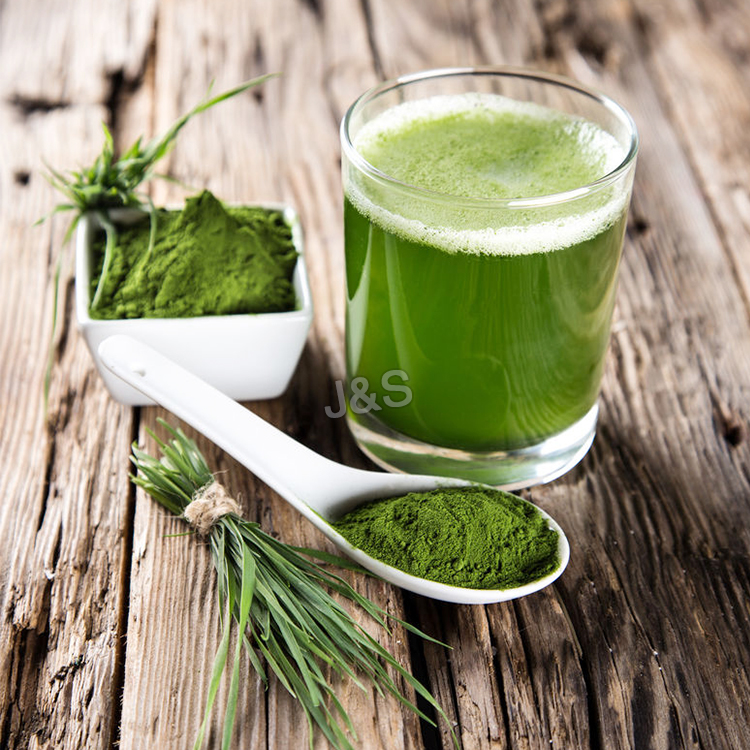
DescripBarley Grass Inhibits 73% of Leukemia Cells in Vitro: An extract of green barley grass (Hordeum vlgare L.) powder was shown to inhibit the proliferation of human leukemia cells (Nalm-6) by up to 73% in vitro, and killed 62% of the cancer cells outright via apoptosis and necrosis. The barley grass extract also potently inhibited three other types of leukemia cells, while leaving healthy non-cancerous cells alone. What’s really interesting with this study is that the extract was prepared from a common green barley powder supplement which was purchased at an online supplement retailer in the USA. This was the first-ever study to show the anti-leukemia activity of green barley. Barley contains several unique compounds with potent anti-cancer effects such as the peptide lunacin, immune-stimulating glucans, and ribosome inactivating protein conjugates. Past studies have shown mature barley to be active against melanoma and cancers of the breast, skin, colon, liver, and lung. While mature barley contains gluten (albeit less than wheat), barley grass should be gluten-free if harvested before any seeds are produced. And since younger plants often contain much higher concentrations of healthy phytochemicals and enzymes than the mature versions, barley grass might be a highly beneficial superfood for reducing cancer risk and supporting overall health.
FOR PRODUCT AND BUSINESS OPPORTUNITIES CONTACT US
… Smart : +63 998 558 7508 (admin Maia Olano Arquero)
Globe : +63 977 306 5474 (admin Victor Guzman Arquero)
Skype : barley.international
Email : santebarley.international@yahoo.com
Or Send Us a Facebook message
https://www.facebook.com/sante.international
Or Visit Our Online Store
https://santebarleyinternational.ecwid.com
WE DELIVER NATIONWIDE AND ABROAD
We Offer Free Shipping Anywhere in the Philippines
Moof’s Medical Biochemistry Video Course: https://moof-university.thinkific.com/courses/medical-biochemistry-for-usmle-step-1-exam
Questions Answered in This Video:
- What are lipids? How are lipids defined?
- Are lipids fats?
- How can lipids be classified? What are the different types or classes of lipids?
- What are the different functions of lipids?
- How do lipids relate or different from the other classes of macromolecules?
- What are the monomers and polymers of lipids?
Don’t forget to LIKE, COMMENT, and SUBSCRIBE:
https://www.youtube.com/subscription_center?add_user=MoofUniversity
INFORMATION ABOUT TUTORING:
https://www.moofuniversity.com/tutoring/
TO SUPPORT MOOF UNIVERSITY WITH A FINANCIAL CONTRIBUTION:
https://www.moofuniversity.com/support-moof/
INSTAGRAM:
https://instagram.com/moofuniversity/
FACEBOOK:
https://www.facebook.com/pages/Moof-University/1554858934727545
TWITTER:
https://twitter.com/moofuniversity
Video Content Summary:
In this video, I begin the introduction to lipids, what they are, what kinds there are, and what their functions are.
A common misconception is that lipids are fats. Though fats are lipids, not all lipids are fats. Lipids are defined, essentially, as molecules that are mostly nonpolar or hydrophobic, and, thus, insoluble in water, at least for the most part. Many lipids, however, are amphipathic or amphiphilic because they have some hydrophobic (nonpolar) and some hydrophilic (polar) portions.
The functions of lipids vary widely. Some lipids can store energy and/or be used as fuel. Some make up membranes and are known as membrane lipids. Some can act as hormones, and hormones are signaling molecules. Others are key nutrients, as some vitamins are lipids, though that’s not discussed much in this video or the rest of the videos in this series.
Lipids are set apart from the other classes of macromolecules – carbohydrates, proteins, and nucleic acids – because they do not have monomers or polymers in the way that the other three do. Carbohydrate monomers are monosaccharides, and their polymers are polysaccharides. For proteins, the monomers are amino acids, and the polymers are polypeptides, which can fold and become functional proteins. Nucleic acids have nucleotide monomers, and polynucleotide polymers, which are simply called nucleic acids. With lipids, this set-up isn’t the case. There aren’t any monomeric or polymeric units. This is something that is seen when discussing the specific structures of other lipids in the other videos of this lipid series.
The lipids mentioned in this video are 1) free fatty acids 2) triacylglycerols or triglycerides 3) phospholipids 4) sphingolipid 5) glycolipids 6) steroids. Free fatty acids are the simplest lipid, and they are used for fuel, as they can be broken down for energy via beta oxidation, or they can be created via fatty acid synthesis. Triacylglycerols or triglycerides are two names for the same thing, and they are used for fuel storage — they are a key storage form of energy in cells. Phospholipids, sphingolipids, and glycolipids are all membrane lipids because they all show up are membrane components. Phospholipids have phosphate groups, sphingolipids, have a sphingosine backbone, and glycolipids have sugar moieties attached to them. Steroids, finally, are important in membranes and as hormones or signaling molecules.
 By Grace from Estonia - 2017.05.02 11:33
We have been appreciated the Chinese manufacturing, this time also did not let us disappoint,good job!
By Alexia from Czech republic - 2018.06.21 17:11