Bottom price for Ginkgo Biloba Extract Supply to Dubai
Bottom price for Ginkgo Biloba Extract Supply to Dubai Detail:
[Latin Name] Cinnamomun camphcra
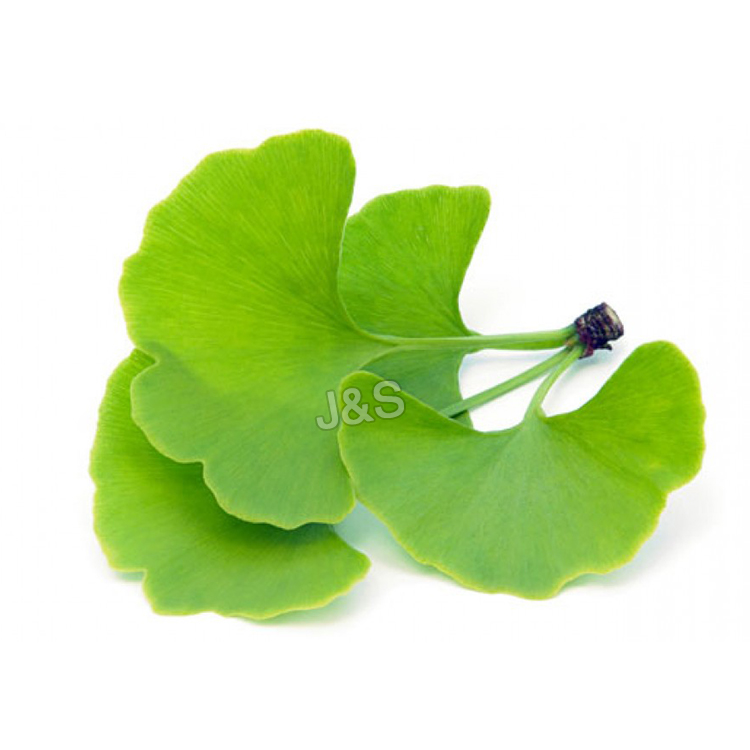
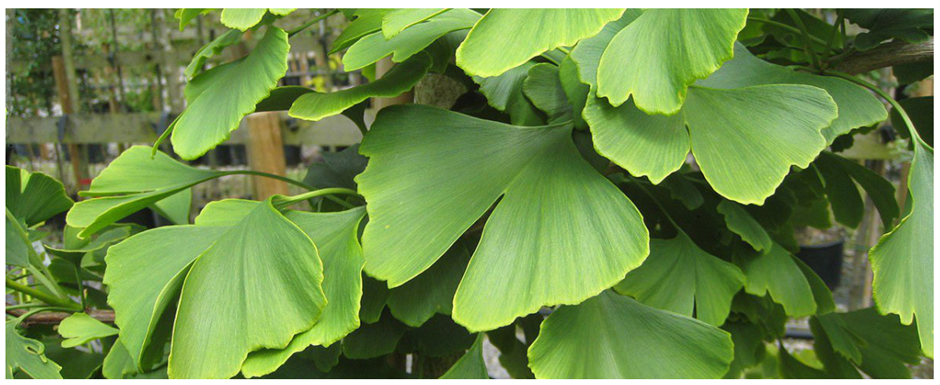
[Plant Source] It is extracted from Ginkgo Biloba Leaf.
[Specifications]
1, Ginkgo Biloba Extract 24/6
Total Ginkgo flavone glycosides 24%
Total terpene lactones 6%
2, Ginkgo Biloba Extract 24/6
Total Ginkgo flavone glycosides 24%
Total terpene lactones 6%
Ginkgolic acid 5ppm
3,CP2005
Total Ginkgo flavone glycosides 24%
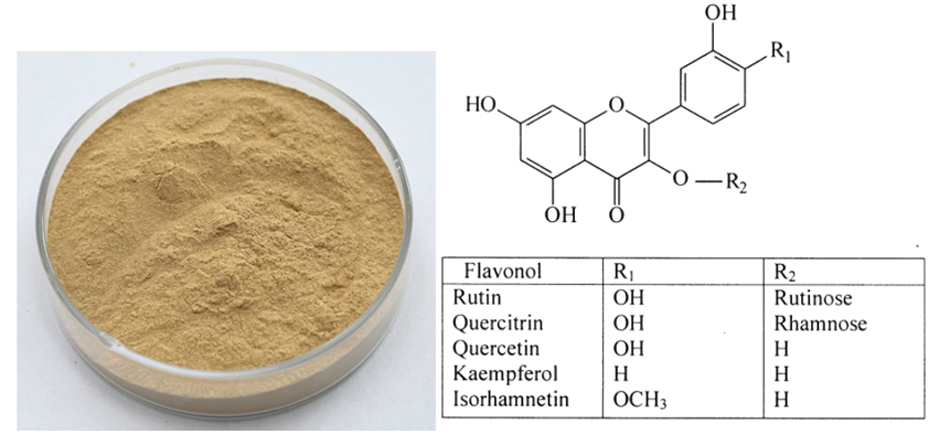
Quercatin: kaemperol 0.8–1.5
Total terpene lactones 6%
Ginkgolic acid <5ppm
4.Germany Standard
Total Ginkgo Flavone Glycosides 22.0%-27%
Total Terpene Lactones 5.0%-7.0%
Bilobalides 2.6%-3.2%
Ginkgolic acid <1ppm
5.Water-Soluble Ginkgo Biloba Extract 24/6
Water Solubility: 5g Ginkgo Biloba Extract will be dissolved completely in 100g water
Total Ginkgo Flavone Glycosides 24.0%
Total Terpene Lactones 6.0%
Ginkgolic acid <5.0ppm
[Appearance] Light yellow fine powder
[Particle size] 80 Mesh
[Loss on drying] £ 5.0%
[Heavy Metal] £10PPM
[Extract solvents] Ethanol
[Storage] Store in cool & dry area, keep away from the direct light and heat.
[Package] Packed in paper-drums and two plastic-bags inside.
[Function]
Expanding blood vessel, resisting insufficient blood and oxygen deficit, increasing blood flow, improving cerebral arteries and distal
blood flow. Promoting cerebral circulation metabolism, improving memory function, resisting depression, resisting lipidic overoxidation,
protecting liver damage.
In clinic, curing high blood pressure, hyperlipoidemia, coronary heart disease, angina pectoris, arterial sclerosis, cerebral embolism,
senile dementia, primary and periodic dropsy, acute drumming in the ears, epicophosis, a variety of body function in disorder, dizziness
and so on.
Product detail pictures:
Related Product Guide:
We also supply merchandise sourcing and flight consolidation companies. We now have our very own manufacturing facility and sourcing business. We could present you with almost every kind of product relevant to our solution array for Bottom price for Ginkgo Biloba Extract Supply to Dubai , The product will supply to all over the world, such as: Estonia, Saudi Arabia, Bolivia, Our company will adhere to "Quality first, , perfection forever, people-oriented , technology innovation"business philosophy. Hard work to keep making progress, innovation in the industry, make every effort to first-class enterprise. We try our best to build the scientific management model, to learn abundant professional knowledge, to develop advanced production equipment and production process , to create the first-call quality products, reasonable price , high quality of service , quick delivery , to give you create new value .
Trà Xanh và Nấm Linh Chi là hai dược liệu quí trong tự nhiên giúp ngăn chặn tế bào ung thư, mà không làm tổn hại đến các tế bào lành.
Đây là một trong các video phóng sự được làm tại Đài Loan, ghi nhận các trường hợp thực tế đã điều trị thành công bệnh Ung thư bằng cách kết hợp các phương pháp hiện có với Cao Khô Linh Chi Đỏ Reishimax & Chiết Xuất Trà Xanh Tegreen’97.
Bạn hãy chia sẻ cho thật nhiều người biết để giúp họ hoặc người thân có thêm phương pháp thiết thực thoát khỏi căn bệnh quái ác này nhé.
Để biết thêm chi tiết về cơ chế tác dụng xin vui lòng liên hệ qua email songtresongkhoe@gmail.com
More and more proofs of EGCG in green tea and Polysacchride in Lingzhi help killing maglinent cells but protect healthy cells.
This is one of video reports from Taiwan, about successful testimonials of different type cancer patients who applied a combine treatment of current oncology plus high concentrate red Ganoderma Lucidum mushroom (Reishimax) and green tea high concentrate (Tegreen’97)
Please share to more friends and beloves to help them get rid of this devil disease
For more details on treatment and dosage please contact through email songtresongkhoe@gmail.com
Griti is a learning community for students by students. We build thousands of video walkthroughs for your college courses taught by student experts who got an A+.
SUBSCRIBE to the channel and explore overviews for every concept in your calculus, chemistry and physics courses for FREE!
Register at www.GRITI.co
REQUEST VIDEOS FOR MORE HELP?
+ get thousands of study problems for exam prep
 By Mabel from Zurich - 2017.01.11 17:15
Sales manager is very enthusiastic and professional, gave us a great concessions and product quality is very good,thank you very much!
By Antonia from Israel - 2018.03.03 13:09