China Gold Supplier for Astaxanthin Factory in Munich


Product Detail

Product Tags

Related Video

Feedback (2)

Our progress depends around the innovative machines, great talents and consistently strengthened technology forces for Grape Seed Extract, Htp 5 Benefits, Konjac Powder Weight Loss, Now now we have recognized steady and long organization relationships with customers from North America, Western Europe, Africa, South America, extra than 60 countries and regions.
China Gold Supplier for Astaxanthin Factory in Munich Detail:

[Latin Name] Haematococcus Pluvialis

[Plant Source] from China

[Specifications]1% 2% 3% 5%

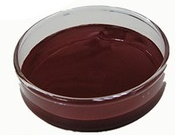
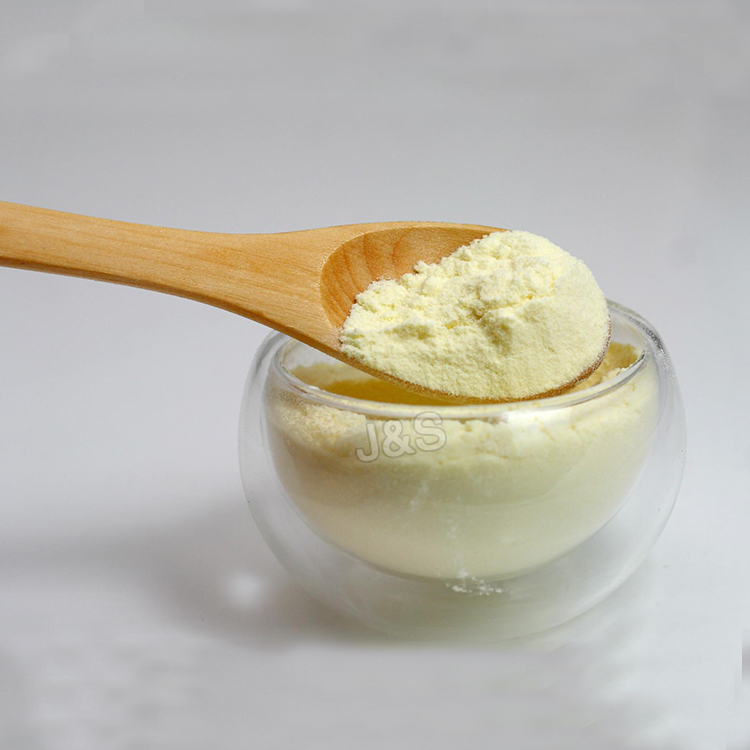
[Appearance] Dark red Powder

[Particle size] 80 Mesh

[Loss on drying] ≤5.0%

[Heavy Metal] ≤10PPM

[Storage] Store in cool & dry area, keep away from the direct light and heat.

[Shelf life] 24 Months

[Package] Packed in paper-drums and two plastic-bags inside.

[Net weight] 25kgs/drum
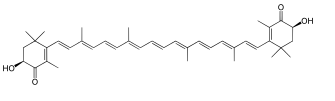
Astaxanthin21 Astaxanthin1

Brief Introduction

Astaxanthin is a natural nutritional component, it can be found as a food supplement. The supplement is intended for human, animal, and aquaculture consumption.

Astaxanthin is a carotenoid. It belongs to a larger class of phytochemicals known as terpenes, which are built from five carbon precursors; isopentenyl diphosphate and dimethylallyl diphosphate . Astaxanthin is classified as a xanthophyll (originally derived from a word meaning “yellow leaves” since yellow plant leaf pigments were the first recognized of the xanthophyll family of carotenoids), but currently employed to describe carotenoid compounds that have oxygen-containing moities, hydroxyl or ketone , such as zeaxanthin and canthaxanthin. Indeed, astaxanthin is a metabolite of zeaxanthin and/or canthaxanthin, containing both hydroxyl and ketone functional groups. Like many carotenoids, astaxanthin is a colorful, lipid-soluble pigment. This colour is due to the extended chain of conjugated (alternating double and single) double bonds at the centre of the compound. This chain of conjugated double bonds is also responsible for the antioxidant function of astaxanthin (as well as other carotenoids) as it results in a region of decentralized electrons that can be donated to reduce a reactive oxidizing molecule.

Function:

1.Astaxanthin is a powerful antioxidant and may protect against oxidative damage to body tissues.

2.Astaxanthin can improve the immune response by increasing the number of antibody producing cells.

3.Astaxanthin is a potential candidate to treat neurodegenerative disease such as Alzhimer and Parkinson diease.

4.Astaxanthin dan reduce UVA-light damage to skin such as sunburn, inflammation, ageing and skin cancer.

Application

1.When applied in pharmaceutical field, astaxanthin powder has the good function of antineoplastic;

2.When applied in health food field, astaxanthin powder is used as food additives for pigment and health care;

3.When applied in cosmetic field, astaxanthin powder has the good function of antioxidant and anti-aging;

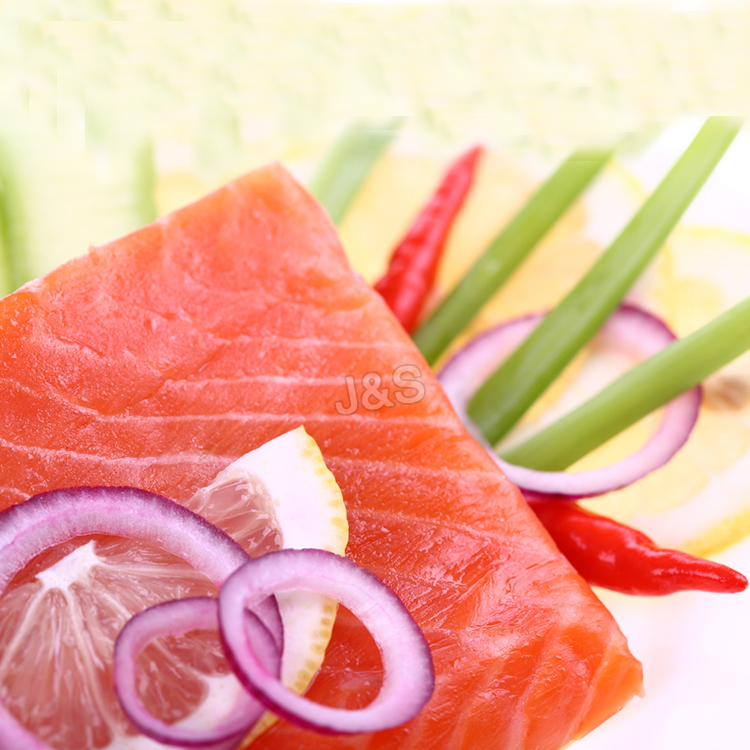
4.When applied in animal feeds field, astaxanthin powder is used as animal feed additive to impart coloration, including farm-raised salmon and egg yolks.Astaxanthin31
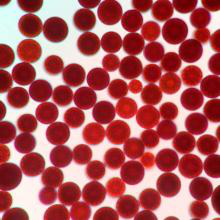

Product detail pictures:

China Gold Supplier for Astaxanthin Factory in Munich detail pictures


Related Product Guide:

Our concentrate on should be to consolidate and enhance the quality and service of present products, meanwhile consistently produce new products to meet unique customers' demands for China Gold Supplier for Astaxanthin Factory in Munich , The product will supply to all over the world, such as: Holland, Manila, Yemen, We provide OEM services and replacement parts to meet the varying needs of our customers. We give competitive price for quality solutions and we are going to make certain your shipment is handled quickly by our logistics department. We sincerely hope to have the opportunity to meet with you and see how we can help you further your own business.


  • www.iocob.nl Boswellia, ayurvedic herb for brain swelling. A mini lecture of Professor Dr.med. Jan M. Keppel Hesselink, President Foundation IOCOB and molecular pharmacologist.
    The ancient herb boswellia (Boswellia serrata) has been used for thousands of years to treat conditions that, in recent years, have been found to be caused by inflammation. Originating in Africa, China, and the Middle East, boswellia herbal extract is derived from the sappy resin of the boswellia tree. In the 1970s, German scientists discovered that boswellia produces therapeutic effects similar to those of the non-steroidal anti-inflammatory (NSAID) compounds ibuprofen and aspirin. Unlike boswellia, however, NSAIDs work by inhibiting the cyclooxygenase-2 (COX-2) enzymes. Unfortunately, medications that inhibit COX-2 often inhibit COX-1, which is needed to maintain a healthy stomach lining and common side effects include gastrointestinal bleeding.

    Boswellia differs from the NSAIDs in its mode of action. Boswellia has been shown to reduce inflammation in both osteoarthritis and rheumatoid arthritis, inflammatory bowel disease, and other autoimmune conditions by blocking the lethal pro-inflammatory enzyme 5-lipoxygenase (5-LOX). A number of immune system chemicals released during the inflammatory response contribute to the chronic inflammation seen in atherosclerosis, osteoarthritis and certain autoimmune diseases. Blocking these pro-inflammatory chemicals reduces symptoms of inflammation and helps taper the autoimmune mechanism.

    The Actions of Boswellia

    Although the benefits of boswellia are similar to those of the non-steroidal anti-inflammatory drugs, boswellia works by blocking 5-LOX, which is the first enzyme released in the metabolic pathway leading to the synthesis of the immune system cytokines known as leukotrienes. Leukotrienes are harmful inflammatory substances thought to directly influence the disease process in a number of different disorders, including rheumatoid arthritis, cancer, and asthma.

    The active ingredients of boswellia, the boswellic acids, decrease the activity of another pro-inflammatory enzyme known as human leukocyte elastase (HLE). HLE and leukotriene levels are increased in many inflammatory diseases and allergic reactions. To date, boswellia is the only substance known to reduce levels of both HLE and leukotrienes. In 2005, researchers found that boswellia works in part by altering the expression of the cytokine tumor necrosis factor alpha (TNF-α), another integral component in inflammation. An excess of TNF-α promotes chronic inflammation. Applying boswellia to cells has been shown to decrease the TNF-α-induced expression of cell adhesion and matrix metalloproteinase proteins, which are biochemicals related to endothelial dysfunction, cancer metastasis (spreading), arthritis, and other disease processes.

    Benefits in Arthritis and Crohn’s Disease

    Researchers have found that boswellia helps prevent the deterioration of cartilage and joint tissue. This suggests that boswellia may relieve symptoms in arthritis by inhibiting the breakdown of connective tissues that is caused by tumor necrosis factor-alpha-induced expression of matrix metalloproteinase enzymes. Studies in both humans and dogs show after as little as two weeks of boswellia therapy include reduced pain, stiffness, and lameness.

    In patients with rheumatoid arthritis and Crohn’s disease, boswellia can help reduce the immune cells that promote inflammation while increasing the number of immune cells that inhibit inflammation (anti-inflammatory cells). In studies of patients with inflammatory bowel disease, ulcerative colitis and Crohn’s disease boswellia reduced gastrointestinal inflammation and tissue damage.

    Boswellia Preparations

    Different preparations of boswellia vary in their potency and biochemical makeup. Scientists in Germany have found that the biologically active ingredient AKBA that is found in boswellia is responsible for its therapeutic properties. In most boswellia preparations, however, AKBA only represents a small fraction of the ingredients.

    Several years ago, researchers developed methods to prepare a compound with concentrations of AKBA greater than 30%. The resulting product has been found to be safe and well-tolerated. This product is patented and trademarked under the name 5-LOXIN. To date, 5-LOXIN inhibits 5-LOX more effectively than the highest quality boswellia formulations. In studies 5-LOXN produced a 27 percent reduction in inflammation compared to 35 percent with ibuprofen that was free of the side effects associated with ibuprofen and other NSAIDs.

    Resources:

    Vicki Brower, Ancient Herb Suppresses Inflammation, Life Extension Foundation, March 2007: 71-75.

    DeCaterina R, Zampoli A, From asthma to atherosclerosis—5-lipoxygenase, leukotrienes, and inflammation. New England Journal of Medicine, 2004 Jan 1; 350(1): 4-7.


    We have been cooperated with this company for many years, the company always ensure timely delivery ,good quality and correct number, we are good partners.
    5 Stars By Eunice from Estonia - 2018.06.12 16:22
    Adhering to the business principle of mutual benefits, we have a happy and successful transaction, we think we will be the best business partner.
    5 Stars By tobin from Puerto Rico - 2018.06.30 17:29
    Write your message here and send it to us