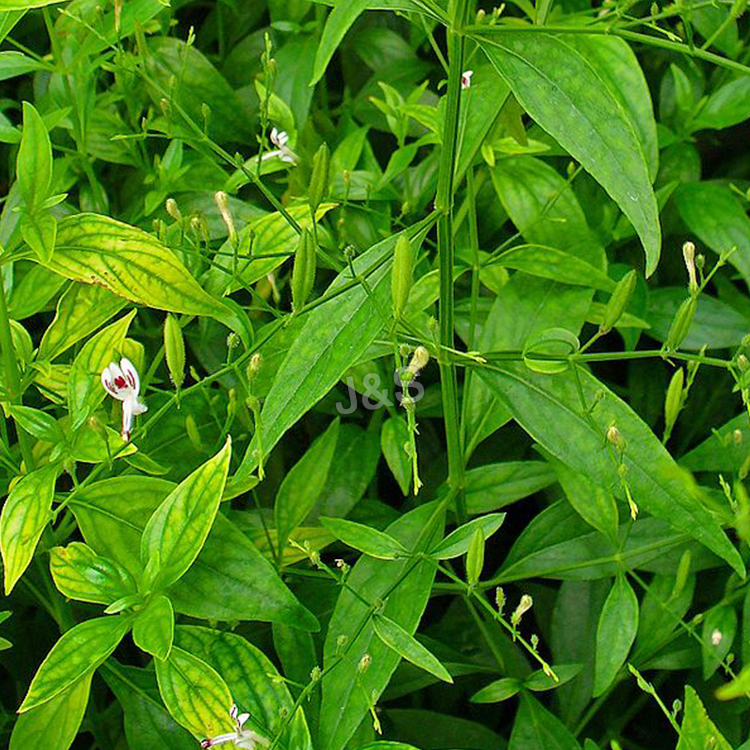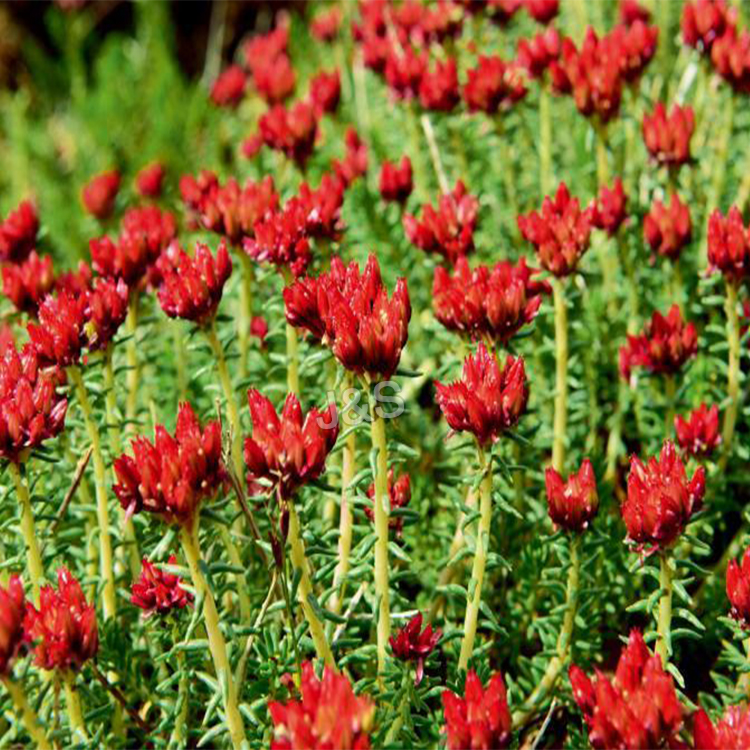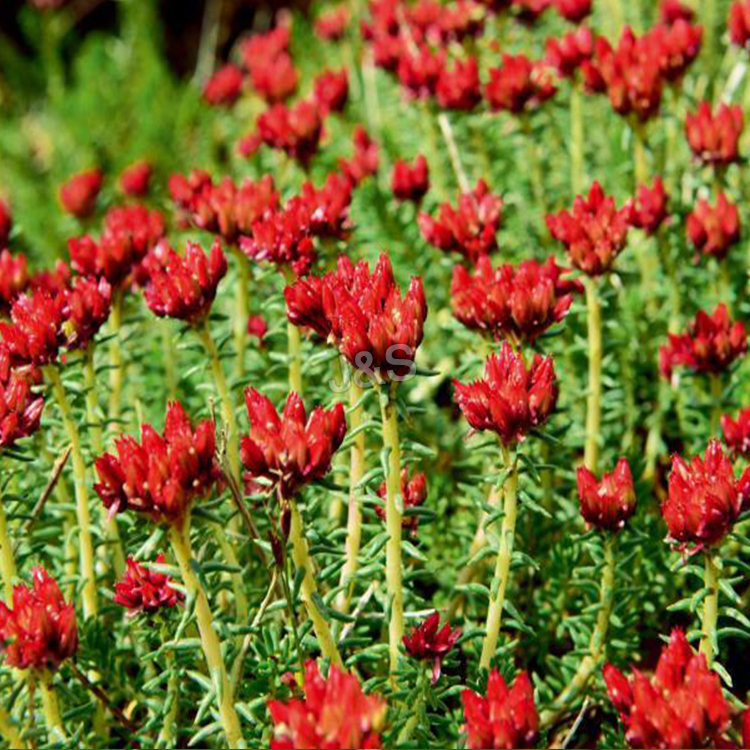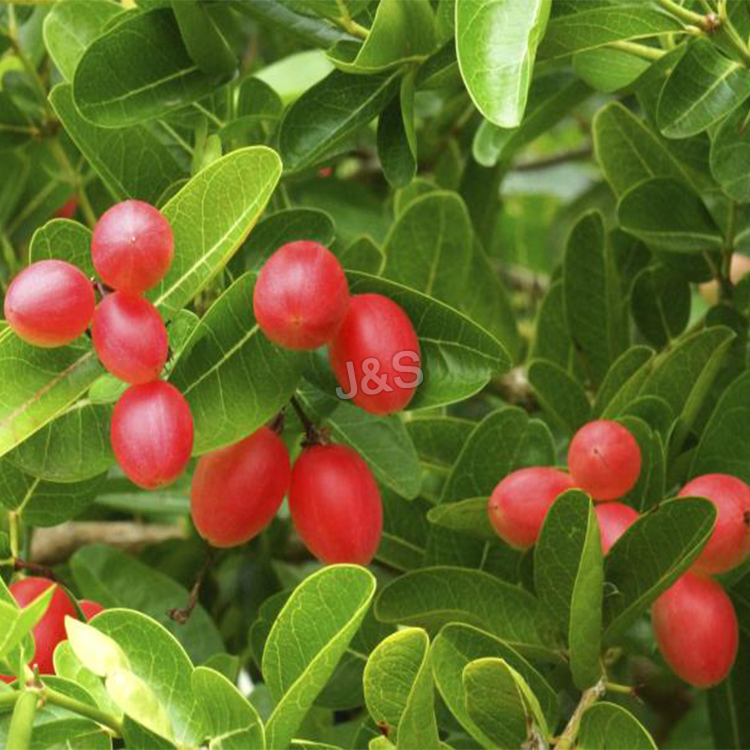
China wholesale Wolfberry Extract Factory for Sri Lanka
China wholesale Wolfberry Extract Factory for Sri Lanka Detail:
[Latin Name] Lycium barbarum L.
[Plant Source]from China
[Specifications]20%-90%Polysaccharide
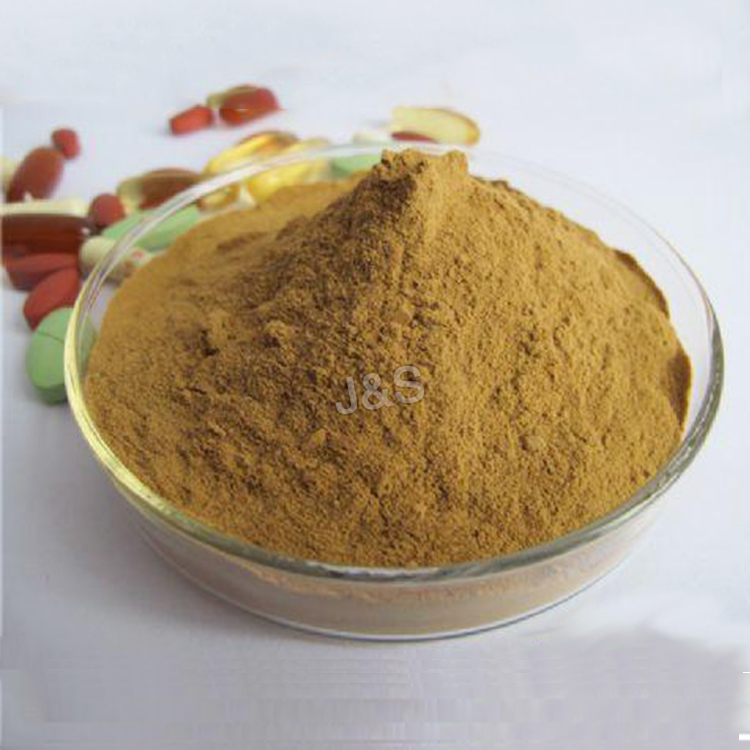
[Appearance] Reddish brown powder
Plant Part Used:Fruit
[Particle size] 80 Mesh
[Loss on drying] ≤5.0%
[Heavy Metal] ≤10PPM
[Shelf life] 24 Months
[Package] Packed in paper-drums and two plastic-bags inside.
[Net weight] 25kgs/drum
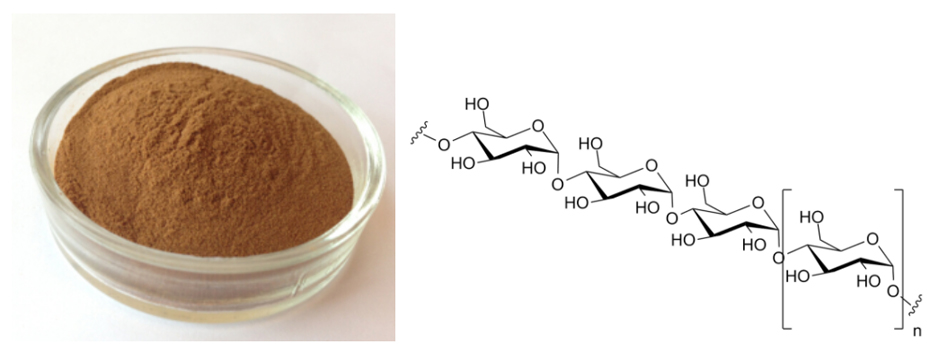
Product Description
The wolfberry is harvested when the fruit is orange red. After drying to the skin wrinkles, it is exposured to the skin moist and soft fruit, then removed the stem. Wolfberry is a kind of rare traditional Chinese medicine which is very rich in nutrients and has high medicinal value The materials contain not only such as iron, phosphorus, calcium, but also a lot of sugar, fat and protein. It also contains polysaccharide with good health care function to human body and germanium that is beneficial to human’s intelligence.
Function
1. With the function of regulating immune, inhibiting tumor growth and cell mutation;
2. With the function of lipid-lowering and anti-fatty liver;
3. Promoting the function of hematopoietic;
4. With the function of anti-tumor and anti-aging.
Applications:
1. Applied in food field, it can be produced into wine, canned, condensed juice and other more nourishment;
2. Applied in health product field , it can be made into suppositories, lotions, injection, tablets, capsules and other dosage forms to regulate immunity;
3. Applied in pharmaceutical field, effectively treating cancer, hypertension, cirrhosis and other diseases;
4. Applied in cosmetics field, it can prevent skin aging and improve skin elasticity.
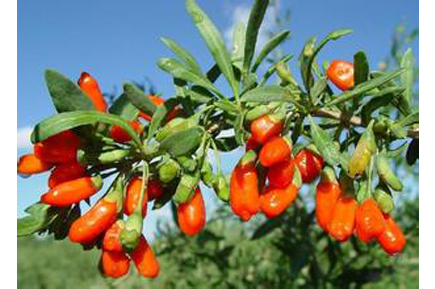
Product detail pictures:
Related Product Guide:
The customer satisfaction is our primary goal. We uphold a consistent level of professionalism, quality, credibility and service for China wholesale Wolfberry Extract Factory for Sri Lanka , The product will supply to all over the world, such as: Albania, Florida, Indonesia, All the employees in factory, store, and office are struggling for one common goal to provide better quality and service. Real business is to get win-win situation. We would like to provide more support for customers. Welcome all nice buyers to communicate details of our products with us!
SKINNY BODY MAX: The most advanced weight management product on the planet. Discover maximum weight management, antioxidant power, and the support of a healthy metabolism with our extremely potent ground breaking dietary supplement.
Order Skinny Body Max at https://ourproducts.skinnybodycare.com/corp/skinnyBodyMax
In 2011, we introduced to the world, Skinny Fiber, a product that FINALLY helped people all over the world get results!
For almost 5 years, it was the PREMIER weight management product ANYWHERE and was featured all over the internet, in magazines, newspapers, and even on TV. And while Skinny Fiber is STILL one of the most powerful weight management products on the market, with all the advances in science and nutrition technology, in 2016, we developed a product even BETTER! With all the incredible benefits of Skinny Fiber, PLUS some of the most powerful ingredients discovered in the last few years, Skinny Body MAX is a super-enhanced version of Skinny Fiber and represents the cutting edge of science, with the most advanced weight management product EVER!
If YOU or ANYONE you know has a need to manage their weight, whether its 10 pounds, 30 pounds, 100 pounds or MORE, Skinny Body MAX may very well be the product you’ve been hoping for!
Skinny Body Care has been at the forefront of science and technology when it comes to helping people manage their weight and keep it off for good. Since that time, our life-changing products have helped people around the globe who have struggled with weight management FINALLY be able to get results.
Skinny Body MAX is our most advanced product EVER, and we believe the most COMPLETE weight management product on the planet! Nothing on the market can compare to Skinny Body MAX!
Proprietary Blend: 1160mg
Konjoac glucomannan, oligofructose-enriched inulin, caralluma extract, cayenne pepper, raspberry ketones, Garcinia cambogia extract, and Lactobacillus plantarum
Proprietary Enzyme Blend: 260mg
Amylase, protease, lipase, glucoamylase, papain, cellulase, bromelain
KEYWORD ASSOCIATION:
manage cravings, stress relief, stress relief support, sleep enhancement, sleep enhancer, appetite suppressant, appetite management, weight loss, diet, how to lose weight fast, diabetic diet, how to lose weight, how to lose weight fast for women, how to lose 10 pounds, dietary supplements, vegan diet, best weight loss supplement, best way to lose belly fat, calories to lose weight, diet food, diet plan for women, high fiber diet, how to lose body fat, low carb foods, healthy eating, how to lose belly fat fast, no carb diet, how to lose belly fat, how to lose stomach fat, weight loss tips, low carb diet, belly fat, fat burner, fastest way to lose weight, weight loss plans, extreme weight loss, best way to lose weight, fat burning foods, diet pills, diets that work, lose belly fat, quick weight loss, healthy diet, weight loss supplements, diet plans, how to lose weight in a week, lose weight, best fat burner, weight loss pills, weight loss diet, fast weight loss, best diet, diet, lose weight fast, best weight loss, best weight loss products, best diet products, best weight loss pills, best diet pills, best weight loss supplements, best diet supplements, best fat burn products, best fat supplements, best fat burn pills, best fat burn diet
Herbs for testosterone, energy and sexual vitality i used when working in the Amazon. Now i use these:
https://mypurium.com/healthnut/product…
***Take your health to the next level:
https://mypurium.com/healthnut/home/core3
use $50 gift card code: healthnut
***10 Day Transformation Cleanse*** in USA & Canada:
https://www.phporder.com/Transformatio…
***10 Day Transformation Cleanse*** in Europe & UK:
https://www.platinumuk.biz/Transformat…
***Children’s supplement line:
https://mypurium.com/healthnut/home/kids
***Shop @ CHN super food store:
https://www.phporder.com/AllProducts.a…
***WORK WITH TROY:
https://workingwithtroy.com/
Buy Paul Chek’s book HOW TO EAT MOVE & BE HEALTHY:
https://chekandpps.infusionsoft.com/a…
CHN Newsletter:
https://certifiedhealthnut.com
CONTACT US FOR ANY QUESTIONS.
InstaGram: https://instagram.com/certifiedhealthnut
Troy’s Facebook
https://fb.com/chn333
Subscribe to my channel for healthy ideas
https://youtube.com/certifiedhealthnut
Troy’s Twitter
https://twitter.com/MrHealthNut
 By Jessie from Argentina - 2017.02.18 15:54
Good quality, reasonable prices, rich variety and perfect after-sales service, it's nice!
By Grace from Brisbane - 2018.12.14 15:26