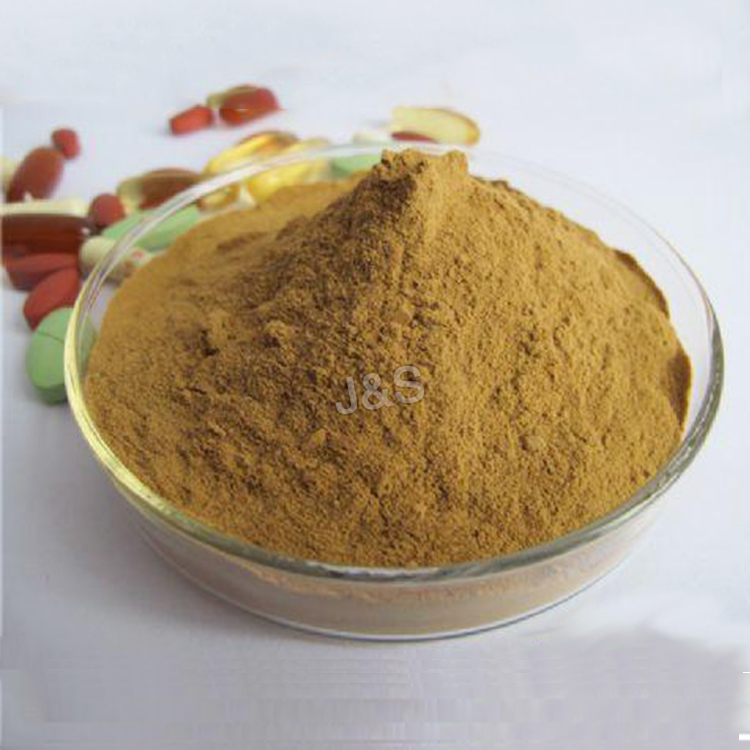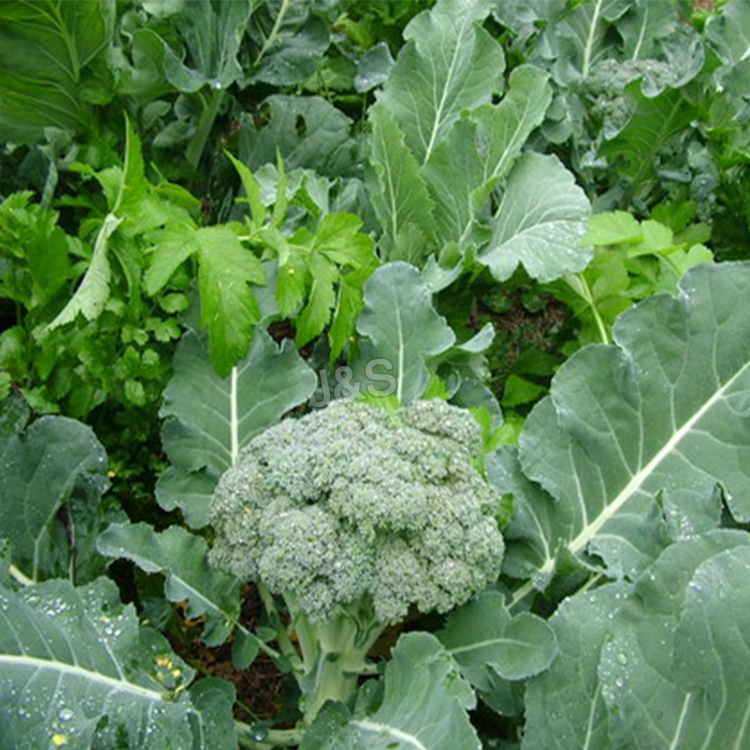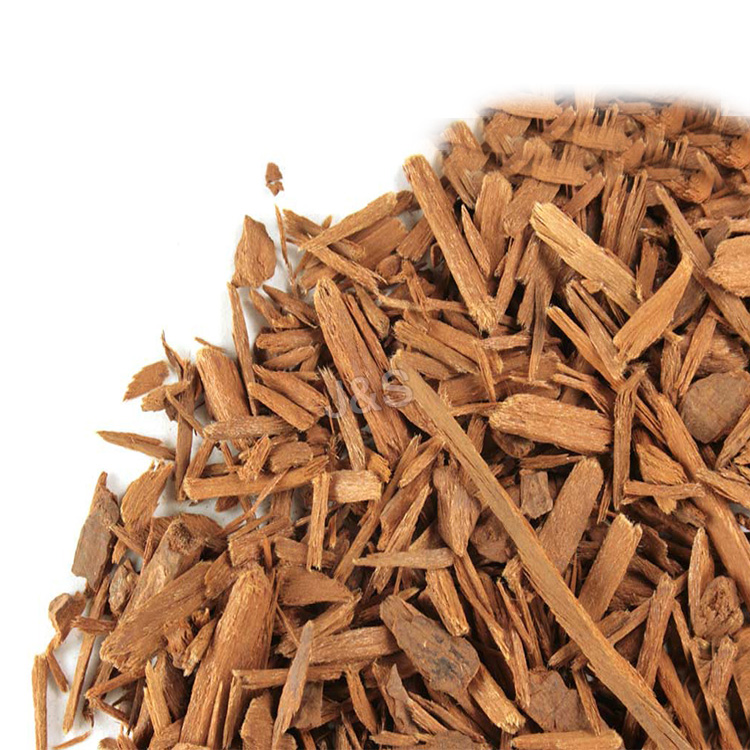
China wholesale Yohimbe bark extract Factory in San Diego


Product Detail

Product Tags

Related Video

Feedback (2)

Being supported by an highly developed and specialist IT team, we could give technical support on pre-sales & after-sales service for Konjac Glucomannan Powder Weight Loss, Konjac Fiber Powder, Buy Konjac Powder, We imagine we'll become a leader in building and producing high quality products in equally Chinese and international markets. We hope to cooperate with a lot more friends for mutual added benefits.
China wholesale Yohimbe bark extract Factory in San Diego Detail:

[Latin Name] Corynante Yohimbe

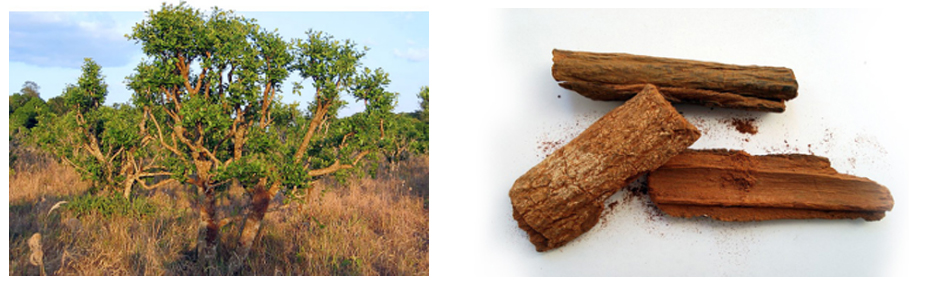
[Plant Source] Yohimbe bark collected from Africa

[Specifications] Yohimbine 8% (HPLC)

[Appearance] Red Brown Fine Powder

[Particle size] 80 Mesh

[Loss on drying] 5.0%

[Heavy Metal] 10PPM

[Extract solvents] Ethanol

[Storage] Store in cool & dry area, keep away from the direct light and heat.

[Package] Packed in paper-drums and two plastic-bags inside. Net weight:25kgs/drum
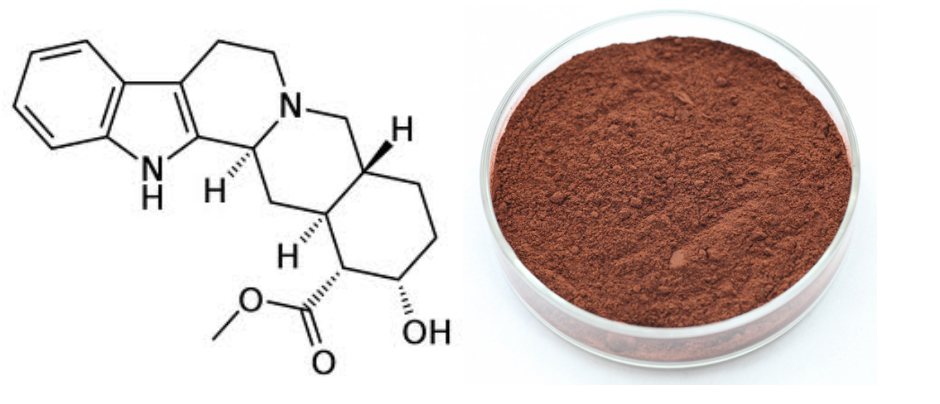
 Yohimbe bark extract111

[What is yohimbe]

Yohimbe is a tree that grows in Africa, and the natives there have used the crude bark and purified compound to enhance sexual desire and performance. Yohimbe has been used for centuries as an aphrodisiac. It has even been smoked as a hallucinogen. Nowadays, Yohimbe bark extract is mostly used to treat impotence for men and women.

When ingested, Yohimbe is assimilated into the blood stream, and Yohimbe’s energizing effects come from its ability to increase blood flow to the genitals - and this applies to both men and women.Aside from its aphrodisiac effects, new research also show that Yohimbe has powerful antioxidant effects.


. Yohimbe bark extract221
[Function]

Yohimbe Bark Extract Benefits£º

1.It’s an aphrodisiac for both men and women

2.Be used to fight impotence

3.It is shown to be a powerful antioxidant

4.It also helps prevent arteries from getting clogged

5.It helps sexual performance, increase libido

6.Ithas also been shown to help prevent heart attacks


Product detail pictures:

China wholesale Yohimbe bark extract Factory in San Diego detail pictures


Related Product Guide:

With our excellent administration, potent technical capability and strict top quality control technique, we go on to provide our consumers with trusted quality, reasonable price ranges and fantastic providers. We intention at becoming one among your most trusted partners and earning your fulfillment for China wholesale Yohimbe bark extract Factory in San Diego , The product will supply to all over the world, such as: Nicaragua, Hungary, Sydney, We adopted technique and quality system management, based on "customer orientated, reputation first, mutual benefit, develop with joint efforts", welcome friends to communicate and cooperate from all over the world.


  • Understanding the structure of plant cell walls.

    Watch the next lesson: https://www.khanacademy.org/science/biology/structure-of-a-cell/cytoskeleton-junctions-and-extracellular-structures/v/overview-of-animal-and-plant-cells?utm_source=YT&utm_medium=Desc&utm_campaign=biology

    Missed the previous lesson? https://www.khanacademy.org/science/biology/structure-of-a-cell/cytoskeleton-junctions-and-extracellular-structures/v/extracellular-matrix?utm_source=YT&utm_medium=Desc&utm_campaign=biology

    Biology on Khan Academy: Life is beautiful! From atoms to cells, from genes to proteins, from populations to ecosystems, biology is the study of the fascinating and intricate systems that make life possible. Dive in to learn more about the many branches of biology and why they are exciting and important. Covers topics seen in a high school or first-year college biology course.

    About Khan Academy: Khan Academy offers practice exercises, instructional videos, and a personalized learning dashboard that empower learners to study at their own pace in and outside of the classroom. We tackle math, science, computer programming, history, art history, economics, and more. Our math missions guide learners from kindergarten to calculus using state-of-the-art, adaptive technology that identifies strengths and learning gaps. We’ve also partnered with institutions like NASA, The Museum of Modern Art, The California Academy of Sciences, and MIT to offer specialized content.

    For free. For everyone. Forever. #YouCanLearnAnything

    Subscribe to Khan Academy’s Biology channel: https://www.youtube.com/channel/UC82qE46vcTn7lP4tK_RHhdg?sub_confirmation=1
    Subscribe to Khan Academy: https://www.youtube.com/subscription_center?add_user=khanacademy


    “Equine Polysaccharide Storage Myopathy” is an inheritable glycogen storage disease of horses that causes exertional rhabdomyolysis. It is most commonly associated with heavy horse breeds and the American Quarter Horse. While incurable, PSSM can be managed with appropriate diet and exercise. There are currently 2 subtypes, known as Type 1 PSSM and Type 2 PSSM.

    Glycogen is a molecular polymer of glucose used to store energy, and is important for maintaining glucose hemostasis in the blood, as well as for providing energy for skeletal muscle and cardiac muscle contraction. Molecules of glucose are linked into linear chains by α-1,4-glycosidic bonds. Additionally, branches of glucose are formed off of the chain by α-1,6-glycosidic bonds. 2 molecules of glucose are joined into an α-1,4-glycosidic bonds by an enzyme known as glycogen synthase. This bond may be broken by amylase when the body wishes to break down glycogen into glucose for energy. Glycogen branching enzyme is responsible for the required α-1,6-glycosidic bonds needed to start a branch off of these linear chains.

    Any disruption to this system results in a glycogen storage disease. There are currently 3 subcategories of glycogen storage diseases in horses: Type 1 Polysaccharide Storage Myopathy, Glycogen Branching Enzyme Deficiency , and Type 2 Polysaccharide Storage Myopathy.

    Type 1 PSSM is caused by an autosomal dominant genetic mutation known as GSY1. This mutation causes an up-regulation of glycogen synthase, and high levels of glycogen synthase relative to glycogen branching enzyme . This altered ratio of glycogen synthase to GBE results in glycogen molecules with long chains and few branches, making these molecules somewhat amylase resistant. The GSY1 mutation is associated with altered glucose metabolism , as well as accumulation of high levels of glycogen and abnormal polysaccharide in the muscles of the horse. Additionally, some horses have been shown to have insulin sensitivity, which improves glucose uptake by muscle cells and contributes to excessive glycogen storage that is already elevated secondary to the GSY1 mutation.

    Wiz Science™ is “the” learning channel for children and all ages.
    SUBSCRIBE TODAY

    Disclaimer: This video is for your information only. The author or publisher does not guarantee the accuracy of the content presented in this video. USE AT YOUR OWN RISK.

    Background Music:
    “The Place Inside” by Silent Partner (royalty-free) from YouTube Audio Library.

    This video uses material/images from https://en.wikipedia.org/wiki/Equine+polysaccharide+storage+myopathy, which is released under Creative Commons Attribution-Share-Alike License 3.0 https://creativecommons.org/licenses/by-sa/3.0/ . This video is licensed under Creative Commons Attribution-Share-Alike License 3.0 https://creativecommons.org/licenses/by-sa/3.0/ . To reuse/adapt the content in your own work, you must comply with the license terms.

    The sales manager is very patient, we communicated about three days before we decided to cooperate, finally, we are very satisfied with this cooperation!
    5 Stars By Cheryl from Iraq - 2018.02.12 14:52
    The customer service reprersentative explained very detailed, service attitude is very good, reply is very timely and comprehensive, a happy communication! We hope to have a opportunity to cooperate.
    5 Stars By Natalie from Philadelphia - 2018.12.05 13:53
    Write your message here and send it to us