Chinese wholesale Pine bark Extract Supply to Japan


Product Detail

Product Tags

Related Video

Feedback (2)

Our firm aims to operating faithfully, serving to all of our shoppers , and working in new technology and new machine consistently for Konjac Flour Bread, Phytosterol Uses, Korean Ginseng Benefits, We will empower people by communicating and listening, Setting an example to others and learning from experience.
Chinese wholesale Pine bark Extract Supply to Japan Detail:

[Latin Name]  Pinus pinaster.

[Specification] OPC ≥ 95%

[Appearance] Red brown fine powder

Plant Part Used: Bark

[Particle size] 80Mesh

[Loss on drying] ≤5.0%

[Heavy Metal] ≤10PPM

[Storage] Store in cool & dry area, keep away from the direct light and heat.

[Shelf life] 24 Months

[Package] Packed in paper-drums and two plastic-bags inside.

[Net weight] 25kgs/drum
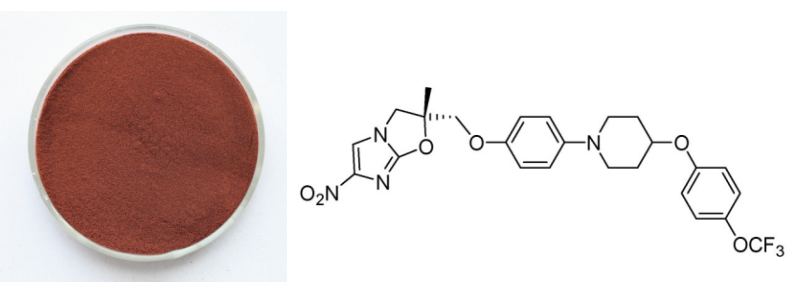
Pine bark Extract11

[What is Pine bark?]

Pine bark, botanical name Pinus pinaster, is a maritime pine native to southwest France that also grows in countries along the western Mediterranean.  Pine bark contains a number of beneficial compounds that are extracted from the bark in a way that doesn’t destroy or damage the tree.
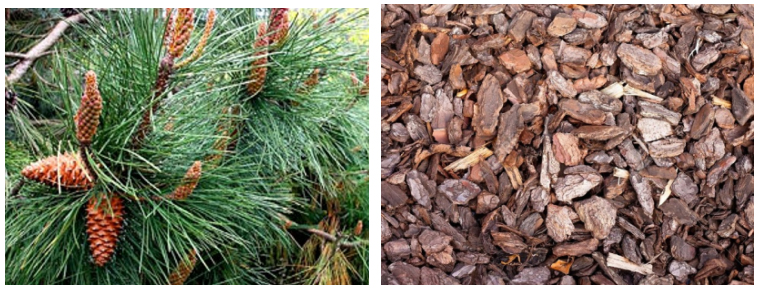
Pine bark Extract2211

[How does it work?]

What gives pine bark extract its notoriety as a powerful ingredient and super antioxidant is that it’s loaded with oligomeric proanthocyanidin compounds, OPCs for short. The same ingredient can be found in grape seeds, the skin of peanuts and witch hazel bark. But what makes this miracle ingredient so amazing?

While OPCs found in this extract are mostly known for their antioxidant-producing benefits, these amazing compounds exude antibacterial, antiviral, anticarcinogenic, anti-aging, anti-inflammatory and anti-allergic properties. Pine bark extract can help reduce muscle soreness and may help improve conditions relating to poor circulation, high blood pressure, osteoarthritis, diabetes, ADHD, female reproductive issues, skin, erectile dysfunction, eye disease and sports stamina.

Seems like it must be pretty amazing, but let’s look closer. The list goes on a bit further, as the OPCs in this extract may “inhibit lipid peroxidation, platelet aggregation, capillary permeability and fragility, and to affect enzyme systems,” which basically means it may be a natural treatment for many serious health conditions, such as stroke and heart disease.

[Function]

  1. Lowers Glucose Levels, Improving Diabetic Symptoms
  2. Helps Prevent Hearing Loss and Balance
  3. Staves Off Infections
  4. Protects the Skin from Ultraviolet Exposure
  5. Decreases Erectile Dysfunction
  6. Reduces Inflammation
  7.  Helps Increase Athletic Performance

Product detail pictures:

Chinese wholesale Pine bark Extract Supply to Japan detail pictures


Related Product Guide:

We generally continually give you quite possibly the most conscientious shopper company, and the widest variety of designs and styles with finest materials. These endeavours include the availability of customized designs with speed and dispatch for Chinese wholesale Pine bark Extract Supply to Japan , The product will supply to all over the world, such as: Finland, Morocco, Madagascar, If any item be of interest to you, you should let us know. We will try our best to satisfy your requirements with high quality goods, the best prices and prompt delivery. You should feel free to contact us at any time. We will reply you when we receive your inquiries. Make sure you note that samples are available before we start our business.


  • Lloyd Wright, author of the just released Hepatitis C: A Do-It Yourself Guide for Health, talking about Blueberry Extract, an effective agent for preventing or slowing down the replication of the Hepatitis C Virus. Hepatitis C virus (HCV) infection is a major cause of chronic liver disease such as chronic hepatitis, cirrhosis, and hepatocellular carcinoma. While searching for new natural anti-HCV agents in agricultural products, we found a potent inhibitor of HCV RNA expression in extracts of blueberry leaves when examined in an HCV subgenomic replicon cell culture system.

    This activity was observed in a methanol extract fraction of blueberry leaves and was purified by repeated fractionations in reversed-phase high-performance liquid chromatography. The final purified fraction showed a 63-fold increase in specific activity compared with the initial methanol extracts and was composed only of carbon, hydrogen, and oxygen. Liquid chromatography/mass-ion trap-time of flight analysis and butanol-HCl hydrolysis analysis of the purified fraction revealed that the blueberry leaf-derived inhibitor was proanthocyanidin.

    Furthermore, structural analysis using acid thiolysis indicated that the mean degree of polymerization of the purified proanthocyanidin was 7.7, consisting predominantly of epicatechin. Proanthocyanidin with a polymerization degree of 8 to 9 showed the greatest potency at inhibiting the expression of subgenomic HCV RNA. Purified proanthocyanidin showed dose-dependent inhibition of expression of the neomycin-resistant gene and the NS-3 protein gene in the HCV subgenome in replicon cells.

    While characterizing the mechanism by which proanthocyanidin inhibited HCV subgenome expression, we found that heterogeneous nuclear ribonucleoprotein A2/B1 showed affinity to blueberry leaf-derived proanthocyanidin and was indispensable for HCV subgenome expression in replicon cells. These data suggest that proanthocyanidin isolated from blueberry leaves may have potential usefulness as an anti-HCV compound by inhibiting viral replication.

    Wright knows about the rigors of life with Hepatitis C, and he knows all about wandering in the dark when doctors have no answers. Wright describes the new book, which follows his international best seller Triumph Over Hepatitis C, as “having all the primary information that everyone infected with Hepatitis C must know about. The 200-million people worldwide, about 5 million of them American, can benefit tremendously from Lloyds personal experience with over 200.000 clients who have hep c, most of them having used interferon and had it fail.

    Lloyd Wright’s Hepatitis C book builds on the years of work already undertaken and brings valuable new information about ways to combat the destructive virus, Hepatitis C. Hepatitis C: A Do-It Yourself Guide for Health begins by chronicling Wright’s own personal horror story after a 1979 accident brought Hepatitis into his life through a hospital blood transfusion. Following 15 years of pain, suffering and uncertainty he was accidently diagnosed and basically told to get his affairs in order. He refused to accept the fate prescribed to him by doctors and battled against the odds, and he prevailed. To those facing Hep C, Lloyd Wright offers these words of wisdom: “You can, and must, take responsibility for your health. If you are suffering from hepatitis C, you can reclaim your health, get out of bed, get off the couch, forget about disability, and go back to work.”

    A Time of Enlightenment (see Table of Contents below), Wright gives the exact supplement regimen followed in what he calls “my own recovery from Hepatitis C.” The supplements, vitamins and herbs taken were “a treatment strategy” that he lays out in Hepatitis C: A Do-It Yourself Guide for Health. A few of the items used were NatCell Thymus, Non-Pasteurized Aloe and Blueberry leaf extract.

    One of the new items, Naringenin currently offered by Wright is described in the book as a “powerful flavonoid” found in grapefruit that “shows promise in helping to combat hepatitis C. Naringenin is currently being used for a Phase 1 trial at UCLA. The hepatitis C virus is bound to a very low intensity lipo-protein (one of the so-called “bad” cholesterols), when it is secreted from liver cells, according to a February 4, 2007, article published in Science Daily. Researchers at the Massachusetts General Hospital Center for Engineering in Medicine reported that the viral secretion required to pass infection to other cells can be blocked by the common flavonoid Naringenin.”

    Lloyd Wright in Chapter Two, Hepatitis and Interferon, describes the nature of Hepatitis and the various forms in which it exists, meaning Hepatitis A, B and C, before offering this warning at the end of the section: “If you have Hepatitis C, your medical doctor will prescribe interferon. Before you proceed, read this book.”

    For more about Lloyd Wright go to https://alternativemedicinesolution.com


    We show the improvement effect of foam quality and stability
    with Tremoist (Tremella fuciformis polysaccharide).Please view it.

    For more detail information, please access our website

    https://www.nipponseika-cosme.com/english

    We feel easy to cooperate with this company, the supplier is very responsible, thanks.There will be more in-depth cooperation.
    5 Stars By Jonathan from Swedish - 2017.11.11 11:41
    Product quality is good, quality assurance system is complete, every link can inquire and solve the problem timely!
    5 Stars By Joyce from Ethiopia - 2018.02.04 14:13
    Write your message here and send it to us