Fast delivery for 5-HTP in Sao Paulo
Fast delivery for 5-HTP in Sao Paulo Detail:
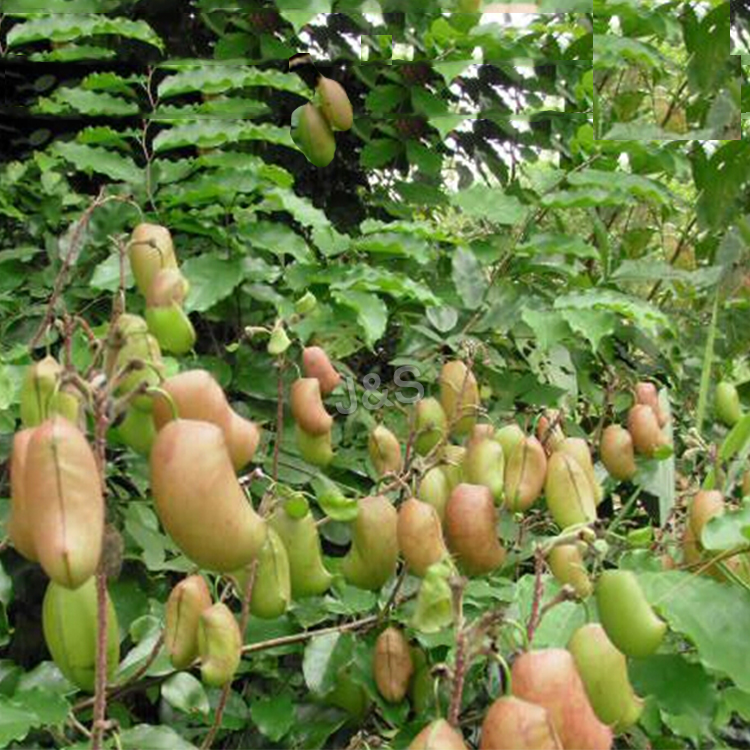
[Latin Name] Griffonia simplicifolia
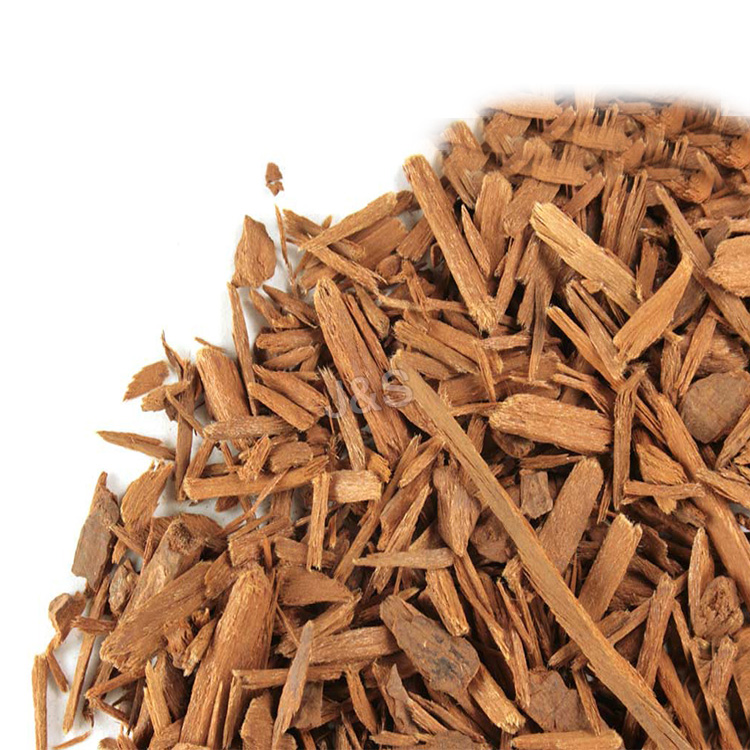
[Plant Source] Griffonia Seed
[Specifications] 98%; 99% HPLC
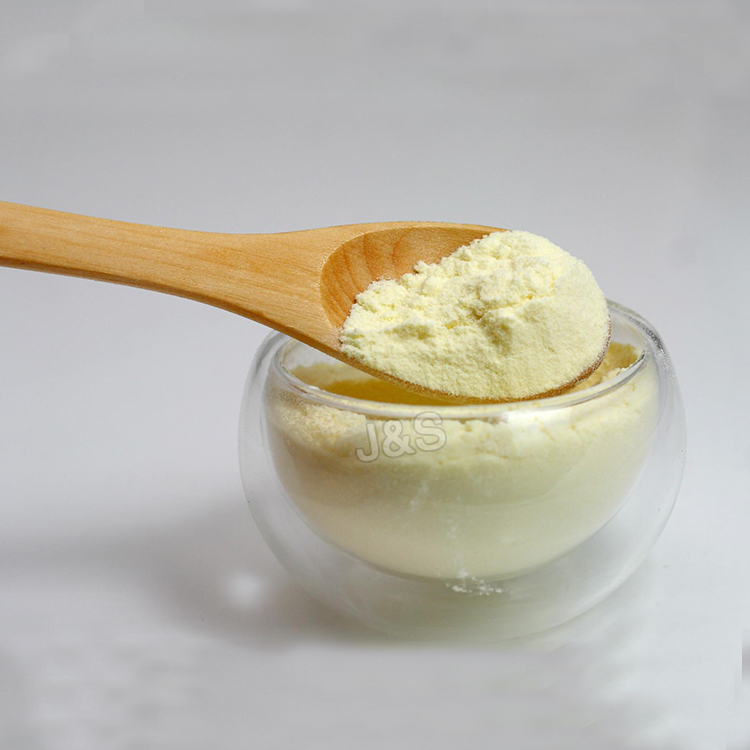
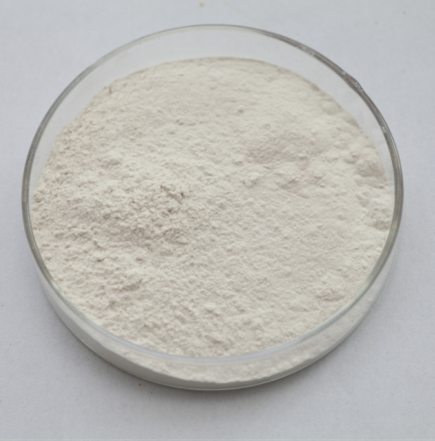
[Appearance] White fine powder
Plant Part Used: Seed
[Particle size] 80 Mesh
[Loss on drying] ≤5.0%
[Heavy Metal] ≤10PPM
[Pesticide residue] EC396-2005, USP 34, EP 8.0, FDA
[Storage] Store in cool & dry area, keep away from the direct light and heat.
[Shelf life] 24 Months
[Package] Packed in paper-drums and two plastic-bags inside.
[Net weight] 25kgs/drum
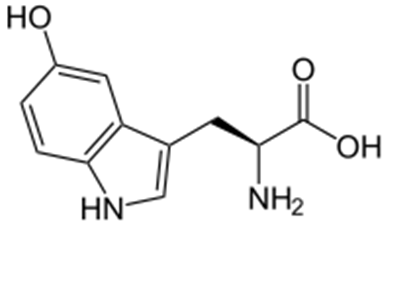
[What is 5-HTP]
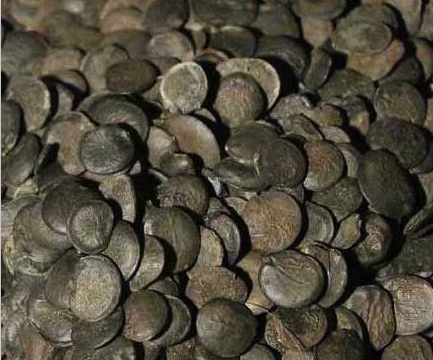
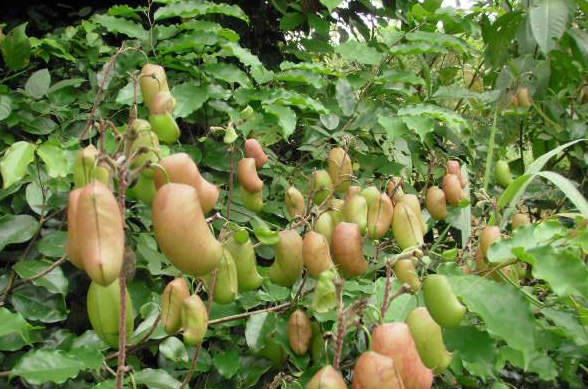
5-HTP (5-Hydroxytryptophan) is a chemical by-product of the protein building block L-tryptophan. It is also produced commercially from the seeds of an African plant known as Griffonia simplicifolia 5-HTP is used for sleep disorders such as insomnia, depression, anxiety, migraine and tension-type headaches, fibromyalgia, obesity, premenstrual syndrome (PMS), premenstrual dysphoric disorder (PMDD), attention deficit-hyperactivity disorder (ADHD), seizure disorder, and Parkinson’s disease.
[How does it work?]
5-HTP works in the brain and central nervous system by increasing the production of the chemical serotonin. Serotonin can affect sleep, appetite, temperature, sexual behavior, and pain sensation. Since 5-HTP increases the synthesis of serotonin, it is used for several diseases where serotonin is believed to play an important role including depression, insomnia, obesity, and many other conditions.
[Function]
Depression. Some clinical research shows that taking 5-HTP by mouth improve symptoms of depression in some people. Some clinical research shows that taking 5-HTP by mouth might be as beneficial as certain prescription antidepressant drugs for improving depression symptoms. In most studies, 150-800 mg daily of 5-HTP was taken. In some cases, higher doses have been used.
Down syndrome. Some research shows that giving 5-HTP to infants with Down syndrome might improve muscle and activity. Other research shows that it does not improve muscle or development when taken from infancy until 3-4 years of age. Research also shows that taking 5-HTP along with conventional prescription drugs does improve development, social skills, or language skills.
Anxiety 5-HTP was found to be protective against carbon dioxide-induced panic attacks. One study compared 5-HTP and the prescription medication clomipramine for anxiety. Clomipramine is a tricyclic antidepressant used for treating obsessive-compulsive disorder. 5-HTP was found to be somewhat effective in reducing anxiety symptoms, but not as effective as clomipramine.
Sleep 5-HTP supplements fared a little better for insomnia.5-HTP decreased the time required to get to sleep and decreased the number of nighttime awakenings. Taking 5-HTP along with GABA (gamma-aminobutyric acid), a relaxing neurotransmitter, reduced the time it took to fall asleep and increased the duration and quality of sleep. One study found that children with night terrors benefited from 5-HTP.
Product detail pictures:
Related Product Guide:
As for competitive charges, we believe that you will be searching far and wide for anything that can beat us. We will state with absolute certainty that for such excellent at such charges we have been the lowest around for Fast delivery for 5-HTP in Sao Paulo , The product will supply to all over the world, such as: Romania, Uganda, Moldova, Our product quality is one of the major concerns and has been produced to meet the customer's standards. "Customer services and relationship" is another important area which we understand good communication and relationships with our customers is the most significant power to run it as a long term business.
Pycnogenol® is one of the key ingredients in Naturally Plus SUPER LUTEIN MIRTOPLUS supplement.
Super Lutein & Izumio International – call / whatsapp to Super Lutein Izumio +65 9101 5527
For more information please call / whatsapp to +65 9101 5527
or visit www.BlueOceanWellness.com
Album: Simple Love
Track # 5: SDG (Soli Deo Gloria)
Release Date: 10-16-12 (pre-ordered it and it arrived on 10-10-12)
Get it here: https://www.merchline.com/lampmode/
Youtube Video Compiled and uploaded by: Greis V.
Lyrics:
I said it, He’s high, He’s lifted, He’s fly, He’s different, He’s why we’re living, He’s all powerful and omniscient / we’re dead we’re sloppy/ but He’s supreme and He’s lofty / but humbled Himself where covenant wealth was dealt — I’m glad that He bought me / how dare I compare my/ or try to share in His fame / His own one, He swears by — cuz’ nothing’s high as His name / We humans, we’re ruined / we’re stupid thinking we rule it/ it’s foolish/ cuz’ us and the spot on top is NOT congruent/ He soley / is worthy of praise for He alone is holy / majestic perfection / creation tells of His glory/ what’s more we/ gotta bow down (bow down!) and worship Him only / from Him to Him through Him for Him / all things made they were made to adore Him / His mercy, displayed on the cross where Jesus hung /where God the Father beat the Son / is actually the greatest deed that’s done /redeeming love / that would pay for sins but that would also bring His sons and daughters back to the Father captured and awe — Oh God may Your kingdom come!
Soli Deo Gloria (Glory to God alone) He’s glorious!
His glory’s shown / in all of the things He’s made/ Uniquely by the priesthood made up of those He’s cleaned and saved / come you people redeemed from evil, you ransomed bring Him praise / let your actions and your speakers sing of the King who brings us grace / Let’s proclaim His excellencies/ Let’s praise Him excellently/ Got snatched from the dark domain transferred and placed in His assembly / This fountain that we’re doused in / this salvation’s astounding / this Christ we have is glorious so let’s gather ’round and crown Him / That glory “kick”/ I love when Christ and His glory is / adored and lifted up and as glorious and not just as glory-ish/ who gets the honor? / You know how the story ends / when it’s Christ we know is its all in all so that all the glory’s His / gotta decrease so He’ll increase / we’ll die the more we love/ to our precious Lord and our God say Soli Deo Gloria!
 By Joanna from Congo - 2018.12.30 10:21
The goods are very perfect and the company sales manager is warmful, we will come to this company to purchase next time.
By Kimberley from Thailand - 2017.11.12 12:31