Good quality 100% Cranberry Extract Factory in Hanover
Good quality 100% Cranberry Extract Factory in Hanover Detail:
[Latin Name] Vaccimium Macrocarpon L
[Plant Source] North America
[Specifications] 3% – 50% PACs.
[Test method] Beta-smith, DMAC, HPLC
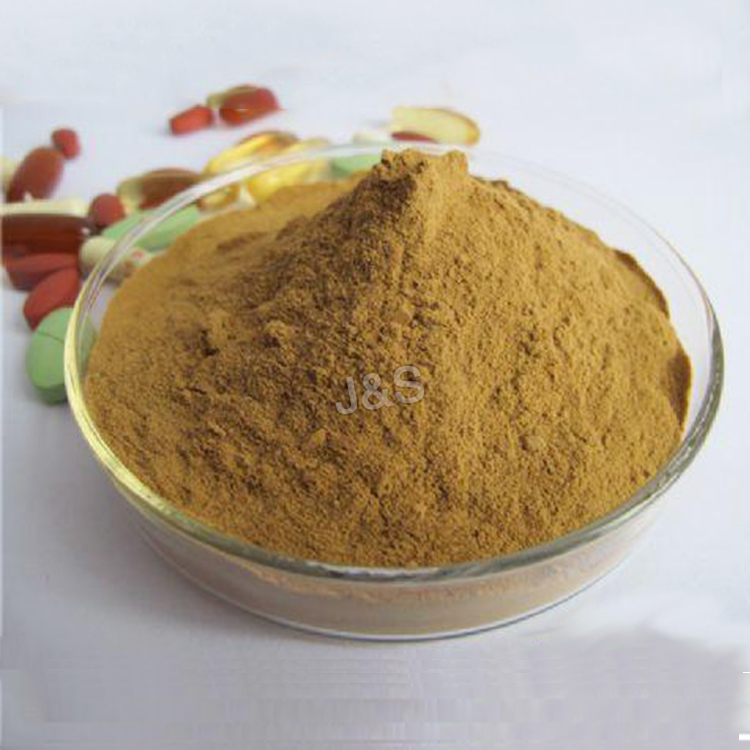
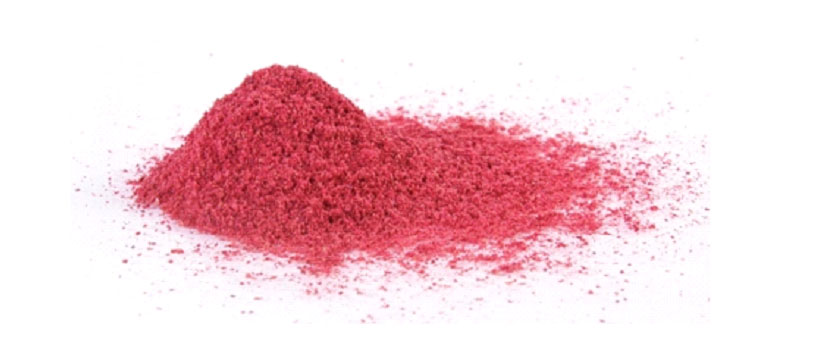
[Appearance] Red fine powder
[Plant Part Used] Cranberry fruits
[Particle size] 80 Mesh
[Loss on drying] ≤5.0%
[Heavy Metal] ≤10PPM
[Pesticide residue] EC396-2005, USP 34, EP 8.0, FDA
[Storage] Store in cool & dry area, keep away from the direct light and heat.
[Shelf life] 24 Months
[Package] Packed in paper-drums and two plastic-bags inside.
[Gereral feature]
1. 100% extract from Cranberry fruit, passed ID test from the 3rd part like ChromaDex. Alkemist Lab;
2. Pesticide residue: EC396-2005, USP 34, EP 8.0, FDA;
3. The standard of the heavy mental is strictly according to the pharmacopoeia like USP, EP, CP;
4.Our company import the raw material directly from Canada and America;
5. Good water solubility, the price is reasonable
[What is cranberry]
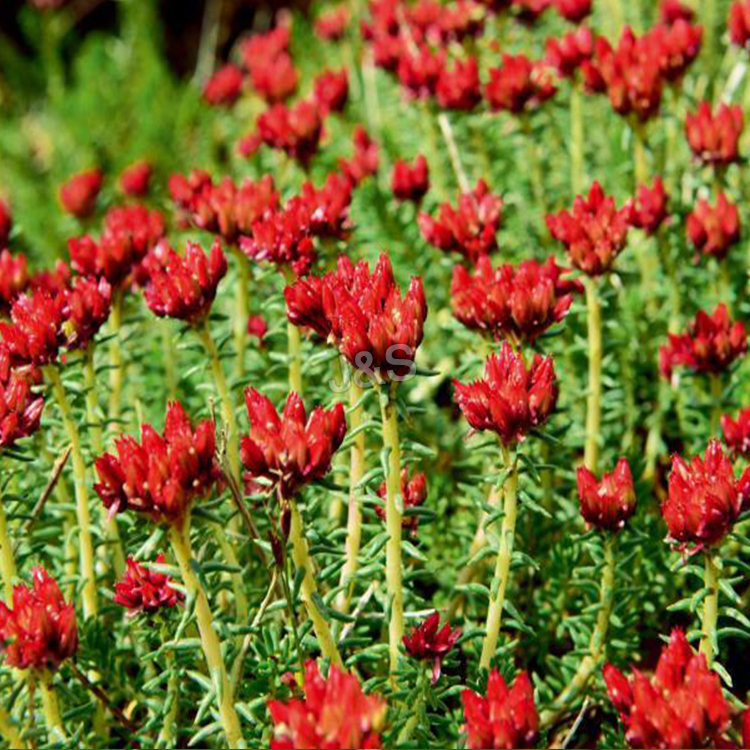
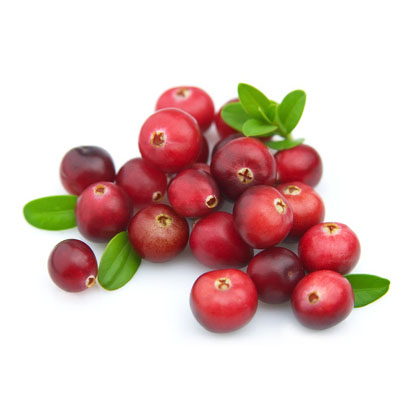
Cranberries are a group of evergreen dwarf shrubs or trailing vines in the subgenus Oxycoccus of the genus Vaccinium. In Britain, cranberry may refer to the native species Vaccinium oxycoccos,while in North America, cranberry may refer to Vaccinium macrocarpon. Vaccinium oxycoccos is cultivated in central and northern Europe, while Vaccinium macrocarpon is cultivated throughout the northern United States, Canada and Chile. In some methods of classification, Oxycoccus is regarded as a genus in its own right.They can be found in acidic bogs throughout the cooler regions of the northern hemisphere.
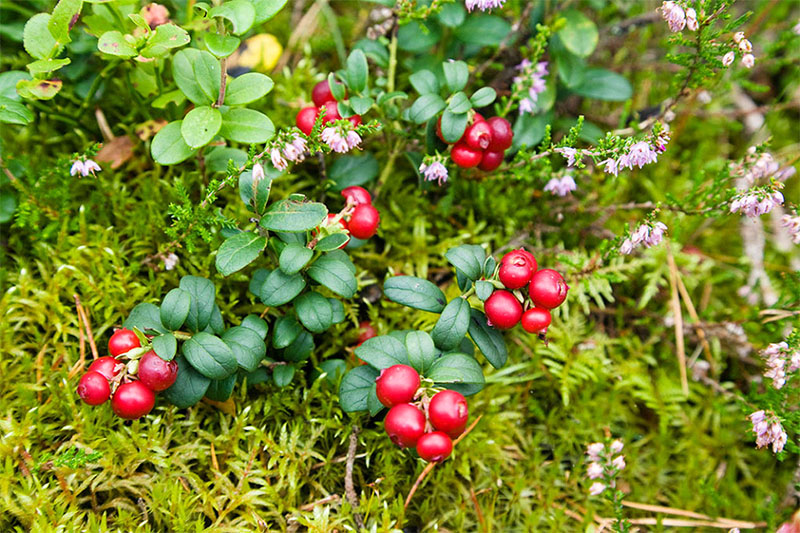
Cranberries are low, creeping shrubs or vines up to 2 metres long and 5 to 20 centimetres in height; they have slender, wiry stems that are not thickly woody and have small evergreen leaves. The flowers are dark pink, with very distinct reflexed petals, leaving the style and stamens fully exposed and pointing forward. They are pollinated by bees. The fruit is a berry that is larger than the leaves of the plant; it is initially light green, turning red when ripe. It is edible, with an acidic taste that can overwhelm its sweetness.
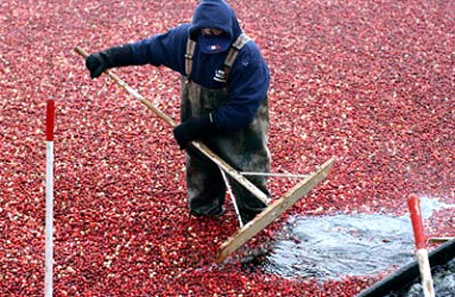
Cranberries are a major commercial crop in certain American states and Canadian provinces. Most cranberries are processed into products such as juice, sauce, jam, and sweetened dried cranberries, with the remainder sold fresh to consumers. Cranberry sauce is a traditional accompaniment to turkey at Christmas dinner in the United Kingdom and Thanksgiving dinners in the United States and Canada.
[Function]
UTI protection, Prevent and treat urinary tract infections
Guard against cardiovascular diseases
Eliminate eye fatigue, curing eye diseases
Anti- aging
Cancer risk reduction
Product detail pictures:
Related Product Guide:
We insist on the principle of development of 'High quality, Efficiency, Sincerity and Down-to-earth working approach' to provide you with excellent service of processing for Good quality 100% Cranberry Extract Factory in Hanover , The product will supply to all over the world, such as: Munich, Sheffield, Japan, With a wide range, good quality, reasonable prices and stylish designs, our products are extensively used in beauty and other industries. Our products are widely recognized and trusted by users and can meet continuously changing economic and social needs.
Farið yfir efni Kastljóss 3.4.2016 og framsetning skoðuð út frá lögum, reglum heiðarleika.
Trà Xanh và Nấm Linh Chi là hai dược liệu quí trong tự nhiên giúp ngăn chặn tế bào ung thư, mà không làm tổn hại đến các tế bào lành.
Đây là một trong các video phóng sự được làm tại Đài Loan, ghi nhận các trường hợp thực tế đã điều trị thành công bệnh Ung thư bằng cách kết hợp các phương pháp hiện có với Cao Khô Linh Chi Đỏ Reishimax & Chiết Xuất Trà Xanh Tegreen’97.
Bạn hãy chia sẻ cho thật nhiều người biết để giúp họ hoặc người thân có thêm phương pháp thiết thực thoát khỏi căn bệnh quái ác này nhé.
Để biết thêm chi tiết về cơ chế tác dụng xin vui lòng liên hệ qua email songtresongkhoe@gmail.com
More and more proofs of EGCG in green tea and Polysacchride in Lingzhi help killing maglinent cells but protect healthy cells.
This is one of video reports from Taiwan, about successful testimonials of different type cancer patients who applied a combine treatment of current oncology plus high concentrate red Ganoderma Lucidum mushroom (Reishimax) and green tea high concentrate (Tegreen’97)
Please share to more friends and beloves to help them get rid of this devil disease
For more details on treatment and dosage please contact through email songtresongkhoe@gmail.com
 By Salome from Mecca - 2017.04.28 15:45
This company conforms to the market requirement and joins in the market competition by its high quality product, this is an enterprise that have Chinese spirit.
By Helen from Nigeria - 2018.06.09 12:42