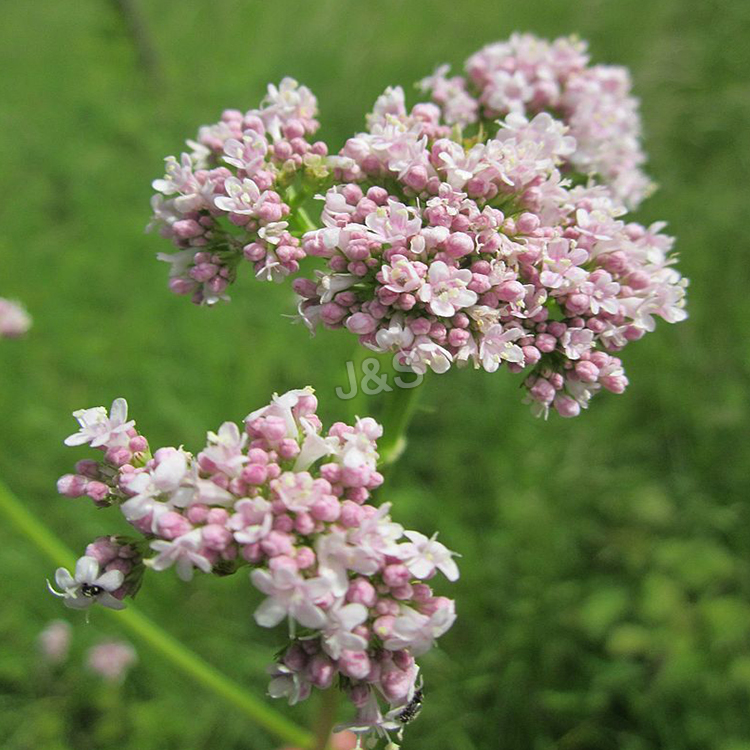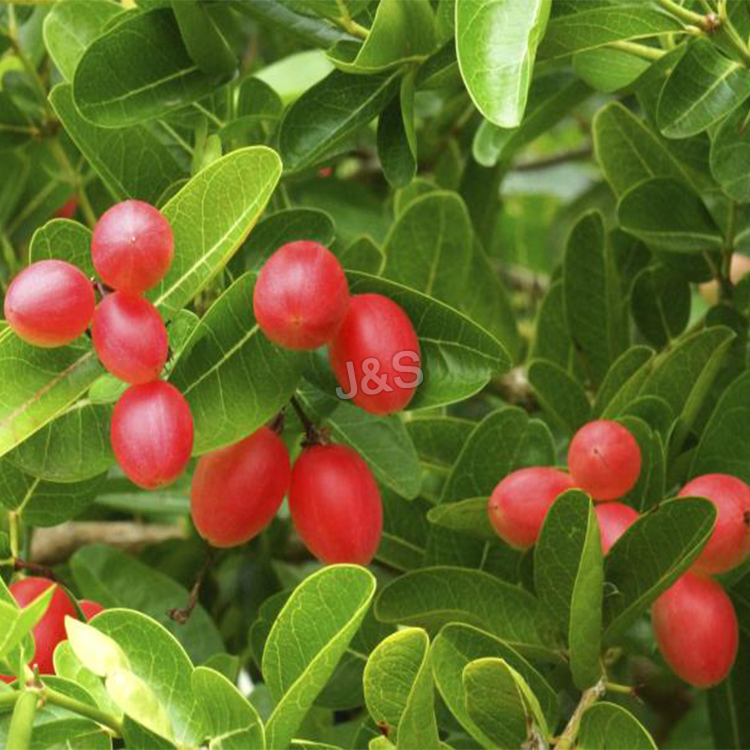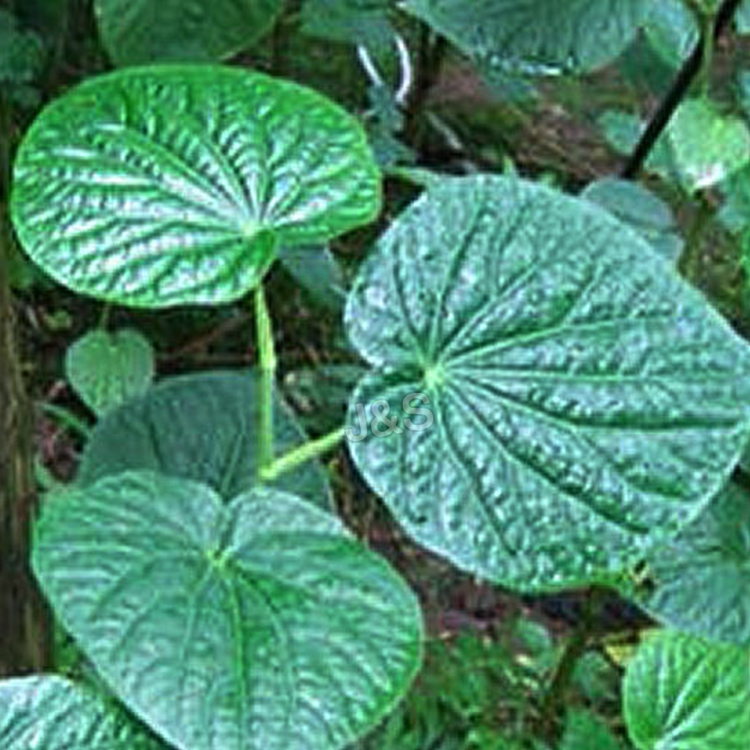
High Definition For Kava Extract Factory from Mumbai
High Definition For Kava Extract Factory from Mumbai Detail:
[Latin Name] Piper methyicium L.
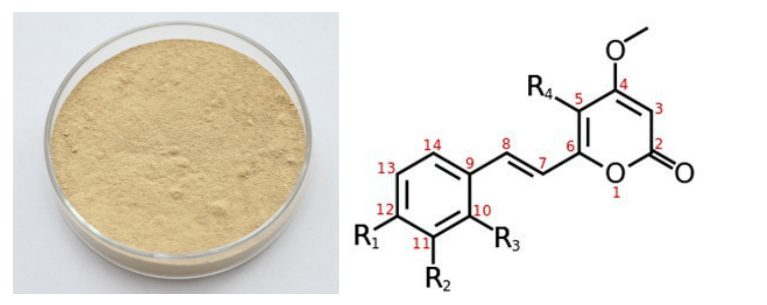
[Specification] Kavalactones ≥30.0%
[Appearance] Yellow powder
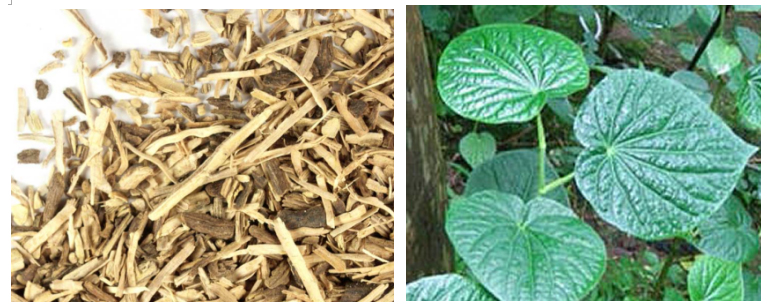
Plant Part Used: Root
[Particle size] 80Mesh
[Loss on drying] ≤5.0%
[Heavy Metal] ≤10PPM
[Storage] Store in cool & dry area, keep away from the direct light and heat.
[Shelf life] 24 Months
[Package] Packed in paper-drums and two plastic-bags inside.
[Net weight] 25kgs/drum
[What is Kava?]
Kava, also known as piper methysticum, kava kava, and ‘awa, is a small shrub native to the islands in the South Pacific. The root and stems are made into a non-alcoholic, psychoactive beverage that has been used socially and ceremonially for hundreds of years in Hawaii, Fiji, and Tonga.
Kava is traditionally prepared by placing ground root and stem into a porous sack, submerging in water, and squeezing the juice into a large, carved, wooden bowl. Coconut half-shell cups are dipped and filled — punch bowl style. After drinking a cup or two a feeling of heightened attention combined with relaxation begins to come on. Although it is soothing, it is unlike alcohol in that thoughts remain clear. The flavor is largely inoffensive, but some find that it takes getting used to; it really depends on your preference for earthy flavors.
[Kava is Safe to Use]
The safe and effective benefits of kava to relieve symptoms of anxiety were also supported in a meta-analysis, a systematic statistical review of seven human clinical trials published in 2000 in the Journal of Clinical Psychopharmacology, and again in a similar critical review in 2001. The reviews did not find significant adverse effects related to liver toxicity.
In conclusion, the liver is affected by many substances, including prescription and non- prescription drugs, as well as alcohol, which is a major cause of liver damage. We must be aware that herbs are potent medicines, to be treated with the appropriate respect regarding potential interactions and toxicity, including to the liver. On the other hand, Kava kava’s margin of safety far surpasses that of it’s pharmaceutical equivalent.
[Function]
Kava’s can help offset a number of problems, most notably stress, anxiety, and disrupted sleep patterns. However, kava’s anxiolytic (anti-panic or anti-anxiety agent) and calming properties can offset many other stress and anxiety related ailments.
1. Kava as a Therapy for Anxiety
2. Kava May Remedy Menopausal Mood Swings
3. Weight Loss
4. Combat Premature Aging
5. Quit Smoking Aid
6. Combat pain as an analgesic
7. Insomnia
8. Depression
Product detail pictures:
Related Product Guide:
It is our responsibility to meet your needs and efficiently serve you. Your satisfaction is our best reward. We are looking forward to your visit for joint growth for High Definition For Kava Extract Factory from Mumbai , The product will supply to all over the world, such as: Puerto Rico, Sheffield, New York, To get more information about us as well as see all our products, please visit our website. To get more information please feel free to let us know. Thank you very much and wish your business always be great!
Kidney stones
Cranberry extracts contain a significant concentration of oxalate and calcium. This amplifies the chances of developing calcium-oxalate stones and uric acid stones in certain people.
Aspirin allergy
Cranberries contain substantial quantities of salicylic acid, which is also present in aspirin.
Warfarin (Coumadin)
Warfarin is an anticoagulant drug that is used as a blood thinner, and it lowers the chances of blood clots occurring in the body.
Helps Fight Cancer
A study published in the journal “Planta Medica” in June 1996 showed that cranberries exhibit anti-cancer properties. In addition.
Promotes Digestive Health
Cranberry juice can help prevent harmful bacteria from adhering to the stomach wall. This anti-adhesion activity of the juice is due to the antioxidant proanthocyanidin.
Boosts Heart Health
A pilot study unveiled at the 2003 American Chemical Society meeting reported consumption of cranberry juice increases high-density lipoprotein – the good cholesterol – which supports heart health. According to the Cranberry Institute,
Prevent Urinary Tract Infections
Cranberries contain proanthocyanidins, a compound commonly found in plants. It’s believed that this compound can help prevent UTIs by stopping bacteria from attaching itself to the lining of the urinary tract
Improve Digestive Health
The same compounds that help protect the heart also improve your digestive system function.
The Takeaway
Cranberry juice can be a healthy part of your diet, and even help protect against certain health issues. But it’s not a substitute for treating a medical condition.
It has anti-aging benefits.
If you could find the fountain of youth, would you line up for it? Why not, right? Fortunately for you, the search is over.
Comments disabled on this video as discussion was resulting in ad hominem attacks rather than a discussion of aspartame.
MORE HEALTH EDUCATION: https://www.youtube.com/playlist?list=PLt6puIp2CPGX8ilSikABEAc0wiS-slL-h
Please like, subscribe, comment and share!
SUBSCRIBE: https://www.youtube.com/user/DrJohnKiel
FACEBOOK: https://www.facebook.com/medicinelifestyle
TWITTER: https://twitter.com/LifestyleMedYou
Hey folks, I wanted to take a minute to talk to you about aspartame. It’s a commonly used artificial sweetener that is controversial in some circles and not well understood by others. I decided to take the time to review the data and the studies and come to a conclusion about the product myself. I’m sharing that review and the data with you.
Marinovich, M., Galli, C., Bosetti, C., Gallus, S., & Vecchia, C. (n.d.). Aspartame, low-calorie sweeteners and disease: Regulatory safety and epidemiological issues. Food and Chemical Toxicology, 109-115.
Magnuson, B., Burdock, G., Doull, J., Kroes, R., Marsh, G., Pariza, M., … Williams, G. (n.d.). Aspartame: A Safety Evaluation Based on Current Use Levels, Regulations, and Toxicological and Epidemiological Studies. Critical Reviews in Toxicology, 629-727.
Butchko, H., & Stargel, W. (n.d.). Aspartame: Scientific Evaluation in the Postmarketing Period. Regulatory Toxicology and Pharmacology, 221-233.
Tordoff, M. (1990). Effect of drinking soda sweetened with aspartame or high-fructose corn syrup on food intake and body weight. American Journal of Clinical Nutrition, 51(6), 963-969.
Lavin, J., French, S., & Read, N. (1997). The effect of sucrose- and aspartame-sweetened drinks on energy intake, hunger and food choice of female, moderately restrained eaters. International Journal of Obesity, 37-42.
Rolls, B., Kim, S., & Fedoroff, I. (n.d.). Effects of drinks sweetened with sucrose or aspartame on hunger, thirst and food intake in men. Physiology & Behavior, 19-26.
Blackburn, G. (1997). The effect of aspartame as part of a multidisciplinary weight-control program on short- and long-term control of body weight. American Journal of Clinical Nutrition, 65(2), 409-418.
Anton, S., Martin, C., Han, H., Coulon, S., Cefalu, W., Geiselman, P., & Williamson, D. (n.d.). Effects of stevia, aspartame, and sucrose on food intake, satiety, and postprandial glucose and insulin levels. Appetite, 37-43.
Eeden, S., Koepsell, T., Longstreth, W., Belle, G., Daling, J., & Mcknight, B. (n.d.). Aspartame ingestion and headaches: A randomized crossover trial. Neurology, 1787-1787.
Sturtevant, F. (1985). Use of aspartame in pregnancy. International Journal of Fertility, 30(1), 85-87.
Stegink, L. (1979). Plasma, erythrocyte and human milk levels of free amino acids in lactating women administered aspartame or lactose. Journal of Nutrition, 109(12).
Wolraich, M., Lindgren, S., Stumbo, P., Stegink, L., Appelbaum, M., & Kiritsy, M. (n.d.). Effects of Diets High in Sucrose or Aspartame on The Behavior and Cognitive Performance of Children. New England Journal of Medicine, 301-307.
Schaywitz, B. (1994). Aspartame, Behavior, and Cognitive Function in Children With Attention Deficit Disorder. Pediatrics, 93(1), 70-75.
Calories are the way we quantify the energy in a unit of food. 1000 calories = 1 kilocalorie, however most American food products equate 1 kilocalorie with 1 “Calorie” in the label. You should know how to count calories, how metabolism of carbs, fats and protein works, including synthesis and breakdown, calories in food and drink, how to define or describe a calorie, what a low calorie diet is, how many you need in a day, and what a negative calorie diet is.
Carbohydrate metabolism is complicated but you should understand how it works. Carbs can be referred to as starches, sugar, glucose, monosaccharide, polysaccharide, fructose, galactose, lactose, maltose, and sucrose. The purpose is to produce cellular energy, adenosine triphosphate, ATP and includes electron transports chain. This is known as aerobic respiratory and includes the citrus acid cycle, TCA, electron transport chain. There are many sources of carbs, they can be simple or complex. You should understand carb cycling, deficit, metabolism, anabolism, catabolism, breakdown, macromolecules, macronutrients, synthesis, counting carbs, daily requirements, diabetes mellitus, digestion, glycogen, gluconeogenesis, and glycolysis as it’s all very important and complex.
 By Honorio from Hungary - 2017.12.09 14:01
Products and services are very good, our leader is very satisfied with this procurement, it is better than we expected,
By Henry stokeld from Canberra - 2017.03.07 13:42