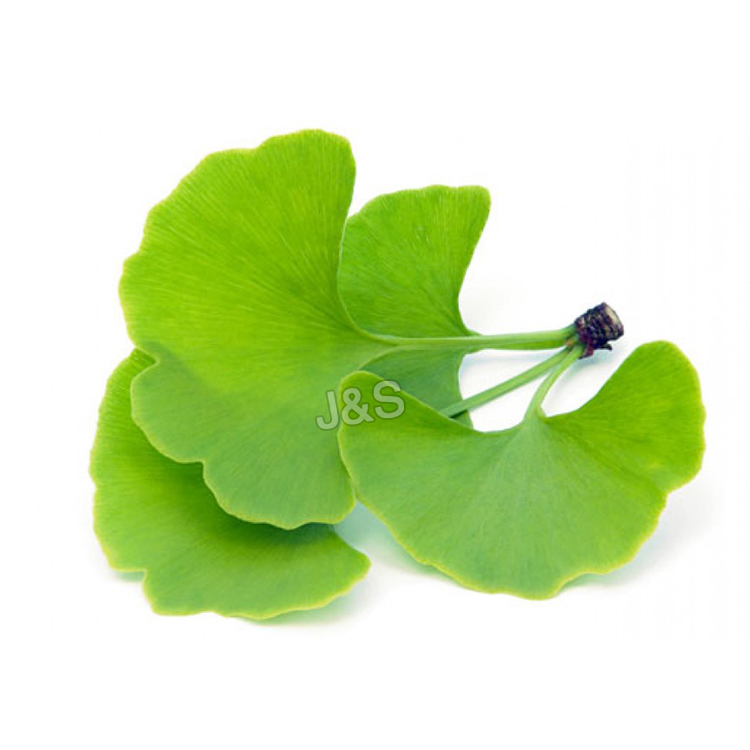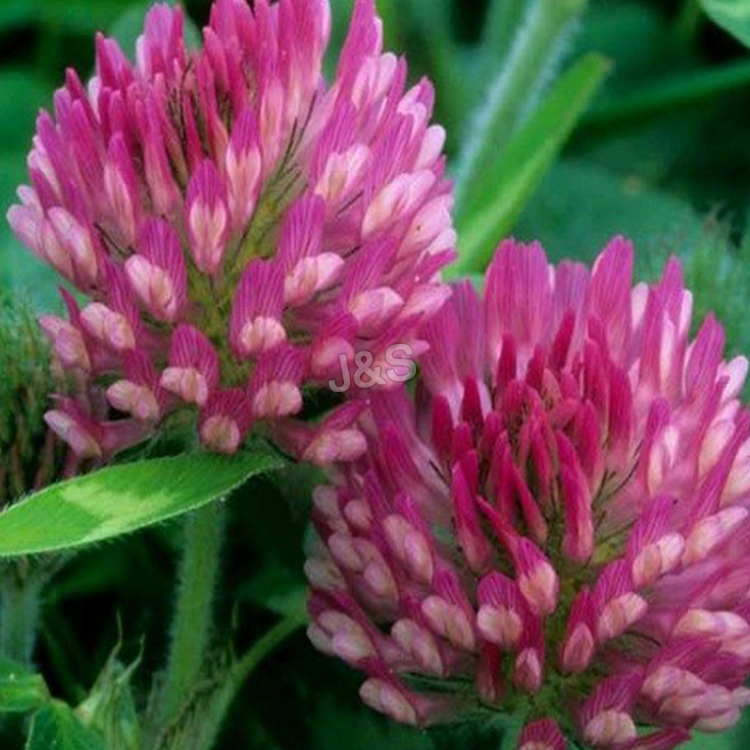
Hot Sale for Red clover extract Manufacturer in Mauritania
Hot Sale for Red clover extract Manufacturer in Mauritania Detail:
[Latin Name] Trifolium pratensis L.
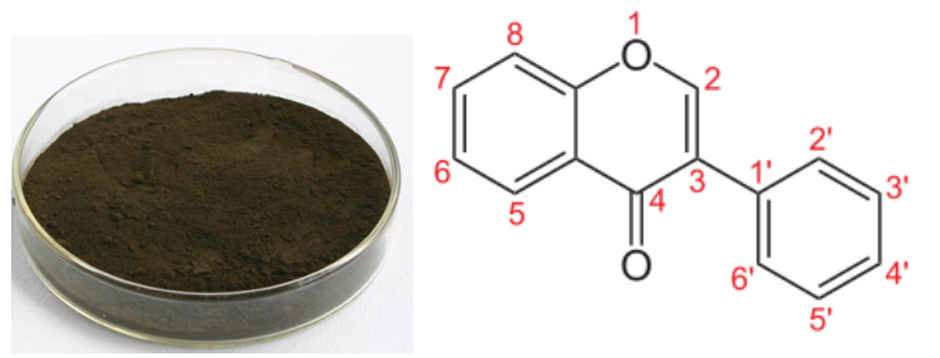
[Specification] Total isoflavones 20%; 40%; 60% HPLC
[Appearance] Brown to tan fine powder
Plant Part Used: Whole herb
[Particle size] 80Mesh
[Loss on drying] ≤5.0%
[Heavy Metal] ≤10PPM
[Storage] Store in cool & dry area, keep away from the direct light and heat.
[Shelf life] 24 Months
[Package] Packed in paper-drums and two plastic-bags inside.
[Net weight] 25kgs/drum
[What is Red Clober]
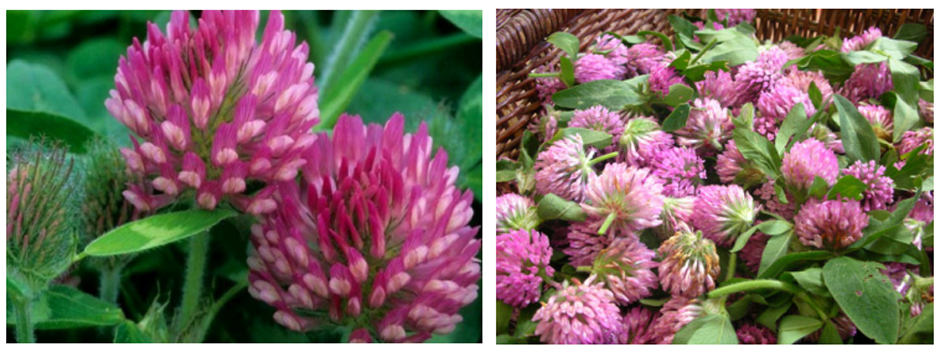
Red clover is a member of the legume family – the same class of plants where we find chickpeas and soybeans. Red clover extracts are used as dietary supplements for their high content of isoflavone compounds – which possess weak estrogenic activity and have been associated with a variety of health benefits during menopause (reduction of hot flashes, promotion of heart health and maintenance of bone density).
[Function]
1. Red Clover Extract can Improving health, anti-spasm, known for healing properties.
2. Red Clover Extract can Treating the skin diseases (such as eczema, burns, ulcers, psoriasis),
3. Red Clover Extract can Treating respiratory discomfort (such as asthma, bronchitis, intermittent cough)
4. Red Clover Extract can Owning anti-cancer activity and prevention of prostate disease.
5. Red Clover Extract can Most valuable of its estrogen-like effect and alleviate breast pain suffering.
6. Red Clover Extract can Contained red clover isoflavones plays in a weak estrogen, estrogen reduces the number and thusalleviate the suffering.
7. Red Clover Extract can Maintaining bone mineral density in postmenopausal women
8. Red Clover Extract can Raising high density lipoprotein cholesterol.
Product detail pictures:
Related Product Guide:
"Based on domestic market and expand overseas business" is our development strategy for Hot Sale for Red clover extract Manufacturer in Mauritania , The product will supply to all over the world, such as: Hungary, Amsterdam, Swansea, During in 11 years,We have participated in more than 20 exhibitions,obtains the highest praise from each customer. Our company always aim to provide the customer best products with lowest price. We are making great efforts to achieve this win-win situation and sincerely welcome you to join us. Join us, show your beauty. We will always be your first choice. Trust us, you will never lose heart.
★ Like us on FACEBOOK: https://goo.gl/QmGQVT
Toenail fungus, or onychomycosis, is a problem many people have. Some signs of it are inflammation, swelling, yellowing, and thickening or crumbling of the nail.
Certain things help the fungus grow, like high acid levels in the skin, a weak immune system, feet that are always in wet areas like sweaty shoes or socks, bad washing habits, and diabetes.
If not treated, toenail fungus can cause cracking, splitting, and even total loss of the toenail. But don’t worry, toenail fungus can be treated without even spending a lot of money.
There are different home cures that can get rid of the infection in one or two months.
Here are some ways to get rid of toenail fungus.
Apple Cider Vinegar
Because apple cider vinegar has acid, it can help block toenail fungus from spreading. At the same time, it kills bacteria and fungi.
Mix the same amounts of apple cider vinegar and water. Soak your toenail in the mixture for 30 minutes a day. When you’re done, dry your toenail very well. If you do this every day for a few weeks, it will help very quickly.
Tea Tree Oil
Tea tree oil fights germs and fungi, which helps treat toenail fungus. It is also used to treat other kinds of skin infections.
Mix a few drops of tea tree oil in one teaspoon of olive oil or coconut oil.
Use a cotton ball to put the mixture on your toe.
Leave it on for ten minutes, and then use a toothbrush to lightly scrub the nail.
Do this two or three times a day until the nail is healed.
Baking Soda
Baking soda can be found in most kitchens, and can also treat toenail fungus. It can help block feet from smelling too.
Add a ½ cup of baking soda, a ¼ cup of 3% hydrogen peroxide, and a ½ cup of Epsom salt to four cups of hot water. Mix the ingredients very well and then add a ¼ cup of white vinegar to it.
Soak the toenail in this mixture for about ten minutes.
Wash your foot with clean water and dry it very well.
Do this twice a day for a few weeks.
White Vinegar
White vinegar is a great way to cure toenail fungus because it fights the infection and helps fix the skin’s acid level.
Mix one part of white vinegar with two parts of warm water.
Soak the toenail in the mixture for 10- 15 minutes.
Rinse your foot off and dry it well.
Do this two times a day until the fungus is gone.
Note: If this hurts your skin, add more water to the mixture, and soak your foot in it every other day, instead of every day.
Oil of Oregano
Oil of oregano kills germs, bacteria, parasites, viruses, and fungi, and eases pain. For these reasons it’s a great thing to use to treat toenail fungus.
Mix two drops of oil of oregano in one teaspoon of olive oil.
Put this mixture on your hurt toe.
Leave it on for at least 30 minutes.
Wash it off and dry your toe very well.
Do this one to two times a day for three weeks for it to work.
Listerine Mouthwash
Because mouthwash has alcohol, it can kill germs, to guard from bad bacteria and fungi. It’s used in the mouth to kill the bacteria and germs there, and it can also be used to clear up toenail fungus.
Fill a small tub with Listerine mouthwash, or with a mixture with even amounts of Listerine and white vinegar.
Soak the toe in the mixture for about 30 minutes. Then, scrub the toenail lightly.
Wash it off, and dry your toe very well.
Do this one or two times a day, until it heals.
Garlic
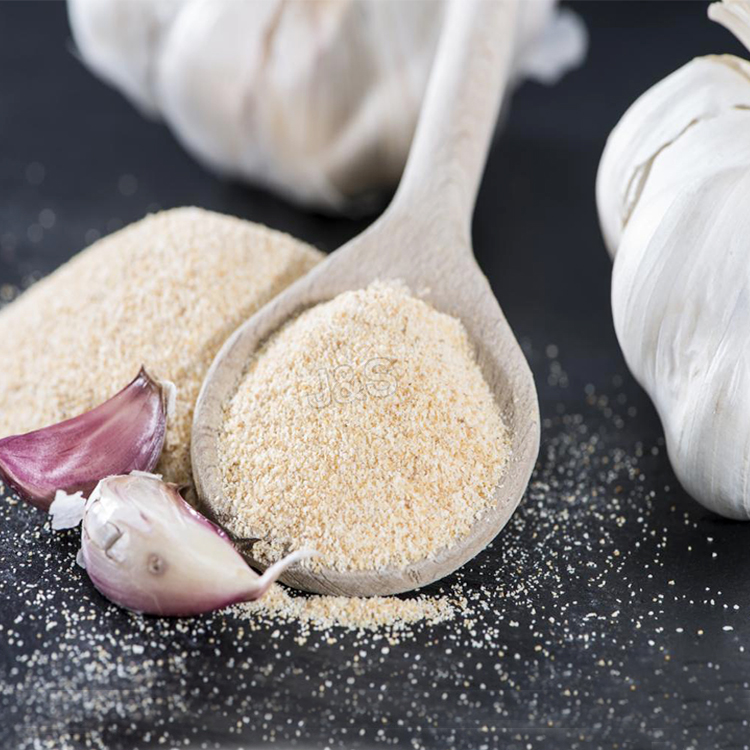
Garlic has allicin and ajoene which can kill fungi and treat toenail fungus.
Mix garlic oil with an even amount of white vinegar.
Put the mixture on and around your toenail and cover it with a bandage.
Leave it on for a few hours, and then take the bandage off.
Do this every day until it heals.
Note: If you don’t have garlic oil, you can make your own. Fry two crushed garlic cloves in two tablespoons of olive oil, and then strain the oil.
These cures can only really work if you use them the right way. Try the cures for at least one or two months for them to work. If you keep trying them, you can cure your toenail infection and stop it from happening again:
★ Please Subscribe To Our Channel And Also Share It With Your
Friends Thank You:
Lloyd Wright, author of the just released Hepatitis C: A Do-It Yourself Guide for Health, talking about Blueberry Extract, an effective agent for preventing or slowing down the replication of the Hepatitis C Virus. Hepatitis C virus (HCV) infection is a major cause of chronic liver disease such as chronic hepatitis, cirrhosis, and hepatocellular carcinoma. While searching for new natural anti-HCV agents in agricultural products, we found a potent inhibitor of HCV RNA expression in extracts of blueberry leaves when examined in an HCV subgenomic replicon cell culture system.
This activity was observed in a methanol extract fraction of blueberry leaves and was purified by repeated fractionations in reversed-phase high-performance liquid chromatography. The final purified fraction showed a 63-fold increase in specific activity compared with the initial methanol extracts and was composed only of carbon, hydrogen, and oxygen. Liquid chromatography/mass-ion trap-time of flight analysis and butanol-HCl hydrolysis analysis of the purified fraction revealed that the blueberry leaf-derived inhibitor was proanthocyanidin.
Furthermore, structural analysis using acid thiolysis indicated that the mean degree of polymerization of the purified proanthocyanidin was 7.7, consisting predominantly of epicatechin. Proanthocyanidin with a polymerization degree of 8 to 9 showed the greatest potency at inhibiting the expression of subgenomic HCV RNA. Purified proanthocyanidin showed dose-dependent inhibition of expression of the neomycin-resistant gene and the NS-3 protein gene in the HCV subgenome in replicon cells.
While characterizing the mechanism by which proanthocyanidin inhibited HCV subgenome expression, we found that heterogeneous nuclear ribonucleoprotein A2/B1 showed affinity to blueberry leaf-derived proanthocyanidin and was indispensable for HCV subgenome expression in replicon cells. These data suggest that proanthocyanidin isolated from blueberry leaves may have potential usefulness as an anti-HCV compound by inhibiting viral replication.
Wright knows about the rigors of life with Hepatitis C, and he knows all about wandering in the dark when doctors have no answers. Wright describes the new book, which follows his international best seller Triumph Over Hepatitis C, as “having all the primary information that everyone infected with Hepatitis C must know about. The 200-million people worldwide, about 5 million of them American, can benefit tremendously from Lloyds personal experience with over 200.000 clients who have hep c, most of them having used interferon and had it fail.
Lloyd Wright’s Hepatitis C book builds on the years of work already undertaken and brings valuable new information about ways to combat the destructive virus, Hepatitis C. Hepatitis C: A Do-It Yourself Guide for Health begins by chronicling Wright’s own personal horror story after a 1979 accident brought Hepatitis into his life through a hospital blood transfusion. Following 15 years of pain, suffering and uncertainty he was accidently diagnosed and basically told to get his affairs in order. He refused to accept the fate prescribed to him by doctors and battled against the odds, and he prevailed. To those facing Hep C, Lloyd Wright offers these words of wisdom: “You can, and must, take responsibility for your health. If you are suffering from hepatitis C, you can reclaim your health, get out of bed, get off the couch, forget about disability, and go back to work.”
A Time of Enlightenment (see Table of Contents below), Wright gives the exact supplement regimen followed in what he calls “my own recovery from Hepatitis C.” The supplements, vitamins and herbs taken were “a treatment strategy” that he lays out in Hepatitis C: A Do-It Yourself Guide for Health. A few of the items used were NatCell Thymus, Non-Pasteurized Aloe and Blueberry leaf extract.
One of the new items, Naringenin currently offered by Wright is described in the book as a “powerful flavonoid” found in grapefruit that “shows promise in helping to combat hepatitis C. Naringenin is currently being used for a Phase 1 trial at UCLA. The hepatitis C virus is bound to a very low intensity lipo-protein (one of the so-called “bad” cholesterols), when it is secreted from liver cells, according to a February 4, 2007, article published in Science Daily. Researchers at the Massachusetts General Hospital Center for Engineering in Medicine reported that the viral secretion required to pass infection to other cells can be blocked by the common flavonoid Naringenin.”
Lloyd Wright in Chapter Two, Hepatitis and Interferon, describes the nature of Hepatitis and the various forms in which it exists, meaning Hepatitis A, B and C, before offering this warning at the end of the section: “If you have Hepatitis C, your medical doctor will prescribe interferon. Before you proceed, read this book.”
For more about Lloyd Wright go to https://alternativemedicinesolution.com
It is a very good, very rare business partners, looking forward to the next more perfect cooperation!