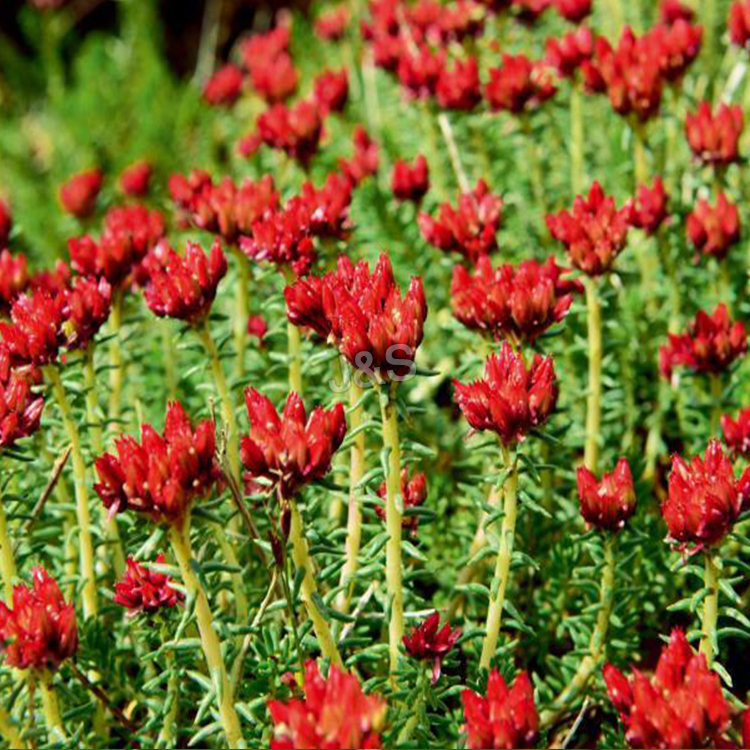
Hot-selling attractive Astaxanthin Manufacturer in Salt Lake City
Hot-selling attractive Astaxanthin Manufacturer in Salt Lake City Detail:
[Latin Name] Haematococcus Pluvialis
[Plant Source] from China
[Specifications]1% 2% 3% 5%
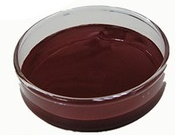
[Appearance] Dark red Powder
[Particle size] 80 Mesh
[Loss on drying] ≤5.0%
[Heavy Metal] ≤10PPM
[Storage] Store in cool & dry area, keep away from the direct light and heat.
[Shelf life] 24 Months
[Package] Packed in paper-drums and two plastic-bags inside.
[Net weight] 25kgs/drum
Brief Introduction
Astaxanthin is a natural nutritional component, it can be found as a food supplement. The supplement is intended for human, animal, and aquaculture consumption.
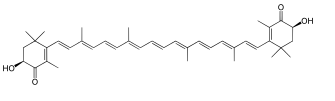
Astaxanthin is a carotenoid. It belongs to a larger class of phytochemicals known as terpenes, which are built from five carbon precursors; isopentenyl diphosphate and dimethylallyl diphosphate . Astaxanthin is classified as a xanthophyll (originally derived from a word meaning “yellow leaves” since yellow plant leaf pigments were the first recognized of the xanthophyll family of carotenoids), but currently employed to describe carotenoid compounds that have oxygen-containing moities, hydroxyl or ketone , such as zeaxanthin and canthaxanthin. Indeed, astaxanthin is a metabolite of zeaxanthin and/or canthaxanthin, containing both hydroxyl and ketone functional groups. Like many carotenoids, astaxanthin is a colorful, lipid-soluble pigment. This colour is due to the extended chain of conjugated (alternating double and single) double bonds at the centre of the compound. This chain of conjugated double bonds is also responsible for the antioxidant function of astaxanthin (as well as other carotenoids) as it results in a region of decentralized electrons that can be donated to reduce a reactive oxidizing molecule.
Function:
1.Astaxanthin is a powerful antioxidant and may protect against oxidative damage to body tissues.
2.Astaxanthin can improve the immune response by increasing the number of antibody producing cells.
3.Astaxanthin is a potential candidate to treat neurodegenerative disease such as Alzhimer and Parkinson diease.
4.Astaxanthin dan reduce UVA-light damage to skin such as sunburn, inflammation, ageing and skin cancer.
Application
1.When applied in pharmaceutical field, astaxanthin powder has the good function of antineoplastic;
2.When applied in health food field, astaxanthin powder is used as food additives for pigment and health care;
3.When applied in cosmetic field, astaxanthin powder has the good function of antioxidant and anti-aging;
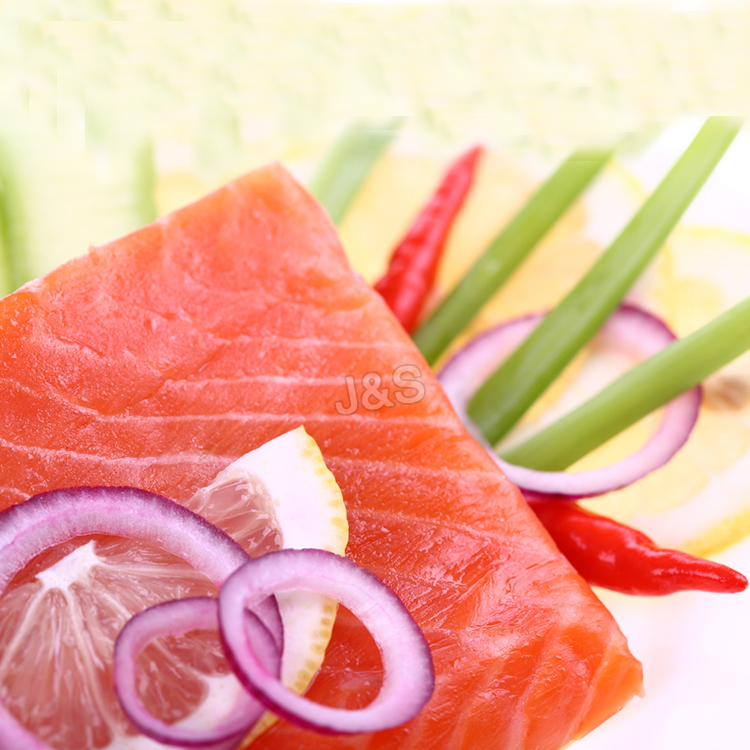
4.When applied in animal feeds field, astaxanthin powder is used as animal feed additive to impart coloration, including farm-raised salmon and egg yolks.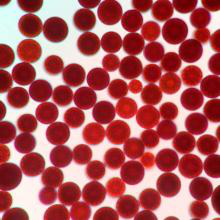
Product detail pictures:
Related Product Guide:
Our business puts emphasis over the administration, the introduction of talented staff, plus the construction of employees building, striving hard to boost the standard and liability consciousness of staff members. Our corporation successfully attained IS9001 Certification and European CE Certification of Hot-selling attractive Astaxanthin Manufacturer in Salt Lake City , The product will supply to all over the world, such as: UAE, French, Oman, We've got won a good reputation among overseas and domestic clients. Adhering to the management tenet of "credit oriented, customer first, high efficiency and mature services", we warmly welcome friends from all walks of life to cooperate with us.
https://authoritynutrition.com/
Luckily there are quite a few sweeteners found in nature that are actually quite good for health. This video looks at 4 at the healthiest.
1. Stevia
Stevia is a very popular low-calorie sweetener. It’s extracted from the leaves of the South American Stevia plant.
There are several sweet compounds found in Stevia leaves, the main ones are Stevioside and Rebaudioside A.
Both are many hundred times sweeter than sugar, gram for gram, but have virtually no calories.
Some studies in humans have shown Stevia to have health benefits.
When blood pressure is high, Stevia can lower it by 6-14%.
However, it has no effect on blood pressure that is normal or only mildly elevated.
Stevia has been shown to lower blood sugar levels in diabetics, at least short term.
2. Erythritol
Erythritol is a sugar alcohol that is found naturally in certain fruits, and also used as a low-calorie sweetener. Sugar alcohols are like hybrids of a carbohydrate and an alcohol molecule- it doesn’t contain any ethanol though so doesn’t make you drunk.
Erythritol contains 0.24 calories per gram, or about 6% of the calories as sugar, with 70% of the sweetness.
It doesn’t spike blood sugar or insulin levels and has no effect on biomarkers like cholesterol or triglycerides.
Erythritol tastes very much like sugar, although it can have a mild aftertaste. And while studies show that it’s safe, it can cause digestive issues if you consume too much at a time.
3. Xylitol
Xylitol is also a sugar alcohol with a sweetness similar to sugar.
It contains 2.4 calories per gram, or about 2/3rds of the caloric value of sugar.
Studies have shown it has some benefits for dental health, and may also improve bone density, helping to prevent osteoporosis. It doesn’t raise blood sugar or insulin levels.
But as with other sugar alcohols, it can cause digestive side effects at high doses. Oh, and it’s highly toxic to dogs, so you might want Xylitol out of the house if you have a dog.
4. Yacon Syrup
Yacon syrup is harvested from the Yacon plant, which grows natively in the Andes in South America.
This sweetener has recently become popular as a weight loss supplement, because one study found it caused significant weight loss in overweight women. While it’s promising, one study on its own doesn’t count for much.
But what makes yacon syrup stand out is the high fructooligosaccharide content, which function as soluble fibers that feed the good bacteria in the intestine.
It can help against constipation and has various benefits due to the high amount of soluble fiber. Don’t eat too much at a time though, as it may cause digestive problems.
There are several popular sweeteners that health conscious people often eat instead of sugar. This includes coconut sugar, molasses, honey and maple syrup.
In reality they really aren’t much different from regular sugar. If you are heavily overweight or insulin resistant, large amounts of any of these is not good for you.
That’s not to say they are harmful for everyone though. In the context of a healthy, real food based diet, small amounts of these natural sugars won’t cause harm.
Further reading: https://authoritynutrition.com/4-healthy-natural-sweeteners/
Follow Authority Nutrition:
Facebook: https://www.facebook.com/AuthorityNutrition/
Twitter: https://twitter.com/AuthNutrition
Google Plus: https://plus.google.com/+Authoritynutrition
Pinterest: https://www.pinterest.com/authynutrition/
—- Don’t forget to subscribe on YouTube here: https://www.youtube.com/user/AuthorityNutrition?sub_confirmation=1
Studies mentioned in video:
Study 1: https://www.ncbi.nlm.nih.gov/pubmed/14693305
Study 2: https://www.ncbi.nlm.nih.gov/pubmed/14681845
Study 3: https://www.ncbi.nlm.nih.gov/pubmed/19254816
How to Get Rid of Bloating. Abdominal bloating is a condition in which the stomach feels full and tight due to buildup of gas in the mall intestine. Often , bloating is accompanied by cramps, belching, pain, diarrhea, shortness of breath and lower back pain. There are many reasons for bloating. The main reason is the buildup of intestinal gas. Other causes include constipation, peptic ulcers, anorexia, anxiety, smoking, water retention, trapped air, overeating, indigestion, premenstrual syndrome , menopause, and irritable bowel syndrome. A good way to relieve bloating is to encourage passing gas and a bowel movement. But if you are not able to get rid of bloating, then try some simple home remedies.
Subscribe my channel:
https://www.youtube.com/channel/UCjPGXgOH-anpsvLMiw8NYdA
Follow us:
https://plus.google.com/u/0/b/118041852373056007310/118041852373056007310
https://web.facebook.com/Health-Tips-Page-1724798314435434/
https://twitter.com/?lang=en
Other videos:
1. Fennel Seeds.
2. Peppermint.
3. Ginger.
4. Caraway Seeds.
5. Chamomile Tea.
6. Pumpkin.
Like and share this video. Don’t forget to Subscribe my channel for health updates.
 By Joyce from Lithuania - 2018.07.26 16:51
This is a very professional wholesaler, we always come to their company for procurement, good quality and cheap.
By Hazel from Muscat - 2018.06.30 17:29