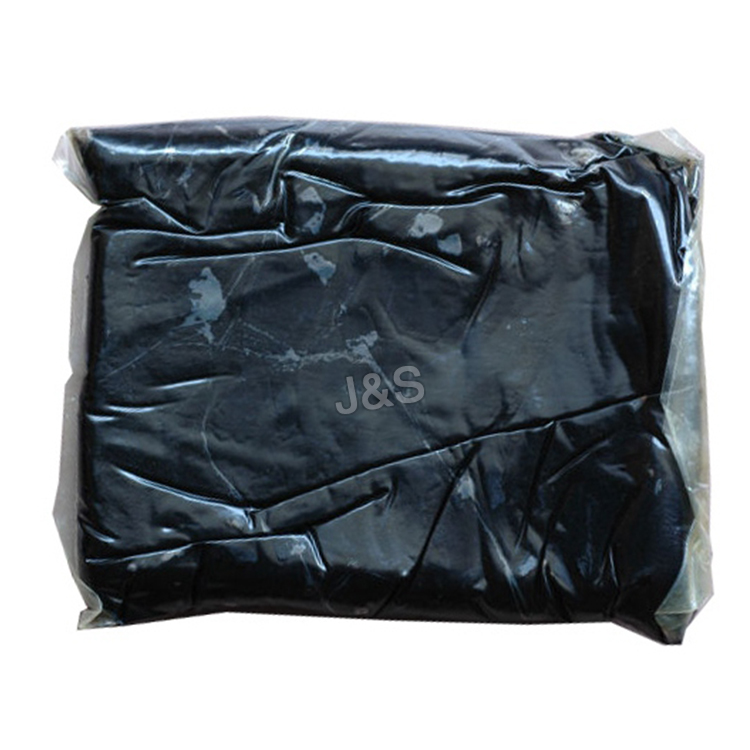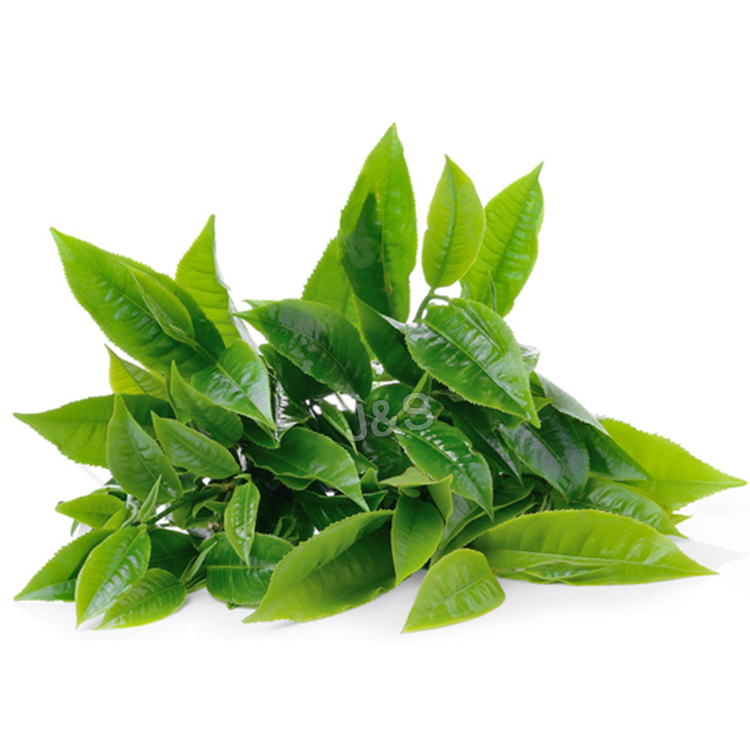
Hot-selling attractive price Green tea extract Wholesale to Botswana
Hot-selling attractive price Green tea extract Wholesale to Botswana Detail:
[Latin Name] Camellia sinensis
[Plant Source] China
[Specifications]
Total tea polyphenols 40%-98%
Total catechins 20%-90%
EGCG 8%-60%
[Appearance] Yellow brown powder
[Plant Part Used] Green tea leaf
[Particle size] 80 Mesh
[Loss on drying] ≤5.0%
[Heavy Metal] ≤10PPM
[Storage] Store in cool & dry area, keep away from the direct light and heat.
[Package] Packed in paper-drums and two plastic-bags inside.
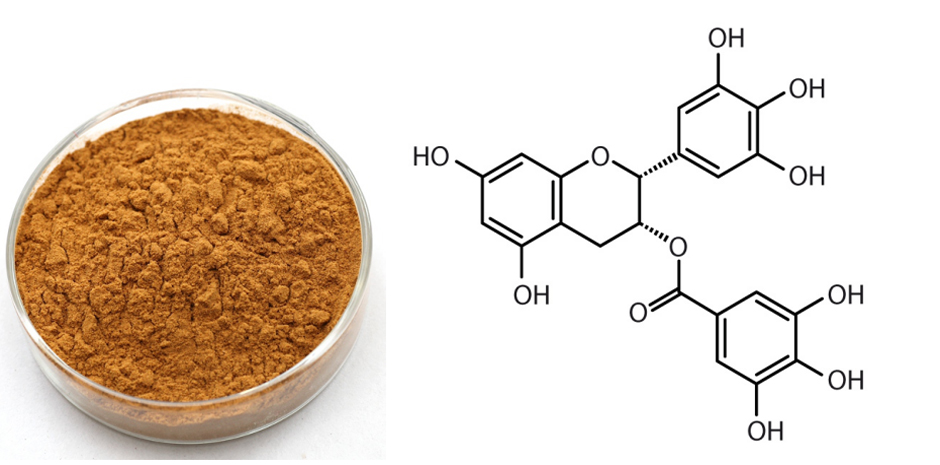
[What is green tea extract]
Green tea is the second largest beverage demanded by consumers worldwide. Used in China and India for its medicinal effects. There are several compounds extracted from green tea including catechins which contain an enormous amount of hydroxyphenols that are easily oxidized, congregated and contracted, which explains its good anti-oxidation effect. Its anti-oxidation effect is 25-100 times as strong as those of vitamin C and E.
It is widely used in medicines, agriculture, and chemical and food industries. This extract prevents cardio-vascular disease, lowers the risk of cancer, and decreases blood sugar and blood pressure, as well as viruses. In the food industry, the anti-oxidation agent used for preserving food and cooking oils.
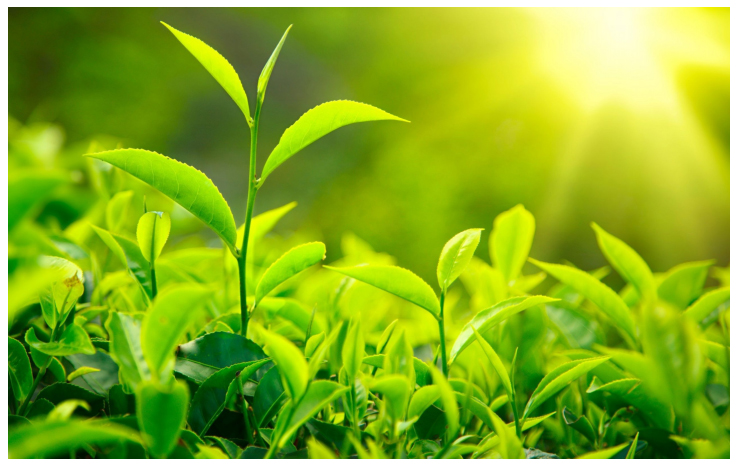
[Function]
1. Green tea extract can reduce blood pressure, blood sugar, blood lipids.
2. Green tea extract has the function of removing radicals and anti-aging.
3. Green tea extract can enhance the immune function and prevention of colds.
4. Green tea extract will anti-radiation,anti-cancer, inhibiting the increasing of cancer cell.
5. Green tea extract used to anti-bacterium, with the function of sterilization and deodorization.
[Application]
1.Applied in cosmetics field, Green tea extract owns the effect of anti-wrinkle and anti-Aging.
2.Applied in food field, Green tea extract is used as natural antioxidant, antistaling agent, and anti-fading agents.
3.Applied in pharmaceutical field, Green tea extract is used to prevent and cure cardiovascular disease, diabetes.
Product detail pictures:
Related Product Guide:
We have advanced equipment. Our products are exported to the USA, the UK and so on, enjoying a good reputation among customers for Hot-selling attractive price Green tea extract Wholesale to Botswana , The product will supply to all over the world, such as: Adelaide, Somalia, Orlando, With the first-class products, excellent service, fast delivery and the best price, we have won highly praise foreign customers'. Our products have been exported to Africa, the Middle East, Southeast Asia and other regions.
What is GLYCOGEN? What does GLYCOGEN mean? GLYCOGEN meaning, definition & explanation.
Source: Wikipedia.org article, adapted under https://creativecommons.org/licenses/by-sa/3.0/ license.
Glycogen is a multibranched polysaccharide of glucose that serves as a form of energy storage in animals and fungi. The polysaccharide structure represents the main storage form of glucose in the body.
In humans, glycogen is made and stored primarily in the cells of the liver and the muscles hydrated with three or four parts of water. Glycogen functions as the secondary long-term energy storage, with the primary energy stores being fats held in adipose tissue. Muscle glycogen is converted into glucose by muscle cells, and liver glycogen converts to glucose for use throughout the body including the central nervous system.
Glycogen is the analogue of starch, a glucose polymer that functions as energy storage in plants. It has a structure similar to amylopectin (a component of starch), but is more extensively branched and compact than starch. Both are white powders in their dry state. Glycogen is found in the form of granules in the cytosol/cytoplasm in many cell types, and plays an important role in the glucose cycle. Glycogen forms an energy reserve that can be quickly mobilized to meet a sudden need for glucose, but one that is less compact than the energy reserves of triglycerides (lipids).
In the liver, glycogen can comprise from 5 to 6% of its fresh weight (100–120 g in an adult). Only the glycogen stored in the liver can be made accessible to other organs. In the muscles, glycogen is found in a low concentration (1-2% of the muscle mass). The amount of glycogen stored in the body—especially within the muscles, liver, and red blood cells—mostly depends on physical training, basal metabolic rate, and eating habits. Small amounts of glycogen are found in the kidneys, and even smaller amounts in certain glial cells in the brain and white blood cells. The uterus also stores glycogen during pregnancy to nourish the embryo.
Watch this educational webinar hosted by Zevia. During the webinar, you’ll learn more about why Zevia Zero Calorie Soda is a great choice for you and your family. Plus, you’ll learn more about the brand and hear questions answered by representatives from Zevia!
 By Jocelyn from Netherlands - 2018.11.02 11:11
The enterprise has a strong capital and competitive power, product is sufficient, reliable, so we have no worries on cooperating with them.
By Natalie from Latvia - 2017.10.25 15:53