Leading Manufacturer for White Willow Bark Extract Wholesale to Brunei
Leading Manufacturer for White Willow Bark Extract Wholesale to Brunei Detail:
[Latin Name] Salix alba L.
[Plant Source] from China
[Specifications] Salicin 15-98%
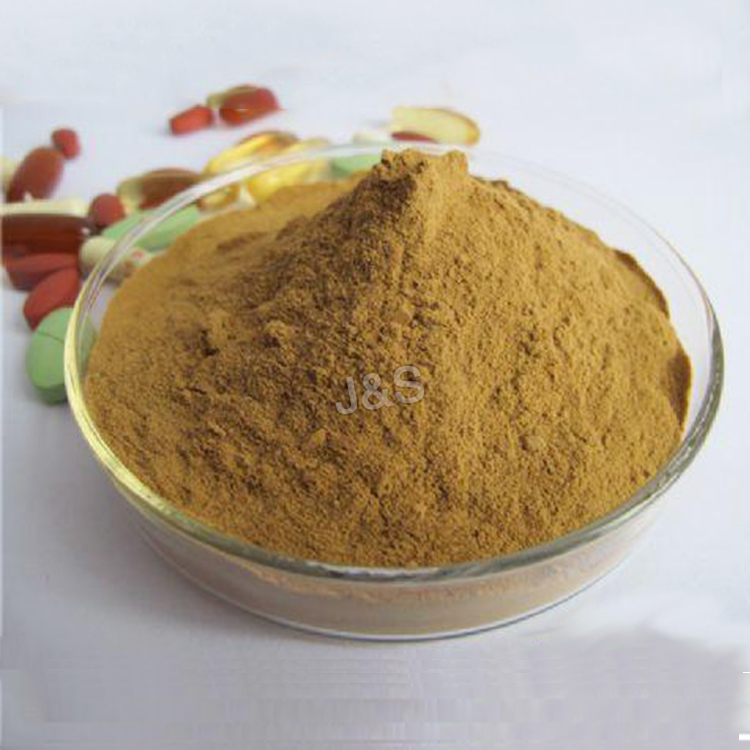
[Appearance] Yellow Brown to White powder
Plant Part Used: Bark
[Particle size] 80 Mesh
[Loss on drying] ≤5.0%
[Heavy Metal] ≤10PPM
[Storage] Store in cool & dry area, keep away from the direct light and heat.
[Shelf life] 24 Months
[Package] Packed in paper-drums and two plastic-bags inside.
[Net weight] 25kgs/drum
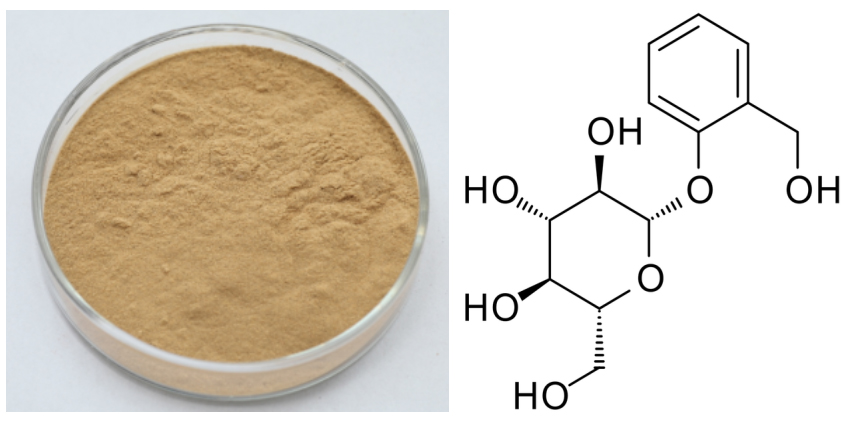
Brief Introduction
Salicin is a naturally occurring compound found in the bark of several species of trees, primarily North American in origin, that are from the willow, poplar, and aspen families. White willow, from whose Latin name, Salix alba, the term salicin is derived, is the most well known source of this compound, but it is found in a number of other trees, shrubs, and herbaceous plants as well being synthesized commercially. It is a member of the glucoside family of chemicals and is used as an analgesic and antipyretic. Salicin is used as a precursor for the synthesis of salicylic acid and acetylsalicylic acid, commonly known as aspirin.
A colorless, crystalline solid in its pure form, salicin has the chemical formula C13H18O7. Part of its chemical structure is equivalent to the sugar glucose, meaning it is classified as a glucoside. It is soluble, but not strongly so, in water and alcolhol. Salicin has a bitter taste and is a natural analgesic and antipyretic, or fever reducer. In large quantities, it can be toxic, and overdoses may lead to liver and kidney damage. In its raw form, it may be mildly irritating to skin, respiratory organs, and eyes.
Function
1. Salicin is used to ease pain and reduce inflammation.
2. Relieve acute and chronic pain, including headache, back and neck pain, muscle aches, and menstrual cramps; Control arthritis discomforts.
3. Relieve acute and chronic pain.
4. It has the same effect on the body as aspirin without any of the side effects.
5. It is an anti-inflammatory, a fever reducer, an analgesic, an anti-rheumatic, and an astringent. Specifically, it helps to relieve headaches.
Application
1.Anti-inflammatory, anti-rheumatic,
2.Reduce a fever,
3.Use as an analgesic and astringent,
4.Relieve headache,
5.Ease pain caused by rheumatism, arthritis, and carpal tunnel syndrome.
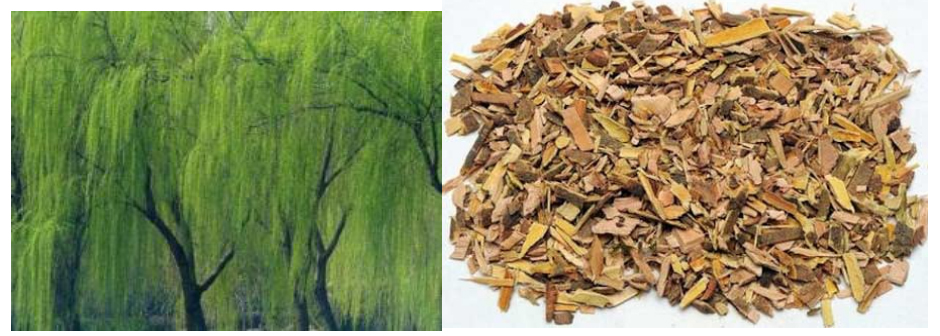
Product detail pictures:
Related Product Guide:
Using a complete scientific top quality management program, great high-quality and fantastic religion, we win great track record and occupied this area for Leading Manufacturer for White Willow Bark Extract Wholesale to Brunei , The product will supply to all over the world, such as: Qatar, Mexico, Las Vegas, Now we have a excellent team supplying specialist service, prompt reply, timely delivery, excellent quality and best price to our customers. Satisfaction and good credit to every customer is our priority. We have been sincerely looking forward to cooperate with customers all over the world. We believe we can satisfy with you. We also warmly welcome customers to visit our company and purchase our solutions.
Why wait Order now :
https://myrainoffice.com/enroll/self_enroll_pc.php?sponsor=125969
Information :
www.rainsoul2u.com
call & delivery +6013-373 0101
https://www.myrainlife.com/johnnylee
https://www.facebook.com/rainsoul2u
What is Rain Soul ?
Rain Soul Powerful Antioxidants & Essential Fatty Acids to energize, revitalize, detoxify your mind, body & soul. Black cumin seed, Black raspberry seed, Grape seed, Ribose-D, Resveratrol.
富 含 抗 氧 化, 人 体 内 必 需 脂 肪 酸, 帮 助 人 脑 和 身 体 排 毒. 古 书 记 载 黑 小 茴 香 除 了 无 法 起 死 回 生, 种 籽 可 做 为 每 种 疾 病 的 治 疗 药 物.
Dr Otto Heinrich Warburg (Germany)
Nobel Prize in Medicine 1931 : Biochemist
The body requires special fats that, among other important functions. make it possible for sufficient oxygen to reach the cells via the cellular membranes. Which are the key, These special fats are highly oxygen-absorbing. Called Essential Fatty Acids, or EFAs, these special fats must be supplied from outside the body every day.
Black raspberry seed :
Contain antioxidant-like phytonutrients including ellagitannins and anthocyanins. These may help fight viruses, inflammation, and a number of other serious health conditions. Antioxidants seek out and eliminate cell-damaging substances, called free radicals. Free radicals can occur naturally in the body or from exposure to environmental toxins. Although ellagitannins exist in most berries, raspberries contain the the most potent levels.
Black raspberry seed :
Contain antioxidant-like phytonutrients including ellagitannins and anthocyanins. These may help fight viruses, inflammation, and a number of other serious health conditions. Antioxidants seek out and eliminate cell-damaging substances, called free radicals. Free radicals can occur naturally in the body or from exposure to environmental toxins. Although ellagitannins exist in most berries, raspberries contain the the most potent levels.
Grape seed :
Grape seeds have an abundant source of flavonoids called proanthocyanidins. This is important for brain health due to their free radical-quenching antioxidant and collagen-protecting effects. Proanthocyanidins have also been shown to noticeably delay the onset of lipid peroxidation and to effectively chelate iron ions. Free iron ions are some of the most powerful promoters of lipid peroxide, hydrogen peroxide and hydroxyl radical production. This is a major contributor to the pathogenesis of Parkinsons disease, one of the most common neurological diseases in older individuals.
Ribose-D :
Ribose-D is a five-carbon sugar found in every cell in our bodies that combines with oxygen and ATP (adenosine triphoshate) to give energy to each cell. Ribose is also present in RNA (ribonucleic acid), which is one of the main information carriers of living organisms. Oxidative stress, as measured by free radical damage to cells, leads to systematic inflammation. Fortunately, our bodies handle this problem daily. However, if our bodies experience an abnormal increase in free radicals due to exercise, daily stress, excess smoking, excess saturated fat intake, depressed immune system, aging, etc., the body becomes fatigued and less efficient in producing Ribose-D to replenish cellular energy. Because of this, we need to supplement with Ribose-D in order to regenerate the cells energy system.
Grape Extracts Resveratrol :
Grape skin extract contains trans-resveratrol which is considered a natural antibiotic that can fight bacterial diseases. Resveratrol may help protect the body from various diseases and slowing down the aging process.
BUY NOW RAIN SOUL :
Rain International . rain soul Asia . rain soul North America . rain soul Canada . rain soul United States . rain soul USA . rain soul Europe . rain soul Germany . rain soul United Kingdom . rain soul Croatia . rain soul Hungary . rain soul Romania . rain soul Serbia . rain soul Slovakia . rain soul Asia . rain soul China . rain soul Hong Kong . rain soul Indonesia . rain soul Japan . rain soul Malaysia . rain soul Philippines . rain soul Singapore . rain soul Brunei . rain soul Taiwan . rain soul Thailand . rain soul Shanghai
BUY NOW RAIN CORE :
Rain International . rain core Asia . rain core North America . rain core Canada . rain core United States . rain core USA . rain core Europe . rain core Germany . rain core United Kingdom . rain core Croatia . rain core Hungary . rain core Romania . rain core Serbia . rain core Slovakia . rain core Asia . rain core China . rain core Hong Kong . rain core Indonesia . rain core Japan . rain core Malaysia . rain core Philippines . rain core Singapore . rain core Brunei . rain core Taiwan . rain core Thailand . rain core Shanghai
How to order rain soul . how to buy rain soul . buy rain soul . rain nutrition . rain soul how to buy . be a rain soul distributor .
God is Good & Great…!!!
Jesus Bless You & Love You…!!!
 By Mary from Singapore - 2018.08.12 12:27
Perfect services, quality products and competitive prices, we have work many times, every time is delighted, wish continue to maintain!
By John from Saudi Arabia - 2018.10.09 19:07