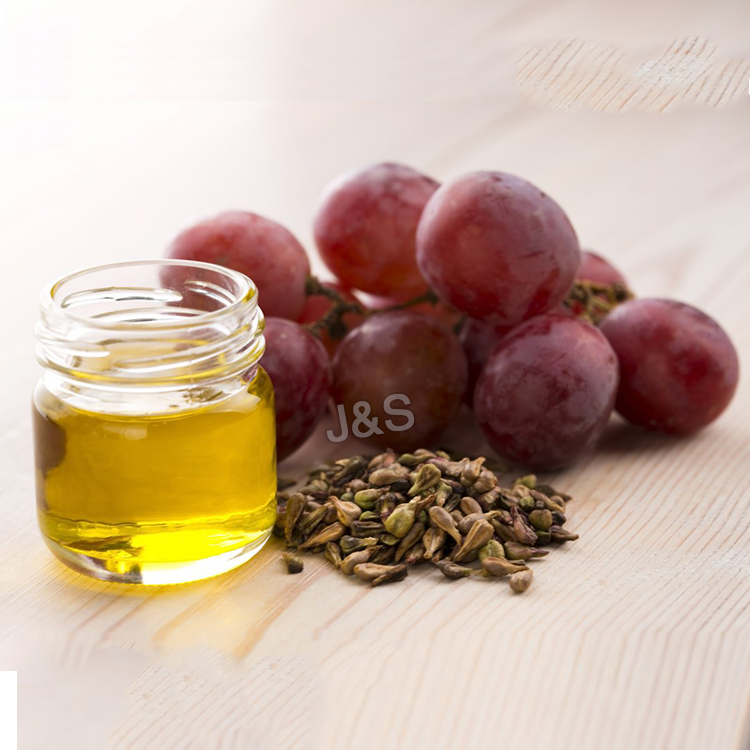
Lowest Price for Grape seed extract Supply to Berlin
Lowest Price for Grape seed extract Supply to Berlin Detail:
[Latin Name] Vitis vinifera Linn
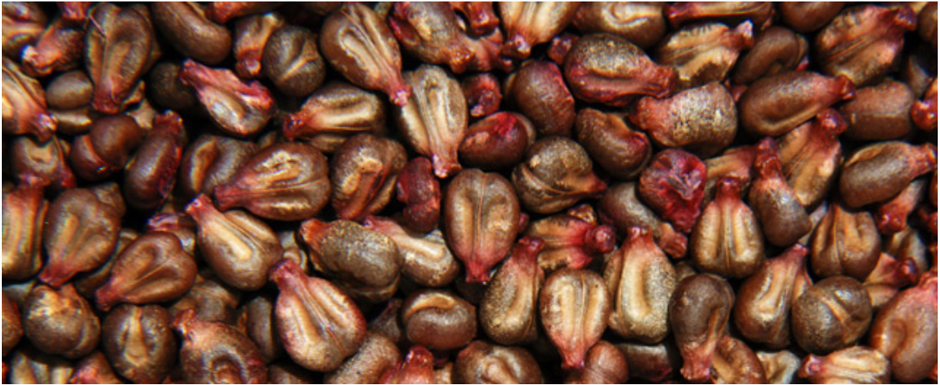
[Plant Source] Grape seed from Europe
[Specifications] 95%OPCs;45-90% polyphenols
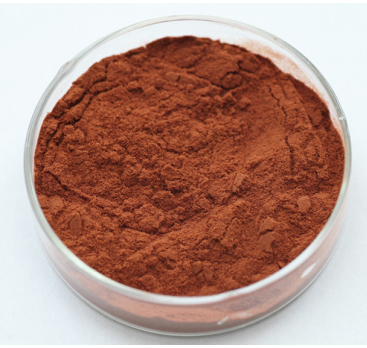
[Appearance] Red brown powder
[Plant Part Used]: seed
[Particle size] 80 Mesh
[Loss on drying] ≤5.0%
[Heavy Metal] ≤10PPM
[Pesticide residue] EC396-2005, USP 34, EP 8.0, FDA
[Storage] Store in cool & dry area, keep away from the direct light and heat.
[Shelf life] 24 Months
[Package] Packed in paper-drums and two plastic-bags inside.
[Gerneral feature]
- Our product has passed the ID test by ChromaDex, Alkemist Lab. and other
third-party authoritative testing institutions, such as detection;
2. The pesticide residues match (EC) No 396/2005 USP34, EP8.0, FDA and other foreign pharmacopoeia standards and regulations;
3. The heavy metals in strict accordance with the foreign pharmacopoeia standard controls, such as USP34, EP8.0, FDA, etc.;
4. Our company set up a branch and import raw materials directly from Europe with strict control of heavy metal and pesticide residue. Aslo ensure the procyanidins content in grape seed is more than 8.0%.
5. OPCs over 95%, polyphenol over 70%, high activity, the oxidation resistance is strong, the ORAC more than 11000.
[Function]
Grapes (Vitis vinifera) have been heralded for their medicinal and nutritional value for thousands of years. Egyptians ate grapes a very long time back, and several ancient Greek philosophers spoke about the healing power of grapes — usually in the form of wine. European folk healers made an ointment from the sap of grapevines to treat skin and eye diseases. Grape leaves were used to stop bleeding, inflammation, and pain, such as the kind brought on by hemorrhoids. Unripe grapes were used to treat sore throats, and dried grapes (raisins) were used for constipation and thirst. Round, ripe, sweet grapes were used to treat a range of health problems including cancer, cholera, smallpox, nausea, eye infections, and skin, kidney, and liver diseases.
Grape seed extracts are industrial derivatives from whole grape seeds that have a great concentration of vitamin E, flavonoids, linoleic acid and phenolic OPCs. The typical commercial opportunity of extracting grape seed constituents has been for chemicals known as polyphenols having antioxidant activity in vitro.
Product detail pictures:
Related Product Guide:
Sticking to the perception of "Creating products of top of the range and earning mates with people today from all over the world", we constantly put the desire of consumers in the first place for Lowest Price for Grape seed extract Supply to Berlin , The product will supply to all over the world, such as: Myanmar, Swiss, Washington, Welcome to visit our company and factory, there are various products displayed in our showroom that will meet your expectation, meanwhile, if you are convenient to visit our website, our sales staff will try their efforts to provide you the best service
Prof Dr. Geuns — Katholieke Universiteit Leuven — Bioloog en hoofd van het Laboratorium voor Functionele Biologie van de KULeuven vertelt over waarom Stevia afgekeurd is door de EU.
This loaf is perfectly moist, sweet and tart. It’s a great treat to bring to a get together or when you’ve got friends/family coming over. It is also perfect for when you just need a little pick-me-up to start your day (with a cup of coffee). E n j o y
▶︎INGREDIENTS
- 8 large butter croissants
- 4 cups fresh cranberries
- 24 oz cream cheese, softened
- 2 cups sugar
- 6 eggs
- 2 tsp vanilla extract
- 1 tsp ground cinnamon
- 2 cups heavy cream
- 1 cup chopped pecans, almonds, or pistachios, your choice
▶︎INSTRUCTIONS
- Preheat oven to 350F. Grease 2 loaf pans. Divide ingredients by half if you only want 1 loaf.
- In a large bowl, toss together chopped croissant pieces and cranberries.
- In a separate bowl, using a hand mixer, beat the cream cheese and sugar on medium speed until well blended.
- Mix in eggs, vanilla and cinnamon
- Gradually add heavy cream and continue mixing until smooth and creamy. Pour mixture over croissant mix.
- Mix well and let stand for 20 minutes, allowing it to soak into croissants. Stir in nuts.
- Divide mixture evenly between loaf pans
- Bake for 40-45 minutes until center is set and tops are golden brown. Serve warm or refrigerate.
▶Sthlm Sunset by Ehrling: https://soundcloud.com/ehrling
Music promoted by Audio Library https://youtu.be/5ptXIfhUrTA
 By Liz from kazan - 2017.03.07 13:42
High Quality, High Efficiency, Creative and Integrity, worth having long-term cooperation! Looking forward to the future cooperation!
By Kama from Birmingham - 2017.11.11 11:41