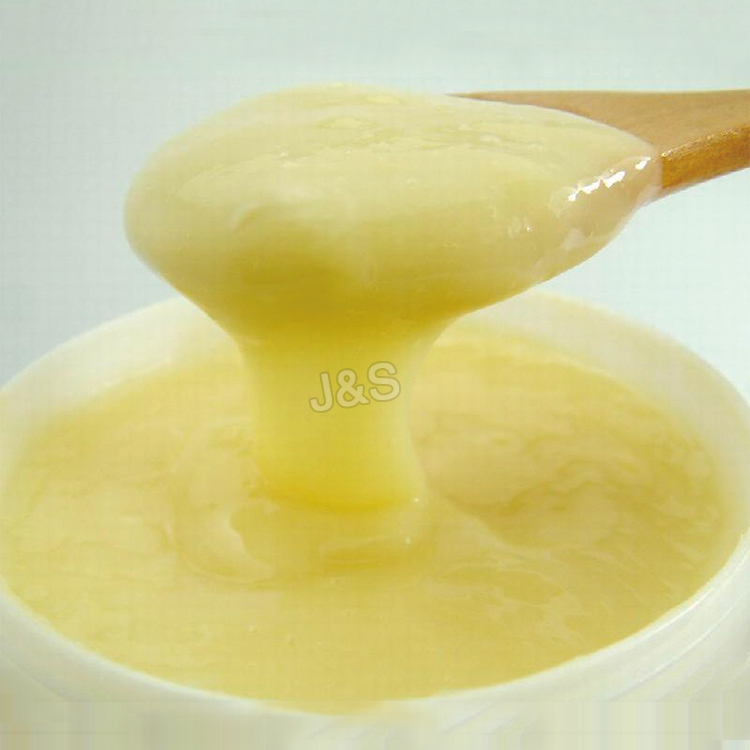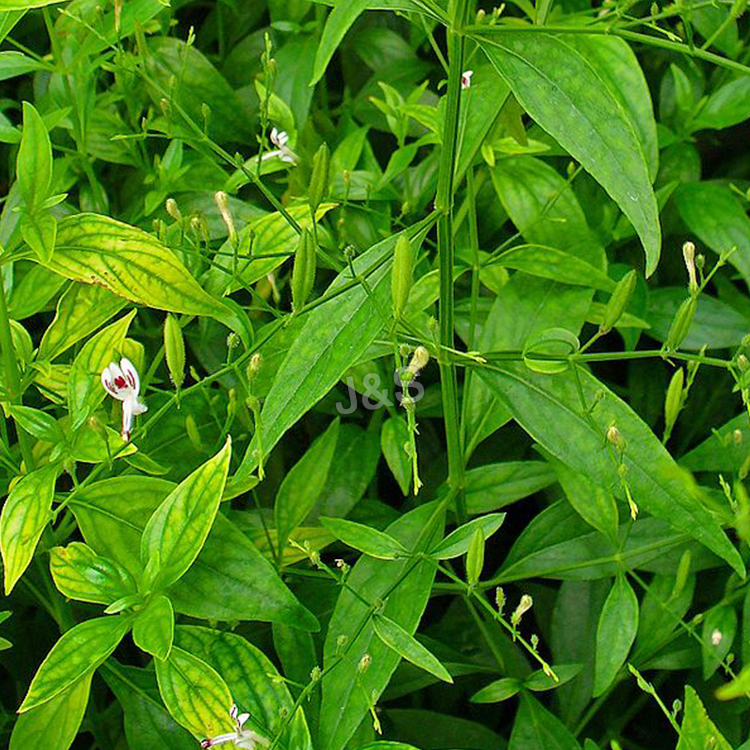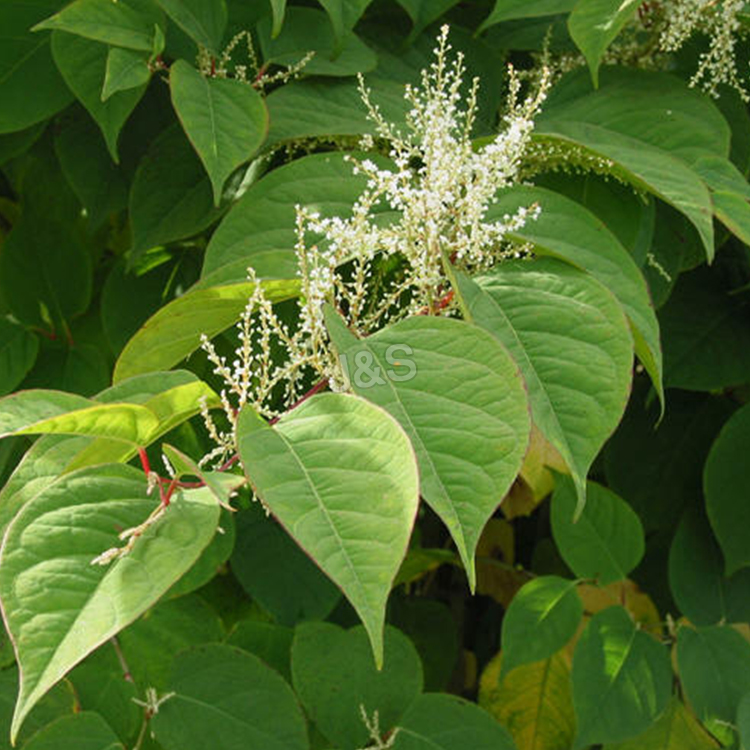
Manufacturer of Resveratrol Supply to Comoros
Manufacturer of Resveratrol Supply to Comoros Detail:
[Latin Name] Polygonum Cuspidatum Sieb. et Zucc
[Plant Source] China
[Specifications] Resveratrol 50%, 95%, 98% by HPLC
[Appearance]Brown or white fine powder
[Plant Part Used] Rhizome&Root
[Particle size] 80 Mesh
[Loss on drying] ≤5.0%
[Heavy Metal] ≤10PPM
[Storage] Store in cool & dry area, keep away from the direct light and heat.
[Package] Packed in paper-drums and two plastic-bags inside.
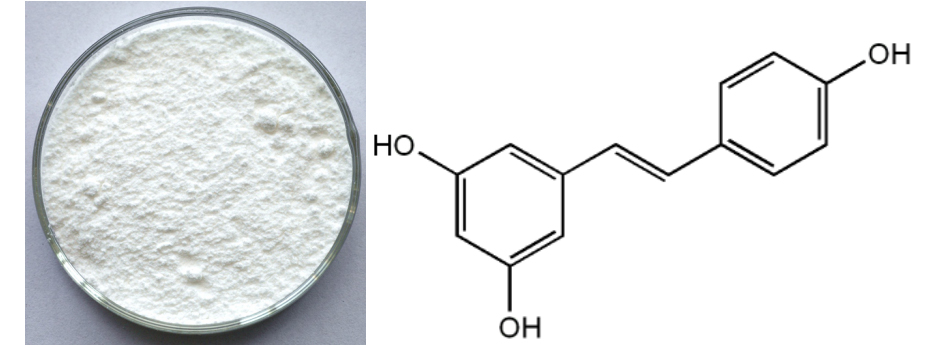
[General feature]
1.100% natural source. Our resveratrol is 100% extracted from natural herb, very safe and more bioactive, which is rich with both CIS-resveratrol and trans-resveratrol.
2.Our resveratrol almost have no unpleasant taste compare to other resveratrols and it can be easier to take by oral.
3.We offer resveratrol at a very competitive price with superb quality.
4.We have a very large output and could manufacturer as customer particular requirement.
[Function]
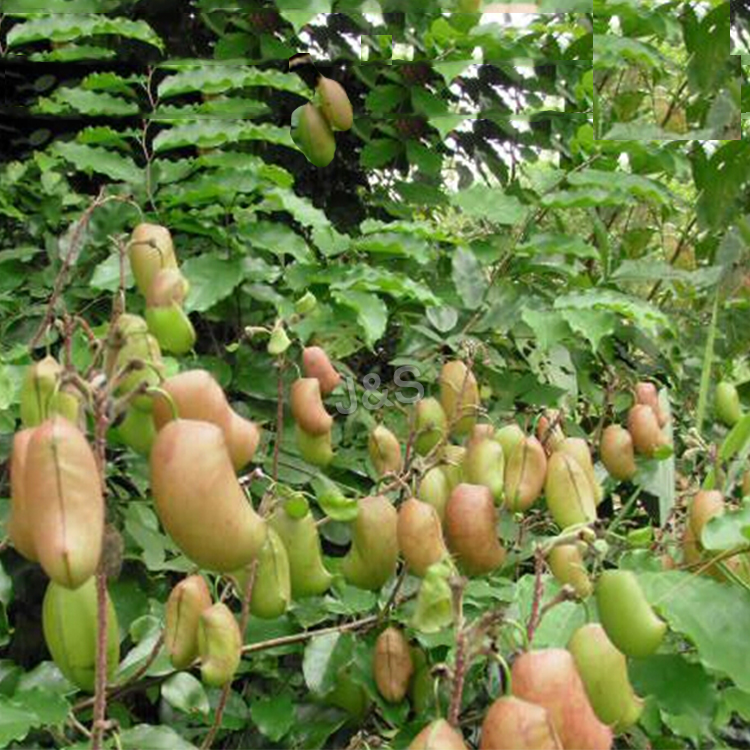
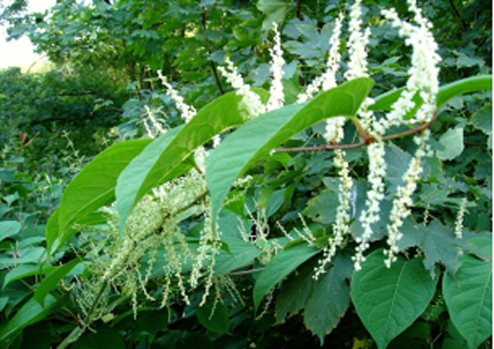
Resveratrol is an active component extracted from Huzhang (Polygonum cuspidatum) in China.
It is an antioxidant phenol and a potent vasodilator that inhibits serum triglyceride synthesis, lipid peroxidation, and platelet aggregation.
It is extensively used for treatment of blood vessel disease such as atherosclerosis and hyperlipidemia. In addition, it has anti-virus and anti inflammatory activity, can treat acute microbial infections and viral hepatitis.
Product detail pictures:
Related Product Guide:
We usually think and practice corresponding for the change of circumstance, and grow up. We aim at the achievement of a richer mind and body as well as the living for Manufacturer of Resveratrol Supply to Comoros , The product will supply to all over the world, such as: Ireland, Armenia, Turkey, With the goal of "zero defect". To care for the environment, and social returns, care employee social responsibility as own duty. We welcome friends from all over the world to visit and guide us so that we can achieve the win-win goal together.
Stevia grows best in upland areas in sub-tropical climate. In other places it can be grown as an annual. The plant prefers a lightly textured, well-drained soil to which matter has been added. It needs ample water so that the soil is consistently moist, but not wet. In hot, sunny climates it will do best in semi-shade. Propagation is from seed sown in spring, but germination rates can be low-expect half the seeds sown not to germinate. Plant seedlings out once all danger of frost is over. Leaves are best harvested just before flowering. The plants will also grow from cuttings,which are best taken in late winter.The concentration of stevioside in the leaves of Stevia increasing when the plants are grown under long day condition.While, cultivating stevia on a large scale, it can be grown in well-drained red soil and sandy loam soil. The soil should be in the pH range of 6.5-7.5. Saline soils should be avoided to cultivate this plant.
Stevia can be successfully cultivated all around the year all over India expect theareas, which receive snowfall, or temperatures go below 5 degree Celsius in winter.The summer temperatures actually do not affect this plant if the high summer temperatures have already been factored in the cultivation practices.Since seed germination rate is very poor,it is propagated vegetative. Though stem cuttings are used for vegetative tissue culture plants have proven to be the best planting material for Stevia. Tissue culture plants of Stevia are genetically pure, free from pathogens and haveexcellent vigor. The tissue culture plants can be planted throughout the year,expect during peak summer. An ideal planting density is 40,000 plants per acre with spacing of 25×40 cm in a raised bed system. The soil can be enriched with abasal dressing of 25 tons of well rotten farmyard manure/hectare
Soil Type
Stevia requires very good drainage any soil that retain the moisture for very long period of time are unsuitable for Stevia cultivation and should be religiously avoided.Red soil and sandy loam with a 6-7 pH are best for the cultivation of Stevia.
Raised bed preparation
Forming raised beds is the most economical way to grow Stevia. The raised bed should be of 15 cm in height and 60 cm in width. The distance between each plant 23 cm. This would give a plant population of around 40,000 per acre.
Planting Material
There are basically two options for multiplication. The first is the tissue culture and second the stem cutting. Tissue culture is the best option but many farmers are tempted to try the stem cutting method for multiplication. As per practical experience, stem cutting is sometimes more expensive to produce than the tissue culture since the success rate of the stem cuttings establishment is very low, it takes minimum of 25 weeks for the stem cutting to develop in proper feeding roots for transplantation (younger stem cuttings transplants have shown more than 50% mortality in first few weeks of transplants in main field).
Harvesting
Another important aspect of harvesting is the timing of harvest. It should be noted that at no point of time plants should be allowed to flower since after flowering the Stevioside percentage goes down rapidly and leaves are rendered unmarketable. Leaves are harvested by plucking in a small quantity, or the entire plant with the side branches is cut leaving 10 to 15 cm from the base.The first harvesting can be done four to five months after planting. Subsequent harvesting can be done every three months, for five consecutive years. The sweetener in the leaf is maximum till the plant flowers. Just before flowering, the plant should be cut completely leaving 10 cm from the ground. The new flush of leaves will sprout from here. The new plant will be ready for harvest again in three months. The plant yields around 3000 kg of dried leaves from an acre of plantation every year. Harvesting should be done as late as possible, since cool autumn temperatures and shorter days tend to intensify the sweetness of the plants as they evolve into a reproductive state.
Unlocking the sweetness in your harvest
Once all leaves have been harvested it’s required to dry them. This can be
accomplished on a net. The drying process is not one that requires excessive heat;more important is good air circulation. On a moderately warm fall day, stevia crop can be quick dried in the full sun in about 12 hours. (Drying times longer than that will lower the stevioside content of the final product.)
Crushing the dried leaves is the final step in releasing stevia’s sweetening power. The
dried leaves are powdered, sieved and the fine powder is stored in containers. This can be done either by hand or, for greater effect, in a coffee grinder or in a special blender for herbs.
Web: https://www.natureherbs.org | www.natureherbs.co
Email : natureherbs@ymail.com
Watsapp: +91 841 888 5555
Skype: nature.herbs
About our stevia seeds:
- They are fresh and fertile — the flowers were cross pollinated by native insects.
- The stevia seeds live for 8-12 weeks at warm temperature. 5-6 months at 4 C in refrigerators.
- We ship seeds that are no older than 40 days after collection.
- More resistant to lack of water. Industrial varieties, irrigation systems are mandatory, highest cotization in the market because of the high content of Rebadioside A (better taste and sweeter than Stevioside)
Clean stevia seeds means the debris. They are more expensive than the raw seeds, not only because of the labour and equipment costs involved, but also because of the ratio of raw stevia seeds to clean stevia seeds is 1:4. Every 4 kilos of raw stevia seeds make 1 kilo of clean viable stevia seeds. Germination rate is 45% — 50% if properly planted. Emergence rate is 80%.
Raw Stevia Seeds
These seeds come directly from the farm with feathery attachment still on. Our stevia seeds are fresh, untreated and free of any harsh chemicals that can dramatically reduce germination rates. Our stock is frequently rotating, no seed will ever be more than a few months old.
Getting Started
Stevia rebaudiana seeds are rarely available because of production problems and poor germination, so plants are generally used instead. Plants are available from several mail order sources. Be sure you are getting Stevia rebaudiana (Stevia is the genus and rebaudiana is the species) since this is the only sweet variety. Stevia stems are brittle, but nurseries have developed packing methods to protect them in transit. Arrange for plants to arrive soon after your last frost date. Later on, very high temperatures may stress transplants. Transfer plants to the garden as soon as possible after arrival, making sure they don’t dry out in the meantime.
In garden beds, space plants 10 to 12 inches apart in the row, with two rows per bed. Stagger rows so that plants end up in a zigzag pattern. Use a trowel to dig a hole, then pour in some water and set the plants a bit deeper than they were in the pot, so the root ball is covered by a thin layer of garden soil. After back-filling around the roots, water again to settle the soil. If the weather is hot and sunny at planting time, it’s a good idea to place a thin mulch around the plants to reduce moisture loss. Cool night temperatures will halt plant growth. For early plantings or areas with cool summers, hotcaps or row covers will allow faster growth and offer protection from late frosts. Don’t let the plants overheat on hot days, however.
If you are fortunate enough to obtain high-quality Stevia seeds, they are easily germinated indoors under lights. Seedlings grow slowly, so allow 7 to 8 weeks from seed to transplanting.
Plant Care
In general, Stevia should be treated as a vegetable crop. When hot weather sets in, usually a month after planting, beds should be mulched 3 to 6 inches deep with residue such as grass clippings, chopped leaves, straw, hay, or compost. This will protect the shallow feeder roots and hold in moisture. Plant growth is slow at first, accelerating by mid summer.
A consistent moisture supply is important for Stevia. Irrigate once or twice a week, whenever rain fails to water the plants. Sandy soils require more frequent irrigation. Trickle irrigation is ideal, ensuring consistent moisture levels without wetting leaves. A simple and effective system is the black, “weeping” soaker hose made from recycled rubber. Place a soaker hose between the two rows of plants, beneath the mulch. Attach to a garden hose and turn the water on at a trickle for a couple of hours. The system can be automated with the addition of a timer.
Side-dressing is usually not necessary, but low nitrogen or fertilizer may be applied in the summer as plant growth begins to accelerate. Excess nitrogen causes tender growth and reduced leaf sweetness.
Stevia may be affected by two lesion-producing fungal diseases, Septoria steviae and Sclerotinia sclerotiorum. With Sclerotinia, dark brown lesions form on stems, near the soil line, followed by wilting and eventual collapse of the plant. Stevia plants are usually full grown before diseases appear. As harvest time nears, commercial growers watch plants closely and harvest the entire crop at the first sign of disease. Meticulous weed control (by hand) permits strong growth, which helps plants resist disease. Humid, wet weather and standing water favor the development of fungal diseases, making raised beds or hills a preventative measure. Additionally, avoid wetting leaves during irrigation. Stevia is usually the last plant insects will feed on, so pests are seldom a problem outdoors. Aphids, thrips, and whiteflies can cause damage in heavily infested greenhouses.
Web: https://www.natureherbs.org | www.natureherbs.co
Email : natureherbs@ymail.com
Watsapp: +91 841 888 5555
Skype: nature.herbs
 By Ruth from Angola - 2017.08.28 16:02
The customer service staff is very patient and has a positive and progressive attitude to our interest, so that we can have a comprehensive understanding of the product and finally we reached an agreement, thanks!
By Judy from Mozambique - 2017.11.12 12:31