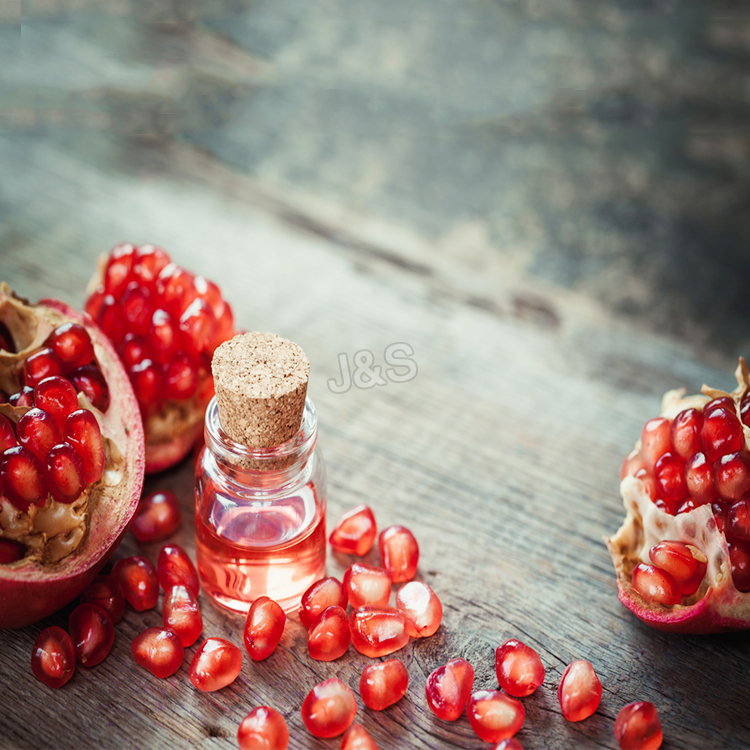
New Delivery for Pomegranate seed extract Factory in Tanzania
New Delivery for Pomegranate seed extract Factory in Tanzania Detail:
[Latin Name] Punica granatum L
[Plant Source] from China
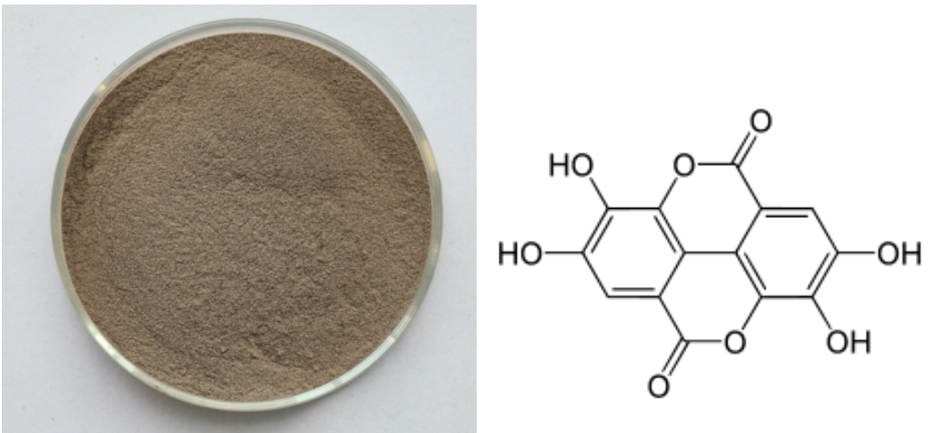
[Specifications]Ellagic acid≥40%
[Appearance] Brown Fine Powder
Plant Part Used:Seed
[Particle size] 80 Mesh
[Loss on drying] ≤5.0%
[Heavy Metal] ≤10PPM
[Storage] Store in cool & dry area, keep away from the direct light and heat.
[Shelf life] 24 Months
[Package] Packed in paper-drums and two plastic-bags inside.
[Net weight] 25kgs/drum
Introduction
Pomegranate, (Punica granatum L in Latin), belongs to the family Punicaceae which includes only one genus and two species. The tree is native from Iran to the Himalayas in northern India and has been cultivated since ancient times throughout the Mediterranean region of Asia, Africa and Europe.
Pomegranate offers abundant benefits for the cardiovascular system by preventing damage to arterial walls, promoting healthy blood pressure levels, improving blood flow to the heart, and preventing or reversing atherosclerosis.
Pomegranate may benefit people with diabetes and those at risk for the disease. It helps lower after-meal blood sugar levels and protects the cardiovascular system from diabetes-induced damage.
Pomegranate shows promise in killing prostate cancer cells, whether the cells are hormone-sensitive or not. Pomegranate also helped halt the progression of prostate cancer in men who had undergone surgery or radiation for the disease.
Pomegranate may fight the degeneration of joint tissue that leads to painful osteoarthritis, and may protect the brain against oxidative stress-induced changes that can lead to Alzheimer’s. Pomegranate extracts—alone or in combination with the herb gotu kola—help kill the bacteria that contribute to dental plaque, while helping to heal gum disease. Pomegranate also appears to protect the health of the skin and liver.
Function
1.Anti-cancer of rectum and colon, esophageal carcinoma,liver cancer,lung cancer,carcinoma of tongue and skin.
2.Restrain to human immunodeficiency virus(HIV) and many kinds of microbe and virus.
3.Anti-oxidant, coagulant, descenting blood pressure and sedation.
4.Resist to anti-oxidance, senescence inhibition and skin whitening
5.Treat kinds of symptoms caused by high blood sugar, hypertension.
6.Resist to atherosclerosis and tumour.
Application
Pomegranate P.E. can be made into capsules, troche and granule as healthy food. Besides, it has good solubility in water plus the solution transparence and brilliance color, has been widely added into the beverage as the functional content.
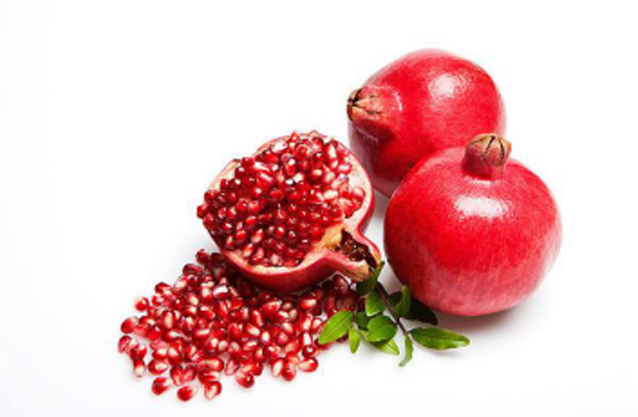
Product detail pictures:
Related Product Guide:
We keep on with our business spirit of "Quality, Performance, Innovation and Integrity". We goal to create much more worth for our customers with our rich resources, state-of-the-art machinery, experienced workers and exceptional providers for New Delivery for Pomegranate seed extract Factory in Tanzania , The product will supply to all over the world, such as: Netherlands, Munich, Vietnam, We have 48 provincial agencies in the country. We also have stable cooperation with several international trading companies. They place order with us and export products to other countries. We expect to cooperate with you to develop a larger market.
https://www.amazon.com/dp/B018YKT9PO Sex Assurance has been formulated to increase performance, well being,endurance,stamina, and penile hardness while intensifying overall sexual pleasure and satisfaction. Last up to 3 days. 1 box contains 10 capsules 1 month supply per box. Sex Assurance is a male enhancement supplement made from all natural herbs. Its formulated to create a harder erection for overall sexual enjoyment.
https://sexassurance.net Sex Assurance has been formulated to increase performance, well being,endurance,stamina, and penile hardness while intensifying overall sexual pleasure and satisfaction. Last up to 3 days. 1 box contains 10 capsules 1 month supply per box. Sex Assurance is a male enhancement supplement made from all natural herbs. Its formulated to create a harder erection for overall sexual enjoyment.
erected
longer erections
big erections
hard erections
weak erections
large erections
morning erections
longer lasting erections
soft erections
firmer erections
strong erections
golden erect
bigger erections
random erections
mens erections
embarrassing erections
beach erections
guys with erections
define erect
celebrity erections
long lasting erections
instant erections
maintaining erections
painful erections
massive erections
nocturnal erections
vitamins for erections
long erections
natural erections
herbs for erections
semi erect
frequent erections
erections problems
awkward erections
erect definition
erections pictures
longer harder erections
get harder erections
improve erections
spontaneous erections
what causes erections
what are erections
7 inches erect
erect aid
female erections
supplements for erections
erecting
improving erections
men erections
pills for erections
uncircumcised erect
dog erections
erect male
unwanted erections
horse erections
problems with erections
steel erection
young erections
fully erect
erect meaning
help with erections
testosterone and erections
erections pics
erect penus
erect posture
l arginine erections
how to erect
firm erections
night erections
injections for erections
erect man
maintain erections
males with erections
erections in underwear
vacu erect
diabetes and erections
food for erections
larger erections
increase erections
erect males
fast erections
ed drugs
treatment for ed
ed treatment
ed pills
ed treatment options
ed medications
natural ed treatment
drugs for ed
natural remedies for ed
ed treatments
ed treatment review
drugs that cause ed
harder erections
male erections
men with erections
stronger erections
better erections
errection
eriction
eraction
irrection
impotance
erction
erectial disfunction
erectial dysfunction
Stress and busy lifestyle are some of the factors that can makes loss of libido, erectile dysfunction and premature ejaculation in males and as a result there is disturbed life. Taseer Kasturi Course can trigger the production of natural hormones in the body, increase the secretion of testosterone, supply nutrients essential for the enlargement of the penis, effectively increase the blood flow in sexual organ, improve the volume of genitals, make it longer, harder and tolerant, prolong the duration of erection, improve the self-confidence in sexual life, benefit sexuality, and completely rescue men from the three troubles of premature ejaculation, impotence and shortness and smallness of penis. It is mainly indicated for male loss of libido, short and small penis, dysfunction of erection and premature ejaculation, no activity of spermatozoa, oligospermia and other conditions. It will not result in any toxic or side reactions, and no drug dependence is found.
Taseer Almas Tallaie Muqavi Khas Jawahirdar Khas ul Khas Herbal Shadi Course with Taseer Kasturi Ambri Muqavi Khas Jawahirdar Khas-ul-Khas Course Plus Bronze Khas-ul-Khas Male Enhancement Therapy can increase the blood measurement of males genitals, expand its cubage , make it longer,
stronger and harder.
 By Faithe from Angola - 2017.03.28 12:22
Customer service staff and sales man are very patience and they all good at English, product's arrival is also very timely, a good supplier.
By Nicci Hackner from Accra - 2017.05.21 12:31