Newly Arrival Huperzine A in Japan
Newly Arrival Huperzine A in Japan Detail:
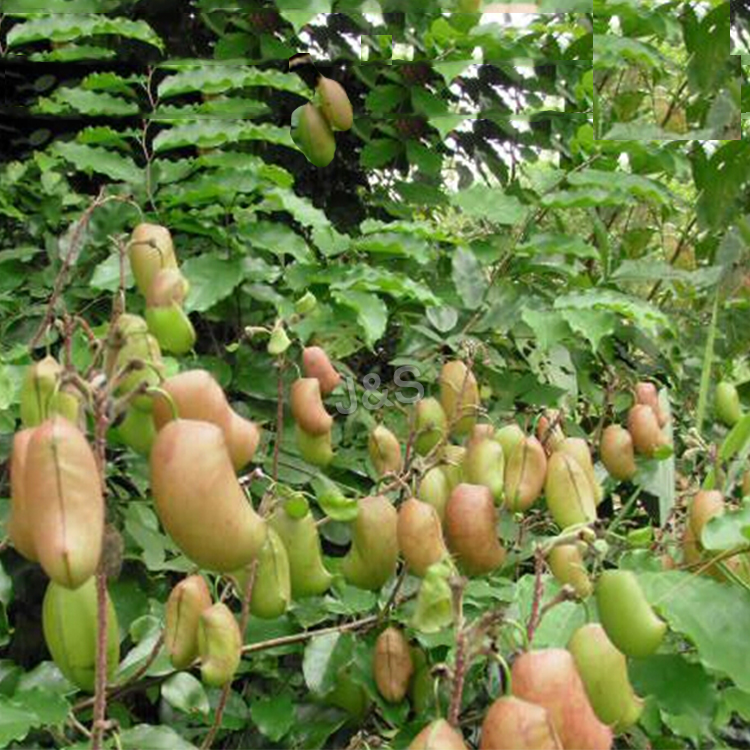
[Latin Name]Huperzia serratum
[Source] Huperziceae whole herb from China
[Appearance]Brown to white
[Ingredient]Huperzine A
[Specification]Huperzine A 1% – 5%, HPLC
[Solubility] Soluble in chloroform, methanol, ethanol, slightly soluble in water
[Particle size] 80 Mesh
[Loss on drying] ≤5.0%
[Heavy Metal] ≤10PPM
[Pesticide residue] EC396-2005, USP 34, EP 8.0, FDA
[Storage] Store in cool & dry area, keep away from the direct light and heat.
[Shelf life] 24 Months
[Package] Packed in paper-drums and two plastic-bags inside.
[What is Huperzine A]
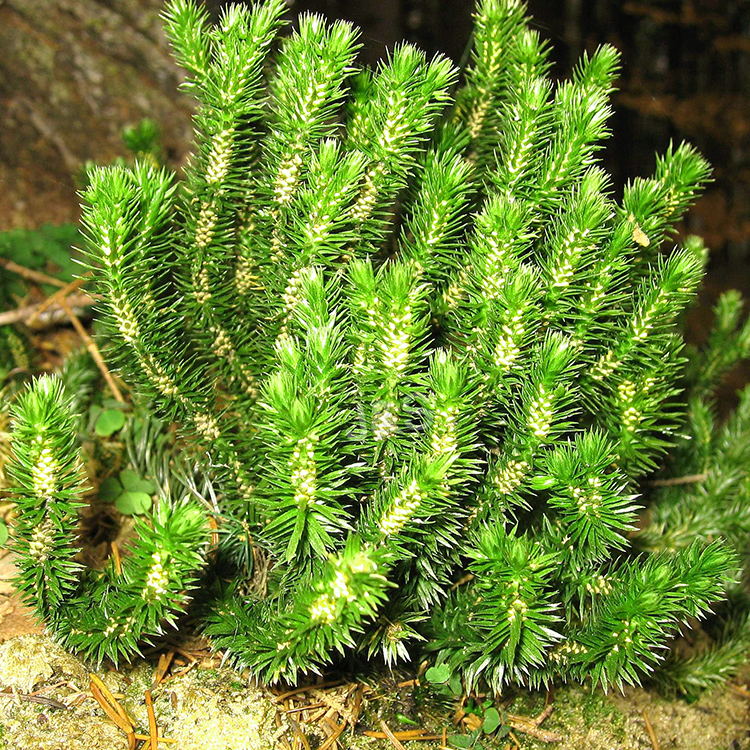
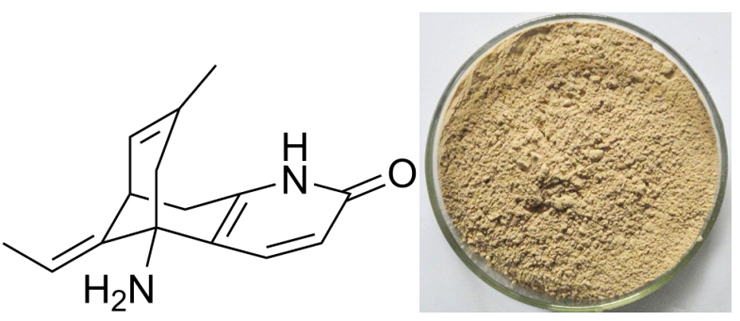
Huperzia is a type of moss that grows in China. It is related to club mosses (the Lycopodiaceae family) and is known to some botanists as Lycopodium serratum . The whole prepared moss was used traditionally. Modern herbal preparations use only the isolated alkaloid known as huperzine A. Huperzine A is an alkaloid found in huperzia that has been reported to prevent the breakdown of acetylcholine, an important substance needed by the nervous system to transmit information from cell to cell. Animal research has suggested that huperzine A’s ability to preserve acetylcholine may be greater than that of some prescription drugs. Loss of acetylcholine function is a primary feature of several disorders of brain function, including Alzheimer’s disease . Huperzine A may also have a protective effect on brain tissue, further increasing its theoretical potential for helping reduce symptoms of some brain disorders.
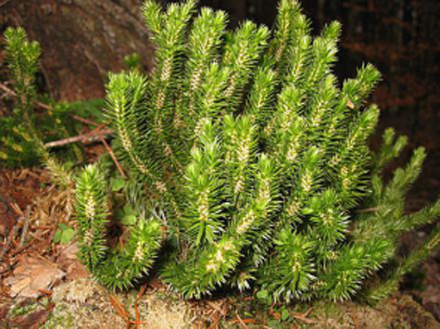
[Function] Used in alternative medicine, huperzine A has been found to act as a cholinesterase inhibitor, a type of medicine used to prevent the breakdown of acetylcholine (a chemical essential to learning and memory).
Not only used as a treatment for Alzheimer’s disease, huperzine A is also said to enhance learning and memory and to protect against age-related cognitive decline.
In addition, huperzine A is sometimes used to boost energy, increase alertness, and aid in the treatment of myasthenia gravis (an autoimmune disorder that affects the muscles).
Product detail pictures:
Related Product Guide:
We continue to keep increasing and perfecting our solutions and service. At the same time, we operate actively to do research and enhancement for Newly Arrival Huperzine A in Japan , The product will supply to all over the world, such as: Malaysia, moldova, Jordan, With the aim of "compete with good quality and develop with creativity" and the service principle of "take customers' demand as orientation", we will earnestly provide qualified products and solutions and good service for domestic and international customers.
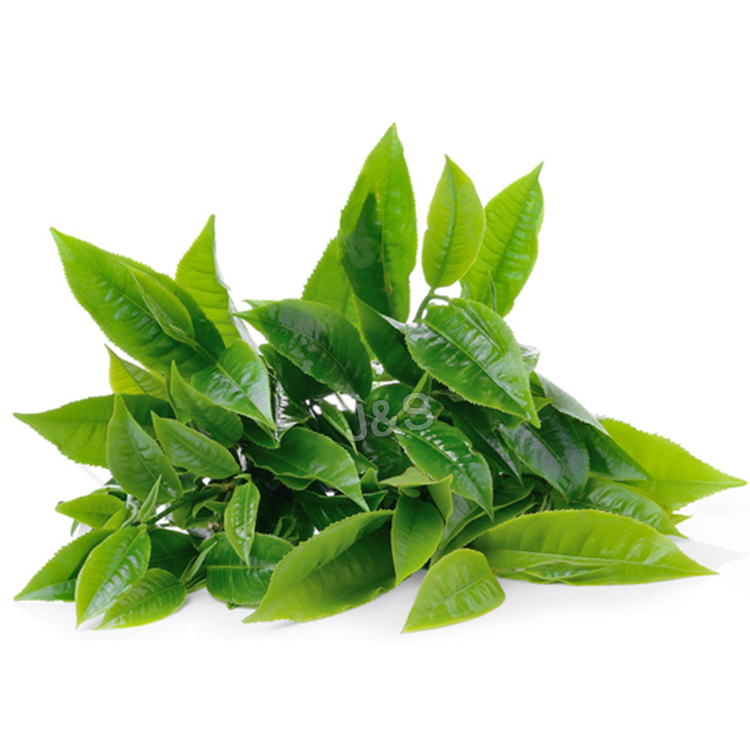
White tea is a lightly oxidized tea grown and harvested primarily in China, Taiwan, India, Northern Thailand and Eastern Nepal.
White tea comes from the buds and leaves of the Chinese Camellia sinensis plant. The leaves and buds are allowed to wither in natural sunlight before they are lightly processed to prevent oxidation or further tea processing.
The name “white tea” derives from the fine silvery-white hairs on the unopened buds of the tea plant, which gives the plant a whitish appearance.The beverage itself is not white or colourless but pale yellow.
White tea (along with other teas) is derived from the Camellia sinensis plant and contains polyphenols, a phytonutrient that is thought to be responsible for the tea’s health benefits.
White tea contains high levels of catechins, some of which reduce the occurrence of atherosclerotic plaques and the severity of strokes and prevent cancer in non-human studies.
Manufacturing
The base process for manufacturing white tea is as follows:
Fresh tea leaf → Withering → Drying (air drying, solar drying or mechanical drying) → White tea
White tea belongs to the group of tea that does not require panning, rolling or shaking. However, the selection of raw material in white tea manufacture is extremely stringent; only the plucking of young tea leaves with much fine hair can produce good-quality white tea with lots of pekoe.
Health
Like black and green tea, white tea is also derived from Camellia sinensis. Thus, white tea shares many of the same chemical properties and health effects of tea. However, white tea contains the most antioxidants. The particular amount and ratio of the polyphenol compounds found in tea varies widely from one type of white tea to another, frequently overlapping with chemical compositions found in green tea. This is due both to the variation between strain of Camellia sinensis, as well as the preparation process itself. These compounds have been shown to protect against certain types of cancer both in vitro and in vivo.
Plants and White Tea Available.
Web: https://www.natureherbs.org | www.natureherbs.co
Email : natureherbs@ymail.com
Watsapp: +91 841 888 5555
Skype: nature.herbs
Honey Nutty Granola Bars
Ingredients
2 cup Rolled Oats
3/4 cup Wheat Germs
3/4 Cup Assorted Seeds
1 Cup Assorted Crushed Nuts
Bake the dry ingredients at 400 degree for up to 10 minutes to toast
In the small sauce pan, add the wet ingredients
1/4 cup Butter
2/3 cup Brown Sugar
1/2 Cup Honey
Melt the butter and add brown sugar. Stir to cook until it doesn’t show sugar. Add honey and leave it boil for 3 to 5 minutes.
Remove the sauce pan from the stove to add
1 Tablespoon Vanilla Extract
1 teaspoon Sea Salt
Mix very well and blend in with toasted dried ingredients. Add the chopped dried fruit
1 Cup Assorted chopped Dried Fruit
Stir altogether until blend well. Pour onto wax sheet pan to cool down for approximately an hour.
Cut them up to serve.
The Granola Bar have up to 3 weeks shelf life. It can be wrapped up in individual plastic bag/sheet and stored in air tight container to snack on at a later time.
 By Frances from Armenia - 2017.01.28 18:53
The goods are very perfect and the company sales manager is warmful, we will come to this company to purchase next time.
By Jocelyn from Poland - 2018.06.26 19:27