Online Manufacturer for Pine bark Extract in Guatemala
Online Manufacturer for Pine bark Extract in Guatemala Detail:
[Latin Name] Pinus pinaster.
[Specification] OPC ≥ 95%
[Appearance] Red brown fine powder
Plant Part Used: Bark
[Particle size] 80Mesh
[Loss on drying] ≤5.0%
[Heavy Metal] ≤10PPM
[Storage] Store in cool & dry area, keep away from the direct light and heat.
[Shelf life] 24 Months
[Package] Packed in paper-drums and two plastic-bags inside.
[Net weight] 25kgs/drum
[What is Pine bark?]
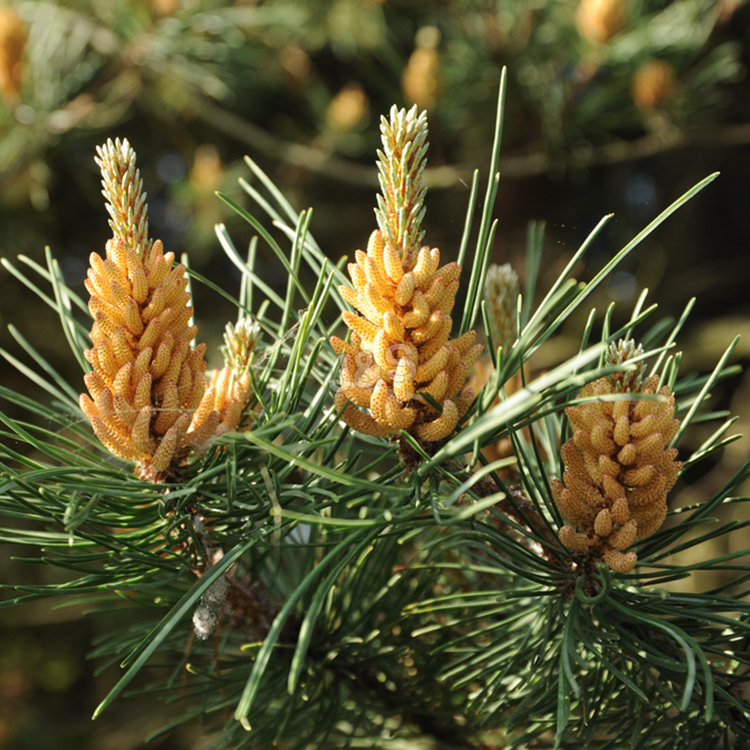
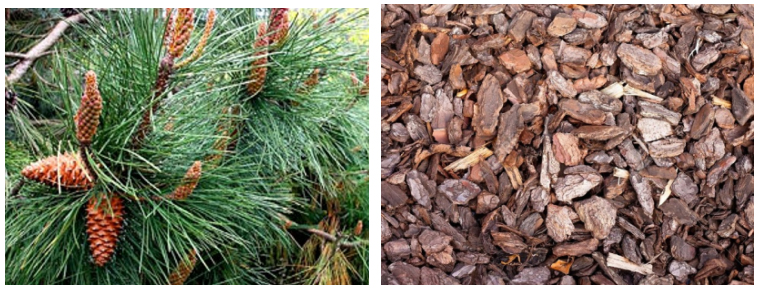
Pine bark, botanical name Pinus pinaster, is a maritime pine native to southwest France that also grows in countries along the western Mediterranean. Pine bark contains a number of beneficial compounds that are extracted from the bark in a way that doesn’t destroy or damage the tree.
[How does it work?]
What gives pine bark extract its notoriety as a powerful ingredient and super antioxidant is that it’s loaded with oligomeric proanthocyanidin compounds, OPCs for short. The same ingredient can be found in grape seeds, the skin of peanuts and witch hazel bark. But what makes this miracle ingredient so amazing?
While OPCs found in this extract are mostly known for their antioxidant-producing benefits, these amazing compounds exude antibacterial, antiviral, anticarcinogenic, anti-aging, anti-inflammatory and anti-allergic properties. Pine bark extract can help reduce muscle soreness and may help improve conditions relating to poor circulation, high blood pressure, osteoarthritis, diabetes, ADHD, female reproductive issues, skin, erectile dysfunction, eye disease and sports stamina.
Seems like it must be pretty amazing, but let’s look closer. The list goes on a bit further, as the OPCs in this extract may “inhibit lipid peroxidation, platelet aggregation, capillary permeability and fragility, and to affect enzyme systems,” which basically means it may be a natural treatment for many serious health conditions, such as stroke and heart disease.
[Function]
- Lowers Glucose Levels, Improving Diabetic Symptoms
- Helps Prevent Hearing Loss and Balance
- Staves Off Infections
- Protects the Skin from Ultraviolet Exposure
- Decreases Erectile Dysfunction
- Reduces Inflammation
- Helps Increase Athletic Performance
Product detail pictures:
Related Product Guide:
We normally follow the basic principle "Quality Initial, Prestige Supreme". We've been fully committed to offering our consumers with competitively priced good quality merchandise, prompt delivery and professional support for Online Manufacturer for Pine bark Extract in Guatemala , The product will supply to all over the world, such as: Croatia, Miami, Poland, We have more than 8 years of experience in this industry and have a good reputation in this field. Our products have won praise from customers worldwide. Our aim is to help customers realize their goals. We are making great efforts to achieve this win-win situation and sincerely welcome you to join us.
https://davesmith.ludaxx.com
https://www.davegsmith.com/
https://bluelineproducts.com/
Why it Functions for over the counter appetite suppressant in this area El Paso
When it Functions for
F21 is an All Natural Sugar Blocker that assists restrict your blood sugar absorption. It consists of various substances found to have numerous wellness advantages, such as L-Arabinose, Coriolus Versicolor Polysacchride, Konjac-Mannan, Magnesium Stearate, Mint flavor: Menthol and Natural Colors. F21 not just does it help advertise weight management, (PSK) boosts your immune system feedback. In fact, for every gram of F21, you can obstruct up to 20 grams of sugar (sucrose). The formula not just assists advertise weight management, it rewards the digestion system by enabling the blocked sucrose to support helpful probiotic germs while the polysaccharide (PSK) boosts your immune system feedback.
DG Smith https://www.davegsmith.com/
over the counter appetite suppressant :
00:00:05 loose weight
00:00:11 controlling hunger
00:00:17 over the counter diet pills
00:00:23 controlling hunger
00:00:29 how to control sugar diabetes
One of the major ways caffeine boosts fat loss is through its ability to bind to fat cells and enhance the removal of fat from them while inhibiting the storage of more fat. Caffeine also works to increase fat-burning during rest and exercise.
Green tea extract contains compounds known as catechins. One of them, called epigallocatechin gallate (EGCG), is responsible for the majority of green tea’s fat-burning effects. EGCG has the ability to inhibit an enzyme that breaks down norepinephrine, the neurotransmitter involved in regulating metabolic rate and fat-burning. By stopping the breakdown of norepinephrine, you can keep metabolism and fat-burning elevated for longer, especially when caffeine is used to free up fat from fat cells. Research studies confirm that green tea extract can significantly boost fat loss.
Combine them like this: Go with 200 to 400 mg of caffeine anhydrous with 500 to 1,000 mg of green tea extract standardized for EGCG in the morning and an hour before workouts. On rest days, take a second dose in the afternoon.
 By Laura from Mecca - 2017.11.12 12:31
The factory technical staff not only have high level of technology, their English level is also very good, this is a great help to technology communication.
By Atalanta from European - 2018.12.14 15:26