Professional China White Willow Bark Extract Factory in Naples


Product Detail

Product Tags

Related Video

Feedback (2)

"Sincerity, Innovation, Rigorousness, and Efficiency" is the persistent conception of our firm for the long-term to create jointly with consumers for mutual reciprocity and mutual reward for Soy Isoflavones Extract, Phytosterols Supplement, Phytosterol Diet, We're keeping chasing WIN-WIN situation with our consumers. We warmly welcome clientele from all around the environment coming above for a visit and establishing long lasting connection.
Professional China White Willow Bark Extract Factory in Naples Detail:

[Latin Name] Salix alba L.

[Plant Source] from China

[Specifications] Salicin 15-98%

[Appearance] Yellow Brown to White powder

Plant Part Used: Bark

[Particle size] 80 Mesh

[Loss on drying] ≤5.0%

[Heavy Metal] ≤10PPM

[Storage] Store in cool & dry area, keep away from the direct light and heat.

[Shelf life] 24 Months

[Package] Packed in paper-drums and two plastic-bags inside.

[Net weight] 25kgs/drum
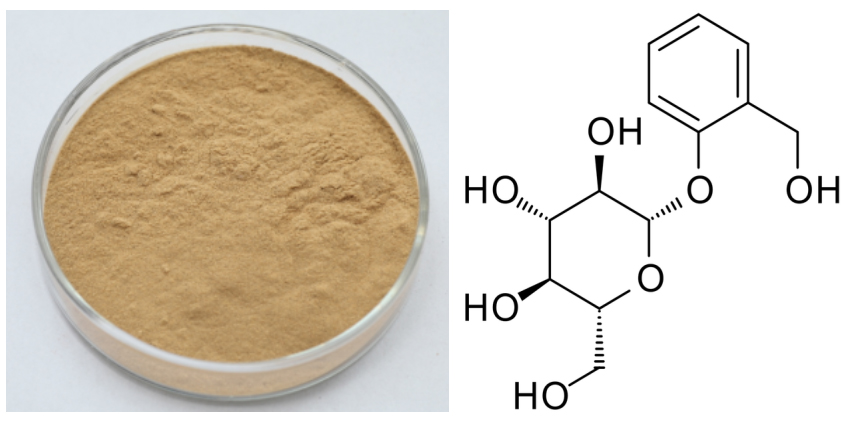
White Willow Bark Extract111

Brief Introduction

Salicin is a naturally occurring compound found in the bark of several species of trees, primarily North American in origin, that are from the willow, poplar, and aspen families. White willow, from whose Latin name, Salix alba, the term salicin is derived, is the most well known source of this compound, but it is found in a number of other trees, shrubs, and herbaceous plants as well being synthesized commercially. It is a member of the glucoside family of chemicals and is used as an analgesic and antipyretic. Salicin is used as a precursor for the synthesis of salicylic acid and acetylsalicylic acid, commonly known as aspirin.

A colorless, crystalline solid in its pure form, salicin has the chemical formula C13H18O7. Part of its chemical structure is equivalent to the sugar glucose, meaning it is classified as a glucoside. It is soluble, but not strongly so, in water and alcolhol. Salicin has a bitter taste and is a natural analgesic and antipyretic, or fever reducer. In large quantities, it can be toxic, and overdoses may lead to liver and kidney damage. In its raw form, it may be mildly irritating to skin, respiratory organs, and eyes.

Function

1. Salicin is used to ease pain and reduce inflammation.

2. Relieve acute and chronic pain, including headache, back and neck pain, muscle aches, and menstrual cramps; Control arthritis discomforts.

3. Relieve acute and chronic pain.

4. It has the same effect on the body as aspirin without any of the side effects.

5. It is an anti-inflammatory, a fever reducer, an analgesic, an anti-rheumatic, and an astringent. Specifically, it helps to relieve headaches.

Application

1.Anti-inflammatory, anti-rheumatic,

2.Reduce a fever,

3.Use as an analgesic and astringent,

4.Relieve headache,

5.Ease pain caused by rheumatism, arthritis, and carpal tunnel syndrome.
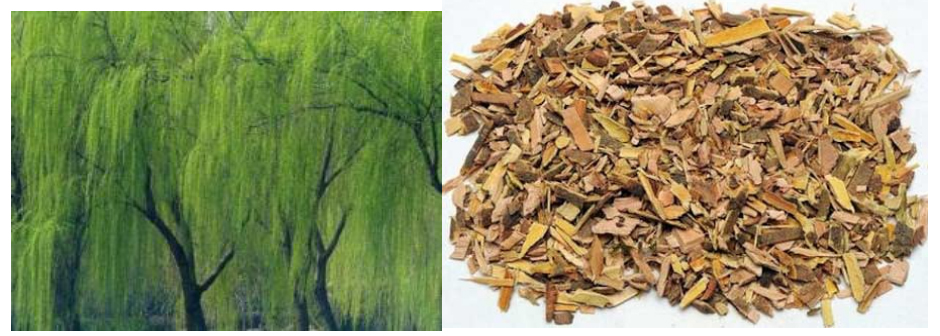
White Willow Bark Extract11122


Product detail pictures:

Professional China  White Willow Bark Extract Factory in Naples detail pictures


Related Product Guide:

we can easily offer you high-quality products and solutions, competitive rate and very best shopper support. Our destination is "You come here with difficulty and we give you a smile to take away" for Professional China White Willow Bark Extract Factory in Naples , The product will supply to all over the world, such as: Anguilla, Gambia, Belgium, We warmly welcome domestic and overseas customers to visit our company and have business talk. Our company always insists on the principle of "good quality, reasonable price, the first-class service". We are willing to build long-term, friendly and mutually beneficial cooperation with you.


  • Stevia grows best in upland areas in sub-tropical climate. In other places it can be grown as an annual. The plant prefers a lightly textured, well-drained soil to which organic matter has been added. It needs ample water so that the soil is consistently moist, but not wet. In hot, sunny climates it will do best in semi-shade. Propagation is from seed sown in spring, but germination rates can be low-expect half the seeds sown not to germinate. Plant seedlings out once all danger of frost is over. Leaves are best harvested just before flowering. The plants will also grow from cuttings,which are best taken in late winter.The concentration of stevioside in the leaves of Stevia increasing when the plants are grown under long day condition.While, cultivating stevia on a large scale, it can be grown in well-drained red soil and sandy loam soil. The soil should be in the pH range of 6.5-7.5. Saline soils should be avoided to cultivate this plant.

    Stevia can be successfully cultivated all around the year all over India expect theareas, which receive snowfall, or temperatures go below 5 degree Celsius in winter.The summer temperatures actually do not affect this plant if the high summer temperatures have already been factored in the cultivation practices.Since seed germination rate is very poor,it is propagated vegetative. Though stem cuttings are used for vegetative tissue culture plants have proven to be the best planting material for Stevia. Tissue culture plants of Stevia are genetically pure, free from pathogens and haveexcellent vigor. The tissue culture plants can be planted throughout the year,expect during peak summer. An ideal planting density is 40,000 plants per acre with spacing of 25×40 cm in a raised bed system. The soil can be enriched with abasal dressing of 25 tons of well rotten farmyard manure/hectare

    Soil Type
    Stevia requires very good drainage any soil that retain the moisture for very long period of time are unsuitable for Stevia cultivation and should be religiously avoided.Red soil and sandy loam with a 6-7 pH are best for the cultivation of Stevia.

    Raised bed preparation
    Forming raised beds is the most economical way to grow Stevia. The raised bed should be of 15 cm in height and 60 cm in width. The distance between each plant 23 cm. This would give a plant population of around 40,000 per acre.

    Planting Material
    There are basically two options for multiplication. The first is the tissue culture and second the stem cutting. Tissue culture is the best option but many farmers are tempted to try the stem cutting method for multiplication. As per practical experience, stem cutting is sometimes more expensive to produce than the tissue culture since the success rate of the stem cuttings establishment is very low, it takes minimum of 25 weeks for the stem cutting to develop in proper feeding roots for transplantation (younger stem cuttings transplants have shown more than 50% mortality in first few weeks of transplants in main field).

    Harvesting
    Another important aspect of harvesting is the timing of harvest. It should be noted that at no point of time plants should be allowed to flower since after flowering the Stevioside percentage goes down rapidly and leaves are rendered unmarketable. Leaves are harvested by plucking in a small quantity, or the entire plant with the side branches is cut leaving 10 to 15 cm from the base.The first harvesting can be done four to five months after planting. Subsequent harvesting can be done every three months, for five consecutive years. The sweetener in the leaf is maximum till the plant flowers. Just before flowering, the plant should be cut completely leaving 10 cm from the ground. The new flush of leaves will sprout from here. The new plant will be ready for harvest again in three months. The plant yields around 3000 kg of dried leaves from an acre of plantation every year. Harvesting should be done as late as possible, since cool autumn temperatures and shorter days tend to intensify the sweetness of the plants as they evolve into a reproductive state.

    Unlocking the sweetness in your harvest
    Once all leaves have been harvested it’s required to dry them. This can be
    accomplished on a net. The drying process is not one that requires excessive heat;more important is good air circulation. On a moderately warm fall day, stevia crop can be quick dried in the full sun in about 12 hours. (Drying times longer than that will lower the stevioside content of the final product.)
    Crushing the dried leaves is the final step in releasing stevia’s sweetening power. The
    dried leaves are powdered, sieved and the fine powder is stored in containers. This can be done either by hand or, for greater effect, in a coffee grinder or in a special blender for herbs.

    Web: https://www.natureherbs.org | www.natureherbs.co
    Email : natureherbs@ymail.com
    Watsapp: +91 841 888 5555
    Skype: nature.herbs


    10 Best Super Antioxidants Rich Fruits
    10. Red Apples
    9. Strawberries
    8. Blueberries
    7. Artichoke Hearts
    6. Kiwifruit
    5. Grapes
    4. Tomato
    3.Green Tea
    2. Walnuts
    1. Berries

    Berries
    Blueberries, raspberries and blackberries are rich in proanthocyanidins, antioxidants that can help prevent cancer and heart disease. Eat them frozen in a morning smoothie, toss a handful over your morning yogurt or cereal or enjoy them as an afternoon snack.

    Walnuts
    Just an ounce of walnuts, or 15 to 20 halves, is loaded with antioxidants. They’re also cholesterol-free and low in sodium and sugar. 100 grams of walnuts contain 15.2 grams of protein, 65.2 grams of fat, and 6.7 grams of dietary fiber. The protein in walnuts provides many essential amino acids.

    Green Tea
    Green tea contains high concentrations of catechin polyphenols. These compounds work in the body with other chemicals to heighten levels of fat oxidation and thermogenesis. Green tea has also been shown to be preventative against cancer, heart disease and high cholesterol.

    Tomato
    Tomatoes are by far the richest source of a powerful anticancer agent called lycopene. In fact, research has shown lycopene to be an even more powerful disease fighter than vitamin E and beta carotene. Lycopene needs fat for optimal absorption to occur. Therefore, putting the healthy fat olive oil in your spaghetti sauce is an excellent trick to increase your lycopene levels. Start including more tomatoes in your diet in the form of sliced, whole, canned, stewed or sauced tomatoes or tomato paste.

    Grapes
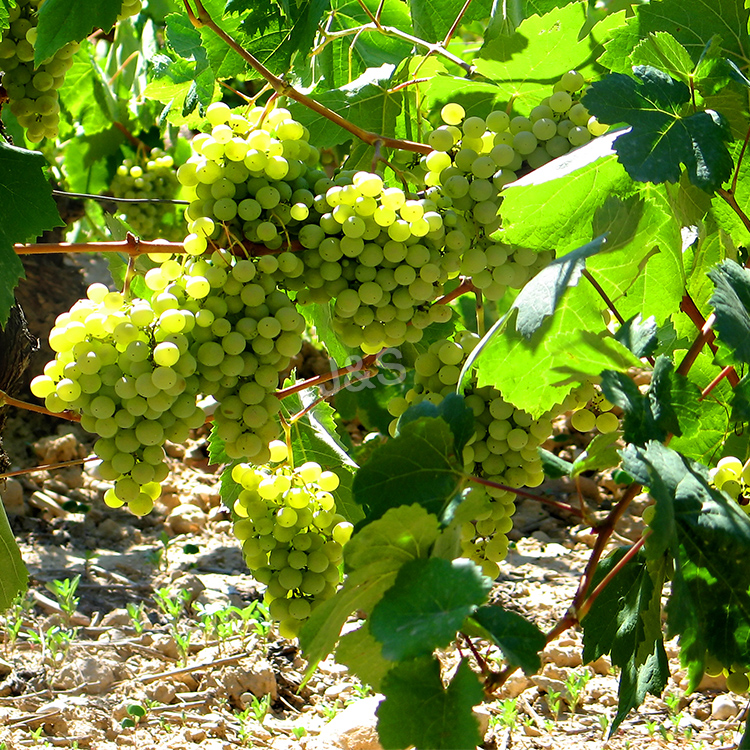
    The wealth of antioxidant nutrients in grapes is somewhat startling! In addition to providing us with conventional antioxidant nutrient like vitamin C and manganese, grapes are filled with antioxidant phytonutrients that range from common carotenoids like beta-carotene to unusual stilbenes like resveratrol, and the total number of different antioxidant nutrients in grapes runs well into the hundreds. It’s important to note that the seed and the skin contain the richest concentration of antioxidants. It’s very rare to find a higher concentration of an antioxidant in the fleshy part of the grape than is present in the seed or skin.

    Kiwifruit
    Kiwifruit emerged from our food ranking system as an excellent source of vitamin C. This nutrient is the primary water-soluble antioxidant in the body, neutralizing free radicals that can cause damage to cells and lead to problems such as inflammation and cancer. In fact, adequate intake of vitamin C has been shown to be helpful in reducing the severity of conditions like osteoarthritis, rheumatoid arthritis, and asthma, and for preventing conditions such as colon cancer, atherosclerosis, and diabetic heart disease. Our food ranking system also qualified kiwifruit as a very good source of dietary fiber.

    Artichoke Hearts
    The edible parts of the globe artichoke – that is, the juicy heart and the tender inner leaves of the immature flower bud – are right there on top of the list of vegetables with the strongest in-vitro antioxidant capacity. As you may know, antioxidants are beneficial substances that protect our bodies from cellular damage caused by free radicals. When eaten regularly as part of an overall healthy diet, antioxidant-rich foods such as artichoke hearts and leaves may provide anti-aging benefits and protection against degenerative diseases such as heart disease and Alzheimer’s disease.

    Blueberries
    Blueberries are not only popular, but also repeatedly ranked in the U.S. diet as having one of the highest antioxidant capacities among all fruits, vegetables, spices and seasonings. Antioxidants are essential to optimizing health by helping to combat the free radicals that can damage cellular structures as well as DNA. We recommend enjoying raw blueberries – rather than relying upon blueberries incorporated into baked desserts – because, like other fruits, raw blueberries provide you with the best flavor and the greatest nutritional benefits.

    Strawberries
    When only fruits were considered, strawberries came out 4th among all fruits. Recent research has shown strawberries to be a surprisingly fragile, perishable, and delicate fruit.

    Red Apples
    Apples are rich in antioxidant phyto-nutrients flavonoids and polyphenolics. The total measured anti-oxidant strength (ORAC value) of 100 g apple fruit is 5900 TE. Some of the important flavonoids in apples are quercetin, epicatechin, and procyanidin B2.

    This is a very professional and honest Chinese supplier, from now on we fell in love with the Chinese manufacturing.
    5 Stars By Christopher Mabey from Qatar - 2017.01.11 17:15
    The company's products can meet our diverse needs, and the price is cheap, the most important is that the quality is also very nice.
    5 Stars By Mag from Canada - 2017.08.18 18:38
    Write your message here and send it to us