Quality Inspection for Grape seed extract Factory in Panama
Quality Inspection for Grape seed extract Factory in Panama Detail:
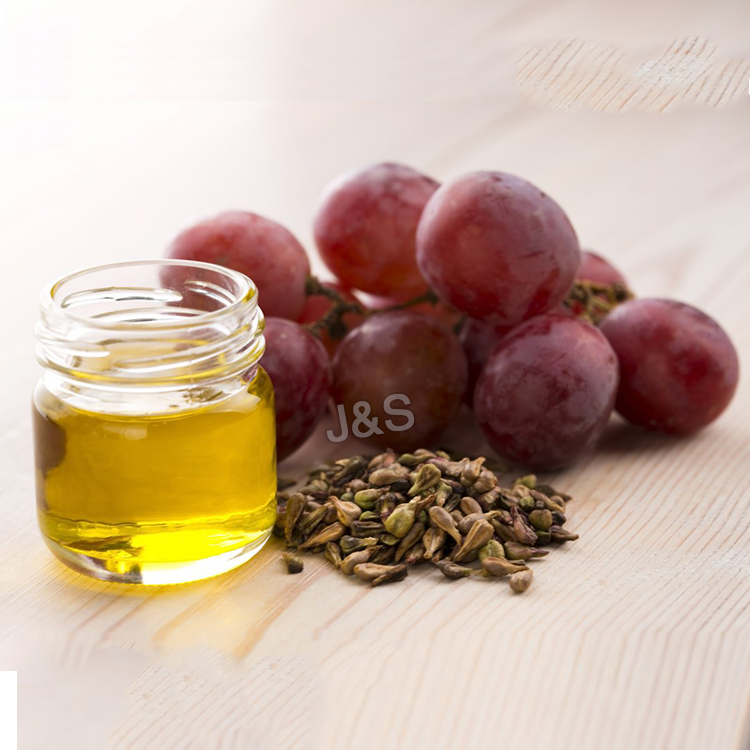
[Latin Name] Vitis vinifera Linn
[Plant Source] Grape seed from Europe
[Specifications] 95%OPCs;45-90% polyphenols
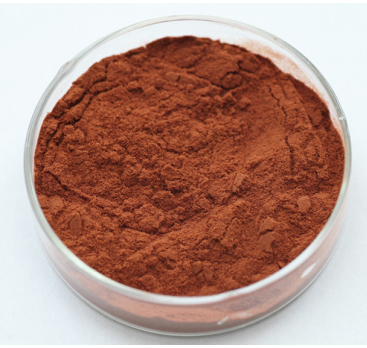
[Appearance] Red brown powder
[Plant Part Used]: seed
[Particle size] 80 Mesh
[Loss on drying] ≤5.0%
[Heavy Metal] ≤10PPM
[Pesticide residue] EC396-2005, USP 34, EP 8.0, FDA
[Storage] Store in cool & dry area, keep away from the direct light and heat.
[Shelf life] 24 Months
[Package] Packed in paper-drums and two plastic-bags inside.
[Gerneral feature]
- Our product has passed the ID test by ChromaDex, Alkemist Lab. and other
third-party authoritative testing institutions, such as detection;
2. The pesticide residues match (EC) No 396/2005 USP34, EP8.0, FDA and other foreign pharmacopoeia standards and regulations;
3. The heavy metals in strict accordance with the foreign pharmacopoeia standard controls, such as USP34, EP8.0, FDA, etc.;
4. Our company set up a branch and import raw materials directly from Europe with strict control of heavy metal and pesticide residue. Aslo ensure the procyanidins content in grape seed is more than 8.0%.
5. OPCs over 95%, polyphenol over 70%, high activity, the oxidation resistance is strong, the ORAC more than 11000.
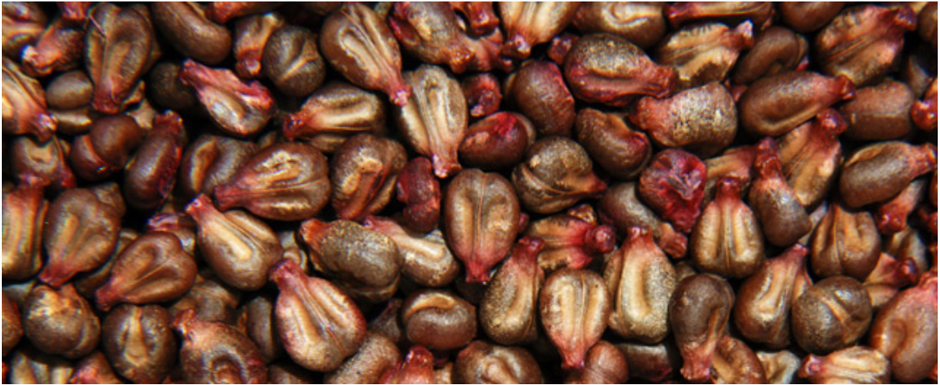
[Function]
Grapes (Vitis vinifera) have been heralded for their medicinal and nutritional value for thousands of years. Egyptians ate grapes a very long time back, and several ancient Greek philosophers spoke about the healing power of grapes — usually in the form of wine. European folk healers made an ointment from the sap of grapevines to treat skin and eye diseases. Grape leaves were used to stop bleeding, inflammation, and pain, such as the kind brought on by hemorrhoids. Unripe grapes were used to treat sore throats, and dried grapes (raisins) were used for constipation and thirst. Round, ripe, sweet grapes were used to treat a range of health problems including cancer, cholera, smallpox, nausea, eye infections, and skin, kidney, and liver diseases.
Grape seed extracts are industrial derivatives from whole grape seeds that have a great concentration of vitamin E, flavonoids, linoleic acid and phenolic OPCs. The typical commercial opportunity of extracting grape seed constituents has been for chemicals known as polyphenols having antioxidant activity in vitro.
Product detail pictures:
Related Product Guide:
With dependable high-quality method, fantastic standing and ideal purchaser assistance, the series of products produced by our firm are exported to many countries and regions for Quality Inspection for Grape seed extract Factory in Panama , The product will supply to all over the world, such as: Georgia, Peru, Plymouth, Should any of these items be of interest to you, please let us know. We'll be satisfied to give you a quotation upon receipt of one's detailed specifications. We have our personal experienced R&D enginners to meet any of one's requriements, We appear forward to receiving your enquires soon'and hope to have the opportunity to work together with you in the future. Welcome to check out our company.
Christian G. Krueger – CEO of Complete Phytochemical Solutions discusses the 4-(dimethylamino)cinnamaldehyde (DMAC) assay for quantification of soluble proanthocyanidins (PAC) and the butanol hydrochloric acid (BuOH-HCL) assay for quantification of insoluble PAC. Accurate quantification of total PAC is possible by choosing appropriate standard reference materials that reflect the natural structural features of PAC found in the fresh cranberry fruit.
This video is part of the Cranberry Beyond UTI playlist, hosted by celebrity news anchor Jennifer Ward of the Ward Wellness Report, and brought to you by Fruit d’Or Nutraceuticals with it’s line of unparalleled cranberry products and ingredients, Cran Naturelle & Cran d’Or. Visit Crannaturelle.ca for more information.
Here is a little science behind the tea with the source linked below it…
“”The White Pine was used in medicinal applications by several North American Indian tribes. The dried inner bark of the White Pine contains a glycoside, an oleoresin, a volatile oil, mucilage and tannin. Brewed as a diuretic and expectorant tea, it was used to treat diseases of the mucous membranes and respiratory problems such as colds, coughs and sore throats. White Pine bark powder and White Pine bark tea are still sold commercially for this purpose. As a poultice, the inner bark was used to treat skin complaints including wounds, burns and boils.”"
https://www.sierrapotomac.org/W_Needh…ine_060326.htm
“”White Pine Bark is an old and trusted remedy for colds and flu. It helps loosen and expel phlegm from the respiratory tract, easing bronchitis and lung congestion, and its warming qualities stimulate circulation, which may ward off colds and flu before they settle in. The high content of nature’s most powerful antioxidants (proanthocyanidins/PCSs/OPCs) in White Pine Bark have made it the focus of much attention in the area of combating free radicals, arteriosclerosis and strokes.”"
https://www.herbalextractsplus.com/white-pine-bark.cfm
Also of interest from the first link…
“”The inner bark of White Pine Bark (cambium) is the source of resveratrol, a polyphenolic phytoalexin, which is produced in plants that is reputed to have antifungal properties.
According to recent research (2008) from Peninsula Medical School, England, the resveratrol found in Pine Bark, Grape Skin and Red Wine can protect against cellular damage to blood vessels caused by high production of glucose in diabetes, claiming resveratrol’s antioxidant effects are well documented. But the new research establishes a link between high levels of glucose, its damaging effect on cell structure and the ability of resveratrol to protect against and mend such damage. Moreover, resveratrol could be a factor in blocking the damaging effect of glucose, which, in turn, might combat the often life-threatening complications that accompany diabetes and potentially be a basis of effective diet-based therapy for the prevention of vascular damage caused by hyperglycemia in the future.
In 2008, Italian researchers reported in Phytotherapy Research that supplements of Pine Bark extract may reduce the pain associated with arthritis of the knee by about fifty-five percent. The study also indicated an improvement in all osteoarthritis symptoms by fifty-six percent.
White Pine Bark is considered a diuretic, and as such, encourages the flow of urine, which is said to be very helpful in cases of urinary tract infections and kidney problems.”"
 By Afra from Uruguay - 2018.02.21 12:14
This company has a lot of ready-made options to choose and also could custom new program according to our demand, which is very nice to meet our needs.
By Beatrice from Melbourne - 2018.08.12 12:27