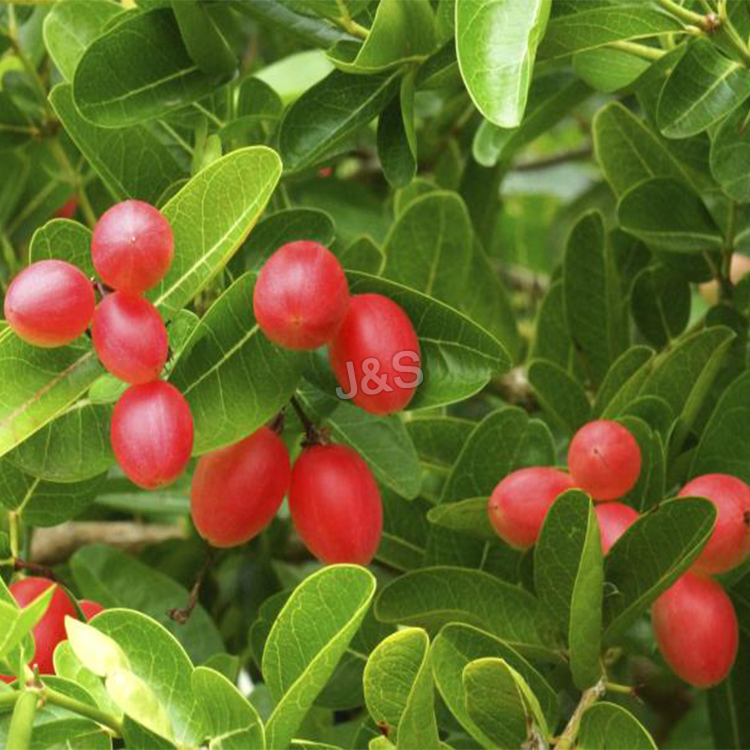
Special Design for Wolfberry Extract in Kenya
Special Design for Wolfberry Extract in Kenya Detail:
[Latin Name] Lycium barbarum L.
[Plant Source]from China
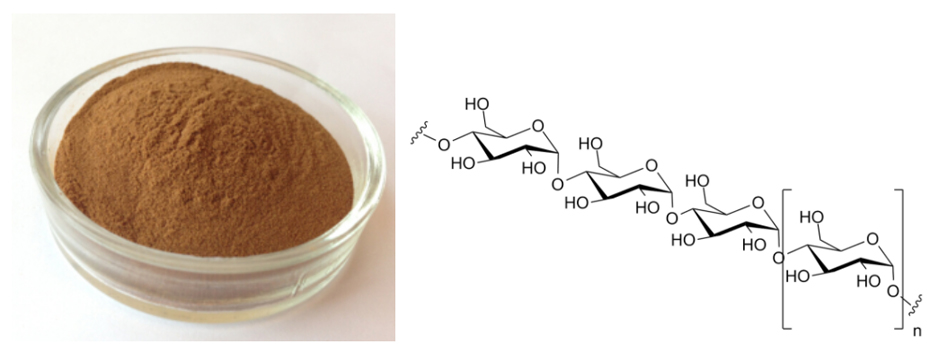
[Specifications]20%-90%Polysaccharide
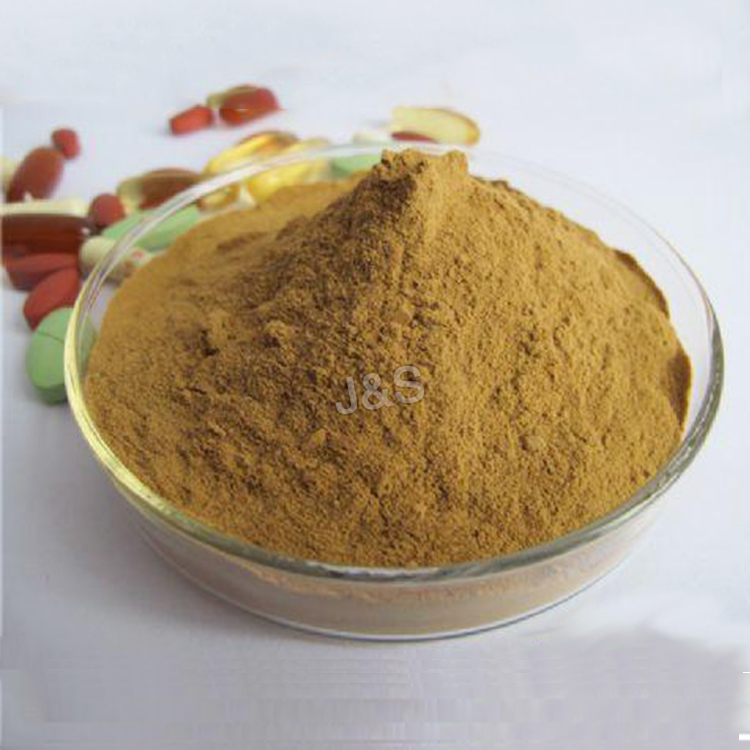
[Appearance] Reddish brown powder
Plant Part Used:Fruit
[Particle size] 80 Mesh
[Loss on drying] ≤5.0%
[Heavy Metal] ≤10PPM
[Shelf life] 24 Months
[Package] Packed in paper-drums and two plastic-bags inside.
[Net weight] 25kgs/drum
Product Description
The wolfberry is harvested when the fruit is orange red. After drying to the skin wrinkles, it is exposured to the skin moist and soft fruit, then removed the stem. Wolfberry is a kind of rare traditional Chinese medicine which is very rich in nutrients and has high medicinal value The materials contain not only such as iron, phosphorus, calcium, but also a lot of sugar, fat and protein. It also contains polysaccharide with good health care function to human body and germanium that is beneficial to human’s intelligence.
Function
1. With the function of regulating immune, inhibiting tumor growth and cell mutation;
2. With the function of lipid-lowering and anti-fatty liver;
3. Promoting the function of hematopoietic;
4. With the function of anti-tumor and anti-aging.
Applications:
1. Applied in food field, it can be produced into wine, canned, condensed juice and other more nourishment;
2. Applied in health product field , it can be made into suppositories, lotions, injection, tablets, capsules and other dosage forms to regulate immunity;
3. Applied in pharmaceutical field, effectively treating cancer, hypertension, cirrhosis and other diseases;
4. Applied in cosmetics field, it can prevent skin aging and improve skin elasticity.
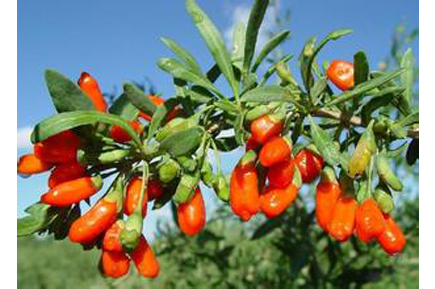
Product detail pictures:
Related Product Guide:
Our commission is to serve our buyers and purchasers with most effective good quality and aggressive portable digital goods for Special Design for Wolfberry Extract in Kenya , The product will supply to all over the world, such as: UK, Las Vegas, Vietnam, Our company is an international supplier on this kind of merchandise. We supply an amazing selection of high-quality merchandise. Our goal is to delight you with our distinctive collection of mindful items while providing value and excellent service. Our mission is simple: To supply the best items and service to our customers at the lowest prices possible.
Here you will find interesting information about :
OUR COMPANY: https://bit.ly/1RkzInX
OUR PRODUCTS: https://bit.ly/1PidSPo
OUR COMPENSATION PLAN: https://bit.ly/1W1BEB5 and
OUR SYSTEM: https://bit.ly/1QS7SNQ
Santé International The Barley Authority: https://bit.ly/1mG9XCi
Powered by Interactive Growth
read more on the link :
Researchers from Canada have found that having a diet of red meat, organ meats, soft drink and bottled water increased the risk of getting prostate cancer. They compared the diets of 80 men with prostate cancer, and 334 healthy men, and the diet just described more than doubled the risk of developing prostate cancer.
So what prostate diet can reduce the risk of prostate cancer? Swedish researchers examined the diet of 1499 men with prostate cancer and 1130 men who were healthy, and they published their findings in the Cancer Causes and Control journal. They found that eating foods rich in phytoestrogens decreased the risk of prostate cancer.
Phytoestrogens are plant molecules that have a weak estrogenic effect. They are made converted in the intestines from plant precursors by bacteria as they digest food. They are taken up by the same parts of the body that process the hormone estrogen.
Interestingly, one of the treatments for prostate cancer by doctors involves using estrogens to reduce the level of testosterone in men with advanced prostate cancer. It does this indirectly, through its effect on the hypothalamus, as less luteinizing hormone releasing hormone is produced by the hypothalamus. This means not as much luteinizing hormone is released by the body, which suppresses the production of testosterone.
High doses of estrogens for men can lead to cardiovascular complications. But phytoestrogens obtained from diet, in less quantities than a drug, and with a milder effect to start with, should not pose a problem. And researchers don’t yet know what exactly causes phytoestrogens to have such a protective effect, whether it is similar to that of the estrogen treatment for advanced prostate cancers. And they don’t know which phytoestrogens are the most active.
So what phytoestrogen foods could you include in a diet for a healthy prostate? Soy beans and nuts are a good source. Soy and nuts contain a type of phytoestrogen called isoflavones, whilst berries and seeds contain lignans. Foods could include peanuts, sunflower seeds, peanuts, and berries.
The only possible concerns with soy is that a study in mice found that male mice that had a type of heart disease that people also have, suffered heart failure when fed a soy based diet. Whether this extrapolates to the human population is yet to be established. But it may be wise for those me who have this particular genetic heart condition, dilated cardiomyopathy, to be cautious about soy products in their diet.
But for other men, soy products could be good news. A meta analysis, which is a study of related studies, published in the International Journal of Cancer, found that diets high in soy lowered men’s risk of prostate cancer by 30%.
Another important mineral to consider for men is zinc. Zinc is used by men’s bodies to make some of the male hormones, and for general prostate health. A deficiency in zinc can lead to problems with the testicles, the prostate, and the health of the sperm. Foods that are great sources of zinc include seeds like pumpkin, sesame, and sunflower; nuts like almonds, brazil, cashews and walnuts; and foods like lettuce, oats and onions. Raw onion is particularly suggested by Paul Bedson, a natural therapist. He also suggests vegetable juice made of equal parts of beetroot, carrot, and cucumber in cases where the prostate gland is enlarged. Cranberry juice, a cup drunk three times a day, is also recommended in this case.
prostate, prostrate, cancer, prostate cancer, diagnosing prostate cancer, symptoms of prostate cancer, information on prostate cancer, prostate cancer treatment, mens cancer, men’s cancer, PSA, psa, therapy, hormone, symptoms, prostatectomy, brachytherapy, cryosurgery, metastatic, 3D conformal, information, diet, research, radiation, radiotherapy, prevention, screening, localised, support, surgery, awareness, treatment, advanced, donation, symptom, bracytherapy, prostatic, gleason, tookit, Tool Kit, gleason score, biopsy, psa test, prostate gland, prostate specific antigen, HIFU, hifu, bisphosphonates, cryotherapy, health professionals, charity, men, campaigning, fundraising, gland, helpline, prostate cancer publications, prostate cancer booklets, diagnosed, palliative radiotherapy, chemotherapy, continence, events, fundraise, campaign, specialist nurses, african caribbean, prostate cancer charity, prostate cancer symptoms, trus, prostate problems, prostate cancer awareness month, prostate biopsy, gleason grading, DRE, BPH, prostatitis, localised prostate cancer, locally advanced prostate cancer, advanced prostate cancer, active surveillance, hormone therapy, high dose rate brachytherapy, bisphosphonates, palliative radiotherapy, clinical trials, HIFU,Prostate cancer, PSA,prostate cancer, oncology, medical animation, health app, educational, prostate cancer animated video, prostate cancer information, prostate cancer video
 By tobin from Tunisia - 2017.04.08 14:55
Cooperate with you every time is very successful, very happy. Hope that we can have more cooperation!
By Maggie from Czech Republic - 2018.11.22 12:28