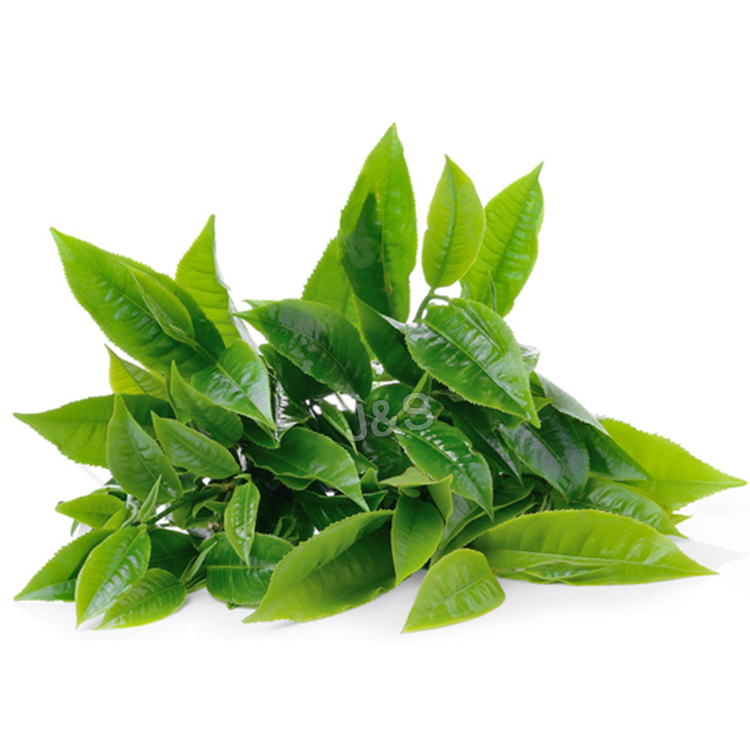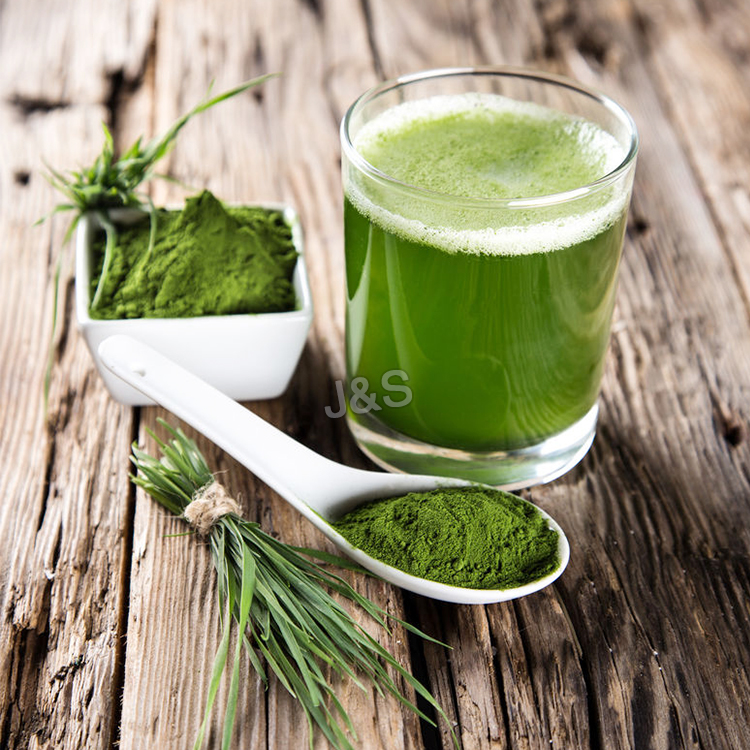
Wholesale Dealers of Barley Grass Powder in Czech Republic
Wholesale Dealers of Barley Grass Powder in Czech Republic Detail:
Barley Grass Powder
Key Words: Organic barley grass powder;Barley grass juice powder
[Latin Name] Hordeum vulgare L.
[Plant Source] Barley Grass
[Solubility] Free soluble in water
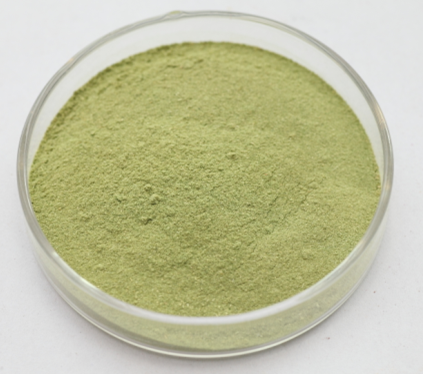
[Appearance] Green fine powder
Plant Part Used: Grass
[Particle size]100 Mesh-200Mesh
[Loss on drying] ≤5.0%
[Heavy Metal] ≤10PPM
[Pesticide residue] EC396-2005, USP 34, EP 8.0, FDA
[Storage] Store in cool & dry area, keep away from the direct light and heat.
[Shelf life] 24 Months
[Package] Packed in paper-drums and two plastic-bags inside.
[Net weight] 25kgs/drum
[What is Barley ?]
Barley is an annual grass. Barley grass is the leaf of the barley plant, as opposed to the grain. It is capable of growing in a wide range of climatic conditions. Barley grass has greater nutritional value if harvested at a young age.
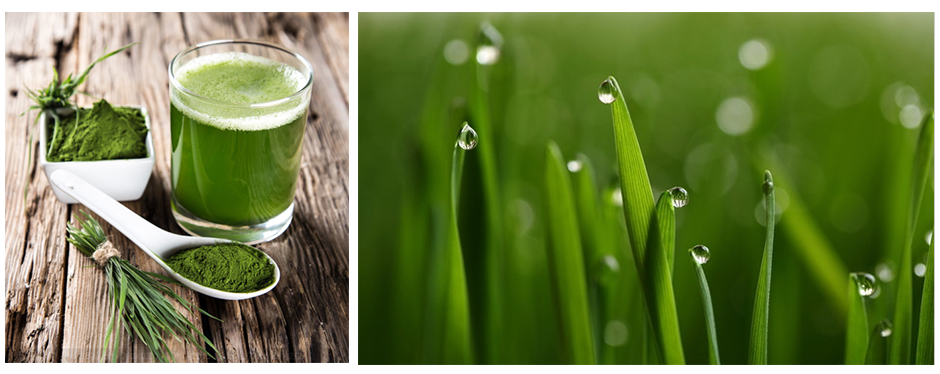
The fiber in barley might lower cholesterol and blood pressure in people with high cholesterol. Barley may also reduce blood sugar and insulin levels. Barley seems to slow stomach emptying. This could help keep blood sugar stable and create a sensation of being full, which might help to control appetite.
[Function]
1. Improves energy naturally
2. Rich in antioxidants
3. Improves digestion & regularity
4. Alkalizes the internal body
5. Helps rebuild the immune system
6. Provides raw building blocks for hair, skin and nails
7. Contains detoxification and cleansing properties
8. Contains anti-inflammatory ingredients
9. Promotes clear thinking
10. Has anti-aging properties
Product detail pictures:
Related Product Guide:
Our pros are lessen prices,dynamic sales team,specialised QC,sturdy factories,top quality services and products for Wholesale Dealers of Barley Grass Powder in Czech Republic , The product will supply to all over the world, such as: Swiss, Irish, Costa rica, They are sturdy modeling and promoting effectively all over the world. Never ever disappearing major functions within a quick time, it's a have to for you of fantastic good quality. Guided by the principle of Prudence, Efficiency, Union and Innovation. the corporation. ake an excellent efforts to expand its international trade, raise its organization. rofit and raise its export scale. We are confident that we have been going to have a bright prospect and to be distributed all over the world in the years to come.
Stevia grows best in upland areas in sub-tropical climate. In other places it can be grown as an annual. The plant prefers a lightly textured, well-drained soil to which organic matter has been added. It needs ample water so that the soil is consistently moist, but not wet. In hot, sunny climates it will do best in semi-shade. Propagation is from seed sown in spring, but germination rates can be low-expect half the seeds sown not to germinate. Plant seedlings out once all danger of frost is over. Leaves are best harvested just before flowering. The plants will also grow from cuttings,which are best taken in late winter.The concentration of stevioside in the leaves of Stevia increasing when the plants are grown under long day condition.While, cultivating stevia on a large scale, it can be grown in well-drained red soil and sandy loam soil. The soil should be in the pH range of 6.5-7.5. Saline soils should be avoided to cultivate this plant.
Stevia can be successfully cultivated all around the year all over India expect theareas, which receive snowfall, or temperatures go below 5 degree Celsius in winter.The summer temperatures actually do not affect this plant if the high summer temperatures have already been factored in the cultivation practices.Since seed germination rate is very poor,it is propagated vegetative. Though stem cuttings are used for vegetative tissue culture plants have proven to be the best planting material for Stevia. Tissue culture plants of Stevia are genetically pure, free from pathogens and haveexcellent vigor. The tissue culture plants can be planted throughout the year,expect during peak summer. An ideal planting density is 40,000 plants per acre with spacing of 25×40 cm in a raised bed system. The soil can be enriched with abasal dressing of 25 tons of well rotten farmyard manure/hectare
Soil Type
Stevia requires very good drainage any soil that retain the moisture for very long period of time are unsuitable for Stevia cultivation and should be religiously avoided.Red soil and sandy loam with a 6-7 pH are best for the cultivation of Stevia.
Raised bed preparation
Forming raised beds is the most economical way to grow Stevia. The raised bed should be of 15 cm in height and 60 cm in width. The distance between each plant 23 cm. This would give a plant population of around 40,000 per acre.
Planting Material
There are basically two options for multiplication. The first is the tissue culture and second the stem cutting. Tissue culture is the best option but many farmers are tempted to try the stem cutting method for multiplication. As per practical experience, stem cutting is sometimes more expensive to produce than the tissue culture since the success rate of the stem cuttings establishment is very low, it takes minimum of 25 weeks for the stem cutting to develop in proper feeding roots for transplantation (younger stem cuttings transplants have shown more than 50% mortality in first few weeks of transplants in main field).
Harvesting
Another important aspect of harvesting is the timing of harvest. It should be noted that at no point of time plants should be allowed to flower since after flowering the Stevioside percentage goes down rapidly and leaves are rendered unmarketable. Leaves are harvested by plucking in a small quantity, or the entire plant with the side branches is cut leaving 10 to 15 cm from the base.The first harvesting can be done four to five months after planting. Subsequent harvesting can be done every three months, for five consecutive years. The sweetener in the leaf is maximum till the plant flowers. Just before flowering, the plant should be cut completely leaving 10 cm from the ground. The new flush of leaves will sprout from here. The new plant will be ready for harvest again in three months. The plant yields around 3000 kg of dried leaves from an acre of plantation every year. Harvesting should be done as late as possible, since cool autumn temperatures and shorter days tend to intensify the sweetness of the plants as they evolve into a reproductive state.
Unlocking the sweetness in your harvest
Once all leaves have been harvested it’s required to dry them. This can be
accomplished on a net. The drying process is not one that requires excessive heat;more important is good air circulation. On a moderately warm fall day, stevia crop can be quick dried in the full sun in about 12 hours. (Drying times longer than that will lower the stevioside content of the final product.)
Crushing the dried leaves is the final step in releasing stevia’s sweetening power. The
dried leaves are powdered, sieved and the fine powder is stored in containers. This can be done either by hand or, for greater effect, in a coffee grinder or in a special blender for herbs.
Web: https://www.natureherbs.org | www.natureherbs.co
Email : natureherbs@ymail.com
Watsapp: +91 841 888 5555
Skype: nature.herbs
Prostate cancer is the most common cancer and the second leading cause of cancer-related deaths among men in the United-States. The prostate is a walnut-sized gland behind the base of a man’s penis and below the urinary bladder. Its function is to make seminal fluid, which is the liquid in semen that protects, supports, and helps transport sperm.
In this video will talk about some of the natural ways to reduce your risk of prostate-cancer.
1.Learn about personal risk factors. Some of the major personal risk factors for prostate cancer are age and family history. The risk of prostate cancer increases the older you get. Although approximately 75% of the cases of prostate-cancer have no pattern or order, about 20% of those with prostate-cancer have had cases of the disease in their family previously. More than 80% of prostate-cancers are diagnosed in men over the age of 65.
2.Exercise regularly. One great way to possibly reduce the risk of prostate-cancer is to exercise. Some studies even indicate that your risk of cancer decreases further the more vigorous you exercise. You should do aerobic-exercise at least 30 minutes per day for 5-6 days out of the week.
3.Have sex more often. Another way that you can reduce your risk of prostate-cancer is to have more sex. According to an Australian study, if you masturbate 3 or more times per week, you are 34% less likely to develop prostate-cancer by age 70. Along the same lines, sex also counts toward the total number of weekly ejaculations.
• The finding could be explained by the flushing out of cancer-causing agents during ejaculation
3.Reduce the amount of fat you eat. You can reduce your risk of prostate-cancer by making dietary changes. In order to help lower your chance of getting prostate-cancer, you should eat a diet that is low in fat. According to numerous studies, there is an established link between a diet high in saturated-fat and the development of prostate-cancer.
• In general, fats should not exceed 30% of total daily-caloric intake
4.Increase your soy intake. Increasing the consumption of soy products is another dietary option to consider to reduce the risk of prostate-cancer. Soy products contain isoflavones, which are natural compounds that act like estrogens. In laboratory tests, they have been proven to inhibit the growth of prostate-cancer cells.
• Try to incorporate soy products such as soymilk, tempeh, miso, and tofu into your diet.
5.Brew green tea. Drinking green-tea may also reduce the risk of prostate-cancer. Brewed green-tea contains high levels of polyphenol compounds, particularly catechins, that may be protective against prostate-cancer. Try to brew yourself a cup with breakfast or lunch to help lower your risk of cancer
6.Increase natural vitamins and minerals. There are some supplements that will naturally help you fight prostate-cancer. Naturally occurring folate, a B vitamin, has been shown to reduce the risk of prostate-cancer. You should not take folic-acid, which is a synthetic form of folate, because it has been found to increase the risk of prostate-cancer.
NOTE: The materials and the information contained on Natural ways channel are provided for general and educational purposes only and do not constitute any legal, medical or other professional advice on any subject matter. None of the information on our videos is a substitute for a diagnosis and treatment by your health professional. Always seek the advice of your physician or other qualified health provider prior to starting any new diet or treatment and with any questions you may have regarding a medical condition. If you have or suspect that you have a medical problem, promptly contact your health care provide.
google plus: https://plus.google.com/b/113379601003474436812/113379601003474436812
Images licensed under Creative Commons:
www.wikihow.com
www.pixabay.com
www.flickr.com
www.publicdomainpictures.net
The customer service reprersentative explained very detailed, service attitude is very good, reply is very timely and comprehensive, a happy communication! We hope to have a opportunity to cooperate.