Wholesale price for Elderberry Extract Supply to Malawi
Wholesale price for Elderberry Extract Supply to Malawi Detail:
[Latin Name] Sambucus nigra
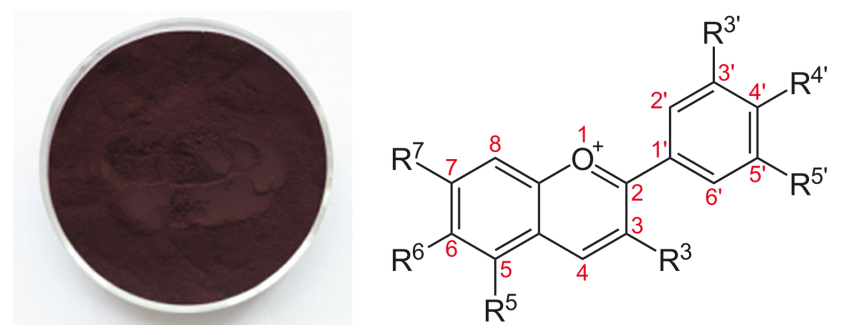
[Specification] Anthocyanidins15% 25% UV
[Appearance] Purple fine powder
Plant Part Used: Fruit
[Particle size] 80Mesh
[Loss on drying] ≤5.0%
[Heavy Metal] ≤10PPM
[Storage] Store in cool & dry area, keep away from the direct light and heat.
[Shelf life] 24 Months
[Package] Packed in paper-drums and two plastic-bags inside.
[Net weight] 25kgs/drum
[What is elderberry extract?]
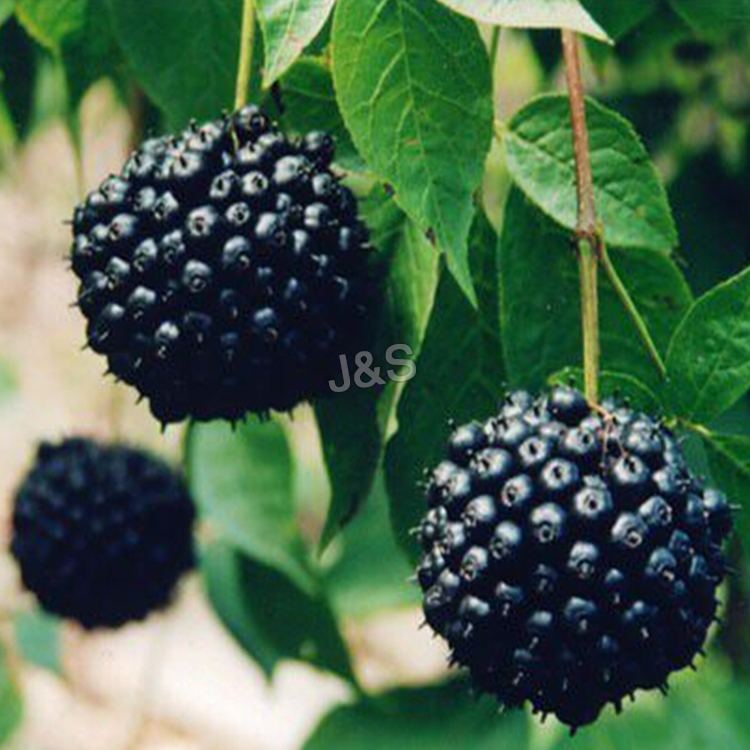
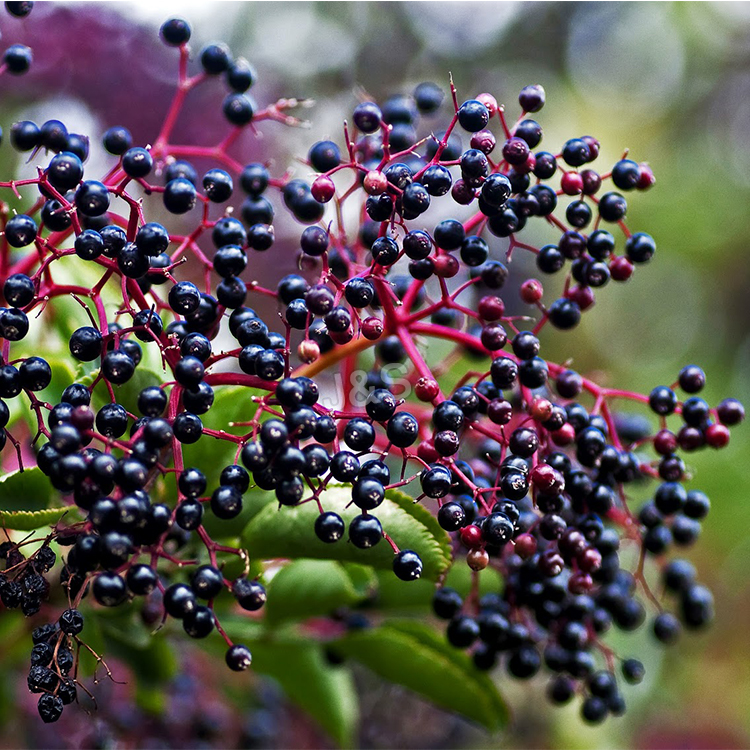
Elderberry extract comes from the fruit of the Sambucus nigra or Black Elder, a species found in Europe, Western Asia, North Africa, and North America. Called “the medicine chest of the common people,” Elder flowers, berries, leaves, bark, and roots have all been used for centuries in traditional folk medicines.Elder fruit contains vitamins A, B and C, flavonoids, tannins, carotenoids, and amino acids. Elderberry is believed to possess therapeutic uses as an anti-inflammatory, diuretic, and immuno-stimulant.
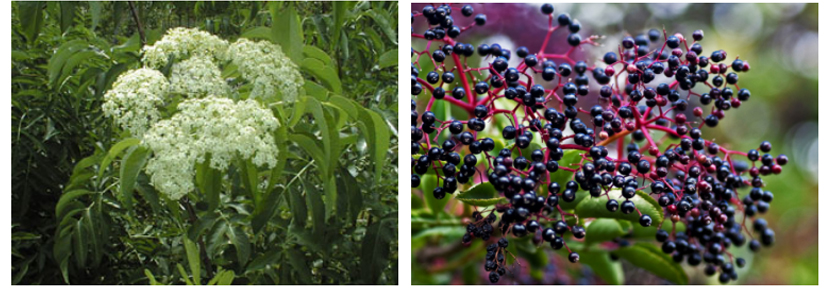
[Function]
1. As medicine raw material: It can promote the healing of gastrointestinal ulcers; It can be used for acute and chronic hepatitis and hepatitis evocable hepatomegaly, hepatocirrhosis; promote the healing of liver function.
2. As foodstuff colorant: Widely used in cakes, beverage, candy, ice cream etc..
3. As chemical raw material for daily use: Widely used in many kinds of green medicine toothpastes and cosmetics.
Product detail pictures:
Related Product Guide:
Persisting in "High top quality, Prompt Delivery, Aggressive Price", now we have established long-term cooperation with customers from the two overseas and domestically and get new and aged clients' large comments for Wholesale price for Elderberry Extract Supply to Malawi , The product will supply to all over the world, such as: Malaysia, Australia, Montreal, Taking the core concept of "to be the Responsible". We'll redound up on society for high quality merchandise and good service. We will initiative to participate in international competition to be a first- class manufacturer of this product in the world.
https://www.nutritionforest.com/pomegranate-extract.html
https://www.nutritionforest.com
Nutrition Forest Pomegranate Extract 500mg
Pomegranate, a juicy and toothsome fruit is cultivated in many areas which basically are available in winter season. Pomegranate, botanical name Punica Granatum, holds a compound called punicalagin which is expedient for anti-aging and skin lines, dullness. It also inhibits cardiovascular disease, supports normal blood pressure and help in reducing cholesterol.
Pomegranate extract is a powerful antioxidant which is wholesome not only for keeping heart healthy but blood vessels also. According to the study pomegranate juice has been found three times antioxidants more than red wine and green tea.
Pomegranate extract is extremely beneficial for skin problems. Pomegranate juice comprises of frolic acid, Vitamin C, Vitamin E, Vitamin K and minerals like iron and potassium. Vitamin C and Vitamin E are essential for our radiant skin. These vitamins are benign in skin rejuvenation, removing dullness and dead skin, wrinkles, fine lines and scars. Iron removes paleness of skin and also assists to sharpen brain.
Many cultures use pomegranate as a folk medicine. Pomegranate is native to Iran. It is primarily cultivated in Mediterranean counties, parts of the United States, Afghanistan, Russia, India, China, and Japan. You’ll see pomegranate in some royal and medical coats of arms.
How does it work?
Pomegranate contains a variety of chemicals that might have antioxidant effects. Some preliminary research suggests that chemicals in pomegranate juice might slow the progression of atherosclerosis (hardening of the arteries) and possibly fight cancer cells. But it is not known if pomegranate has these effects when people drink the juice.
pomegranate
pomegranate seeds
how to eat a pomegranate
benefits of pomegranate
pomegranates
how to eat pomegranate
pomegranate recipes
pomegranate health benefits
pomegranate fruit
pomegranate juice benefits
benefits of pomegranate juice
pomegranate nutrition
health benefits of pomegranate
how to make pomegranate juice
pomegranate calories
pomegranate arils
pomegranate season
calories in pomegranate
pomegranate juice recipe
pomegranate smoothie
pomegranate how to eat
how do you eat a pomegranate
pomagranate
anar fruit
pomegranate molasses recipe
pomegranate flower
is pomegranate juice good for you
is pomegranate good for you
pomegranate toronto
benefit of pomegranate
what is pomegranate good for
are pomegranates good for you
pomegranate juice side effects
pomegranate nutrition facts
pomegranet
calories in a pomegranate
benefits of eating pomegranate
pomegranate seeds benefits
pomegranate health
Top 10 Natural Sweeteners & Sugar Alternatives
The average American is taking in 400 calories a day from added sugars! And while the consumption of refined sugar is on the rise, so are artificial sweeteners. Artificial sweeteners like aspartame, sucralose (Splenda), ACE K and saccharin have been debated for years in regard to their damaging side effects. (1)
While all of these sweeteners are technically “safe,” according to the FDA, they are coming under increased scrutiny because of their side effects. Side effects from artificial sweeteners range from headaches and migraines to shrunken thymus glands, impairment of liver and kidney function, and mood disorders.
Refined sugars aren’t healthy either. Side effects of refined sugars include diabetes, tooth decay, obesity, heart disease, certain types of cancer and even poor cognitive functioning.(2) (3) (4)
Over the last few years, corn growers and affiliated associations have pushed high fructose corn syrup as a natural sweetener. This is simply not true. The vast majority of HFCS is produced from genetically modified corn.
Fructose is a simple sugar that is rapidly metabolized by the liver causing a “sugar high.” This quick-acting sugar is believed to lead to increased storage of fat in the liver, resulting in non-alcoholic fatty liver disease, digestive upset and atherosclerosis. (5)
Fortunately, there are natural sweeteners that are healthy and tasty alternatives to refined sugar, high fructose corn syrup, and artificial sweeteners. According to a study in the Journal of the American Dietetic Association, substituting healthy sweeteners — including blackstrap molasses, maple syrup and honey — can increase the antioxidant intake. (6)
This study shows that replacing 130 grams a day of refined sugars (the average intake) with healthy alternative natural sweeteners can increase the amount of antioxidants you consume each day, in amounts similar to that of consuming berries and nuts.
Top 10 Natural Sweeteners
Raw Honey (1 tablespoon – 64 calories)
Stevia (0 calories)
Dates (1 Medjool Date – 66 calories)
Coconut Sugar (1 tablespoon – 45 calories)
Maple Syrup (1 tablespoon – 52 calories)
Blackstrap Molasses (1 tablespoon – 47 calories)
Balsamic Glaze (1 tablespoon – 20-40 calories depending on thickness)
Banana Puree (1 cup – 200 calories)
Brown Rice Syrup (1 tablespoon – 55 calories)
Real Fruit Jam (varies depending on fruit)
1. Raw Honey
Raw honey is a true superfood and one of my favorite natural sweeteners. It’s packed with enzymes, antioxidants, iron, zinc, potassium, calcium, phosphorous, vitamin B6, riboflavin and niacin. Together, these essential nutrients help to neutralize free radicals while promoting the growth of healthy bacteria in the digestive tract.
One tablespoon of raw honey has 64 calories and has less impact on glycemic load than a single banana. It’s important to note that these are the benefits of raw honey. Once honey has been pasteurized, it loses the many of the health benefits that raw honey brings to the table.
Look for local raw honey at farmer markets and directly from local beekeepers. The darker the honey, the richer the flavor and the greater the health benefits.
How to use raw honey:
First, don’t cook with raw honey. Drizzle it on breakfast cereals, over your sprouted grain toast, on yogurt and for salad dressings.
You want to maintain as many of the nutrients in honey as possible, so keep it away from the heat. If you enjoy honey in your tea or coffee, wait until the drink is just tepid enough to sip comfortably, and then add honey to taste.
2. Stevia
Stevia is native to South America and has been used for hundreds of years in that region to support healthy blood sugar levels and prompt weight loss.
Today, stevioside, the element in the leaves that makes it more than 200 times as sweet as sugar, is available in liquid drops, packets, dissolvable tablets and baking blends. It has zero calories, zero carbohydrates and none of the nasty side effects of artificial sweeteners, making it an ideal natural sweetener.
Stevia is related to the sunflower, and some people experience a slight metallic aftertaste. If that has been your experience with stevia in the past, try a brand that is higher in the steviosides. Many find it to be sweeter, without a residual aftertaste.
How to use stevia:
Unlike raw honey, stevia is heat stable, so feel free to use it in any way you desire. Remember, it’s 200 times sweeter than sugar, so don’t use it in the same ratio.
For baking, this can present a problem, as refined sugar gives bulk to recipes. However, this can be easily rectified. To make up for the lost bulk when using stevia, use 1/3 to ½ cup of one of the following bulking agents: fresh fruit puree, yogurt, roasted winter squash, two whipped egg whites, or you can use 1–2 tablespoons of coconut flour.
It can be said that this is a best producer we encountered in China in this industry, we feel lucky to work with so excellent manufacturer.