Wholesale price stable quality Pine bark Extract Wholesale to Laos
Wholesale price stable quality Pine bark Extract Wholesale to Laos Detail:
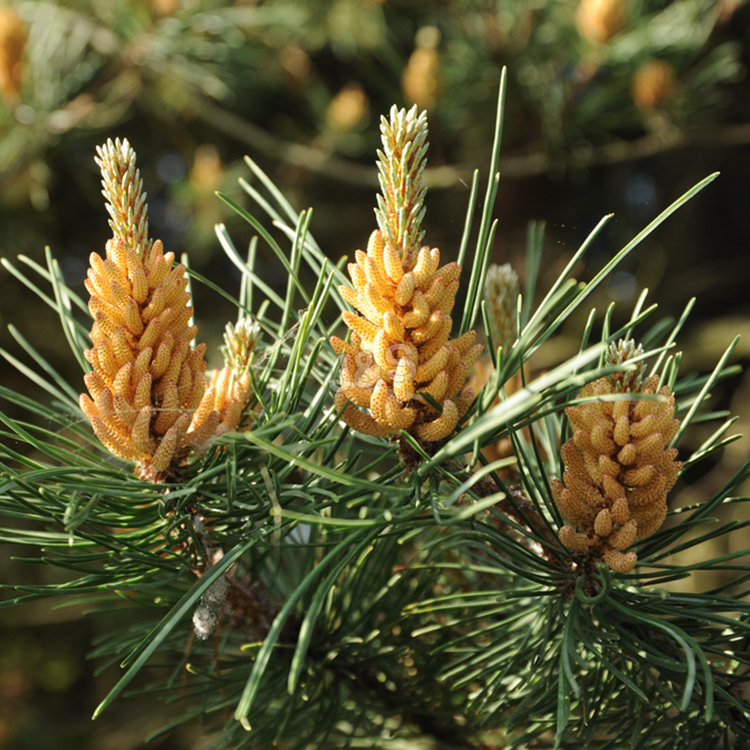
[Latin Name] Pinus pinaster.
[Specification] OPC ≥ 95%
[Appearance] Red brown fine powder
Plant Part Used: Bark
[Particle size] 80Mesh
[Loss on drying] ≤5.0%
[Heavy Metal] ≤10PPM
[Storage] Store in cool & dry area, keep away from the direct light and heat.
[Shelf life] 24 Months
[Package] Packed in paper-drums and two plastic-bags inside.
[Net weight] 25kgs/drum
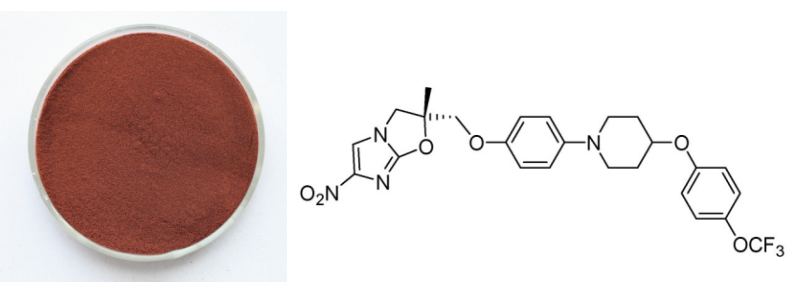
[What is Pine bark?]
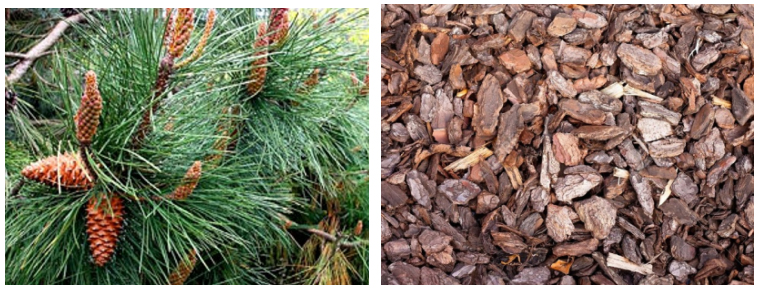
Pine bark, botanical name Pinus pinaster, is a maritime pine native to southwest France that also grows in countries along the western Mediterranean. Pine bark contains a number of beneficial compounds that are extracted from the bark in a way that doesn’t destroy or damage the tree.
[How does it work?]
What gives pine bark extract its notoriety as a powerful ingredient and super antioxidant is that it’s loaded with oligomeric proanthocyanidin compounds, OPCs for short. The same ingredient can be found in grape seeds, the skin of peanuts and witch hazel bark. But what makes this miracle ingredient so amazing?
While OPCs found in this extract are mostly known for their antioxidant-producing benefits, these amazing compounds exude antibacterial, antiviral, anticarcinogenic, anti-aging, anti-inflammatory and anti-allergic properties. Pine bark extract can help reduce muscle soreness and may help improve conditions relating to poor circulation, high blood pressure, osteoarthritis, diabetes, ADHD, female reproductive issues, skin, erectile dysfunction, eye disease and sports stamina.
Seems like it must be pretty amazing, but let’s look closer. The list goes on a bit further, as the OPCs in this extract may “inhibit lipid peroxidation, platelet aggregation, capillary permeability and fragility, and to affect enzyme systems,” which basically means it may be a natural treatment for many serious health conditions, such as stroke and heart disease.
[Function]
- Lowers Glucose Levels, Improving Diabetic Symptoms
- Helps Prevent Hearing Loss and Balance
- Staves Off Infections
- Protects the Skin from Ultraviolet Exposure
- Decreases Erectile Dysfunction
- Reduces Inflammation
- Helps Increase Athletic Performance
Product detail pictures:
Related Product Guide:
We attempt for excellence, support the customers", hopes to become the top cooperation team and dominator enterprise for staff, suppliers and shoppers, realizes worth share and continual marketing for Wholesale price stable quality Pine bark Extract Wholesale to Laos , The product will supply to all over the world, such as: Turkey, California, Accra, We have constructed strong and long co-operation relationship with an enormous quantity of companies within this business in Kenya and overseas. Immediate and specialist after-sale service supplied by our consultant group has happy our buyers. Detailed Info and parameters from the merchandise will probably be sent to you for any thorough acknowledge. Free samples may be delivered and company check out to our corporation. n Kenya for negotiation is constantly welcome. Hope to get inquiries type you and construct a long-term co-operation partnership.
June 14, 2016 (Persian calendar 1395/3/25)
Mazandaran province (استان مازندران)
https://en.wikipedia.org/wiki/Mazandaran_Province
Sari county (شهرستان ساري)
https://en.wikipedia.org/wiki/Sari_County
Stevia استويا is a sweetener and sugar substitute extracted from the leaves of the plant species Stevia rebaudiana.
The active compounds of stevia are steviol glycosides (mainly stevioside and rebaudioside), which have up to 150 times the sweetness of sugar, are heat-stable, pH-stable, and not fermentable. These steviosides have a negligible effect on blood glucose, which makes stevia attractive to people on carbohydrate-controlled diets. Stevia’s taste has a slower onset and longer duration than that of sugar, and some of its extracts may have a bitter or licorice-like aftertaste at high concentrations.
The legal status of stevia extracts as food additives and supplements varies from country to country. In the United States, stevia was banned in 1991 after early studies found that it might be carcinogenic; after additional studies, the FDA approved some specific glycoside extracts for use as food additives in 2008. The European Union approved stevia additives in 2011, and in Japan, stevia has been widely used as a sweetener for decades.
 By Gwendolyn from Benin - 2018.09.23 17:37
The product classification is very detailed that can be very accurate to meet our demand, a professional wholesaler.
By Mark from Sierra Leone - 2017.05.31 13:26