11 Years Factory wholesale Phytosterol in Laos
11 Years Factory wholesale Phytosterol in Laos Detail:
[Latin Name] Glycine max(L.) Mere
[Specification] 90%; 95%
[Appearance] White powder
[Melting point] 134-142℃
[Particle size] 80Mesh
[Loss on drying] ≤2.0%
[Heavy Metal] ≤10PPM
[Storage] Store in cool & dry area, keep away from the direct light and heat.
[Shelf life] 24 Months
[Package] Packed in paper-drums and two plastic-bags inside.
[Net weight] 25kgs/drum
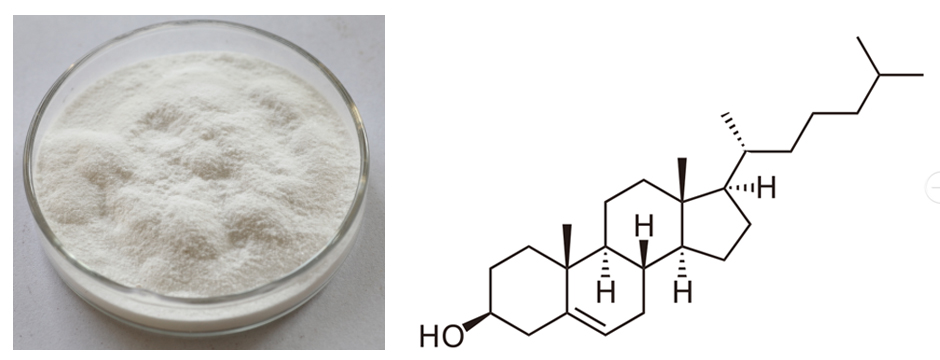
[What is Phytosterol?]
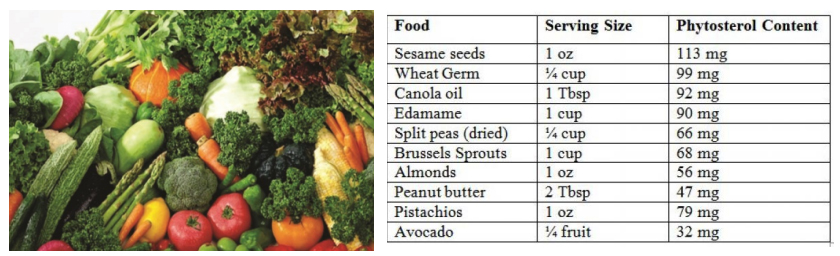
Phytosterols are compounds found in plants that resemble cholesterol. The National Institutes of Heath report that there are over 200 different phytosterols, and the highest concentrations of phytosterols are found naturally in vegetable oils, beans and nuts. Their benefits are so recognized that foods are being fortified with phytosterols. At the supermarket, you may see orange juice or margarine advertising phytosterol contents. After reviewing the health benefits, you may want to add phytosterol-rich foods to your diet.
[Benefits]
Cholesterol-Lowering Benefits
The most well-known, and scientifically proven, benefit of phytosterols is their ability to help lower cholesterol. A phytosterol is a plant compound that is similar to cholesterol. A study in the 2002 issue of “Annual Review of Nutrition” explains that phytosterols actually compete for absorption with cholesterol in the digestive tract. While they prevent the absorption of regular dietary cholesterol, they themselves are not easily absorbed, which leads to a total lower cholesterol level. The cholesterol-lowering benefit does not end with a good number on your blood work report. Having lower cholesterol leads to other benefits, such as a reduced risk for heart disease, stroke and heart attacks.
Cancer Protection Benefits
Phytosterols have also been found to help protect against the development of cancer. The July 2009 issue of the” European Journal of Clinical Nutrition” offers encouraging news in the fight against cancer. Researchers at the University of Manitoba in Canada report that there is evidence that phytosterols help prevent ovarian, breast, stomach and lung cancer. Phytosterols do this by preventing the production of cancer cells, stopping the growth and spread of cells that are already in existence and actually encouraging the death of cancer cells. Their high anti-oxidant levels are believed to be one way phytosterols help fight cancer. An anti-oxidant is a compound that fights free radical damage, which is negative effects on the body produced by cells that are unhealthy.
Skin Protection Benefits
A lesser known benefit of phytosterols involves skin care. One of the contributing factors in the aging of the skin is the breakdown and loss of collagen — the main component in connective skin tissue — and sun exposure is a major contributor to the problem. As the body ages, it is not able to produce collagen as it once did. The German medical journal “Der Hautarzt” reports a study in which various topical preparations were tested on skin for 10 days. The topical treatment that showed anti-aging benefits to the skin was the one that contained phytosterols and other natural fats. It is reported that phytosterols not only stopped the slow-down of collagen production that can be caused by the sun, it actually encouraged new collagen production.
Product detail pictures:
Related Product Guide:
Our well-equipped facilities and excellent excellent management throughout all stages of creation enables us to guarantee total buyer satisfaction for 11 Years Factory wholesale Phytosterol in Laos , The product will supply to all over the world, such as: Borussia Dortmund, Morocco, Puerto Rico, Corporate goal: Customers' satisfaction is our goal, and sincerely hope to establish long-terms stable cooperative relations with customers to jointly develop the market. Building brilliant tomorrow together!Our company regards "reasonable prices, efficient production time and good after-sales service" as our tenet. We hope to cooperate with more customers for mutual development and benefits. We welcome potential buyers to contact us.
RECIPE BELOW!
Here’s something fun to do with any leftover pumpkins… Roasted Pumpkin Soup served inside it’s shell with candied seeds on the side. This pumpkin might be the only thing that doesn’t get wasted over the holidays.
It might be a little tricky to make, but I promise it will be a treat. So watch closely!
ROASTED PUMPKIN SOUP
2 mini pumpkins
grapeseed oil (for frying)
1/2 onion, chopped
1 pc. fresh ginger, chopped
2-3 cloves of garlic, chopped
scooped out roasted pumpkin flesh
2 cups of broth
1 cup coconut milk or heavy cream
garam masala, curry powder or cayenne pepper to heat things up
4+ tsp sugar (depending on how sweet you like it)
sea salt to taste
Method
Preheat oven to 375. Rub pumpkins with oil and salt, then roast for 25-30 min. Meanwhile, fry onion, ginger & garlic in oil until browned. Add pumpkin flesh, broth & seasonings. Once the pumpkin has softened and blended with the other ingredients, take off heat. Add coconut milk or cream and blend with a hand mixer or in a blender until smooth & creamy. Pour soup into pumpkin shells and garnish with a drizzle of cream and a sprig of fresh mint.
CARNIVAL PUMPKIN SEEDS (revised from video)
*I gave them this name because they have a striking resemblance in taste and smell to the Elephant Ears you get at a carnivals.
seeds from two mini pumpkins
butter (melted on the stove)
sugar (brown or white)
cinnamon
sea salt
Method
Preheat oven to 250. Separate the seeds and give them a good rinse. Melt 3 TBS butter in a small pan on the stove. Pour seeds into the pan and mix to coat each seed. Pour buttered seeds onto a baking pan. Bake for 15 minutes. While they’re baking, combine 1/4 cup sugar with a few dashes of salt and cinnamon. Pull seeds out of the oven and sprinkle with half of the cinnamon sugar mixture. Put back in the oven for another 10 minutes. Bite into one to see if they’re done- blow on it first! They should be light and crispy, not soggy or tough. Cook 5 minutes longer, if necessary. Let the seeds cool a bit before putting them in your mouth.
3rd ruffmix entitled ROTTEN PUMPKIN SEEDS from the Canadian Horror Grind C.H.U.D. featuring his new line-up:
Jon – Vocals
Dez (from Croque-Mort) – Distortion
Gey (from HumanJerky) – Machine
Lyrics:
Remember that time
When a satanic cult
Tried to bring
Jack O Slasher alive
With his big pumpkin head
Filled with rotten-seeds
And His filthy clothes
Filled with his big corn cock
Necro-philiac & Satanic
Can you handle the truth?
Psychedelic clowns & the devil himself
Stop screaming, he’s coming for you
He’s Jack O Slasher
And beware
If you cross his path
You’re probably in Hell
 By Victor Yanushkevich from Zurich - 2017.08.15 12:36
A nice supplier in this industry, after a detail and careful discussion, we reached a consensus agreement. Hope that we cooperate smoothly.
By Freda from Spain - 2017.06.16 18:23