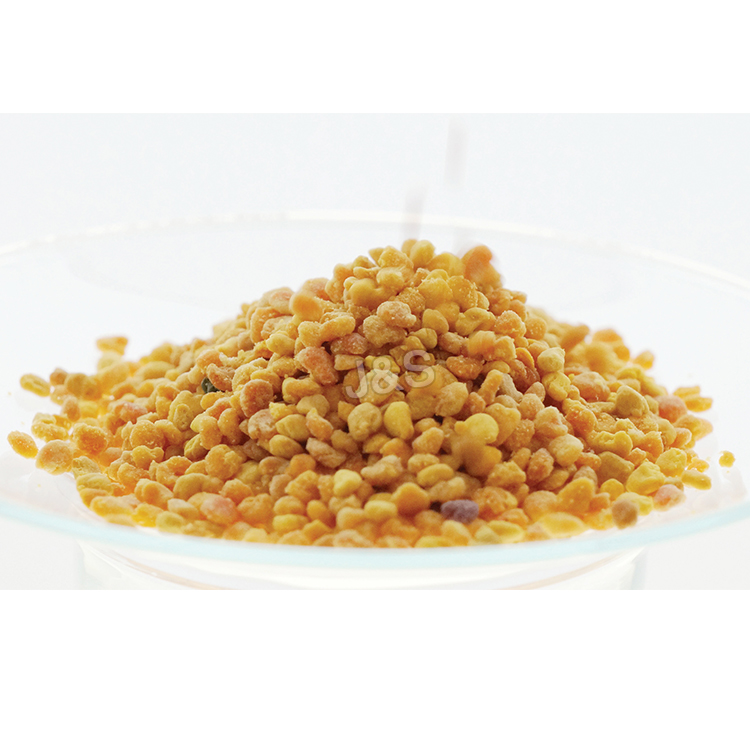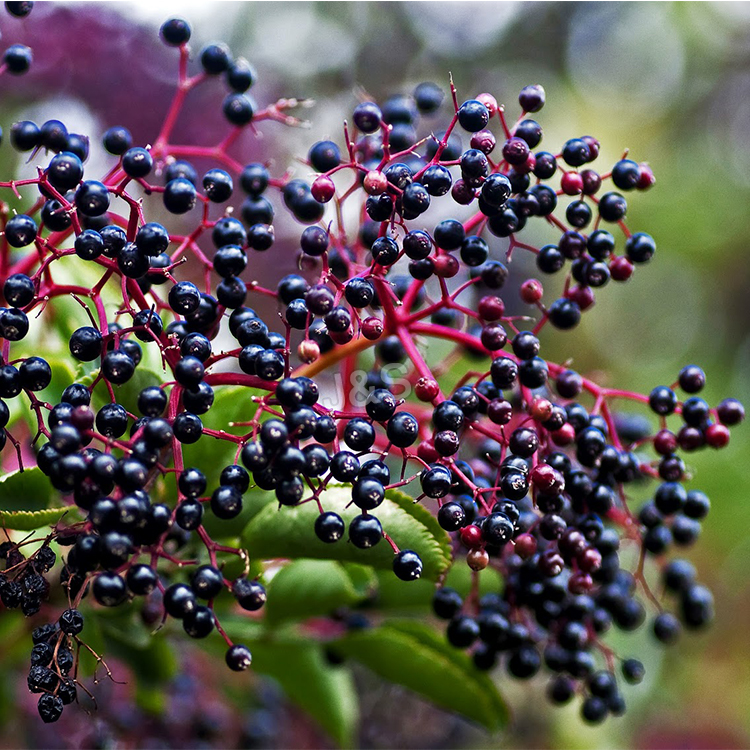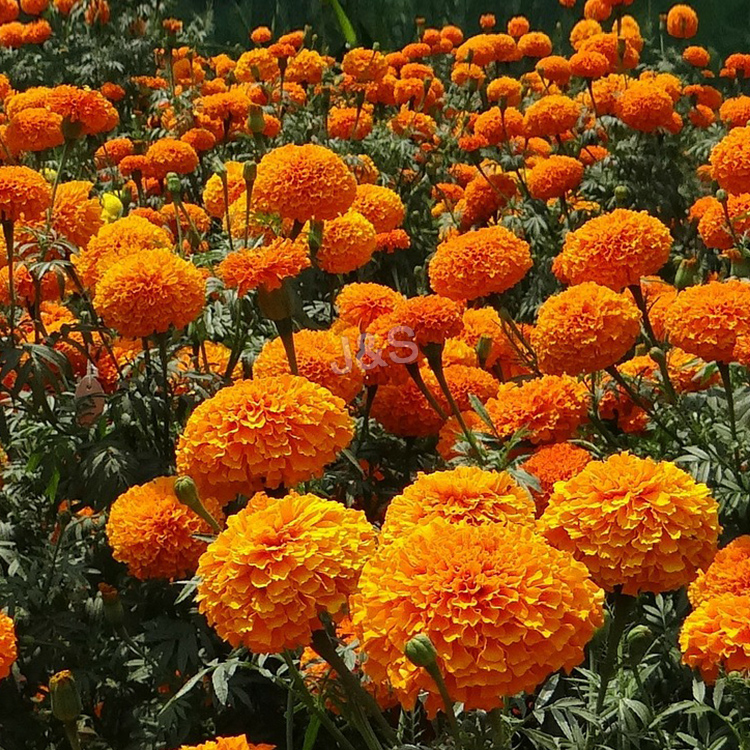
12 Years Factory wholesale Marigold extract in Finland
12 Years Factory wholesale Marigold extract in Finland Detail:
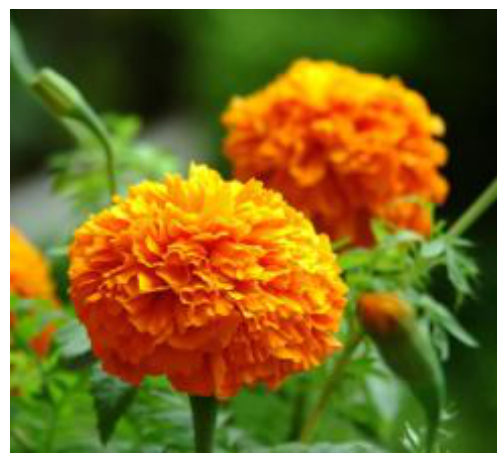
[Latin Name] Tagetes erecta L
[Plant Source]fromChinal
[Specifications] 5%~90%
[Appearance] Orange Yellow fine powder
Plant Part Used: Flower
[Particle size] 80 Mesh
[Loss on drying] ≤5.0%
[Heavy Metal] ≤10PPM
[Storage] Store in cool & dry area, keep away from the direct light and heat.
[Shelf life] 24 Months
[Package] Packed in paper-drums and two plastic-bags inside.
[Net weight] 25kgs/drum
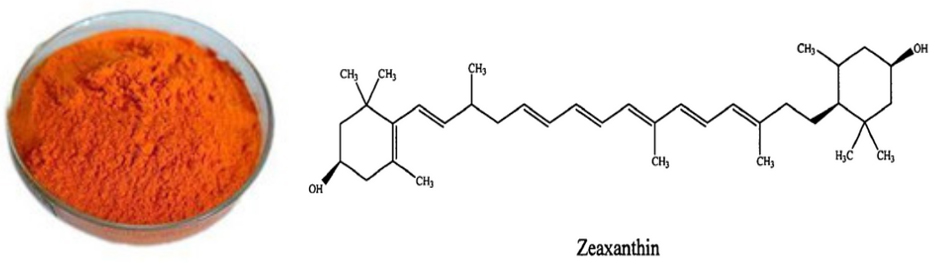
Introduction
Marigold flower belongs to compositae family and tagetes erecta. It is an annual herb and widely planted in Heilungkiang, Jilin, Inner Mongolia, Shanxi, Yunnan , etc.The marigold we used comes from Yunnan province. Based on the local situation of special soil environment and lighting condition , the local marigold have characteristics like growing fast,long flowering period ,high productive capacity and adequate quality.Thus, the steady supply of raw materials, high yield and reduction of cost can be guaranteed.
Products function
1).Protect skin from the harmful solar ray.
2).Protect skin through reducing the risk of macular degenration.
3).Prevent cardiopathy and cancer and resist arteriosclerosis.
4).Prevent retina against oxidation when absorb light
5).Anti-cancer and preventing diffuse of cancer cell
6).Promote eyes’ health
Usage
(1)Applied in pharmaceutical health care product field, it is mainly used in vision care products to alleviate visual fatigue, prevent macular degeneration,and protect the health of eye
(2)Applied in cosmetics, it is mainly used to whitening, anti-wrinkle and UV protection.
Product detail pictures:
Related Product Guide:
We've one of the most innovative manufacturing devices, experienced and qualified engineers and workers, recognized good quality handle systems and also a friendly experienced income team pre/after-sales support for 12 Years Factory wholesale Marigold extract in Finland , The product will supply to all over the world, such as: Pakistan, luzern, Doha, When you are keen on any of our items following you view our product list, please feel free to make contact with us for inquiries. You'll be able to send us emails and get in touch with us for consultation and we shall respond to you as soon as we are able to. If it's convenient, you could find out our address in our web site and come to our enterprise. or additional information of our items by yourself. We're generally ready to build lengthy and steady co-operation relations with any possible shoppers within the associated fields.
Lloyd Wright, author of the just released Hepatitis C: A Do-It Yourself Guide for Health, talking about Blueberry Extract, an effective agent for preventing or slowing down the replication of the Hepatitis C Virus. Hepatitis C virus (HCV) infection is a major cause of chronic liver disease such as chronic hepatitis, cirrhosis, and hepatocellular carcinoma. While searching for new natural anti-HCV agents in agricultural products, we found a potent inhibitor of HCV RNA expression in extracts of blueberry leaves when examined in an HCV subgenomic replicon cell culture system.
This activity was observed in a methanol extract fraction of blueberry leaves and was purified by repeated fractionations in reversed-phase high-performance liquid chromatography. The final purified fraction showed a 63-fold increase in specific activity compared with the initial methanol extracts and was composed only of carbon, hydrogen, and oxygen. Liquid chromatography/mass-ion trap-time of flight analysis and butanol-HCl hydrolysis analysis of the purified fraction revealed that the blueberry leaf-derived inhibitor was proanthocyanidin.
Furthermore, structural analysis using acid thiolysis indicated that the mean degree of polymerization of the purified proanthocyanidin was 7.7, consisting predominantly of epicatechin. Proanthocyanidin with a polymerization degree of 8 to 9 showed the greatest potency at inhibiting the expression of subgenomic HCV RNA. Purified proanthocyanidin showed dose-dependent inhibition of expression of the neomycin-resistant gene and the NS-3 protein gene in the HCV subgenome in replicon cells.
While characterizing the mechanism by which proanthocyanidin inhibited HCV subgenome expression, we found that heterogeneous nuclear ribonucleoprotein A2/B1 showed affinity to blueberry leaf-derived proanthocyanidin and was indispensable for HCV subgenome expression in replicon cells. These data suggest that proanthocyanidin isolated from blueberry leaves may have potential usefulness as an anti-HCV compound by inhibiting viral replication.
Wright knows about the rigors of life with Hepatitis C, and he knows all about wandering in the dark when doctors have no answers. Wright describes the new book, which follows his international best seller Triumph Over Hepatitis C, as “having all the primary information that everyone infected with Hepatitis C must know about. The 200-million people worldwide, about 5 million of them American, can benefit tremendously from Lloyds personal experience with over 200.000 clients who have hep c, most of them having used interferon and had it fail.
Lloyd Wright’s Hepatitis C book builds on the years of work already undertaken and brings valuable new information about ways to combat the destructive virus, Hepatitis C. Hepatitis C: A Do-It Yourself Guide for Health begins by chronicling Wright’s own personal horror story after a 1979 accident brought Hepatitis into his life through a hospital blood transfusion. Following 15 years of pain, suffering and uncertainty he was accidently diagnosed and basically told to get his affairs in order. He refused to accept the fate prescribed to him by doctors and battled against the odds, and he prevailed. To those facing Hep C, Lloyd Wright offers these words of wisdom: “You can, and must, take responsibility for your health. If you are suffering from hepatitis C, you can reclaim your health, get out of bed, get off the couch, forget about disability, and go back to work.”
A Time of Enlightenment (see Table of Contents below), Wright gives the exact supplement regimen followed in what he calls “my own recovery from Hepatitis C.” The supplements, vitamins and herbs taken were “a treatment strategy” that he lays out in Hepatitis C: A Do-It Yourself Guide for Health. A few of the items used were NatCell Thymus, Non-Pasteurized Aloe and Blueberry leaf extract.
One of the new items, Naringenin currently offered by Wright is described in the book as a “powerful flavonoid” found in grapefruit that “shows promise in helping to combat hepatitis C. Naringenin is currently being used for a Phase 1 trial at UCLA. The hepatitis C virus is bound to a very low intensity lipo-protein (one of the so-called “bad” cholesterols), when it is secreted from liver cells, according to a February 4, 2007, article published in Science Daily. Researchers at the Massachusetts General Hospital Center for Engineering in Medicine reported that the viral secretion required to pass infection to other cells can be blocked by the common flavonoid Naringenin.”
Lloyd Wright in Chapter Two, Hepatitis and Interferon, describes the nature of Hepatitis and the various forms in which it exists, meaning Hepatitis A, B and C, before offering this warning at the end of the section: “If you have Hepatitis C, your medical doctor will prescribe interferon. Before you proceed, read this book.”
For more about Lloyd Wright go to https://alternativemedicinesolution.com
Click “CC” for Scripts
Subscribe to arirang! https://www.youtube.com/subscription_center?add_user=arirangnews
기억력 좋아지고 싶다면, 인삼 드세요
The health benefits of ginseng have been known for centuries here in Korea.
And now, new scientific research is backing it up.
A recent experiment found that eating this traditional herb may help improve your memory and even play a role in protecting against diseases such as Alzheimer’s.
Kim Jiyeon reports.
Historical records from the Joseon Dynasty, dating back as far as the 12th century, show that ginseng was cultivated as a remedy for common ailments.
Fast forward to the present, Korean scientists are discovering more evidence to support the claims found in these historical documents.
A recent experiment compared one group of mice that were suffering from drug-induced dementia and another that had been fed ginseng extract.
That latter group showed an increase in memory function.
The two groups were placed in an enclosed area where one half was well-lit, the other dark and hooked up to an electric shock device.
Mice in general tend to gravitate to darker places, but the ginseng-treated animals were able to learn to resist their instincts longer in order not to get shocked, while the non-ginseng mice gave in quickly.
“Various combinations of plants can be good for the body.
Using certain plant complexes, we saw results of much higher memory regeneration.”
The study also found that animal test-subjects who were fed ginseng extract showed better spatial perception while running through mazes.
It’s another positive effect that Korean oriental medical practitioners feel shows promise for future drugs.
“I expect the development of natural health supplements will yield new benefits.”
Researchers continue to pore over Korea’s medicinal manuals of the past to find chemically active ingredients for future pharmaceuticals.
Kim Jiyeon, Arirang News
Visit us on Homepage https://www.arirang.co.kr
Like us on Facebook https://www.facebook.com/arirangtv
Follow us on Twitter https://twitter.com/arirangworld
Customer service staff and sales man are very patience and they all good at English, product's arrival is also very timely, a good supplier.