12 Years Manufacturer Phytosterol Supply to kazan
12 Years Manufacturer Phytosterol Supply to kazan Detail:
[Latin Name] Glycine max(L.) Mere
[Specification] 90%; 95%
[Appearance] White powder
[Melting point] 134-142℃
[Particle size] 80Mesh
[Loss on drying] ≤2.0%
[Heavy Metal] ≤10PPM
[Storage] Store in cool & dry area, keep away from the direct light and heat.
[Shelf life] 24 Months
[Package] Packed in paper-drums and two plastic-bags inside.
[Net weight] 25kgs/drum
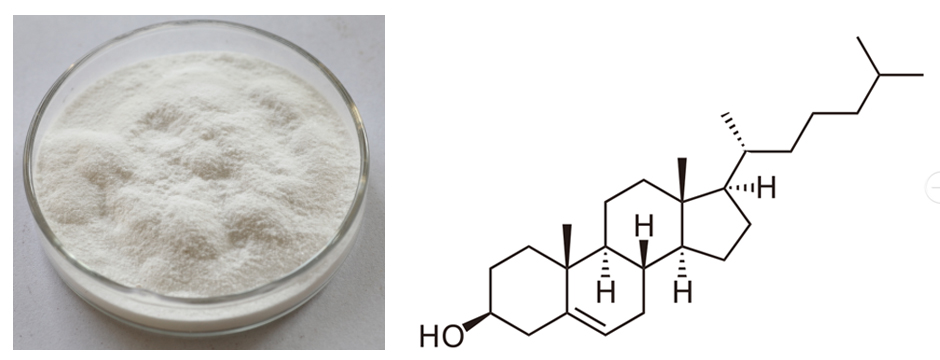
[What is Phytosterol?]
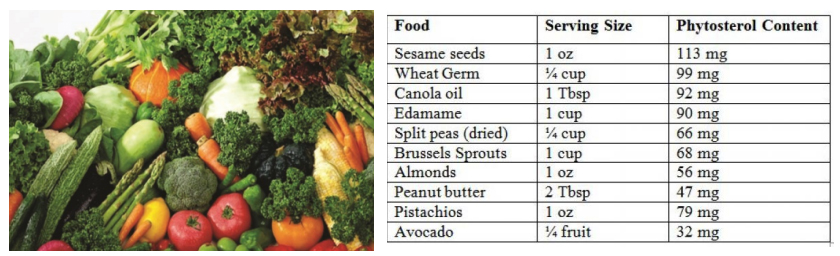
Phytosterols are compounds found in plants that resemble cholesterol. The National Institutes of Heath report that there are over 200 different phytosterols, and the highest concentrations of phytosterols are found naturally in vegetable oils, beans and nuts. Their benefits are so recognized that foods are being fortified with phytosterols. At the supermarket, you may see orange juice or margarine advertising phytosterol contents. After reviewing the health benefits, you may want to add phytosterol-rich foods to your diet.
[Benefits]
Cholesterol-Lowering Benefits
The most well-known, and scientifically proven, benefit of phytosterols is their ability to help lower cholesterol. A phytosterol is a plant compound that is similar to cholesterol. A study in the 2002 issue of “Annual Review of Nutrition” explains that phytosterols actually compete for absorption with cholesterol in the digestive tract. While they prevent the absorption of regular dietary cholesterol, they themselves are not easily absorbed, which leads to a total lower cholesterol level. The cholesterol-lowering benefit does not end with a good number on your blood work report. Having lower cholesterol leads to other benefits, such as a reduced risk for heart disease, stroke and heart attacks.
Cancer Protection Benefits
Phytosterols have also been found to help protect against the development of cancer. The July 2009 issue of the” European Journal of Clinical Nutrition” offers encouraging news in the fight against cancer. Researchers at the University of Manitoba in Canada report that there is evidence that phytosterols help prevent ovarian, breast, stomach and lung cancer. Phytosterols do this by preventing the production of cancer cells, stopping the growth and spread of cells that are already in existence and actually encouraging the death of cancer cells. Their high anti-oxidant levels are believed to be one way phytosterols help fight cancer. An anti-oxidant is a compound that fights free radical damage, which is negative effects on the body produced by cells that are unhealthy.
Skin Protection Benefits
A lesser known benefit of phytosterols involves skin care. One of the contributing factors in the aging of the skin is the breakdown and loss of collagen — the main component in connective skin tissue — and sun exposure is a major contributor to the problem. As the body ages, it is not able to produce collagen as it once did. The German medical journal “Der Hautarzt” reports a study in which various topical preparations were tested on skin for 10 days. The topical treatment that showed anti-aging benefits to the skin was the one that contained phytosterols and other natural fats. It is reported that phytosterols not only stopped the slow-down of collagen production that can be caused by the sun, it actually encouraged new collagen production.
Product detail pictures:
Related Product Guide:
To meet the customers' over-expected gratification , we have our robust crew to offer our best over-all support which includes marketing, income, coming up with, production, excellent managing, packing, warehousing and logistics for 12 Years Manufacturer Phytosterol Supply to kazan , The product will supply to all over the world, such as: United States, Slovakia, Czech Republic, Our company offers the full range from pre-sales to after-sales service, from product development to audit the use of maintenance, based on strong technical strength, superior product performance, reasonable prices and perfect service, we'll continue to develop, to deliver the high-quality items and services, and promote lasting cooperation with our customers, common development and create a better future.
Lose Weight with Fuxion Te Nocarb Keep your carbs under control with delicious Te NoCarb.
It improves the metabolism of sugars and raises your energy levels. It may also help to reduce and slow the absorption of carbohydrates and fats. Contains yacón and soy extract, chicory inulin, green tea and soluble fiber .
Ingredients:
Maltodextrin, BENEO GR (inulin), citric acid, soy extract, yacon (smallanthus sonchifolius) extract, green tea (camellia sinensis) extract, stevia (stevioside sweetener), flavoring. Stevia is a natural, calorie-free sweetener. It is Aspartame-free, Lactose-free, casein-free and gluten-free. No artificial colorants.
We are WikiFuXion Youtube Official Channel
ดีเมกซ์ ทำให้น้องชายและน้องหญิงตื่นเร็วและไม่นอนเลยนานมาก(แข็งตัวนาน อย่างแข็งแรง) และมีอารมณ์เพศที่มีคุณสมบัติเพราะตัวสมุนไพรตัวนี้ไปกระตุ้นประสาทส่วน หนึ่งในสมองเรียกว่าฮอร์โมนออกซิโตซิน ทำงานเพื่อความรักและประสิทธิภาพของการร่วมรักทั้งสองฝ่าย
แต่ขึ้นอยุ่กับสภาพร่างการของแต่ละบุคคลเหมืนกัน บางคนหลังทานระบบเลือดจะหมูนเวียนไปที่น้องชายเร็วมาก ประมาณ 15 นาที บางคน 20-30 นาทีแล้งแต่สภาพร่างกายของคนมนุษย์ คะ
ไม่มีผลข้างเคียงใด ๆ เพราะเป็นสมุนไพร 100% คะ หากทานไปเรื่อย จะเป็นหนู่มเป็นสาวขึ้นเพราะการมีเพศสัมพันแต่ละครั่งเท่ากับการออกกำลังกาย 30 นาที
ทานครั่งละ 2 ก่อนร่วมรักคะ
รายละเอียดเกี่ยวกับตัวสมุนไพร อ่านข้างล่างนี้นะคะ เป็นข้อมูลเล็กน้อยที่ทองคำ หามาคะ
DMAX we make with Ingredients Radix Eleutherococcus senticosus (Siberian ginsang) Herba Cynomorium songaricum (Suo Yang) herbal Epimedium Sagittatum (Hormy Goat Weed) Ligquotice Mint and Oligo.
DMAX Adapting a selectionof special herbs renowea of it special properties and blended together in a powerfully etective combination. its a uniquely safe natural herbal formulation of the highest quality to help regenerate enhance and boost the body’s physiological functions its’ produced using hte lates state of the art technoloty-The excellant extract technique to derived the finess quality of usually under utillsed good traditionnal chinese herbs such as Herbal Epimedium Radix Eleutherococcus sentioses and a lot more.
Herba Cynomorium Songaricum
Cynomorium is widely believed in thoe Orient, for century to be a’superb longevity herbs and an excellent sexual desire & tonic and stimulant. Cynomorium is also said to strengthen the bones, regulate blood pressure, aid digestive and intestinal aliments, reverse reproductive problems including impotence and infertility, treat kindney problem as well as hemorrhoids and nasal & uterine bleeding.
Herba Epimendium Sagittatum
Epimedium is said to increase sexual arousal & testosterone level, thus increasing s exual desire & sperm production , priventing premature ejaclation, its use in women’s tonice as wellto increase sex drive. Epimedium has also been used to rreat kindney, joint, liver and back disorders, dizziness, forgetfulness, frequent urination, irregular menstruation, bronchilitis and asthma.
Liquorice
Sweetish in flavour, mild effect-good for spleen weakness, insufficient blood manifest, fast pulses and palpitation, rashes, hot cough, sore throat, abdominal pain&gastritis.
Oligo
Also know as “simple sugars” Oligo decreases gastrointestinal transit itme, improve constipation and diarrhea as well as improve bewel and liver function.
Dosange
1 packet (2tablets) once daily after u take it vimmax will working at 15-25 minute depands body also u will get the climax and good ejeculate
Indication
Traditionally used to maintain men and women’s health and well-beging
Side Effacts
No harmful side effects reported.
Contraindication
None reported.
We have the GMP, HALAL FOOD COUNCIL INTERNATIONAL, IEC BS EN SIO 9001 REGISTERED FIRM, UKAS, HACCP
 By Elva from Florida - 2017.01.28 18:53
The supplier abide the theory of "quality the basic, trust the first and management the advanced" so that they can ensure a reliable product quality and stable customers.
By Ann from Jordan - 2017.12.09 14:01