13 Years Factory wholesale Flaxseed Extract Factory in Angola
13 Years Factory wholesale Flaxseed Extract Factory in Angola Detail:
[Latin Name] Linum Usitatissimum L.
[Plant Source] from China
[Specifications]SDG20% 40% 60%
[Appearance] yellow brown powder
Plant Part Used:Seed
[Particle size] 80 Mesh
[Loss on drying] ≤5.0%
[Heavy Metal] ≤10PPM
[Storage] Store in cool & dry area, keep away from the direct light and heat.
[Shelf life] 24 Months
[Package] Packed in paper-drums and two plastic-bags inside.
[Net weight] 25kgs/drum
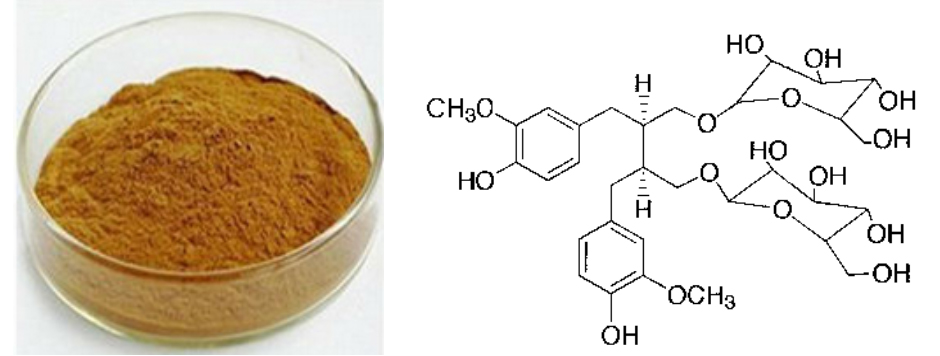
Product description:
Flaxseed extract is a kind of plant ligan most notably found in flaxseed. Secoisolariciresinol diglycoside, or SDG is existed as its main bioactive components. SDG is classified as a phytoestrogen since it is a plant-derived, nonsteroid compound that possesses estrogen-like activity. Flaxseed extract SDG has weak estrogenic activity, when intake as food it will be trasfer to flax ligan which have same structure with estrogens.The level of SDG in flaxseed typically varies between 0.6% and 1.8%. Flaxseed extract powder SDG can reduce the blood lipid, cholesterin and triglyceride, it can also prevent for apoplexy, hyperension, blood clots, arteriosclerosis and arrhythmia. In addition, flax seed extract powder SDG is benificial for diabetes and CHD.
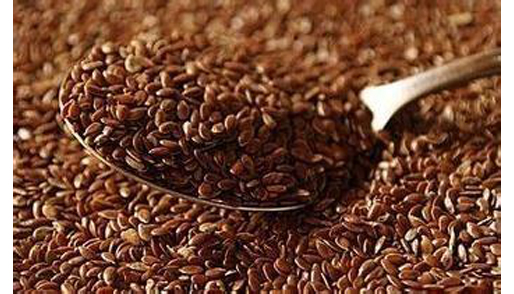
Main Function:
1.Flaxseed extract used to lose weight. Can burn surplus fat of Body;
2.Flaxseed extract will reduce allergic reaction, reduce asthma, improve arthritis;
3.Flaxseed extract with the function of improving female menstrual period syndrome;
4.Flaxseed extract can reduce the bad influence of hazardous chemicals produced when under pressure, control Stress, reduce depression and insomnia;
5.Flaxseed extract will improve skin fat content, moisten the skin smooth, soft and flexible, make the skin breath and sweat to normal, to mitigate various skin problems.
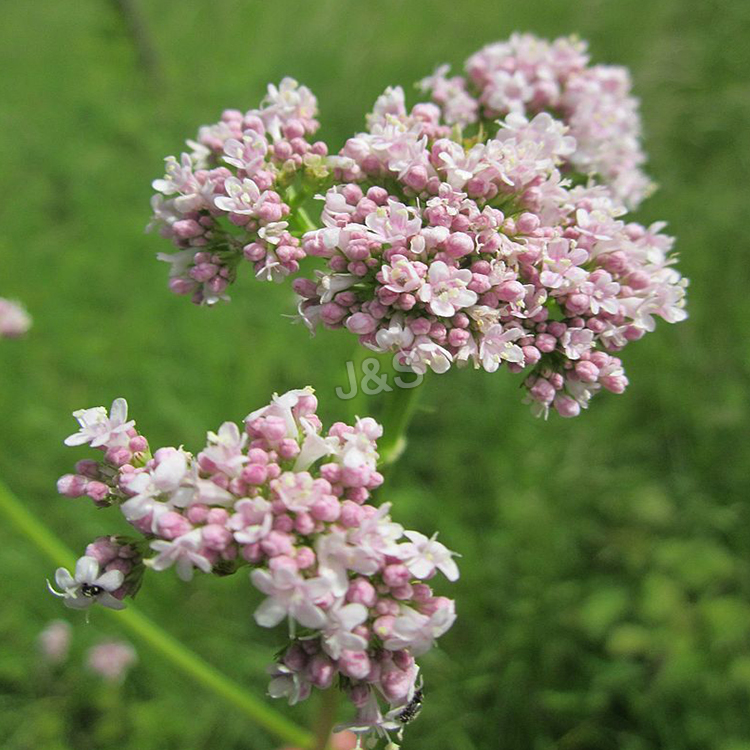
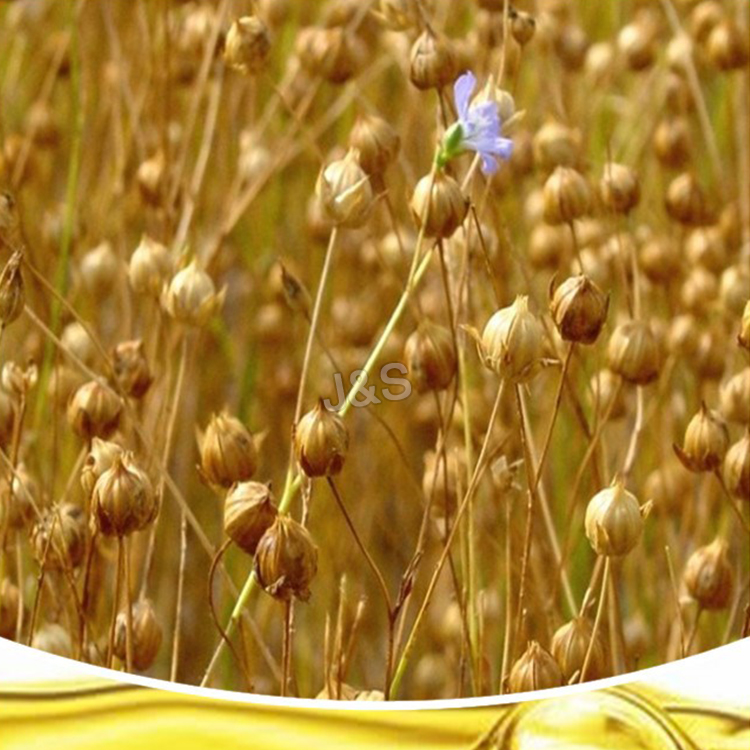
Product detail pictures:
Related Product Guide:
Gaining purchaser gratification is our company's aim eternally. We're going to make great initiatives to create new and top-quality products, satisfy your exclusive prerequisites and supply you with pre-sale, on-sale and after-sale solutions for 13 Years Factory wholesale Flaxseed Extract Factory in Angola , The product will supply to all over the world, such as: Palestine, Serbia, Denver, Our company always committed to meet your quality demand, price points and sales target. Warmly welcome you open the boundaries of communication. It is our great pleasure to service you if you need a trusted supplier and value information.
Why butter is not bad for you:
https://www.westonaprice.org/food-features/why-butter-is-better
For low prices on your stevia, cacao, MCT oil, coffee, vitamins, supplements and so much more, WITH super fast shipping, check out Vitacost!
Save $10 on your Vitacost order:
https://www.vitacostrewards.com/kbJxS1Q
Trim Healthy Mama:
https://www.trimhealthymama.com
Interested in healthy, sugar free chocolate? Check out my video!
Most recent update (20 pounds lost):
See my initial thoughts on Trim Healthy Mama:
FirstUpdate: https://www.youtube.com/watch?v=qkkOlR_Euzk
Check out my blog: https://www.realrealhousewife.com
Follow me on twitter @RealRealHouseWi
Facebook: https://www.facebook.com/pages/REALRealHousewifecom/187112511366395
Check out my hubby’s YouTube Channel! https://www.youtube.com/user/WhatDayIsItMike
Developed and produced by https://www.MechanismsinMedicine.com
Animation Description: This animation starts with the explanation of bacterial cell wall synthesis, the process targeted by ß-Lactams.
Structurally, most bacteria consist of a cell membrane surrounded by a cell wall and, for some bacteria, an additional outer layer. Internal to the cell membrane is the cytoplasm which contains ribosomes, a nuclear region and in some cases granules and/or vesicles. Depending on the bacterial species, a number of different external structures may be found such as a capsule, flagella and pili.
In gram negative bacteria, the gap between the cell membrane and the cell wall is known as the periplasmic space. Most gram positive bacteria do not possess a periplasmic space but have only periplasm where metabolic digestion occurs and new cell peptidoglycan is attached. Peptidoglycan, the most important component of the cell wall, is a polymer made of N-acetyl muramic acid alternating with N-acetyl glucosamine which are cross-linked by chains of four amino acids. The function of the bacterial cell wall is to maintain the characteristic shape of the organism and to prevent the bacterium from bursting when fluid flows into the organism by osmosis.
Synthesis of peptidoglycan and ultimately the bacterial cell wall occurs in a number of stages. One of the first stages is the addition of 5 amino acids to N-acetyl muramic acid. Next, N-acetyl glucosamine is added to the N-acetyl muramic acid to form a precursor of peptidoglycan. This peptidoglycan precursor is then transported across the cell membrane to a cell wall acceptor in the periplasm.
Once in the periplasm, the peptidoglycan precursors bind to cell wall acceptors, and undergo extensive crosslinking. Two major enzymes are involved in crosslinking: transpeptidase and D-alanyl carboxypeptidase. These enzymes are also known as penicillin binding proteins because of their ability to bind penicillins and cephalosporins.
Eventually, several layers of peptidoglycan are formed all of which are crosslinked to create the cell wall. Gram positive bacteria have many more layers than gram negative bacteria and thus have a much thicker cell wall.
Beta-lactam antibiotics include all penicillins and cephalosporins that contain a chemical structure called a beta-lactam ring. This structure is capable of binding to the enzymes that cross-link peptidoglycans.
Beta-lactams interfere with cross-linking by binding to transpeptidase and D-alanyl carboxypeptidase enzymes, thus preventing bacterial cell wall synthesis.
By inhibiting cell wall synthesis, the bacterial cell is damaged. Gram positive bacteria have a high internal osmotic pressure. Without a normal, rigid cell wall, these cells burst when subjected to the low osmotic pressure of their surrounding environment. As well, the antibiotic-penicillin binding protein complex stimulates the release of autolysins that are capable of digesting the existing cell wall. Beta-lactam antibiotics are therefore considered bactericidal agents.
Bacterial resistance to beta-lactam antibiotics may be acquired by several routes. One of the most important mechanisms is through a process known as transformation. During transformation, chromosomal genes are transferred from one bacterium to another.
When a bacterium containing a resistance gene dies, naked DNA is released into the surrounding environment. If a bacterium of sufficient similarity to the dead one is in the vicinity, it will be able to uptake the naked DNA containing the resistance gene.
Once inside the bacterium, the resistance gene may be transferred from the naked DNA to the chromosome of the host bacteria by a process known as homologous transformation. Over time, the bacterium may acquire enough of these resistance genes to result in a remodelling of the segment of the host DNA.
If this remodelled DNA segment codes for cross-linking enzymes (i.e. penicillin binding proteins), the result is the production of altered penicillin binding proteins.
These altered penicillin binding proteins can still cross-link the peptidoglycan layers of the cell wall but have a reduced affinity for beta-lactam antibiotics thus rendering the bacterium resistant to the effects of penicillin and other beta-lactam agents. This transfer process has resulted in penicillin-resistant S. pneumoniae through the acquisition of genes from other naturally occurring penicillin-resistant Streptococcus species.
A second important mechanism by which bacteria become resistant to beta-lactam antibiotics is by the production of enzymes capable of inactivating or modifying the drug before it has a chance to exert its effect on the bacteria.
View animation to read more.
 By Jason from Norway - 2018.12.05 13:53
The company has rich resources, advanced machinery, experienced workers and excellent services, hope you keep improving and perfecting your products and service, wish you better!
By Prima from Finland - 2017.09.09 10:18