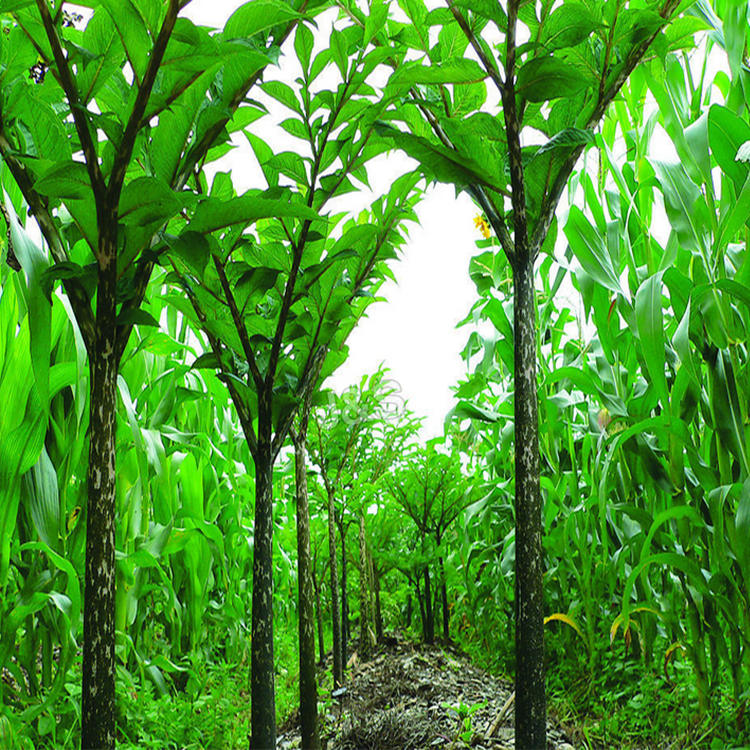
14 Years Manufacturer Konjac Gum Powder Factory for Iceland
14 Years Manufacturer Konjac Gum Powder Factory for Iceland Detail:
[Latin Name] Amorphophallus konjac
[Plant Source] from China
[Specifications] Glucomannan85%-90%
[Appearance] White or cream-color powder
Plant Part Used:Root
[Particle size] 120 Mesh
[Loss on drying] ≤10.0%
[Heavy Metal] ≤10PPM
[Storage] Store in cool & dry area, keep away from the direct light and heat.
[Shelf life] 24 Months
[Package] Packed in paper-drums and two plastic-bags inside.
[Net weight] 25kgs/drum
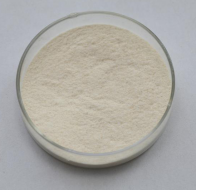
[Introduction]
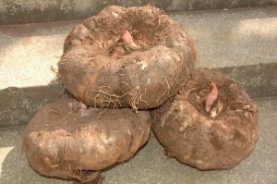
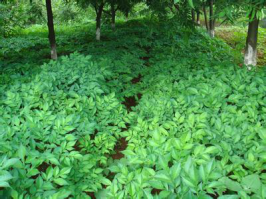
Konjac is a plant that is found in China, Japan and Indonesia. The plant is part of the genus Amorphophallus. Typically, it thrives in the warmer regions of Asia.
The extract of the Konjac root is referred to as Glucomannan. Glucomannan is a fiber-like substance traditionally used in food recipes, but now it is utilized as an alternative means of weight loss. Along with this benefit, konjac extract contains other benefits for the rest of the body as well.
The main material of the natural konjac gum is fresh konjac, which grow in virgin forest in Hubei area. We use advanced method to distill the KGM, aminophenol, Ca, Fe, Se which are good for health. Konjac is known as“ the seventh nutriment for human”.
Konjac Gum with its special water holiding capacity, stability, emulsibility, thickening property,suspension property and gel propery can especially adopted in food industry.
[Main Function]
1.It could reduce postprandial glycemia, blood cholesterol and blood pressure.
2.It could control appetite and reduce body weight.
3.It could increase insulin sensitivity.
4.It could control insulin resistant syndrome and diabetesII development.
5.It could reduce heart disease.
[Application]
1) Gelatinizer(jelly, pudding, Cheese, soft candy, jam );
2) Stabilizer(meat, beer);
3) Film Former(capsule, preservative)
4) Water-keeping agent( Baked Foodstuff );
5) Thickener (Konjac Noodles, Konjac Stick, Konjac Slice, Konjac Imitating Food stuff);
6) Adherence agent( Surimi );
7) Foam Stabilizer (ice cream, cream, beer)
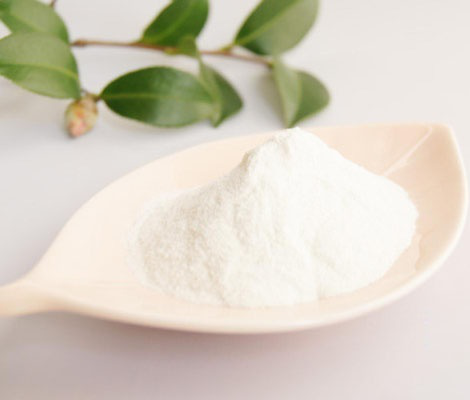
Product detail pictures:
Related Product Guide:
We will devote ourselves to providing our esteemed customers with the most enthusiastically thoughtful services for 14 Years Manufacturer Konjac Gum Powder Factory for Iceland , The product will supply to all over the world, such as: Malta, Iraq, Canada, Our company is working by the operation principle of "integrity-based, cooperation created, people oriented, win-win cooperation". We hope we can have a friendly relationship with businessman from all over the world.
https://shop.liveleantoday.com/sexual-enhancements/male-sexual-enhancements/vaxitrol-sexual-vitality-horny-goat-weed offers supplement review of Vaxitrol which delivers 10 proven male enhancement herbs for greater sexual power.
Chamomile (Matricaria chamomilla L.) is a well-known medicinal plant species from the Asteraceae family often referred to as the “star among medicinal species.” Nowadays it is a highly favored and much used medicinal plant in folk and traditional medicine. Its multitherapeutic, cosmetic, and nutritional values have been established through years of traditional and scientific use and research. Chamomile has an established domestic (Indian) and international market, which is increasing day by day. The plant available in the market many a times is adulterated and substituted by close relatives of chamomile. This article briefly reviews the medicinal uses along with botany and cultivation techniques. Since chamomile is a rich source of natural products, details on chemical constituents of essential oil and plant parts as well as their pharmacological properties are included. Furthermore, particular emphasis is given to the biochemistry, biotechnology, market demand, and trade of the plant. This is an attempt to compile and document information on different aspects of chamomile and highlight the need for research and development.
Keywords: Amino acid, cadmium, co-cultivation, copper, cultivation, medicinal plant, salicylic acid, secondary metabolites, tissue culture
chamomile is an annual plant with thin spindle-shaped roots only penetrating flatly into the soil. The branched stem is erect, heavily ramified, and grows to a height of 10–80 cm. The long and narrow leaves are bi- to tripinnate. The flower heads are placed separately, they have a diameter of 10–30 mm, and they are pedunculate and heterogamous. The golden yellow tubular florets with 5 teeth are 1.5–2.5 mm long, ending always in a glandulous tube. The 11–27 white plant flowers are 6–11 mm long, 3.5 mm wide, and arranged concentrically. The receptacle is 6–8 mm wide, flat in the beginning and conical, cone-shaped later, hollow—the latter being a very important distinctive characteristic of Matricaria—and without paleae. The fruit is a yellowish brown achene.
The crop growth is slow till mid-January and picks up gradually till early February. As the season warms up, there is high activity in crop growth (increase in height, branching, bud formation) and stray flowers may be seen in the crop. Bud formation is profuse in March, there is all round growth in the plants, the early formed buds open into flowers, hence the plucking of flowers has to be also selective all through the crop cycle. With sudden rise in the temperature from 33° C to 39° C within a few days, heavy seed-setting and plant maturity will be observed in the crop. There is seed shedding and in the next year a self-germinated crop is observed.
M. chamomilla cultivation as a commercial venture lies in how efficiently and effectively one can collect the flowers at the right stage during the peak flowering season extending over a period of 3–6 weeks during March-April. Flowering is so profuse that practically every alternate day at least 30–40 units of labor will be required to be employed to pluck the flowers from an area of 0.25–0.3 ha. Flower plucking is a selective process as flowers in all stages, namely, buds, semi-opened buds, flowers in all stages of bloom appear on the plants. Flowers at the near full bloom stage give the best quality of the product, hence care has to be exercised to see that as little as possible buds, stems, leaves, and extraneous material is plucked. Flowering will be observed on plants here and there all over the field from the later half of February and these flowers are plucked at the appropriate stage. Flowers are produced in flushes and 4-5 flushes are obtained. The 2nd, 3rd, and 4th flushes are the major contributors to flower yield. The peak period of plucking is between the 2nd week of March and the 3rd week of April in North India. In normal soils, Singh obtained a maximum yield of 7637 kg of fresh flowers, the average being 3500-4000 kg/ha.
Web: https://www.natureherbs.org | www.natureherbs.co
Email : natureherbs@ymail.com
Watsapp: +91 841 888 5555
Skype: nature.herbs
We have been appreciated the Chinese manufacturing, this time also did not let us disappoint,good job!