2016 Latest Design Huperzine A Factory for Eindhoven
2016 Latest Design Huperzine A Factory for Eindhoven Detail:
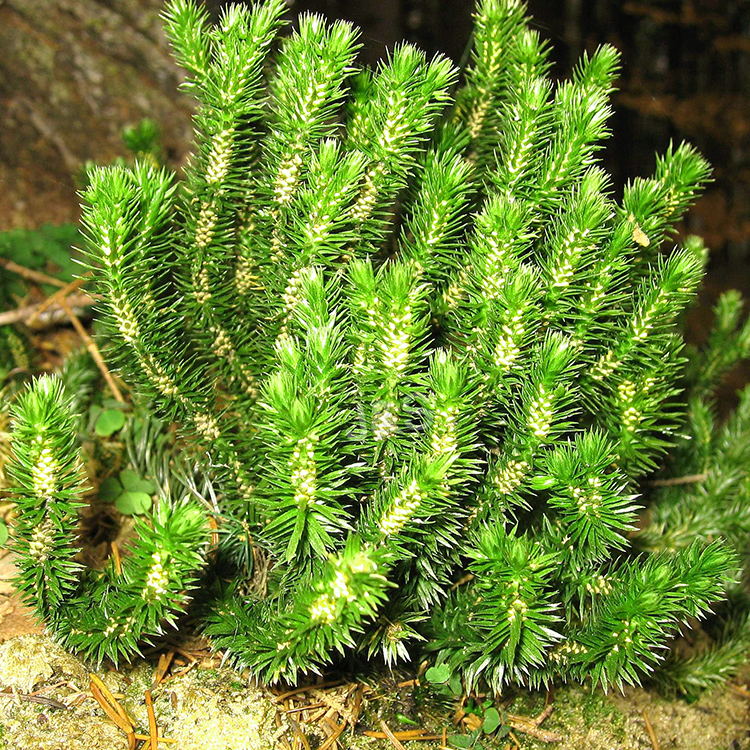
[Latin Name]Huperzia serratum
[Source] Huperziceae whole herb from China
[Appearance]Brown to white
[Ingredient]Huperzine A
[Specification]Huperzine A 1% – 5%, HPLC
[Solubility] Soluble in chloroform, methanol, ethanol, slightly soluble in water
[Particle size] 80 Mesh
[Loss on drying] ≤5.0%
[Heavy Metal] ≤10PPM
[Pesticide residue] EC396-2005, USP 34, EP 8.0, FDA
[Storage] Store in cool & dry area, keep away from the direct light and heat.
[Shelf life] 24 Months
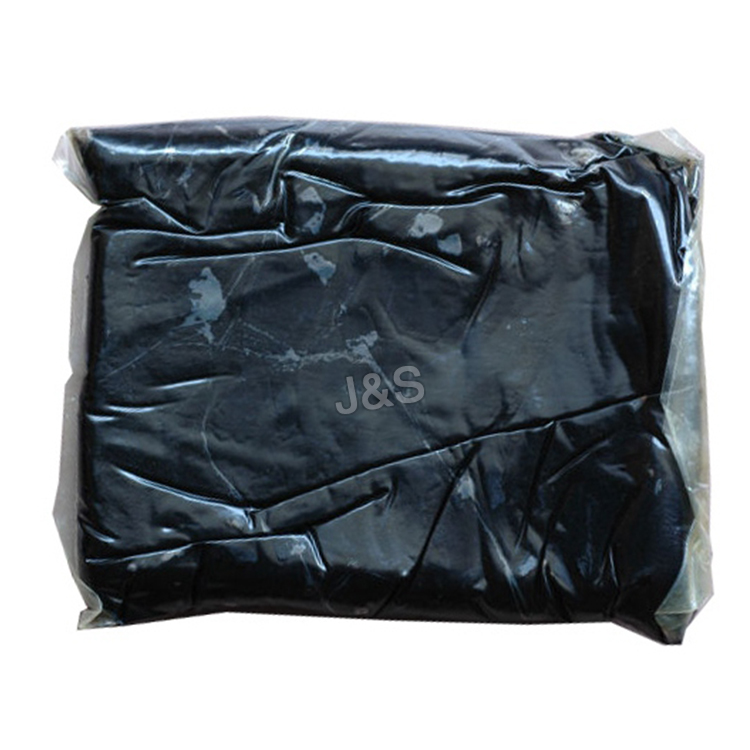
[Package] Packed in paper-drums and two plastic-bags inside.
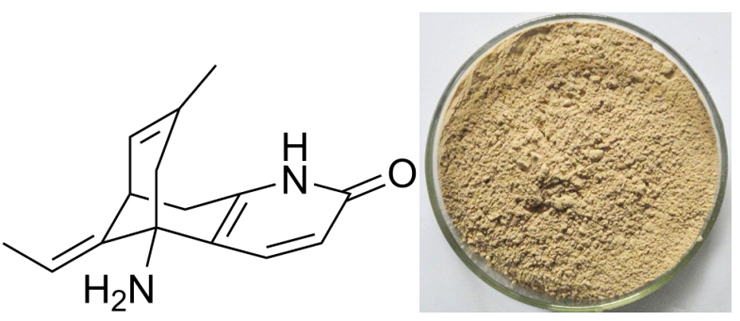
[What is Huperzine A]
Huperzia is a type of moss that grows in China. It is related to club mosses (the Lycopodiaceae family) and is known to some botanists as Lycopodium serratum . The whole prepared moss was used traditionally. Modern herbal preparations use only the isolated alkaloid known as huperzine A. Huperzine A is an alkaloid found in huperzia that has been reported to prevent the breakdown of acetylcholine, an important substance needed by the nervous system to transmit information from cell to cell. Animal research has suggested that huperzine A’s ability to preserve acetylcholine may be greater than that of some prescription drugs. Loss of acetylcholine function is a primary feature of several disorders of brain function, including Alzheimer’s disease . Huperzine A may also have a protective effect on brain tissue, further increasing its theoretical potential for helping reduce symptoms of some brain disorders.
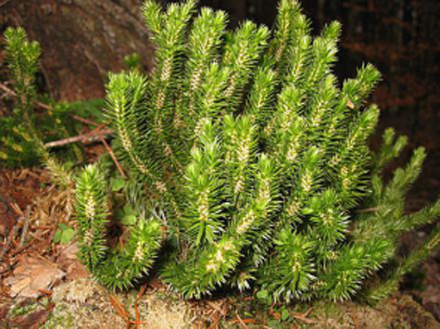
[Function] Used in alternative medicine, huperzine A has been found to act as a cholinesterase inhibitor, a type of medicine used to prevent the breakdown of acetylcholine (a chemical essential to learning and memory).
Not only used as a treatment for Alzheimer’s disease, huperzine A is also said to enhance learning and memory and to protect against age-related cognitive decline.
In addition, huperzine A is sometimes used to boost energy, increase alertness, and aid in the treatment of myasthenia gravis (an autoimmune disorder that affects the muscles).
Product detail pictures:
Related Product Guide:
It adheres on the tenet "Honest, industrious, enterprising, innovative" to develop new items frequently. It regards buyers, success as its very own success. Let us produce prosperous future hand in hand for 2016 Latest Design Huperzine A Factory for Eindhoven , The product will supply to all over the world, such as: Israel, Russia, Iraq, To meet the requirements of individual customers for each bit more perfect service and stable quality products. We warmly welcome customers around the world to visit us, with our multi-faceted cooperation, and jointly develop new markets, create a brilliant future!
Organic Pumpkin Protein Chocolate flavor
Taste testing this pumpkin seed protein I discovered at Fresh & Thyme farmers market.
A convienent protein supplement for vegans or just a plant based protein alternative if you wana try something new.
I still think the best mixing/ tasting vegan protein is sun warrior brown rice protein – chocolate. but that is just my opinion
This pumpkin protein didn’t taste bad at all it was just hard to mix, however, I have never seen a pumpkin seed protein supplement before so I thought I would give it a try with friends.
Hope you enjoy the video!
https://www.facebook.com/pigmiepro
instagram @bboyballz
Components of the gastrointestinal tract (GI tract) and digestive enzymes. This video and other related animations and images are available for instant download licensing here: https://www.alilamedicalmedia.com/-/galleries/images-videos-by-medical-specialties/gastroenterology-digestive-diseases
Voice by: Sue Stern
©Alila Medical Media. All rights reserved.
The digestive system is composed of 2 main components: the gastrointestinal tract, or GI tract, where digestion and absorption take place; and accessory organs which secrete various fluids/enzymes to help with digestion. The GI tract is a continuous chain of organs where food enters at one end and waste gets out from the other. These organs are lined with smooth muscles whose rhythmic contractions generate waves of movement along their walls, known as peristalsis. Peristalsis is the force that propels food down the tract.
Digestion is the process of breaking down food into smaller, simpler components, so they can be absorbed by the body. Basically, carbohydrates such as sugars and starch are broken down into glucose, proteins into amino acids, and fat molecules into fatty acids and glycerol.
Digestion starts in the oral cavity where the food is moistened with saliva and chewed, food bolus is formed to facilitate swallowing. Saliva is secreted by the salivary glands and contains the enzyme amylase. Amylase breaks down starch into maltose and dextrin which are processed further in the small intestine.
The food bolus is propelled down the esophagus into the stomach, the major organ of the GI tract. The stomach produces gastric juice containing pepsin, a protease, and hydrochloric acid which act to digest proteins. At the same time, mechanical churning is performed by muscular contraction of the stomach wall. The result is the formation of chyme, a semi-liquid mass of partially digested food. Chyme is stored in the stomach and is slowly released into the first part of the small intestine, the duodenum. The duodenum receives the following digestive enzymes from accessory organs:
- Bile, produced in the liver and stored in the gallbladder; bile emulsifies fats and makes it easier for lipases to break them down.
- Pancreatic juice from the pancreas. This mixture contains proteases, lipases and amylase, and plays major role in digestion of proteins and fats.
The small intestine also produces its own enzymes: peptidases, sucrase, lactase, and maltase. Intestinal enzymes contribute mainly to the hydrolysis of polysaccharides.
The small intestine is where most of digestion and absorption take place. The walls of the small intestine absorb the digested nutrients into the bloodstream, which in turn delivers them to the rest of the body. In the small intestine, the chyme moves more slowly allowing time for thorough digestion and absorption. This is made possible by segmentation contractions of the circular muscles in the intestinal walls. Segmentation contractions move chyme in both directions. This allows a better mixing with digestive juices and a longer contact time with the intestinal walls.
The large intestine converts digested left-over into feces. It absorbs water and any remaining nutrients. The bacteria of the colon, known as gut flora, can break down substances in the chyme that are not digestible by the human digestive system. Bacterial fermentation produces various vitamins that are absorbed through the walls of the colon. The semi-solid fecal matter is then stored in the r. until it can be pushed out from the body during a bowel movement.
All images/videos by Alila Medical Media are for information purposes ONLY and are NOT intended to replace professional medical advice, diagnosis or treatment. Always seek the advice of a qualified healthcare provider with any questions you may have regarding a medical condition.
Timely delivery, strict implementation of the contract provisions of the goods, encountered special circumstances, but also actively cooperate, a trustworthy company!