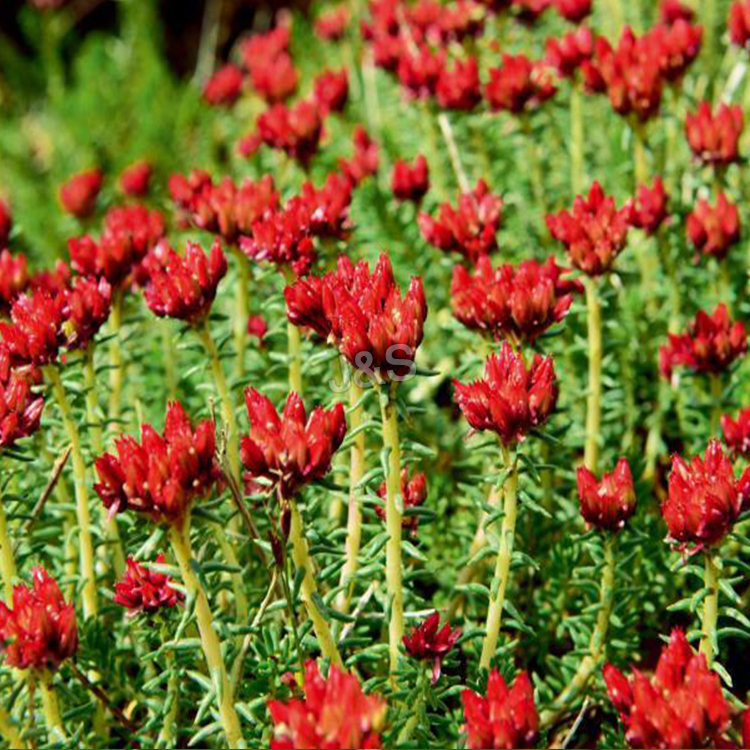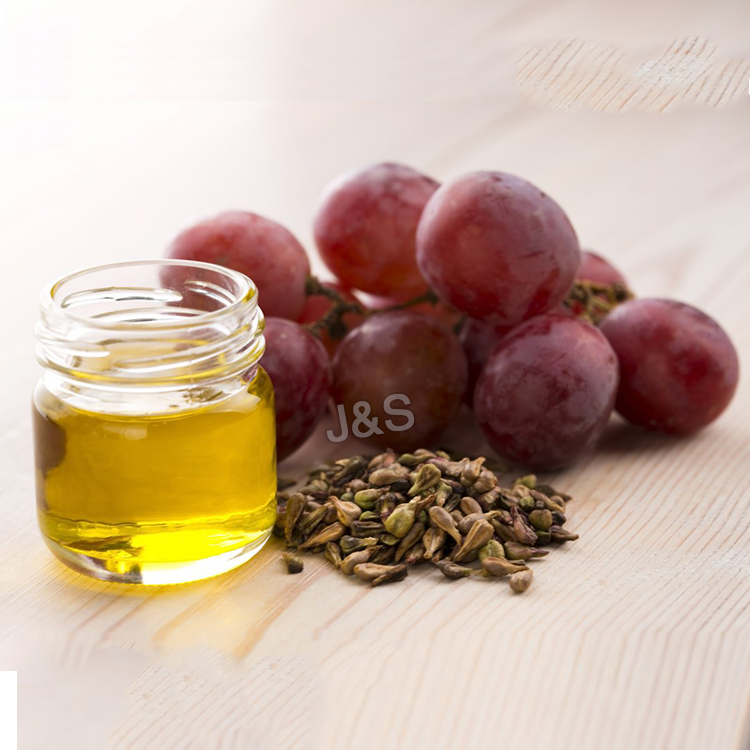
2017 wholesale price Grape seed extract Factory for Mozambique
2017 wholesale price Grape seed extract Factory for Mozambique Detail:
[Latin Name] Vitis vinifera Linn
[Plant Source] Grape seed from Europe
[Specifications] 95%OPCs;45-90% polyphenols
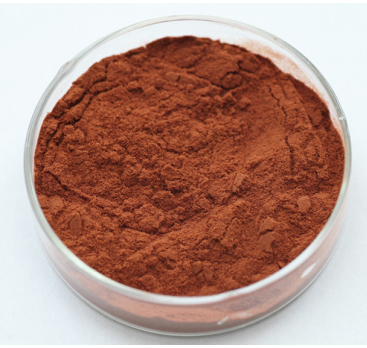
[Appearance] Red brown powder
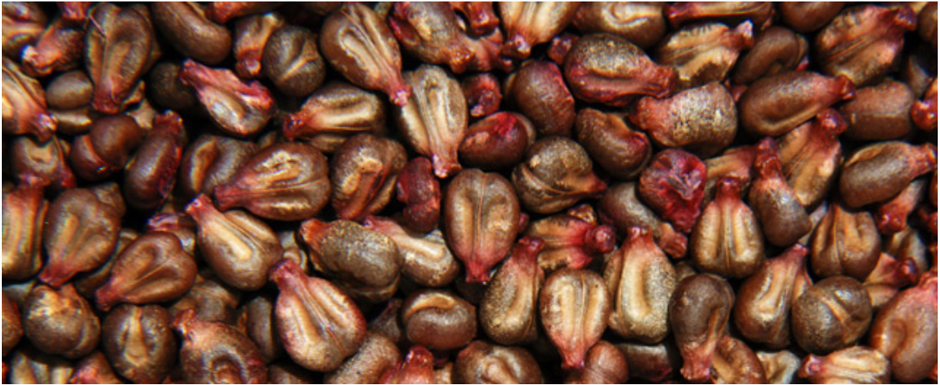
[Plant Part Used]: seed
[Particle size] 80 Mesh
[Loss on drying] ≤5.0%
[Heavy Metal] ≤10PPM
[Pesticide residue] EC396-2005, USP 34, EP 8.0, FDA
[Storage] Store in cool & dry area, keep away from the direct light and heat.
[Shelf life] 24 Months
[Package] Packed in paper-drums and two plastic-bags inside.
[Gerneral feature]
- Our product has passed the ID test by ChromaDex, Alkemist Lab. and other
third-party authoritative testing institutions, such as detection;
2. The pesticide residues match (EC) No 396/2005 USP34, EP8.0, FDA and other foreign pharmacopoeia standards and regulations;
3. The heavy metals in strict accordance with the foreign pharmacopoeia standard controls, such as USP34, EP8.0, FDA, etc.;
4. Our company set up a branch and import raw materials directly from Europe with strict control of heavy metal and pesticide residue. Aslo ensure the procyanidins content in grape seed is more than 8.0%.
5. OPCs over 95%, polyphenol over 70%, high activity, the oxidation resistance is strong, the ORAC more than 11000.
[Function]
Grapes (Vitis vinifera) have been heralded for their medicinal and nutritional value for thousands of years. Egyptians ate grapes a very long time back, and several ancient Greek philosophers spoke about the healing power of grapes — usually in the form of wine. European folk healers made an ointment from the sap of grapevines to treat skin and eye diseases. Grape leaves were used to stop bleeding, inflammation, and pain, such as the kind brought on by hemorrhoids. Unripe grapes were used to treat sore throats, and dried grapes (raisins) were used for constipation and thirst. Round, ripe, sweet grapes were used to treat a range of health problems including cancer, cholera, smallpox, nausea, eye infections, and skin, kidney, and liver diseases.
Grape seed extracts are industrial derivatives from whole grape seeds that have a great concentration of vitamin E, flavonoids, linoleic acid and phenolic OPCs. The typical commercial opportunity of extracting grape seed constituents has been for chemicals known as polyphenols having antioxidant activity in vitro.
Product detail pictures:
Related Product Guide:
We have state-of-the-art equipment. Our products are exported for the USA, the UK and so on, enjoying a fantastic status among the clients for 2017 wholesale price Grape seed extract Factory for Mozambique , The product will supply to all over the world, such as: Barcelona, Germany, Dubai, Selling our products and solutions causes no risks and brings high returns to your company instead. It is our consistent pursuit to create value for clients. Our company is looking for agents sincerely. What are you waiting for? Come and join us. Now or never.
SUBSCRIBE: https://www.youtube.com/subscription_c… CIALIS, VIAGRA and LEVITRA these are all Male Sexual Enhancements that PORN STAR JOHN E DEPTH and Myself have used while working in the PORN INDUSTRY.
In this video JOHN E talks about FORMULA R3!!! his ENHANCEMENT of choice. He says that this is an all Natural Male Enhancement that not only helps with a man’s SEX DRIVE, but also helps protect the PROSTATE and is just a HEALTHY SUPPLEMENT overall!!!
Music provided by: https://www.audiomicro.com
Talk to John E Depth on Twitter: https://twitter.com/RealJohnEDepth
Check out John E Depth Music on Sound Cloud: https://soundcloud.com/j-depth
Check out the ALL NATURAL MALE ENHANCEMENT!!! FORMULA R3!!
RISE, ROCK, RESTORE!!!! https://www.formular3.com
My Email: Ace_party01@yahoo.com
Twitter: https://twitter.com/ace_pornstar
Instagram: https://instagram.com/ace_party01/
Periscope App: @Ace_pornstar
F.U. Fat eBook Now Available!!! The Only Guide You Need To Lose Weight & Burn Fat!
Get Your Copy Here:
https://www.amazon.com/F-U-Fat-Techniques-Building-Bodyweight-ebook/dp/B00U2YRJ1W/ref=sr_1_1?s=digital-text&ie=UTF8&qid=1425095970&sr=1-1&keywords=fat+loss
In this video SJ from www.IgnoreLimits.com discusses how to lose water weight naturally via several techniques including increasing water intake, decreasing sodium intake, supplementing with dandelion root extract and Epsom salt baths.
 By Hilary from Qatar - 2018.04.25 16:46
Adhering to the business principle of mutual benefits, we have a happy and successful transaction, we think we will be the best business partner.
By Ryan from Bolivia - 2018.06.26 19:27