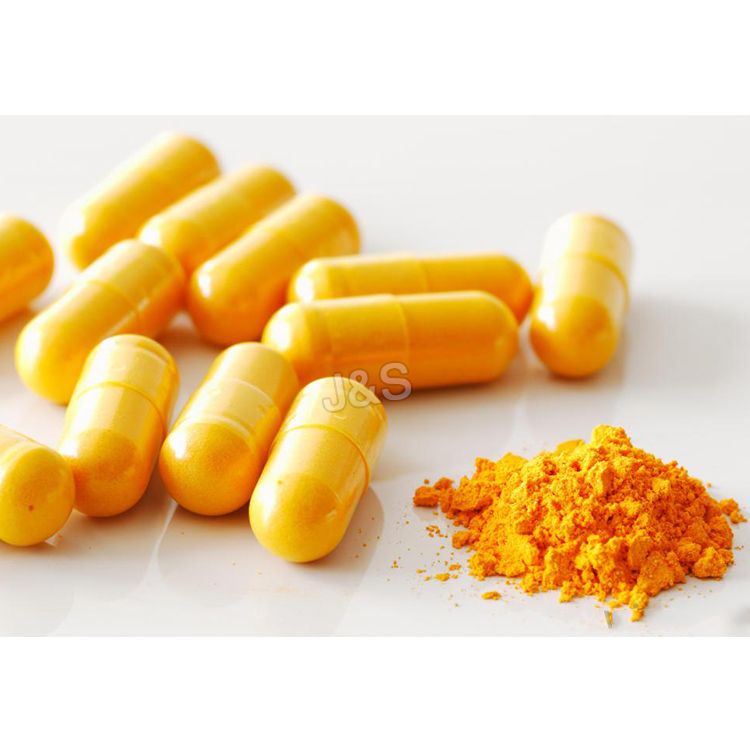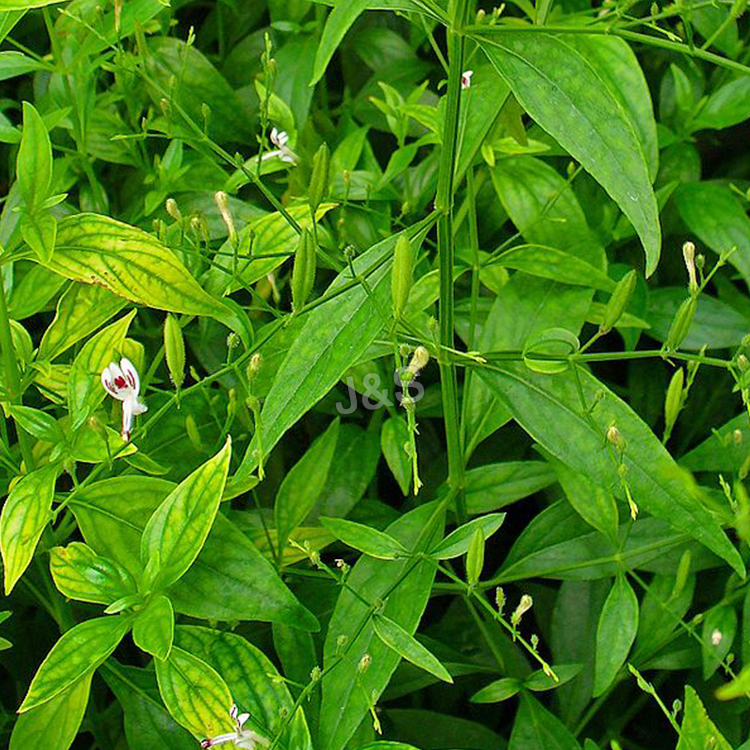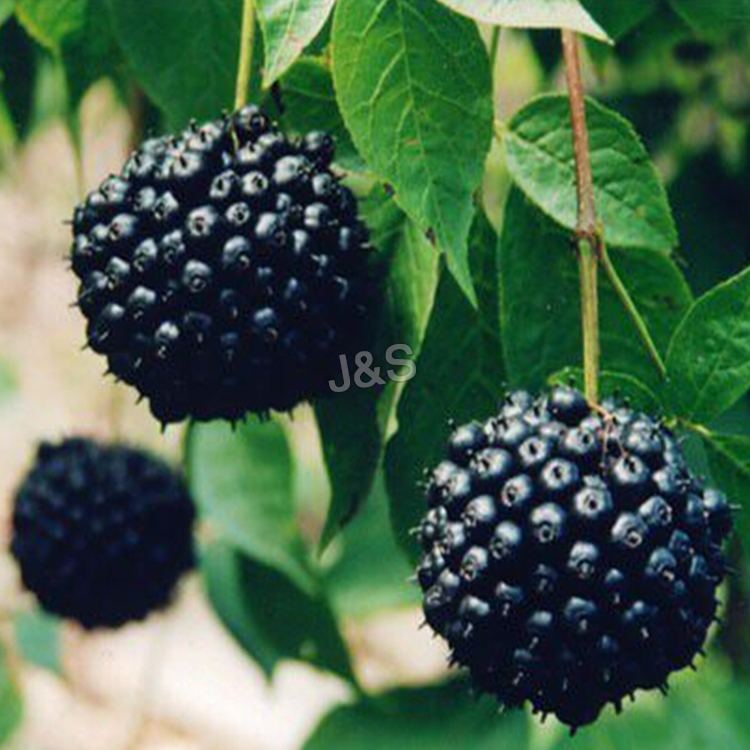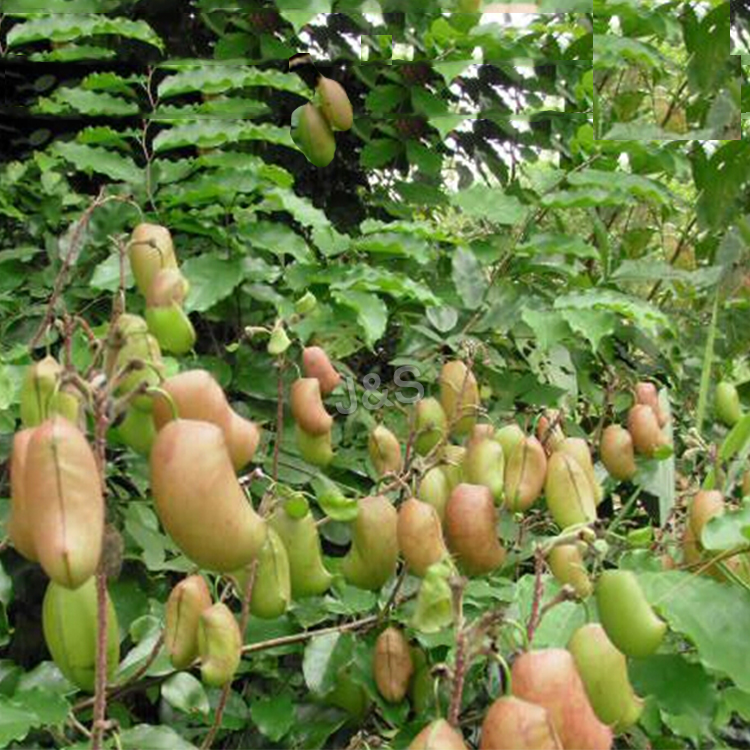
2017 wholesale price Organic Ginkgo Biloba Extract New Zealand
2017 wholesale price Organic Ginkgo Biloba Extract New Zealand Detail:
[Latin Name] Cinnamomun camphcra
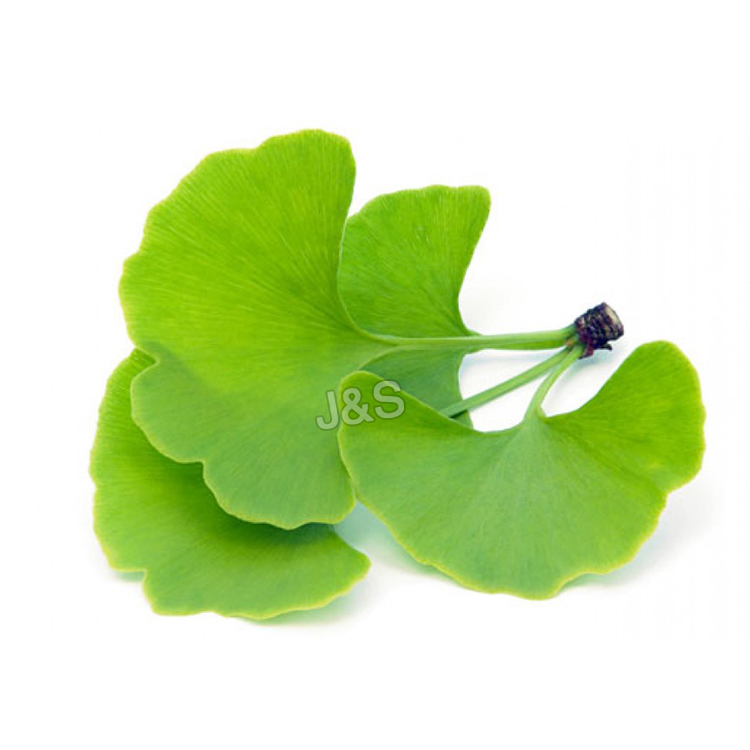
[Plant Source] It is extracted from Ginkgo Biloba Leaf.
[Specifications]
1, Ginkgo Biloba Extract 24/6
Total Ginkgo flavone glycosides 24%
Total terpene lactones 6%
2, Ginkgo Biloba Extract 24/6
Total Ginkgo flavone glycosides 24%
Total terpene lactones 6%
Ginkgolic acid 5ppm
3,CP2005
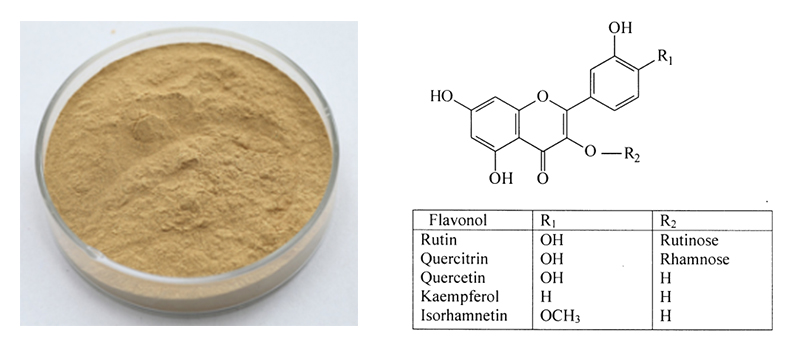
Total Ginkgo flavone glycosides 24%
Quercatin: kaemperol 0.8–1.5
Total terpene lactones 6%
Ginkgolic acid <5ppm
4.Germany Standard
Total Ginkgo Flavone Glycosides 22.0%-27%
Total Terpene Lactones 5.0%-7.0%
Bilobalides 2.6%-3.2%
Ginkgolic acid <1ppm
5.Water-Soluble Ginkgo Biloba Extract 24/6
Water Solubility: 5g Ginkgo Biloba Extract will be dissolved completely in 100g water
Total Ginkgo Flavone Glycosides 24.0%
Total Terpene Lactones 6.0%
Ginkgolic acid <5.0ppm
[Appearance] Light yellow fine powder
[Particle size] 80 Mesh
[Loss on drying] £ 5.0%
[Heavy Metal] £10PPM
[Extract solvents] Ethanol
[Storage] Store in cool & dry area, keep away from the direct light and heat.
[Package] Packed in paper-drums and two plastic-bags inside.
[Function]
Expanding blood vessel, resisting insufficient blood and oxygen deficit, increasing blood flow, improving cerebral arteries and distal
blood flow. Promoting cerebral circulation metabolism, improving memory function, resisting depression, resisting lipidic overoxidation,
protecting liver damage.
In clinic, curing high blood pressure, hyperlipoidemia, coronary heart disease, angina pectoris, arterial sclerosis, cerebral embolism,
senile dementia, primary and periodic dropsy, acute drumming in the ears, epicophosis, a variety of body function in disorder, dizziness
and so on.
![[Latin Name] Cinnamomun camphcra3](http://cdn.goodao.net/jsbotanics/latin-name-cinnamomun-camphcra3.png)
Product detail pictures:
Related Product Guide:
Being supported by an highly developed and skilled IT group, we could offer you technical support on pre-sales & after-sales support for 2017 wholesale price Organic Ginkgo Biloba Extract New Zealand , The product will supply to all over the world, such as: Tanzania, belarus, Botswana, Providing Quality Items, Excellent Service, Competitive Prices and Prompt Delivery. Our products and solutions are selling well both in domestic and foreign markets. Our company is trying to be one important suppliers in China.
Stevia grows best in upland areas in sub-tropical climate. In other places it can be grown as an annual. The plant prefers a lightly textured, well-drained soil to which organic matter has been added. It needs ample water so that the soil is consistently moist, but not wet. In hot, sunny climates it will do best in semi-shade. Propagation is from seed sown in spring, but germination rates can be low-expect half the seeds sown not to germinate. Plant seedlings out once all danger of frost is over. Leaves are best harvested just before flowering. The plants will also grow from cuttings,which are best taken in late winter.The concentration of stevioside in the leaves of Stevia increasing when the plants are grown under long day condition.While, cultivating stevia on a large scale, it can be grown in well-drained red soil and sandy loam soil. The soil should be in the pH range of 6.5-7.5. Saline soils should be avoided to cultivate this plant.
Stevia can be successfully cultivated all around the year all over India expect theareas, which receive snowfall, or temperatures go below 5 degree Celsius in winter.The summer temperatures actually do not affect this plant if the high summer temperatures have already been factored in the cultivation practices.Since seed germination rate is very poor,it is propagated vegetative. Though stem cuttings are used for vegetative tissue culture plants have proven to be the best planting material for Stevia. Tissue culture plants of Stevia are genetically pure, free from pathogens and haveexcellent vigor. The tissue culture plants can be planted throughout the year,expect during peak summer. An ideal planting density is 40,000 plants per acre with spacing of 25×40 cm in a raised bed system. The soil can be enriched with abasal dressing of 25 tons of well rotten farmyard manure/hectare
Soil Type
Stevia requires very good drainage any soil that retain the moisture for very long period of time are unsuitable for Stevia cultivation and should be religiously avoided.Red soil and sandy loam with a 6-7 pH are best for the cultivation of Stevia.
Raised bed preparation
Forming raised beds is the most economical way to grow Stevia. The raised bed should be of 15 cm in height and 60 cm in width. The distance between each plant 23 cm. This would give a plant population of around 40,000 per acre.
Planting Material
There are basically two options for multiplication. The first is the tissue culture and second the stem cutting. Tissue culture is the best option but many farmers are tempted to try the stem cutting method for multiplication. As per practical experience, stem cutting is sometimes more expensive to produce than the tissue culture since the success rate of the stem cuttings establishment is very low, it takes minimum of 25 weeks for the stem cutting to develop in proper feeding roots for transplantation (younger stem cuttings transplants have shown more than 50% mortality in first few weeks of transplants in main field).
Harvesting
Another important aspect of harvesting is the timing of harvest. It should be noted that at no point of time plants should be allowed to flower since after flowering the Stevioside percentage goes down rapidly and leaves are rendered unmarketable. Leaves are harvested by plucking in a small quantity, or the entire plant with the side branches is cut leaving 10 to 15 cm from the base.The first harvesting can be done four to five months after planting. Subsequent harvesting can be done every three months, for five consecutive years. The sweetener in the leaf is maximum till the plant flowers. Just before flowering, the plant should be cut completely leaving 10 cm from the ground. The new flush of leaves will sprout from here. The new plant will be ready for harvest again in three months. The plant yields around 3000 kg of dried leaves from an acre of plantation every year. Harvesting should be done as late as possible, since cool autumn temperatures and shorter days tend to intensify the sweetness of the plants as they evolve into a reproductive state.
Unlocking the sweetness in your harvest
Once all leaves have been harvested it’s required to dry them. This can be
accomplished on a net. The drying process is not one that requires excessive heat;more important is good air circulation. On a moderately warm fall day, stevia crop can be quick dried in the full sun in about 12 hours. (Drying times longer than that will lower the stevioside content of the final product.)
Crushing the dried leaves is the final step in releasing stevia’s sweetening power. The
dried leaves are powdered, sieved and the fine powder is stored in containers. This can be done either by hand or, for greater effect, in a coffee grinder or in a special blender for herbs.
Web: https://www.natureherbs.org | www.natureherbs.co
Email : natureherbs@ymail.com
Watsapp: +91 841 888 5555
Skype: nature.herbs
Don’t hesitate to comment below if you have any questions or additional phrases
Biofilms in Infection Dr.T.V.Rao M D
,Beginning of Microbes Bacteria first appeared on earth about 3.6 billion years ago, long before the appearance of Homo sapiens around 100,000 years ago.. Van Leeuwenhoek was the first person to visualize, graphically illustrate, and label "animalcules" (bacteria) that he found in plaque scraped from his own teeth.
,Bio film constitutes Abiofilmis an aggregate of microorganisms in which cells are stuck to each other and/or to a surface. These adherent cells are frequently embedded within a self-produced matrix of extracellular polymeric substance (EPS). Biofilm EPS, which is also referred to as "slime," is a polymeric jumble of DNA, proteins and polysaccharides.
,Biofilm is a complex substance. A biofilm is a complex aggregation of microorganisms growing on a solid substrate. Biofilms are characterized by structural heterogeneity, genetic diversity, complex community interactions, and an extracellular matrix of polymeric substances.
,Biofilms found in Nature everywhere where is there is moisture More properly known as biofilm, slime cities thrive wherever there is water – in the kitchen, on contact lenses, in the gut linings of animals. When the urban sprawl is extensive, bio films can be seen with the naked eye, coating the inside of water pipes or dangling slippery and green from plumbing." (Coghlan 1996)
,Biofilm supports the Bacterial growth Biofilm are a common mode of bacterial growth in nature and their presence has an enormous impact on many aspects of our lives, such as sewage treatment, corrosion of materials, food contamination during processing, pipe collapse, plant-microorganisms interaction in the biosphere, the formation of dental plaque, the development of chronic infections in live tissue (mastitis, Otitis, pneumonia, urinary infections, osteomyelitis) or problems related to medical implants.
,Formation of Biofilms Biofilms may form on living or non-living surfaces, and represent a prevalent mode of microbial life in natural, industrial and hospital settings
,Biofilms increases Antibiotic resitance With microorganisms are highly resistant to antimicrobial treatment and are tenaciously bound to the surface
,Mechanisims of Biofilm formation Formation of a biofilm begins with the attachment of free-floating microorganisms to a surface. These first colonists adhere to the surface initially through weak, reversible van der Waals forces.If the colonists are not immediately separated from the surface, they can anchor themselves more permanently using cell adhesion structures such as pili
,Factors Influencing Rate and Extent of Biofilm Formation Indwelling medical device when contaminated with microorganisms, several variables determine whether a biofilm develops. First the microorganisms must adhere to the exposed surfaces of the device long enough to become irreversibly attached. The rate of cell attachment depends on the number and types of cells in the liquid to which the device is exposed, the flow rate of liquid through the device, and the physicochemical characteristics of the surface
,Technology understands Biofilms better… Technological progress in microscopy, molecular genetics and genome analysis has significantly advanced our understanding of the structural and molecular aspects of biofilms, especially of extensively studied model organisms such as Pseudomonas aeruginosa.
,Steps in Biofilm Development Biofilm development can be divided into several key steps including attachment, micro colony formation, biofilm maturation and dispersion; and in each step bacteria may recruit different components and molecules including flagella, type IV pili, DNA and exo polysaccharides.
,Stages of biofilm development. ,Steps in Biofilm formation ,Bacteria associated with Biofilms differ Bacteria living in a biofilm can have significantly different properties from free-floating bacteria, as the dense and protected envi
 By Janet from Honduras - 2017.06.19 13:51
Products and services are very good, our leader is very satisfied with this procurement, it is better than we expected,
By Carey from America - 2018.02.12 14:52