Best Price on Kava Extract Wholesale to Sri Lanka
Best Price on Kava Extract Wholesale to Sri Lanka Detail:
[Latin Name] Piper methyicium L.
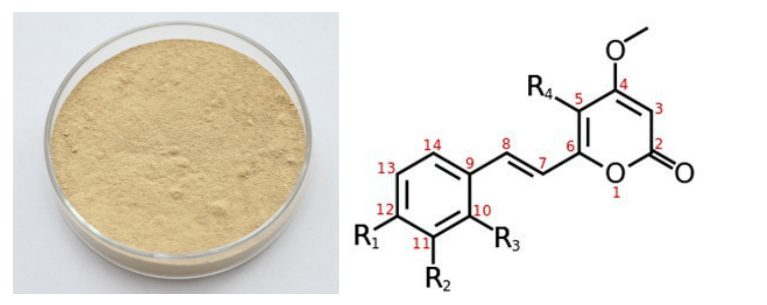
[Specification] Kavalactones ≥30.0%
[Appearance] Yellow powder
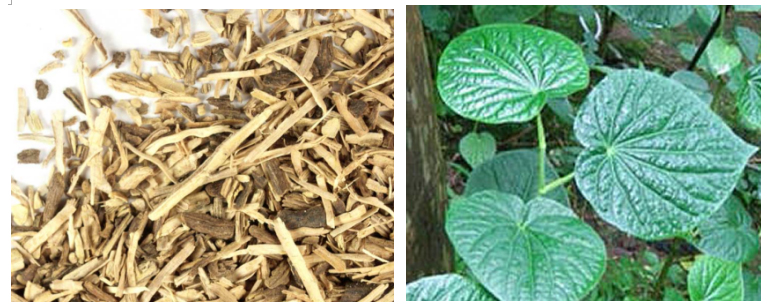
Plant Part Used: Root
[Particle size] 80Mesh
[Loss on drying] ≤5.0%
[Heavy Metal] ≤10PPM
[Storage] Store in cool & dry area, keep away from the direct light and heat.
[Shelf life] 24 Months
[Package] Packed in paper-drums and two plastic-bags inside.
[Net weight] 25kgs/drum
[What is Kava?]
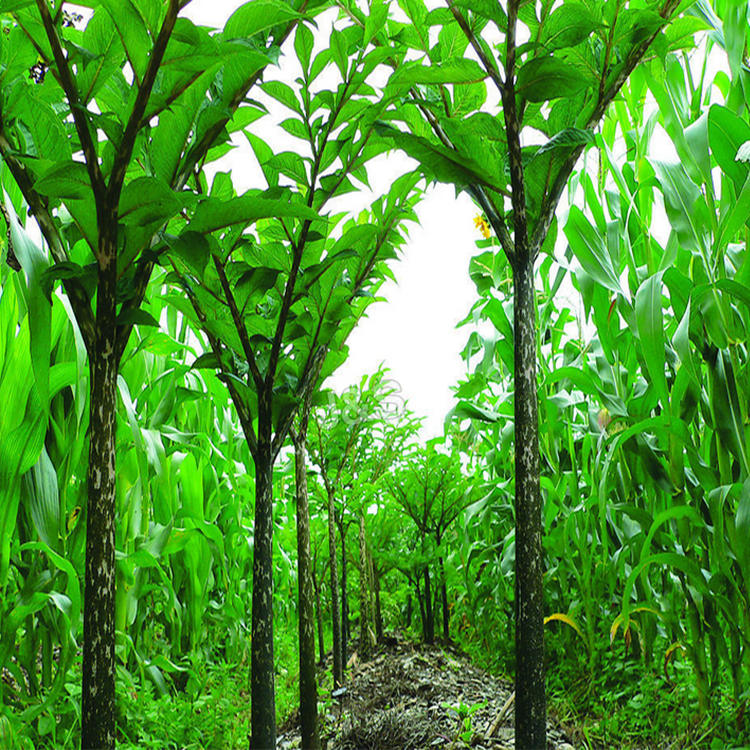
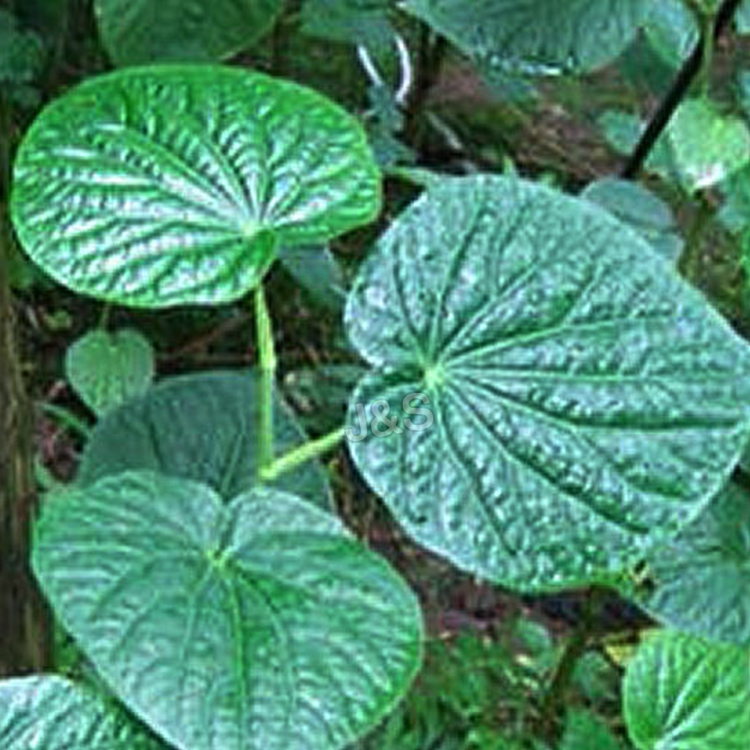
Kava, also known as piper methysticum, kava kava, and ‘awa, is a small shrub native to the islands in the South Pacific. The root and stems are made into a non-alcoholic, psychoactive beverage that has been used socially and ceremonially for hundreds of years in Hawaii, Fiji, and Tonga.
Kava is traditionally prepared by placing ground root and stem into a porous sack, submerging in water, and squeezing the juice into a large, carved, wooden bowl. Coconut half-shell cups are dipped and filled — punch bowl style. After drinking a cup or two a feeling of heightened attention combined with relaxation begins to come on. Although it is soothing, it is unlike alcohol in that thoughts remain clear. The flavor is largely inoffensive, but some find that it takes getting used to; it really depends on your preference for earthy flavors.
[Kava is Safe to Use]
The safe and effective benefits of kava to relieve symptoms of anxiety were also supported in a meta-analysis, a systematic statistical review of seven human clinical trials published in 2000 in the Journal of Clinical Psychopharmacology, and again in a similar critical review in 2001. The reviews did not find significant adverse effects related to liver toxicity.
In conclusion, the liver is affected by many substances, including prescription and non- prescription drugs, as well as alcohol, which is a major cause of liver damage. We must be aware that herbs are potent medicines, to be treated with the appropriate respect regarding potential interactions and toxicity, including to the liver. On the other hand, Kava kava’s margin of safety far surpasses that of it’s pharmaceutical equivalent.
[Function]
Kava’s can help offset a number of problems, most notably stress, anxiety, and disrupted sleep patterns. However, kava’s anxiolytic (anti-panic or anti-anxiety agent) and calming properties can offset many other stress and anxiety related ailments.
1. Kava as a Therapy for Anxiety
2. Kava May Remedy Menopausal Mood Swings
3. Weight Loss
4. Combat Premature Aging
5. Quit Smoking Aid
6. Combat pain as an analgesic
7. Insomnia
8. Depression
Product detail pictures:
Related Product Guide:
Trustworthy good quality and excellent credit score standing are our principles, which will help us at a top-ranking position. Adhering towards the tenet of "quality first, buyer supreme" for Best Price on Kava Extract Wholesale to Sri Lanka , The product will supply to all over the world, such as: Mexico, Greece, moldova, The quality of our merchandise is equal to OEM's quality, because our core parts are the same with OEM supplier. The above items have passed professional certification, and we not only can produce OEM-standard items but we also accept Customized Merchandise order.
Why Use Chlorophyllin
Chlorophyllin is a semi-synthetic mixture of water-soluble sodium copper salts derived from chlorophyll. Chlorophyll is the pigment that gives plants and algae their green color. During the synthesis of chlorophyllin, the magnesium atom at the center of the ring is replaced with copper and the phytoltail is lost. What is the difference in Chlorophyllin and Chlorophyll? Unlike natural chlorophyll, chlorophyllin is water-soluble. So your body is able to absorb all the nutrients and have the great benefits!
For an all natural supplement containing chlorophyllin checkout Rain Core at https://www.seedsupplements.com/
To read more regarding green coffee, kindly visit site here: https://www.youtube.com/watch?v=Z11PSDTBAsM Tags: costco pure green coffee bean extract 800 mg, did green coffee bean extract work for you, does costco carry green coffee bean extract, does costco have green coffee bean extract, does costco sell green coffee bean extract, does costco sell pure green coffee bean extract, does cvs sell green coffee bean extract, does green coffee bean extract really work to lose weight, does green coffee bean extract results, does green coffee bean extract work, does green coffee bean extract work for everyone, does green coffee bean extract work for men, does green coffee bean extract work for menopause women, does green coffee bean extract work reviews, does green coffee bean extract work yahoo, does green coffee bean extract work yahoo answers, does green coffee bean supplements work, dr oz green coffee bean extract, dr oz green coffee bean extract 2013, dr oz green coffee bean extract and colon cleanse, dr oz green coffee bean extract gnc, dr oz green coffee bean extract part 3, dr oz green coffee bean extract pills, dr oz green coffee bean extract pt 2, dr oz green coffee bean extract review, dr oz green coffee bean extract svetol, dr oz green coffee bean extract video, gnc green coffee bean extract, gnc green coffee bean extract 800mg, gnc green coffee bean extract chews, gnc green coffee bean extract dr oz, gnc green coffee bean extract gca, gnc green coffee bean extract review, gnc green coffee bean extract side effects, gnc green coffee bean extract with raspberry ketones, green coffee bean extract, green coffee bean extract 400 mg 45 chlorogenic acid, green coffee bean extract 400 mg and raspberry ketones, green coffee bean extract 400 mg gca, green coffee bean extract 400 mg reviews, green coffee bean extract 400 mg svetol, green coffee bean extract 400 mg svetol chlorogenic acid, green coffee bean extract 400mg, green coffee bean extract 400mg pure, green coffee bean extract 800 mg, green coffee bean extract 800 mg 100 pure all natural formula, green coffee bean extract 800 mg 50 chlorogenic acid, green coffee bean extract 800 mg dr oz, green coffee bean extract 800 mg per capsule, green coffee bean extract 800 mg reviews, green coffee bean extract 800 mg side effects, green coffee bean extract 800 mg with gca, green coffee bean extract 800 mg with gca and 50 chlorogenic acid, green coffee bean extract 800 mg with svetol, green coffee bean extract and fat loss, green coffee bean extract and weight loss, green coffee bean extract before and after, green coffee bean extract before and after photos, green coffee bean extract before and after pictures, green coffee bean extract benefits, green coffee bean extract benefits and side effects, green coffee bean extract benefits dr oz, green coffee bean extract capsules 400mg, green coffee bean extract costco, green coffee bean extract costco dietworks, green coffee bean extract costco reviews, green coffee bean extract costco.ca, green coffee bean extract cvs, green coffee bean extract diet, green coffee bean extract diet does it work, green coffee bean extract diet dr. oz, green coffee bean extract diet pills, green coffee bean extract diet plan, green coffee bean extract diet rachael ray, green coffee bean extract diet results, green coffee bean extract diet reviews, green coffee bean extract diet works, green coffee bean extract dietary supplement dr oz, green coffee bean extract dietworks
 By Ann from Bangkok - 2018.09.12 17:18
This is a very professional wholesaler, we always come to their company for procurement, good quality and cheap.
By Maggie from luzern - 2018.08.12 12:27