Cheap PriceList for Astaxanthin Factory for Nairobi
Cheap PriceList for Astaxanthin Factory for Nairobi Detail:
[Latin Name] Haematococcus Pluvialis
[Plant Source] from China
[Specifications]1% 2% 3% 5%
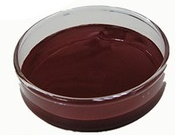
[Appearance] Dark red Powder
[Particle size] 80 Mesh
[Loss on drying] ≤5.0%
[Heavy Metal] ≤10PPM
[Storage] Store in cool & dry area, keep away from the direct light and heat.
[Shelf life] 24 Months
[Package] Packed in paper-drums and two plastic-bags inside.
[Net weight] 25kgs/drum
Brief Introduction
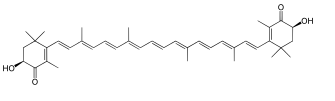
Astaxanthin is a natural nutritional component, it can be found as a food supplement. The supplement is intended for human, animal, and aquaculture consumption.
Astaxanthin is a carotenoid. It belongs to a larger class of phytochemicals known as terpenes, which are built from five carbon precursors; isopentenyl diphosphate and dimethylallyl diphosphate . Astaxanthin is classified as a xanthophyll (originally derived from a word meaning “yellow leaves” since yellow plant leaf pigments were the first recognized of the xanthophyll family of carotenoids), but currently employed to describe carotenoid compounds that have oxygen-containing moities, hydroxyl or ketone , such as zeaxanthin and canthaxanthin. Indeed, astaxanthin is a metabolite of zeaxanthin and/or canthaxanthin, containing both hydroxyl and ketone functional groups. Like many carotenoids, astaxanthin is a colorful, lipid-soluble pigment. This colour is due to the extended chain of conjugated (alternating double and single) double bonds at the centre of the compound. This chain of conjugated double bonds is also responsible for the antioxidant function of astaxanthin (as well as other carotenoids) as it results in a region of decentralized electrons that can be donated to reduce a reactive oxidizing molecule.
Function:
1.Astaxanthin is a powerful antioxidant and may protect against oxidative damage to body tissues.
2.Astaxanthin can improve the immune response by increasing the number of antibody producing cells.
3.Astaxanthin is a potential candidate to treat neurodegenerative disease such as Alzhimer and Parkinson diease.
4.Astaxanthin dan reduce UVA-light damage to skin such as sunburn, inflammation, ageing and skin cancer.
Application
1.When applied in pharmaceutical field, astaxanthin powder has the good function of antineoplastic;
2.When applied in health food field, astaxanthin powder is used as food additives for pigment and health care;
3.When applied in cosmetic field, astaxanthin powder has the good function of antioxidant and anti-aging;
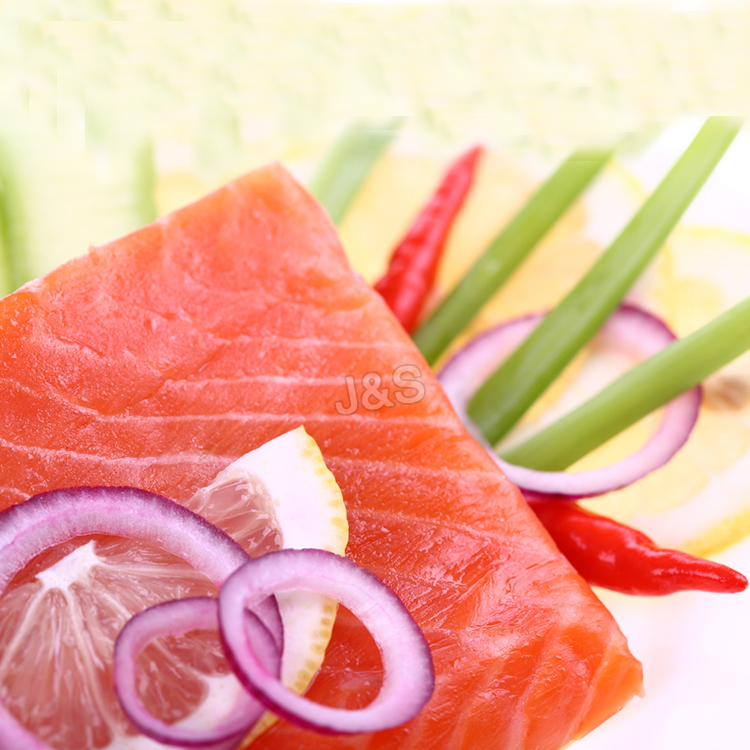
4.When applied in animal feeds field, astaxanthin powder is used as animal feed additive to impart coloration, including farm-raised salmon and egg yolks.
Product detail pictures:
Related Product Guide:
Our goal is to satisfy our customers by offering golden service, good price and high quality for Cheap PriceList for Astaxanthin Factory for Nairobi , The product will supply to all over the world, such as: United Arab emirates, Greece, Israel, We welcome you to visit our company & factory and our showroom displays various products that will meet your expectations. Meanwhile, it is convenient to visit our website. Our sales staff will try their best to provide you with the best services. If you need more information, please do not hesitate to contact us via E-mail, fax or telephone.
BLUEBERRIES | FROZEN BANANA | SPINACH | CHIA SEEDS | CINNAMON | VANILLA COMPLETE | COCONUT WATER
Tastes like a blueberry muffin. Why this smoothie is so good for you:
Blueberries: are one of the richest sources of proanthocyanidins. These phytonutrients decrease free radicals levels that are linked to aging and disease.
Banana: contain all kinds of good things – health-promoting flavonoids and poly-phenolics, such as lutein, zeaxanthin, beta and alpha carotenes, acting as free radical-gobbling antioxidants. That’s also an advantage in the high vitamin C content, most known for its infection-fighting properties.
Spinach: Low in fat and even lower in cholesterol, spinach is high in niacin and zinc, as well as protein, fiber, vitamins A, C, E and K, thiamin, vitamin B6, folate, calcium, iron, magnesium, phosphorus, potassium, copper, and manganese. In other word, it’s loaded with good things for every part of your body!
Chia Seeds: Despite their small size, chia seeds are full of important nutrients. They are an excellent source of omega-3 fatty acids, which help to raise HDL cholesterol, are also rich in antioxidants, and they provide fiber, iron, and calcium.
Cinnamon: Cinnamon is known to enhance your antioxidant defenses, and it’s been found to kill E. coli and many other bacteria. Its anti-inflammatory compounds help relieve pain and stiffness of muscles and joints due to arthritis.
Juice Plus Vanilla Complete: Completes Shakes provides whole food macro nutrition which gives your body a balance of protein, carbohydrates and Fat. Plant based and protein rich. Gluten free, low fat, no cholesterol, no artificial flavourings, no colouring no preservatives, no wheat. Prebiotic.
Coconut Water: Coconut water contains a lot of antioxidants, which help prevent the damage to our bodies caused by free radicals.
SOCIAL MEDIA:
Instagram: @zayla_z
xx
Visit us: https://www.herbalstep.com/
 By Alberta from Pakistan - 2017.12.09 14:01
Wide range, good quality, reasonable prices and good service, advanced equipment, excellent talents and continuously strengthened technology forces,a nice business partner.
By Alice from Malaysia - 2018.12.11 11:26