China Factory for Huperzine A Factory for Zambia
China Factory for Huperzine A Factory for Zambia Detail:
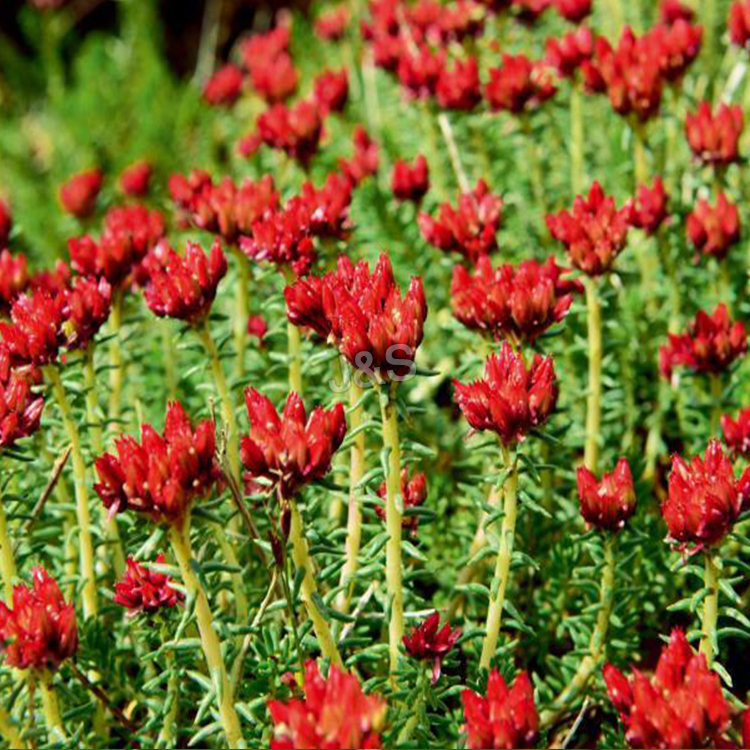
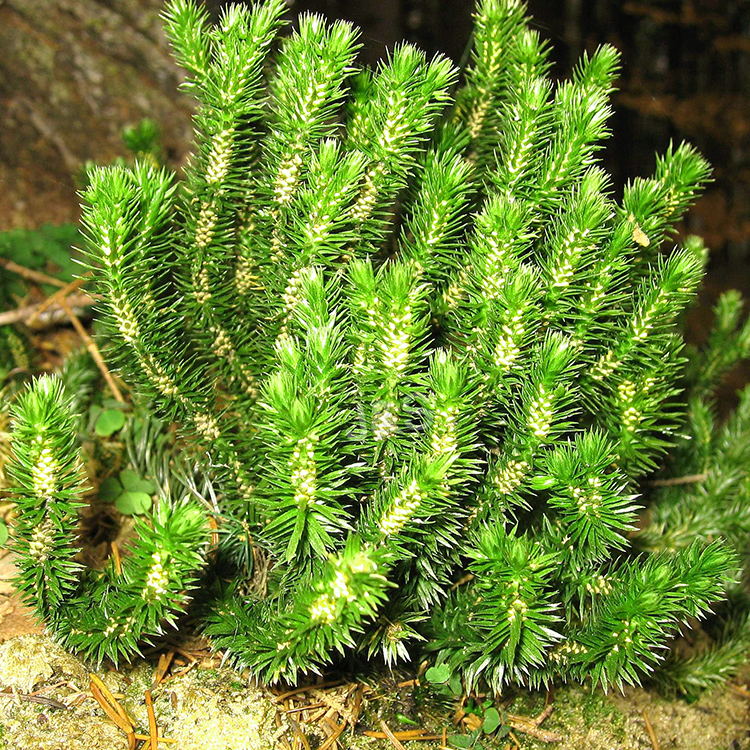
[Latin Name]Huperzia serratum
[Source] Huperziceae whole herb from China
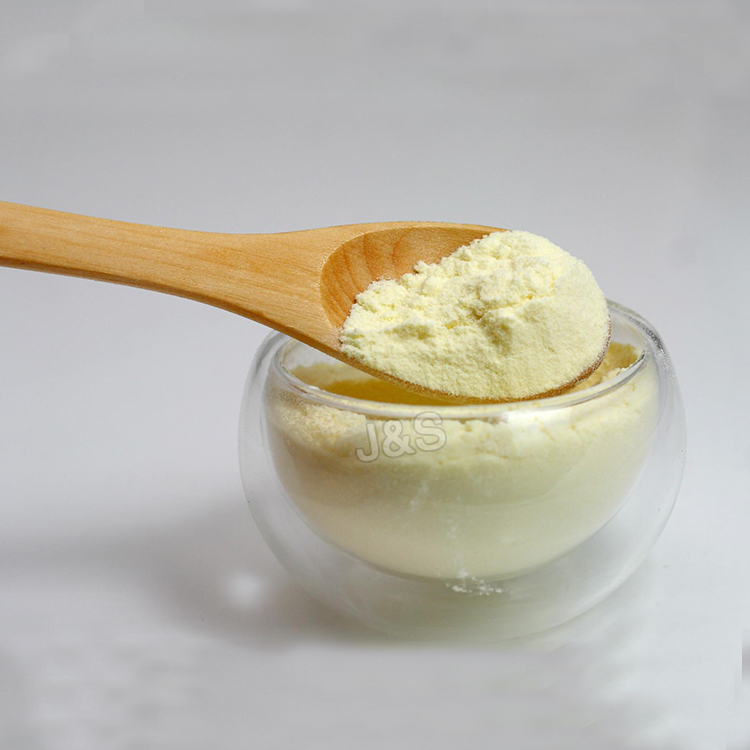
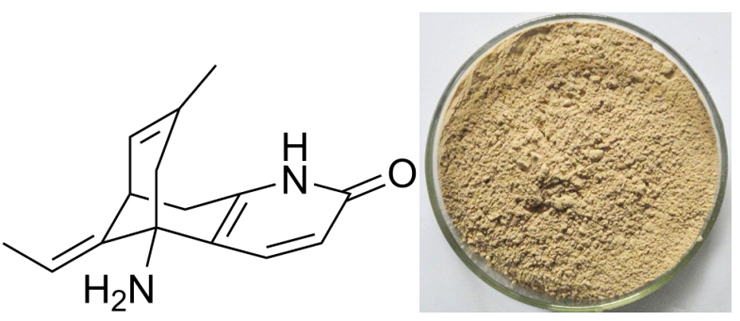
[Appearance]Brown to white
[Ingredient]Huperzine A
[Specification]Huperzine A 1% – 5%, HPLC
[Solubility] Soluble in chloroform, methanol, ethanol, slightly soluble in water
[Particle size] 80 Mesh
[Loss on drying] ≤5.0%
[Heavy Metal] ≤10PPM
[Pesticide residue] EC396-2005, USP 34, EP 8.0, FDA
[Storage] Store in cool & dry area, keep away from the direct light and heat.
[Shelf life] 24 Months
[Package] Packed in paper-drums and two plastic-bags inside.
[What is Huperzine A]
Huperzia is a type of moss that grows in China. It is related to club mosses (the Lycopodiaceae family) and is known to some botanists as Lycopodium serratum . The whole prepared moss was used traditionally. Modern herbal preparations use only the isolated alkaloid known as huperzine A. Huperzine A is an alkaloid found in huperzia that has been reported to prevent the breakdown of acetylcholine, an important substance needed by the nervous system to transmit information from cell to cell. Animal research has suggested that huperzine A’s ability to preserve acetylcholine may be greater than that of some prescription drugs. Loss of acetylcholine function is a primary feature of several disorders of brain function, including Alzheimer’s disease . Huperzine A may also have a protective effect on brain tissue, further increasing its theoretical potential for helping reduce symptoms of some brain disorders.
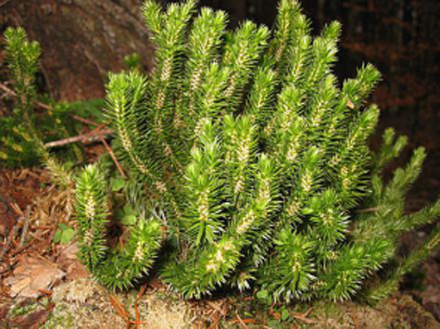
[Function] Used in alternative medicine, huperzine A has been found to act as a cholinesterase inhibitor, a type of medicine used to prevent the breakdown of acetylcholine (a chemical essential to learning and memory).
Not only used as a treatment for Alzheimer’s disease, huperzine A is also said to enhance learning and memory and to protect against age-related cognitive decline.
In addition, huperzine A is sometimes used to boost energy, increase alertness, and aid in the treatment of myasthenia gravis (an autoimmune disorder that affects the muscles).
Product detail pictures:
Related Product Guide:
we are able to provide good quality items, aggressive rate and best shopper assistance. Our destination is "You come here with difficulty and we provide you with a smile to take away" for China Factory for Huperzine A Factory for Zambia , The product will supply to all over the world, such as: Kuwait, Armenia, Istanbul, We are seeking the chances to meet all the friends from both at home and abroad for the win-win cooperation. We sincerely hope to have long-term cooperation with all of you on the bases of mutual benefit and common development.
Dr Kiel explains the glycemic index
MORE HEALTH EDUCATION:
https://www.youtube.com/playlist?list=PLt6puIp2CPGX8ilSikABEAc0wiS-slL-h
READ MORE
https://www.healthydocs.net/home/2017/the-glycemic-index-explained
CARBS & SUGAR EXPLAINED
Please like, subscribe, comment and share!
SUBSCRIBE: https://www.youtube.com/user/DrJohnKiel
FACEBOOK: https://www.facebook.com/medicinelifestyle
TWITTER: https://twitter.com/LifestyleMedYou
The glycemic index was created by nutritionists and researchers in the 1980s who were looking for a more accurate way to compare carbohydrates of different food groups relative to the conventional method of simply comparing the total number of carbs.
The glycemic index (GI) is an advanced metric for counting carbs. The glycemic load (GL) is an even better metric. It’s helpful for counting carbs, calories, daily caloric intake, daily calorie intake, eating fewer carbs or calories, lowering your calorie intake, fat loss, and weight loss. Quantifying how many carbs in food, drinks. Also consider macronutrients, macros, fat, protein, metabolism, anabolism, catabolism, synthesis, breakdown, deficit, gluconeogenesis, glycolysis, glycogenolysis. It’s important if you have diabetes, metabolic syndrome, and heart disease. It looks at things like fructose, galactose, glucose, sugar, glycogen, lactose, calories, kilocalories, monosaccharides disaccharides polysaccharides, starch, and sucrose.
Is Stevia Good or Bad For Diabetes
Download Diabetes Management Book: https://bit.ly/2g0NDAH
Hello, I’m Ty Mason from TheDiabetesCouncil.com, researcher, writer and I have type 2 diabetes. Today I’m going to answer the question, is stevia good for diabetes. But before we get into that, make sure you download my free diabetes management book which also includes a diabetes grocery shopping guide (foods to eat and avoid) by clicking the link: https://bit.ly/2g0NDAH
Stevia is actually a plant naturally grown in Brazil and Paraguay. It is now being grown in many other countries with China now being the largest export of the sweetener derived from the plant. The plant is in the same family as chrysanthemums and sunflowers.
The extract taken from the stevia plant has been used for many years as a sweetener, but was actually banned in the United States in 1991 because it was thought to cause cancer. The ban was lifted in 1995, but the Food and Drug Administration (FDA) allowed stevia to be imported and sold as a food supplement, but not as a sweetener. In December 2008, the FDA declared stevia Generally Regarded As Safe.
Since then the market has been flooded with “stevia” sugar substitutes. Just some of the “brand” names of stevia are:
Stevia in the Raw
Truvia
PureVia
Sweet Leaf
WalMart has their own “brand” Great Value Stevia
Only Sweet
And there are plenty of “Generic” stevia based sweeteners available.
Stevia extract is 250-300 times sweeter than table sugar.
Stevia is generally accepted as a good sugar substitute.
A 2003 study by Søren Gregersen found that stevioside reduces postprandial blood glucose levels in type 2 diabetic patients, indicating beneficial effects on the glucose metabolism. Stevioside may be advantageous in the treatment of type 2 diabetes. Postbrandial simply means the blood glucose levels after eating a meal.
A 2012 study by Naveen Shivanna found that the active ingredients in stevia not only had a positive impact on blood glucose levels, but was found to be an anti-oxidant and had liver protection properties.
So, is stevia good for diabetes? My answer is yes.
But I do feel you need to read the labels before you buy. Some forms of stevia sold in the US is all natural, but is it all stevia? Others have additives in them to promote longer shelf life. Be sure to read the label to ensure you are getting an all-natural, all stevia sweetener.
I hope this answered your question is Stevia good or bad for diabetes. Don’t forget to get your diabetes management book by clicking the link: https://bit.ly/2g0NDAH
Let me know if you have any other diabetes related questions.
 By Octavia from Cambodia - 2017.12.02 14:11
This supplier offers high quality but low price products, it is really a nice manufacturer and business partner.
By Gloria from San Diego - 2018.11.06 10:04